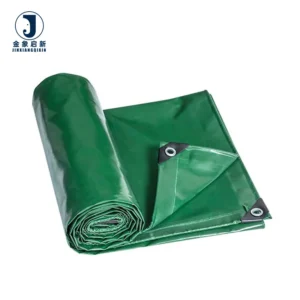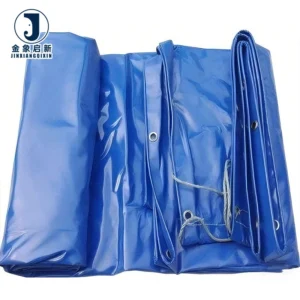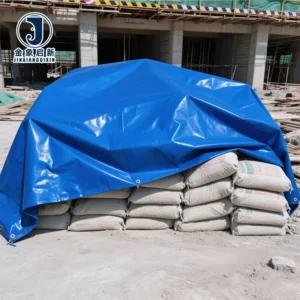
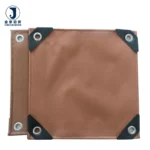

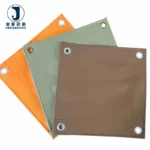
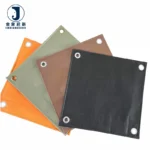
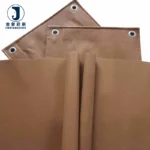
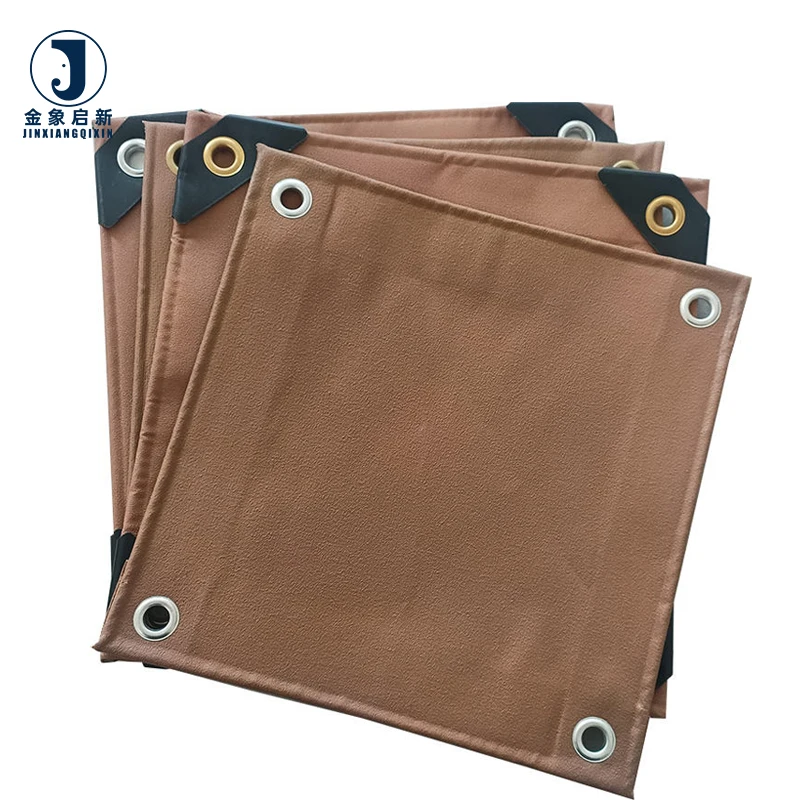
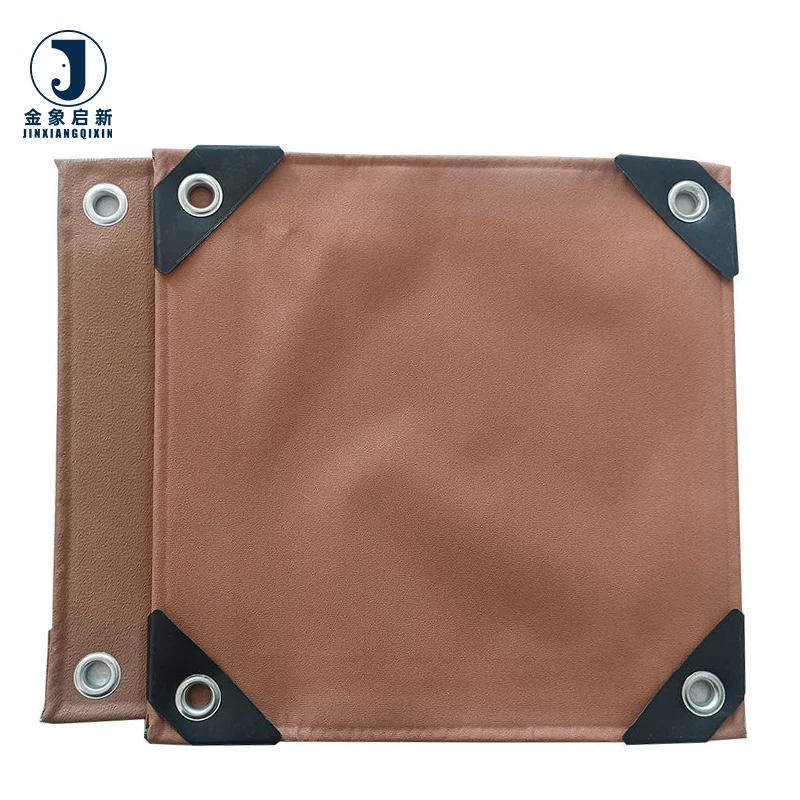
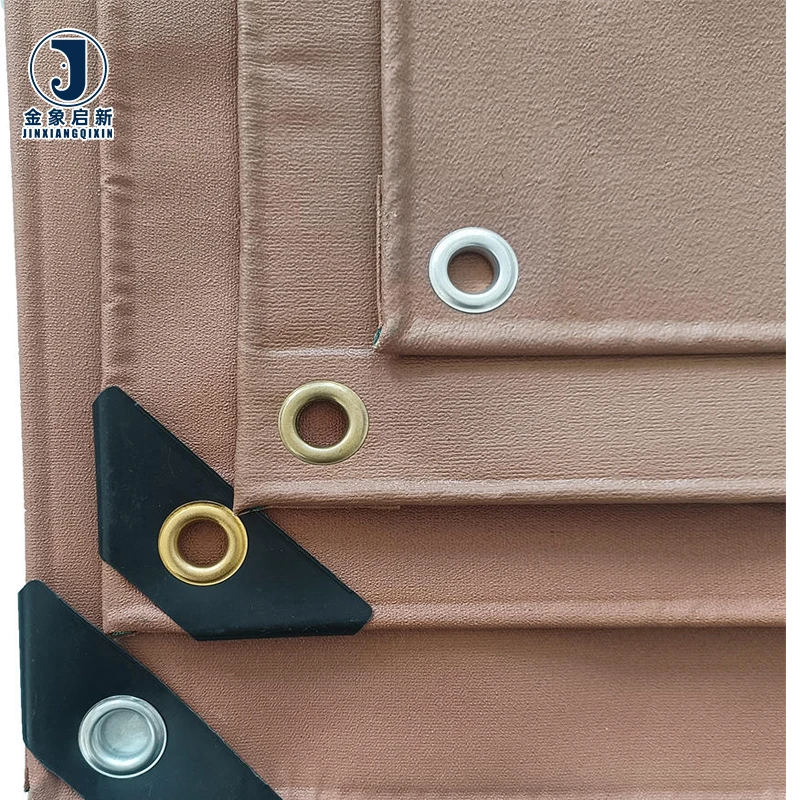
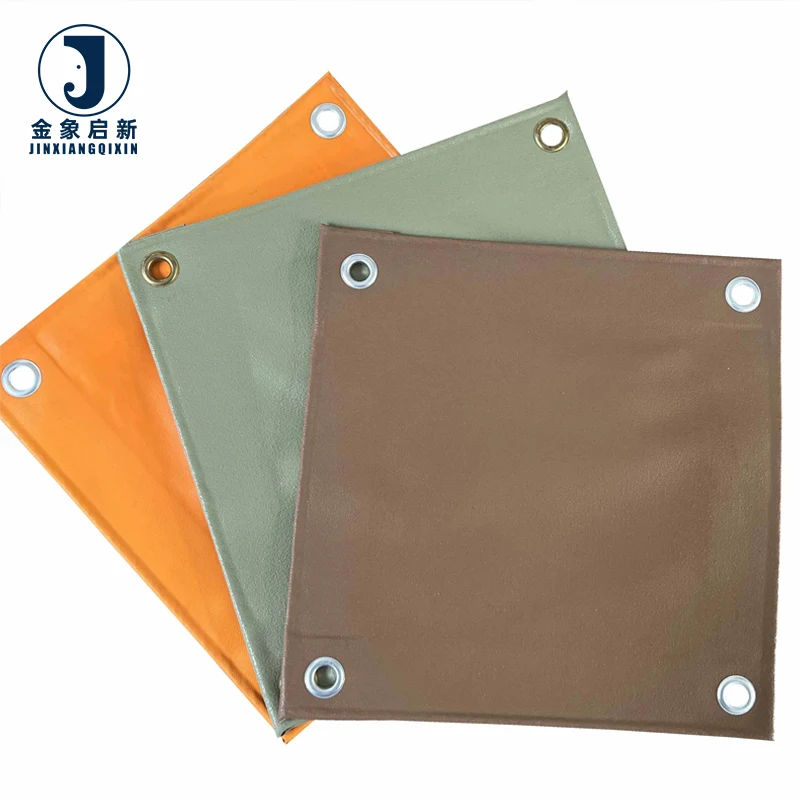
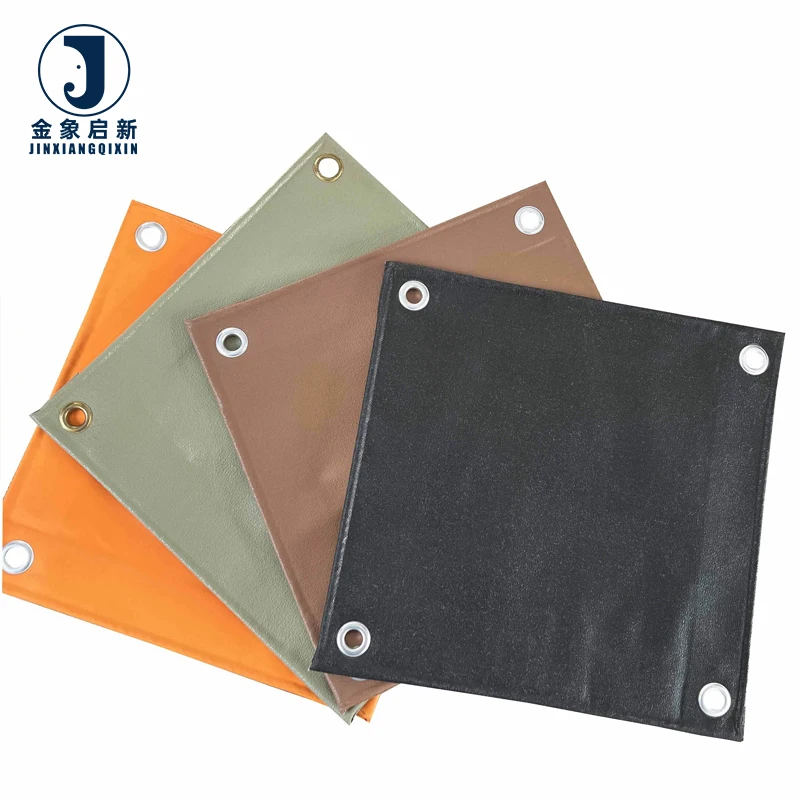
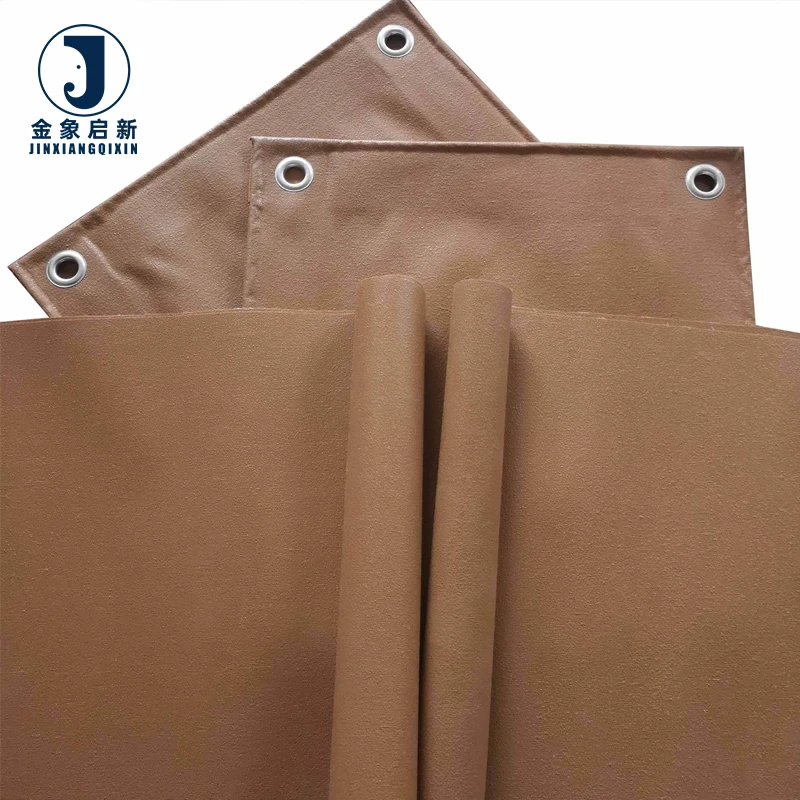
Specialist Coating Expertise — nearly 30 years focused on coated fabric development, with in-house R&D delivering fire-retardant and anti-static PVC solutions backed by test documentation for site compliance.
Technical Specifications
| Parameter | Value |
|---|---|
| Product Type | PVC Coated Tarpaulin |
| Specification | PVC Coated Tarpaulin 500gsm 600gsm | Certified Grade |
| Weight Options | 500gsm / 600gsm |
| Coating Material | PVC |
| Waterproof Construction | Yes |
| Flame Retardant Treatment | Fireproof (grade not stated — confirm required standard for your market) |
| Anti-Static Treatment | Available (standard not stated — confirm surface resistance requirement) |
| Anti-Mildew Treatment | Available |
| Anti-Cold Treatment | Available |
| Outdoor Exposure Suitability | 1-3 years |
| Certification | ISO, CE |
Application Suitability
| Application | Exposure & Requirement |
|---|---|
| Mining and tunnelling ventilation duct | Continuous airflow, dust-laden atmosphere, fire-retardant and anti-static compliance mandatory underground |
| Aviation ground support covers | Fuel proximity, static discharge risk, UV and weather exposure on tarmac |
| Inflatable and membrane structures | Wind load stress, seam integrity under inflation pressure, fire classification for public spaces |
| Industrial temporary enclosures | Chemical dust, moisture, repeated installation and teardown flex cycles |
What "Fireproof" Means When No Grade Is Specified
Always request the fire-retardant test report matched to your local regulatory framework before placing a bulk order.
Ventilation duct and specialist structure fabric often arrives on site without the fire-retardant or anti-static certification the safety officer requires. A supplier label of "fireproof" does not satisfy a mining inspector asking for DIN 4102 or NFPA 701 documentation. Fire Retardant PVC Tarpaulin for Industrial Ventilation and Specialist Application must carry a test report naming the exact grade and standard, not just a marketing claim. [NEED_CITE: fire classification systems for coated textiles in underground and public environments]
Fire-Retardant Grades and Regulatory Alignment
Different jurisdictions recognise different test methods. European projects typically reference DIN 4102 B1 or EN 13501-1, while North American sites may require NFPA 701 or ASTM E84. Mining operations in Australia follow distinct MSHA-aligned protocols. When you specify a Fire Retardant PVC Tarpaulin for Industrial Ventilation and Specialist Application, the grade must match the regulatory framework enforced on your project site — a certificate from one system does not automatically satisfy another. Our R&D team can formulate to the grade your compliance officer specifies and supply the supporting test report.
Anti-Static Performance for Hazardous Environments
Static accumulation on coated fabric surfaces can pose an ignition hazard in fuel-handling areas, grain silos, and underground mining environments where combustible dust is present. Anti-static treatment lowers surface resistance so that charge dissipates rather than building to a discharge event. The achievable surface resistance value depends on the additive system used and the base fabric construction. Request a measured result against your site safety threshold before approving a production run. [NEED_CITE: surface resistance measurement standards for anti-static coated fabrics]
How Weight and Base Fabric Interact in Specialist Applications
GSM alone does not determine how a PVC coated fabric will perform under load. A 500gsm material built on a high-denier, tightly woven base fabric can outperform a heavier material with a loose weave and thick coating fill. Tensile strength comes primarily from the yarn and weave density, while the coating contributes waterproofing, chemical resistance, and treatment adhesion. For ventilation duct applications, the balance between flexibility and strength matters — fabric that is too stiff complicates duct fabrication and field joining, while fabric that is too light may not hold its profile under positive or negative air pressure. The 500gsm and 600gsm options in this range allow you to select the grade that suits your duct diameter and pressure class.
Specification Mismatch and Its Consequences on Site
When fire-retardant PVC coated fabric arrives without the specified grade, the entire installation can be rejected at the compliance audit stage — not just the fabric but the ductwork or structure it was already built into. Anti-static fabric that tests above the site threshold forces a shutdown until replacement material is sourced and installed. Colour variation between production rolls becomes visible once panels are joined side by side on a membrane structure, requiring selective replacement that delays project handover. Weld seams failing ahead of the fabric itself often trace back to incompatible heat-seal settings for the specific coating formulation used. [NEED_CITE: common causes of coated fabric failure at welded seams]
Why Source Specialist Fabric Through This Facility
A 10-person R&D team handles material selection, custom treatment formulation, and sample development specifically for technical applications like ventilation duct and membrane structures. Three full production lines and 36 sets of professional equipment maintain consistent coating weight and adhesion across bulk orders. Every production run undergoes dedicated QA/QC at each stage with 100% inspection before dispatch. Custom widths, treatment grades, and colours are developed with samples produced within days for approval before committing to volume. Deep process control over coating weight ensures that stated GSM values match what arrives on your loading dock.
Documentation & Verification
- Material specification sheet stating exact GSM, base fabric denier, and coating weight per roll
- Fire-retardant test report naming grade and standard matched to your project requirement
- Anti-static surface resistance measurement result aligned with your site safety threshold
- ISO and CE certificates confirming management system and product conformity
- Pre-shipment inspection record with 100% QA check before dispatch
- Certificate of origin and customs documentation for cross-border shipment
Fabrication, Handling & Storage
- Heat-seal temperature and dwell time must be calibrated to the specific PVC coating formulation used on this 500gsm or 600gsm grade
- Weld seam strength testing should be performed on sample joints before committing to full production runs
- Store rolls upright on pallets in a dry environment to prevent compression marks on the coated surface
- Allow cold-stored rolls to acclimatise to workshop temperature before unrolling to avoid coating stiffness and cracking
- Use compatible PVC adhesive or solvent for field repairs on fire-retardant treated panels to maintain treatment continuity
Preparing Your Enquiry for Technical Fabric
Share the ventilation duct diameter, operating pressure class, and whether the installation is underground or surface-level so we can recommend the correct weight and treatment combination. Confirm the fire-retardant grade and anti-static surface resistance value your site safety plan mandates, along with the test standard referenced. Provide your required roll width, annual volume estimate, and whether you need finished fabricated ducts or fabric only for your own workshop.
Frequently Asked Questions
Q: What fire-retardant grade can be provided and how does it align with mining or aviation regulations?
A: We formulate to the grade your project specifies — DIN 4102, NFPA 701, or other recognised standards. Share your regulatory framework and the test method your compliance officer requires. Our R&D team develops the formulation and supplies the test report with your shipment documentation.
Q: How is anti-static performance measured and what surface resistance values are achievable?
A: Anti-static performance is measured by surface resistance testing on the finished coated fabric. The achievable value depends on the treatment system selected. Provide your site safety threshold and we will confirm the formulation that meets it, supported by a measured result on your production batch.
Q: How do I confirm the exact GSM on arrival matches the quotation?
A: Every roll undergoes weight verification as part of our 100% pre-shipment inspection. The material specification sheet supplied with your order states the confirmed GSM for each roll. You can cross-check this against the quoted grade upon receipt.
Q: What documentation is supplied for site compliance audits?
A: Each shipment includes the material specification sheet, fire-retardant and anti-static test reports where applicable, ISO and CE certificates, pre-shipment inspection record, packing list, and certificate of origin. Additional documentation can be arranged to match your project audit requirements.
Q: What is the process for developing a custom-treated sample before bulk order?
A: Submit your required treatment grade, weight, and any colour or width specifications. Our R&D team produces a sample within days for your evaluation. Once approved, the sample becomes the production benchmark and is referenced during pre-shipment inspection to ensure consistency.