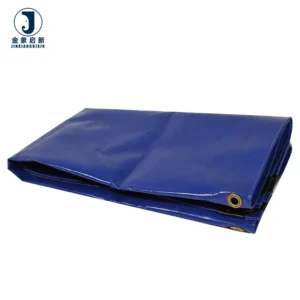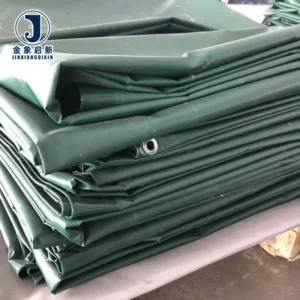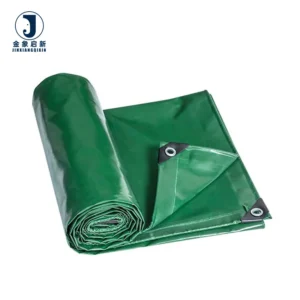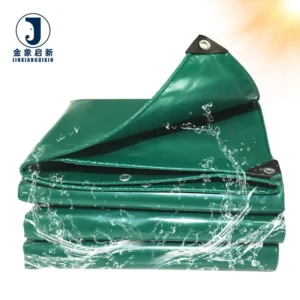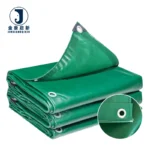
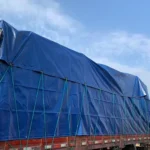

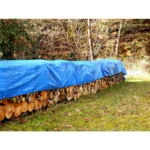
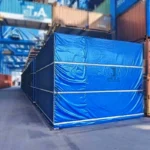
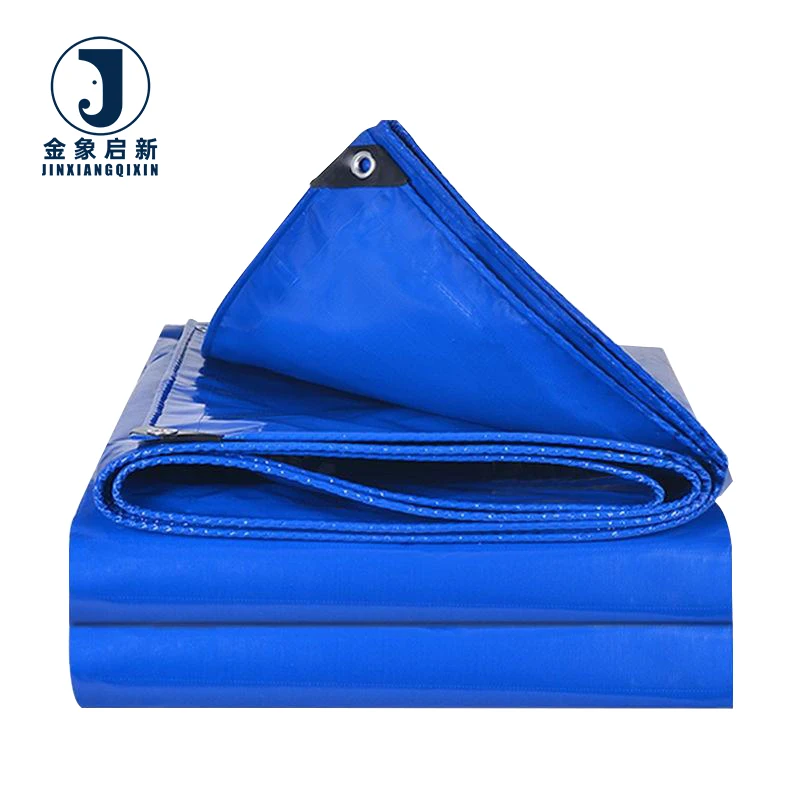
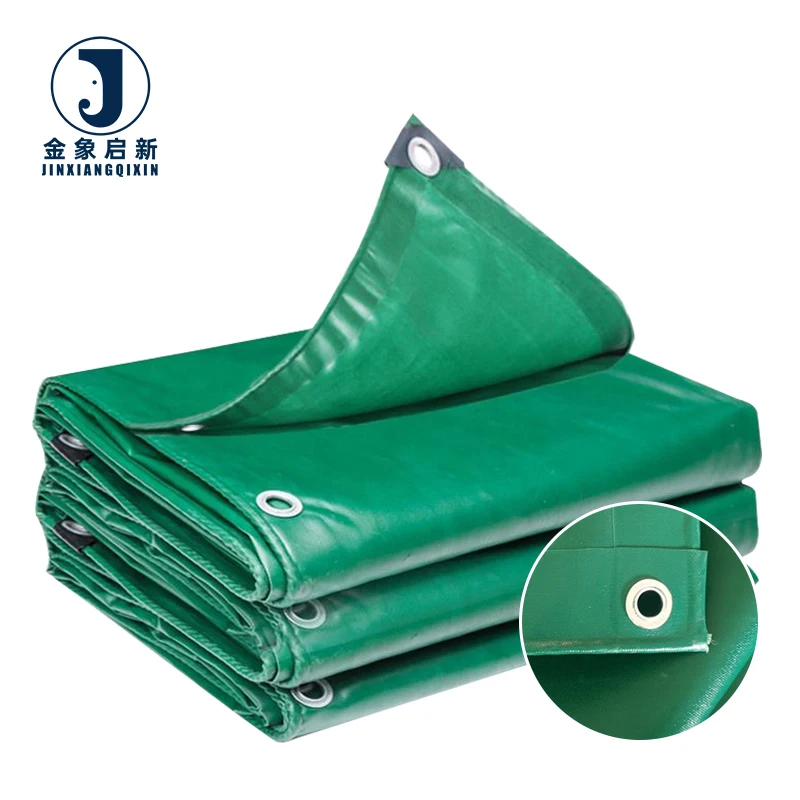
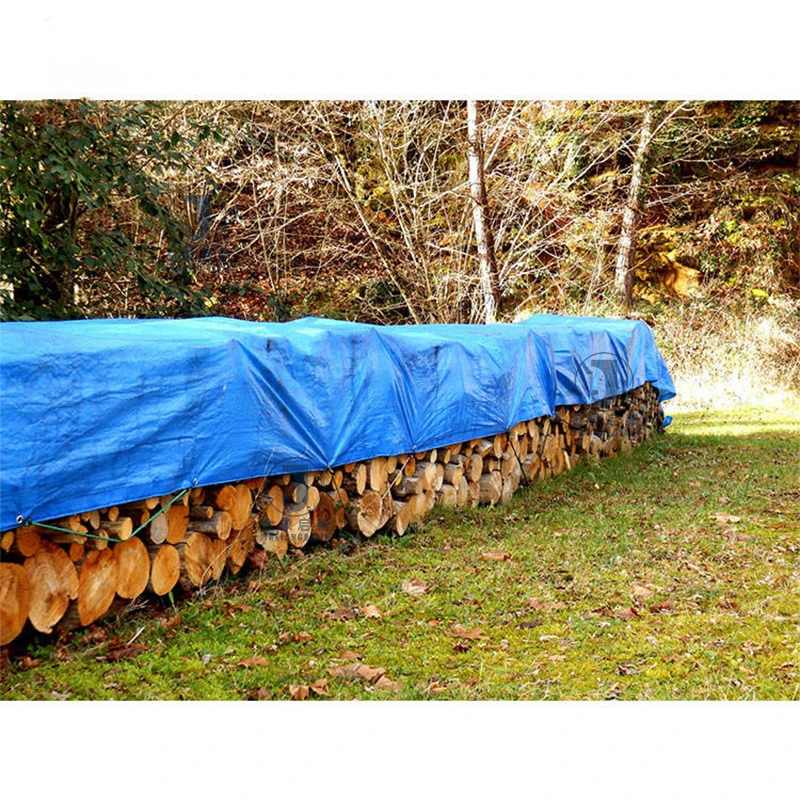
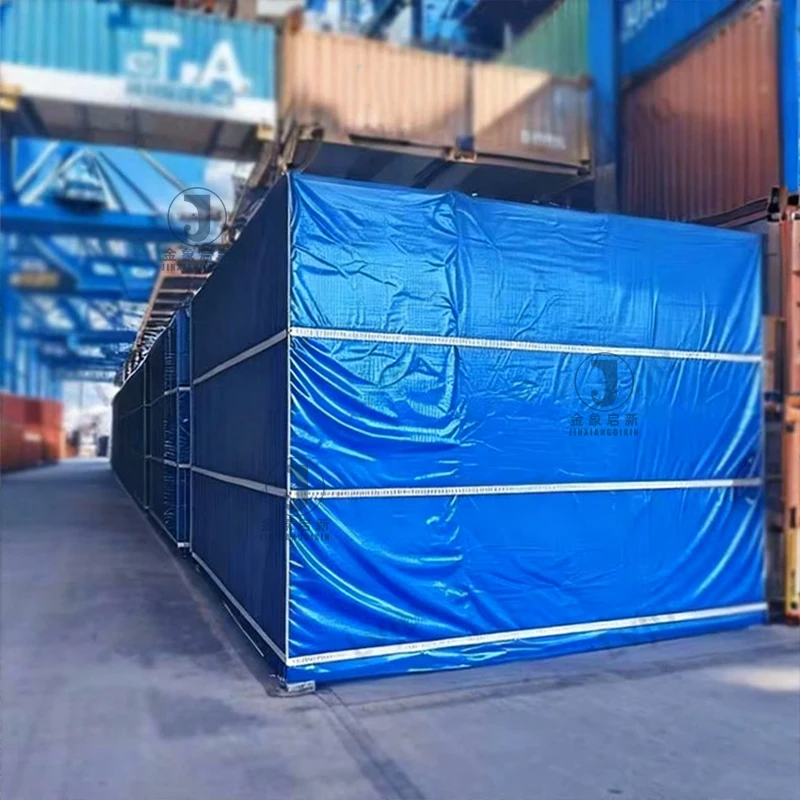
Compliance-Ready Fabric Sourcing — PVC coated tarpaulin engineered for truck cargo and specialist transport, backed by documented flame retardant and anti-static treatments that match site audit requirements.
Technical Specifications
| Parameter | Value |
|---|---|
| Product Type | PVC Coated Tarpaulin |
| Coating Material | PVC |
| Weight Options | 700gsm / 850gsm / 900gsm |
| Flame Retardant | Available — confirm grade required for your market (grade not stated) |
| Anti-Static | Available — confirm surface resistance or standard required (standard not stated) |
| Anti-Cold | Available |
| Anti-Mildew | Available |
| Waterproof | Yes |
| Key Features | Waterproof, Sun Protection, Soundproof, Fire Retardant Option, Anti-Static Option |
Application Suitability
| Application | Exposure & Requirement |
|---|---|
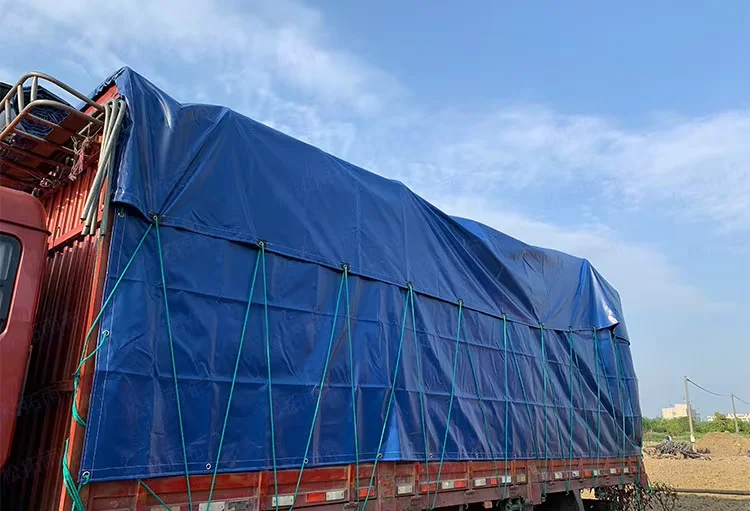
| Truck and trailer cargo covers | Continuous road abrasion, flexing at load points, rain and UV exposure, fleet compliance audits |
| Mining-adjacent transport covers | Dust-laden air, anti-static fabric mandated, heavy mechanical wear |
| Construction site load protection | Prolonged outdoor weathering, equipment contact, fire-safety perimeter requirements |
| Aviation logistics tarpaulin | Fuel-adjacent environments, anti-static compliance, strict documentation trails |
What "Fire-Retardant Certified" Actually Means for Your Truck Cover
PVC coated tarpaulin fire retardant anti-static certified is a specification that must be backed by test reports, not marketing claims.
Buyers across transport and industrial sectors regularly receive tarpaulin labelled "flame retardant" with no test standard referenced. When a site inspector asks for the certificate, the supplier produces a generic company document that does not apply to the specific batch delivered. This gap between claim and evidence causes project delays and failed audits [NEED_CITE: fire classification standards for coated fabrics in transport and construction applications]. The consequence is not just a rejected shipment — it is a compliance failure that can shut down an entire loading bay or mine-site logistics corridor until documented material arrives.
Compliance Documentation as a Material Property
Treating documentation as a specification — not an afterthought — changes how procurement teams evaluate PVC coated tarpaulin fire retardant anti-static certified fabric. Every roll should ship with a test report tied to the batch number, stating the exact standard and grade achieved. For truck operators working near fuel depots or mine-site logistics yards, the difference between an undocumented claim and a DIN 4102 B1 certificate is the difference between site approval and work stoppage.
Weld Integrity at the Points That Matter Most
Truck cargo covers fail first at welded seams, where repeated flexing under load concentrates stress beyond what the flat fabric experiences. The coating formulation and the base fabric weave together determine how well a heat-welded joint holds over thousands of load cycles. Selecting the correct GSM grade and confirming the welding parameters match the coating type prevents premature seam separation [NEED_CITE: tensile and tear test methods for coated fabrics per ISO 1421]. This is especially critical for side curtain applications on articulated trailers, where the fabric flexes continuously during transit.
Reading GSM in Context with Base Fabric Construction
Weight per square metre alone does not predict how a PVC coated tarpaulin performs under load. A 900gsm fabric with a loosely woven base may tear more easily than a tightly woven 700gsm grade. The denier of the yarn and the warp-weft density determine how force distributes through the fabric when a corner catches or a strap pulls tight. Coating weight adds weather protection and stiffness but does not compensate for a weak base cloth. Specifying both GSM and base fabric density gives a complete picture of expected performance.
The Cost of Specifying on Price Instead of Performance
When GSM on the quotation does not match the GSM on arrival, the material is lighter and thinner than agreed. This shows up as early surface cracking, reduced tear resistance, and welds that peel under load. Batch-to-batch colour variation across an order of multiple rolls means adjacent panels on a trailer look mismatched once installed — a cosmetic issue that signals deeper inconsistency in coating weight and treatment concentration [NEED_CITE: coating weight verification methods for PVC tarpaulin production]. Correcting these failures in the field costs far more than specifying the right grade and demanding inspection records upfront.
Why Technical Buyers Source This Range Here
Process control over coating weight and adhesion means every roll is measured against the stated GSM before it leaves the line, not after a complaint arrives.
A dedicated R&D team handles material selection and sample development, producing samples within days so buyers can verify hand feel, weld behaviour, and colour before committing to production.
Three full production lines support bulk volume with consistent output, maintaining roll-to-roll colour and weight uniformity across large orders.
QA/QC inspection at every production stage with 100% pre-shipment check catches defects — seam weakness, coating voids, GSM deviation — before dispatch.
Documentation packages ship with every order, matching the compliance trail that site auditors in mining, transport, and construction demand.
Documentation & Verification
- Material specification sheet stating exact GSM, base fabric denier, and coating type per roll
- Flame retardant test report citing the applicable standard and grade achieved
- Anti-static surface resistance measurement included where treatment is specified
- Pre-shipment inspection record confirming weight, colour, and visual quality per roll
- Certificate of origin and customs documentation prepared for export dispatch
Fabrication, Handling & Storage
- Heat-weld seams at temperatures matched to the PVC coating formulation to maintain bond strength
- Reinforce tie-down points with extra fabric patches before fitting eyelets on 900gsm panels
- Store rolls horizontally on pallets to prevent permanent creasing in the coated surface
- Unroll anti-cold treated fabric gradually in low temperatures to avoid coating micro-cracks
- Clean with mild detergent only; solvents degrade the PVC coating and anti-mildew treatment
- Overlap panels by a minimum width when welding to distribute load across the seam line
Specifying the Right Grade for Your Fleet
Provide the trailer model, cargo type, and operating environment so the correct GSM grade and treatment package can be matched. If your site mandates a specific fire-safety standard or anti-static threshold, state it in the inquiry along with the documentation format your auditors require. Indicate whether you need cut-to-size finished covers or roll stock for your own fabrication.
Frequently Asked Questions
Q: What flame retardant grade and test standard does this PVC tarpaulin meet?
A: Flame retardant treatment is available across the 700gsm, 850gsm, and 900gsm grades. The specific grade and test standard — such as DIN 4102, NFPA 701, or other regional classifications — must be confirmed at inquiry stage. Test reports are issued per batch once the required standard is specified, ensuring documentation matches your compliance obligations.
Q: How is the anti-static property verified and what surface resistance is achieved?
A: Anti-static treatment is applied during coating and can be verified with surface resistance testing. The exact resistance value depends on the formulation selected for your application. Buyers in mining or aviation-adjacent logistics should state the standard their site requires so the appropriate treatment and test documentation are provided with the shipment.
Q: Which GSM grade is right for truck cargo cover versus industrial ventilation use?
A: The 700gsm grade suits standard truck covers with moderate flex and abrasion. The 850gsm and 900gsm grades handle heavier loads, harsher environments, and applications like mining-adjacent transport where extra durability is needed. Application details — trailer type, cargo, climate — guide the final selection.
Q: How does Jinxiang ensure batch-to-batch colour and weight consistency across rolls?
A: Every production run follows controlled coating parameters with in-process QA checks on weight and colour. A 100% pre-shipment inspection compares each roll against the order specification. Inspection records accompany the shipment, giving buyers documented proof that GSM and colour match across every roll in the order.