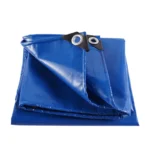
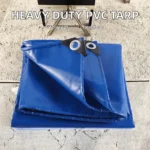
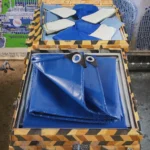
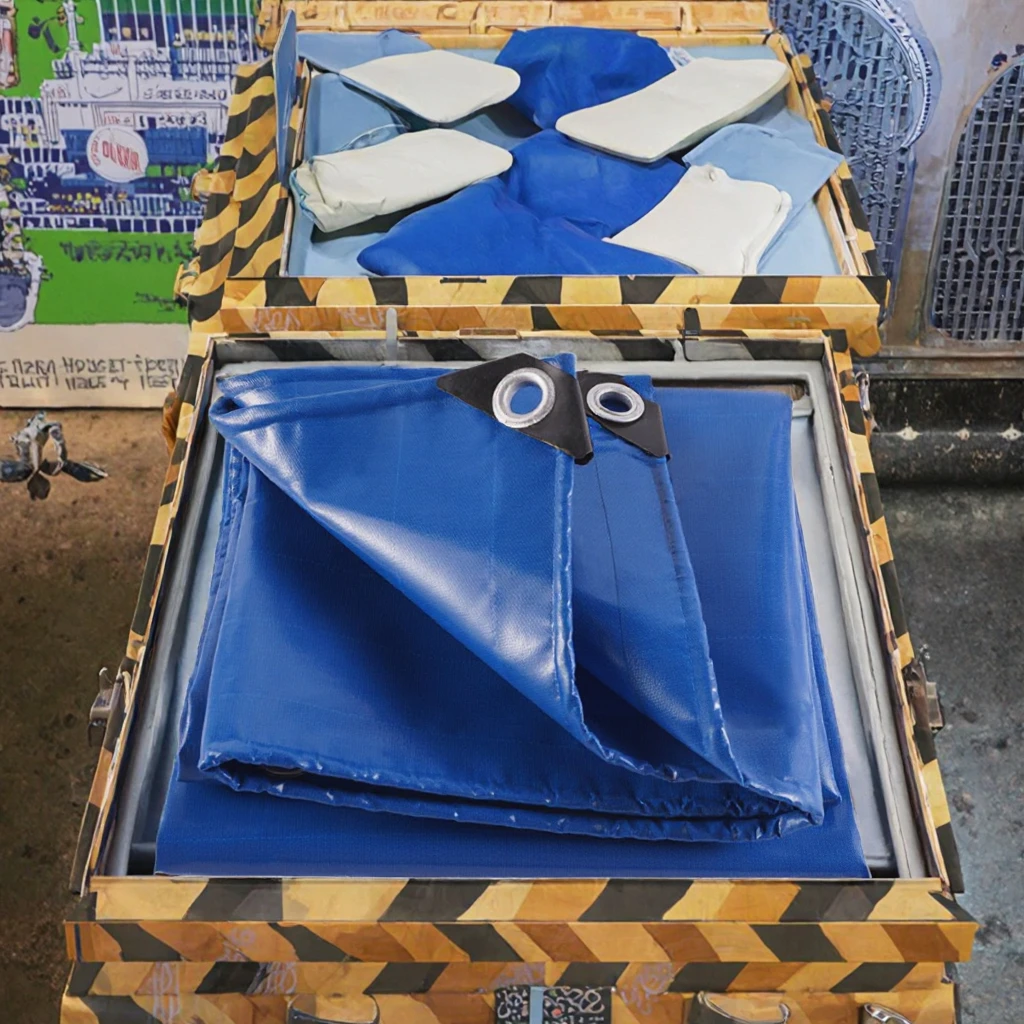
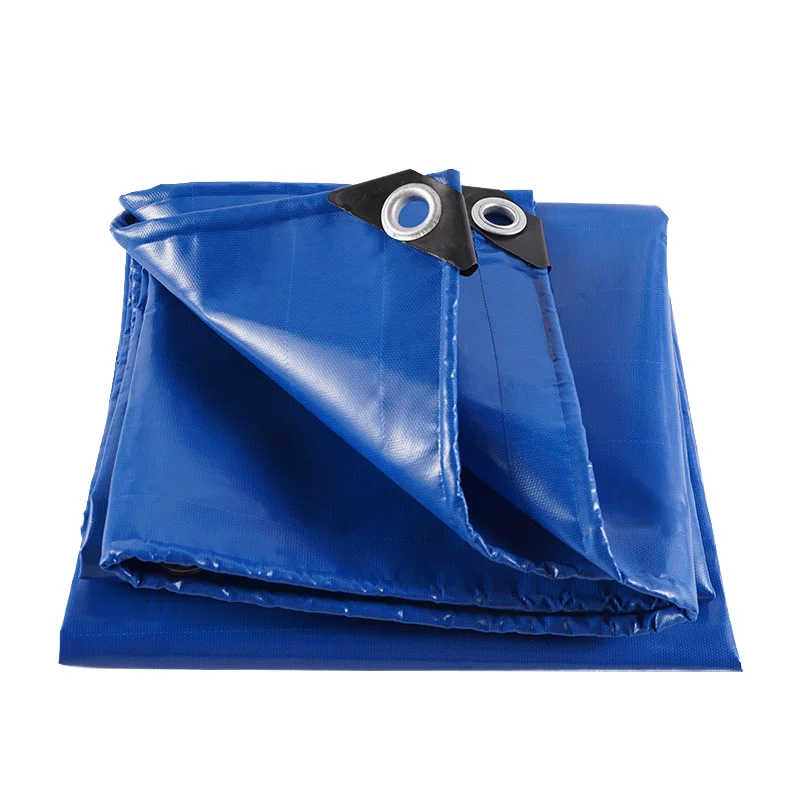
Certified Technical Fabric Supply — PVC coated polyester with fire retardant and anti-static documentation verified before dispatch, backed by ISO 14001 and ISO 45001 production controls.
Technical Specifications
| Parameter | Value |
|---|---|
| Product Type | PVC Coated Tarpaulin |
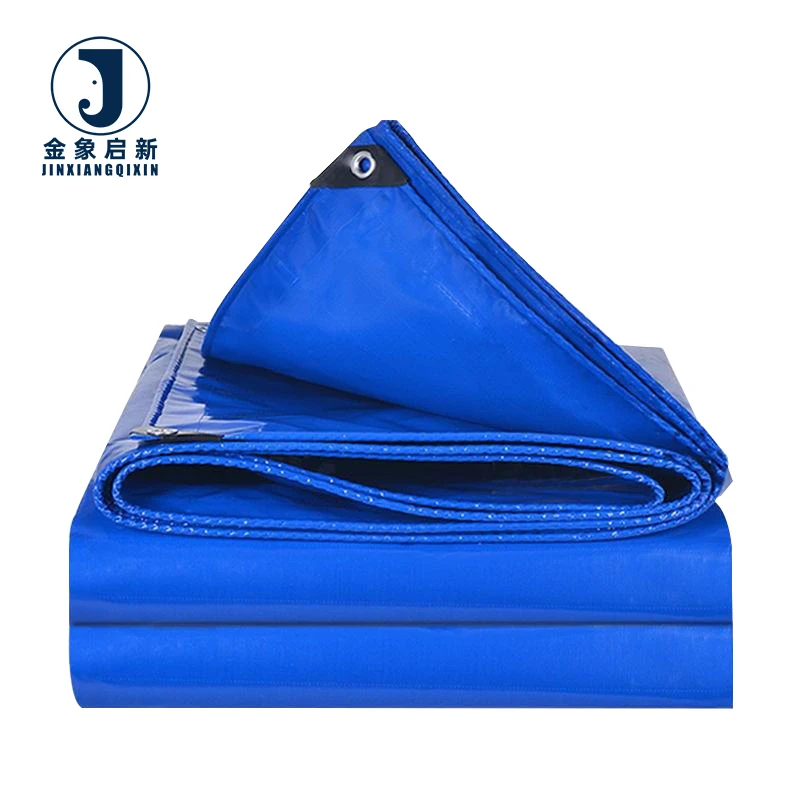
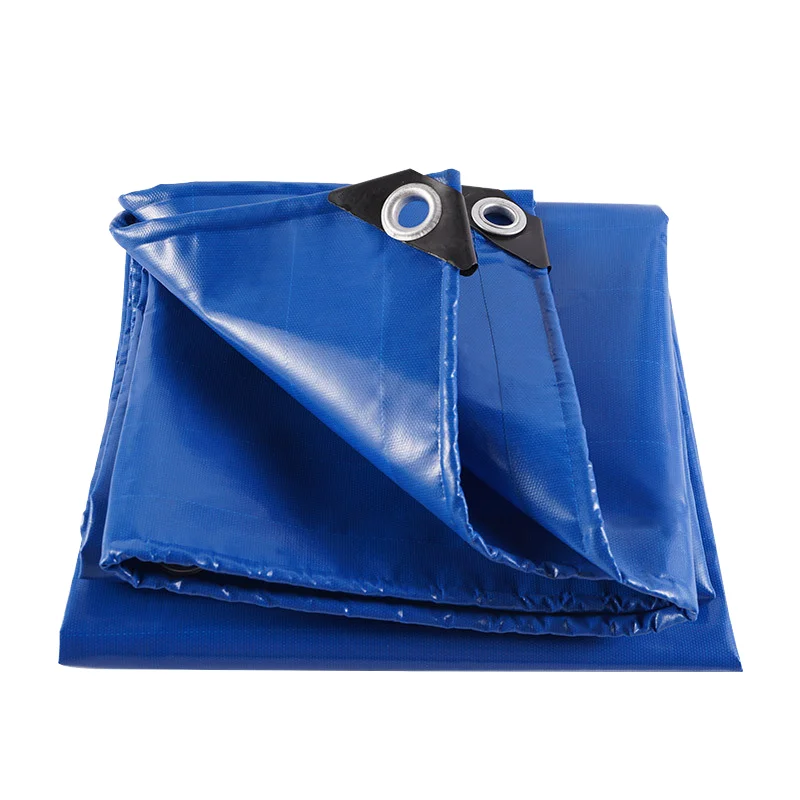
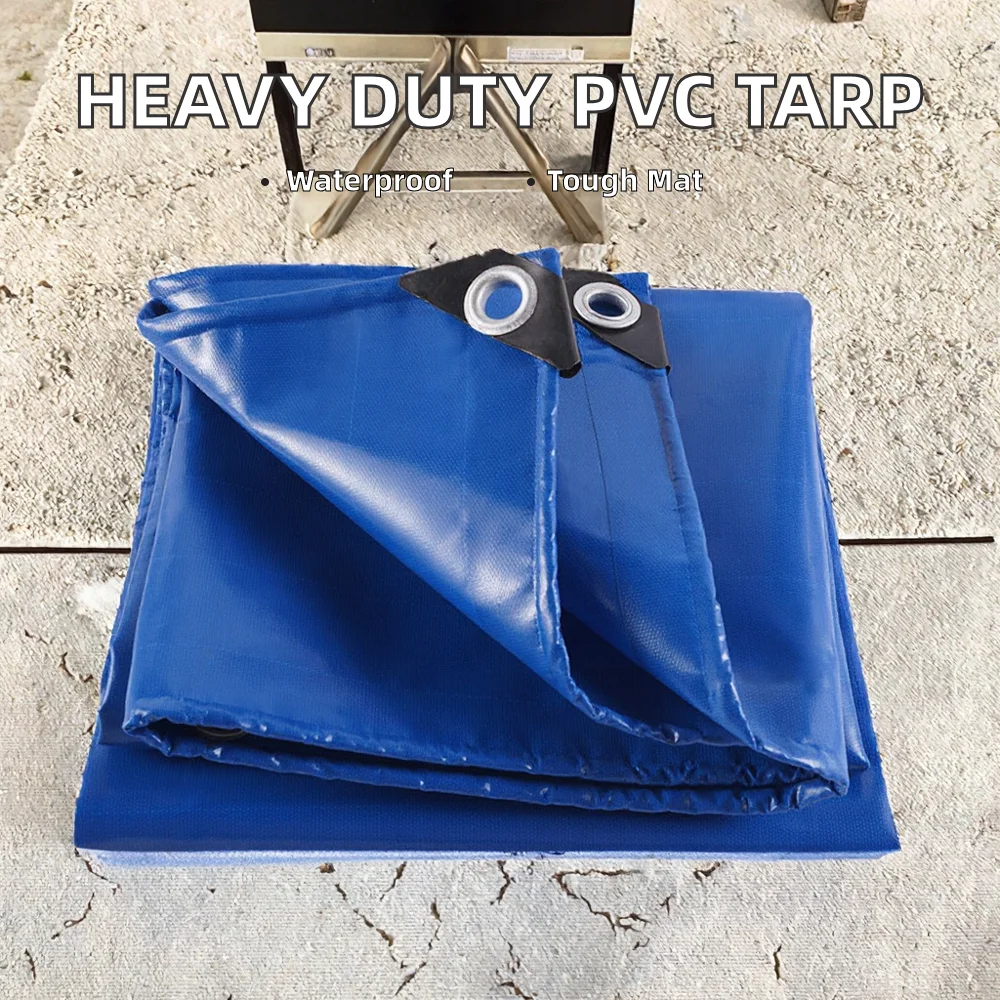
| Material | PVC + High-strength polyester mesh fabric |
| Coating Technology | Laminated technology & Hot-melt Coating technology |
| Weight (GSM) | 350gsm / 420gsm / 500gsm / 550gsm / 600gsm / 750gsm |
| Thickness | 0.32mm / 0.35mm / 0.4mm / 0.45mm / 0.5mm / 0.65mm |
| Roll Width | 2m / 2.1m |
| Roll Length | 75m / 50m |
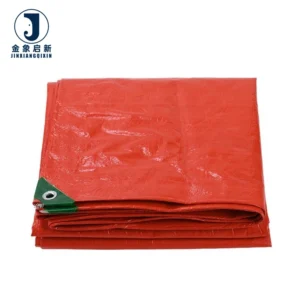
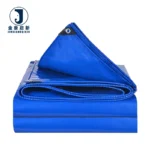
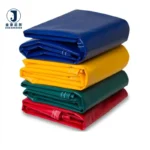
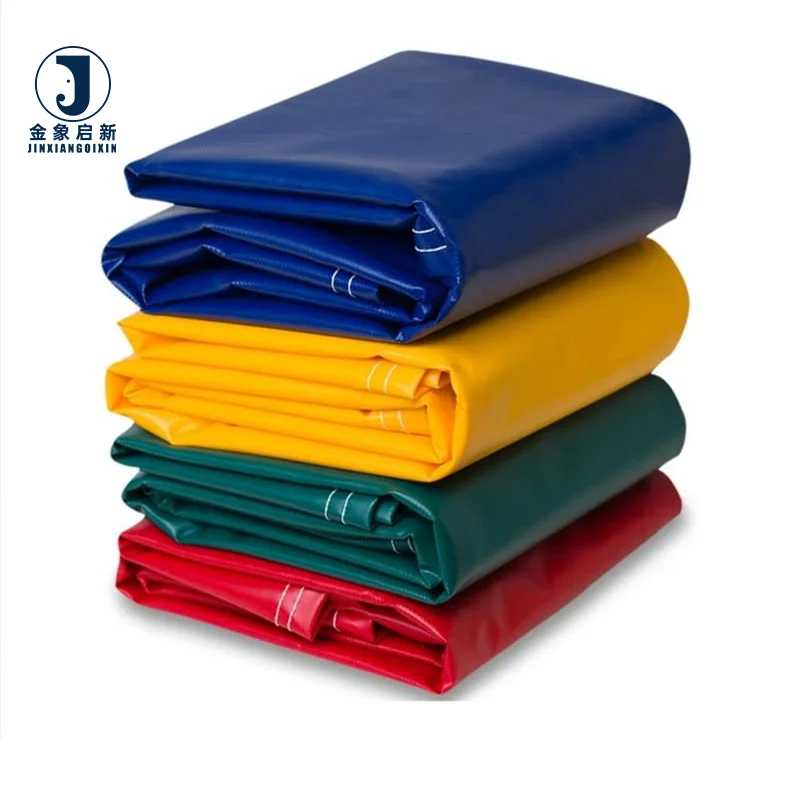
| Color | Blue / Red / Yellow / Light blue / Grey (Customized) |
| Flame Retardant | Available upon request — confirm grade required for your market |
| Anti-Static | Anti-static treatment available — confirm surface resistance per project requirement |
| UV Treatment | Anti-UV / Sunproof available — confirm test basis for your compliance standard |
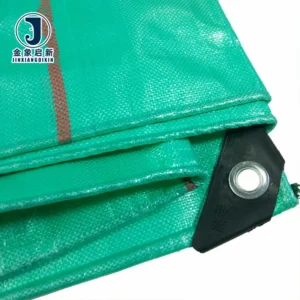
| Key Features | High tenacity polyester yarns, cold crack resistance, anti-mildew, waterproof, color fastness, outstanding tearing strength for welding |
| Service Life | 3–7 years under normal circumstances |
| Standards | ISO 14001, ISO 45001, CE, RoHS |
Application Suitability
| Application | Exposure & Requirement |
|---|---|
| Mine ventilation duct | Continuous airflow pressure, fire retardant and anti-static compliance for explosive atmospheres, welded longitudinal seams under tension |
| Tunnelling extraction duct | Abrasive particulate carry, high static pressure, mandatory fire certification for underground use, duct collapse resistance |
| Aviation ground support duct | Temporary deployment and retrieval cycles, fuel-adjacent environment requiring anti-static properties, UV exposure on tarmac |
| Membrane structure fabric | Permanent tensile load, weather exposure, fire classification per building code, heat-welded panel joins |
| Inflatable structure membrane | Repeated inflation-deflation flex, internal pressure retention, seam integrity under cyclic stress |
What Fire Retardant and Anti-Static Actually Mean Without Test Reports
A material labelled "fire retardant" without a grade is just marketing until a test report confirms compliance with the regulation governing your site.
Mining and tunnelling projects operate under strict atmospheric safety codes that specify exact fire classification and surface resistance thresholds. Yet ventilation duct fabric routinely arrives on site accompanied only by a quotation stating "flame retardant" with no reference to DIN 4102, NFPA 701, or any other recognised standard. The PVC coated tarpaulin fire retardant grade your project demands must be documented before the roll is cut, not debated during the safety audit. Anti-static claims follow the same pattern — surface resistance values must fall within the range specified by the explosive atmosphere directive applicable to your operation. [NEED_CITE: IEC 60079 explosive atmosphere classification for ventilation duct materials]
Fire Retardant Grades and What Each Covers
Fire retardant classification systems vary by region and application, and selecting the wrong one means the duct fails the site safety inspection regardless of how well the fabric itself performs. European tunnelling projects typically reference DIN 4102 B1 or EN 13501-1, while North American aviation and construction applications may require NFPA 701 or ASTM E84. The PVC coating formulation and additive package differ between these grades, which affects not only fire performance but also coating flexibility and weld behaviour. When specifying PVC coated tarpaulin fire retardant for duct or membrane use, the grade must be confirmed against the project’s governing fire code before production begins.
Anti-Static Compliance for Explosive Atmosphere Ductwork
Anti-static treatment on ventilation duct fabric prevents charge accumulation that could ignite suspended particulate or gas in mining and tunnelling environments. Surface resistance must be measured and reported against the relevant standard — typically within a defined ohm range specified by the site safety authority. The treatment is integrated during the PVC coating process and must remain effective across the full service life of the duct, including after repeated flex cycles and exposure to mine water. Without a documented surface resistance reading tied to your project’s explosive atmosphere classification, the duct cannot be legally installed underground. [NEED_CITE: surface resistance measurement standards for anti-static duct fabric in mining]
Coating Adhesion and Weld Performance in Duct Construction
Ventilation ducts are fabricated by heat-welding longitudinal and circumferential seams, and the weld is only as strong as the coating-to-fabric bond beneath it. Laminated and hot-melt coating technology used on this PVC coated polyester fabric delivers consistent PVC penetration into the mesh, producing high adhesion strength that prevents delamination at the weld line. When the duct pressurises, the seam bears the same tensile load as the body fabric — if the coating lifts from the yarn, the joint opens and airflow is lost. Hot-melt coating ensures the PVC layer bonds at the filament level rather than sitting on the surface, which is critical for ducts that undergo repeated inflation and deflation cycles in temporary ventilation installations.
How GSM, Thickness, and Base Fabric Interact in Duct Specification
GSM alone does not determine whether a coated fabric will hold pressure in a ventilation duct — the base fabric denier, weave density, and coating method all contribute to the final tensile and tear performance. A 550gsm fabric with a coarse, open-weave base may tear more easily under duct collapse loads than a 500gsm fabric with a tighter mesh and higher filament count. The coating method further affects behaviour: hot-melt coated PVC penetrates the mesh fully, adding structural rigidity and improving tear resistance at cut edges, while laminated PVC sits as a surface layer that may offer different flex characteristics. Thickness values from 0.32mm to 0.65mm correspond to the GSM range and indicate total cross-section including coating — a thicker cross-section generally provides greater puncture resistance against rock contact in tunnelling environments. [NEED_CITE: tensile and tear test methods for coated fabrics per ISO 1421] Selecting the right grade means matching duct diameter, static pressure, and deployment environment to the combined specification, not just the weight number.
The Hidden Cost of Undocumented Compliance in Ventilation Projects
When fire retardant or anti-static treatment is claimed without supporting documentation, the consequence is rarely caught at the loading dock — it surfaces during the site safety audit or after an incident. A mining operation that installs uncertified duct faces regulatory shutdown, project delays measured in weeks, and complete replacement costs for the entire duct run. Colour and batch inconsistency between rolls compounds the problem in membrane structure applications, where panels fabricated from different rolls show visible variation once installed. [NEED_CITE: fire safety audit requirements for underground ventilation installations] Weld failures caused by poor coating adhesion often appear only after the duct has been pressurised and flexed in service, making pre-shipment inspection and verified test reports essential rather than optional documentation.
Why Technical Buyers Source This Fabric Here
Three full production lines with 36 sets of professional equipment ensure that PVC coated tarpaulin fire retardant and anti-static orders are manufactured in controlled batch runs, maintaining coating consistency across every roll in a multi-roll shipment. The 10-person R&D team handles material formulation adjustments for specific fire retardant grades and anti-static thresholds, developing samples within days so you can verify weld parameters and colour before committing to production volume. Dedicated QA/QC at every production stage includes 100% pre-shipment inspection, meaning GSM, coating weight, and surface resistance readings are verified against your specification before any roll leaves the facility. Nearly 30 years of coated fabric production experience translates into deep process control over coating adhesion and uniformity — the parameters that directly determine whether your duct seams hold under pressure. Full documentation packages ship with every order, eliminating the gap between quotation claims and site-ready certification.
Documentation & Verification
- Material specification sheet stating GSM, base fabric denier, coating weight, and coating method for each roll
- Fire retardant test report with specific grade matched to your project’s governing fire code
- Anti-static surface resistance measurement report aligned to your explosive atmosphere classification
- Pre-shipment inspection record confirming weight, thickness, and colour against the agreed specification
- ISO 14001 and ISO 45001 certificates confirming environmental and occupational safety management in production
- CE and RoHS documentation for regulatory compliance in applicable markets
Fabrication, Handling & Storage
- Hot-melt coated rolls require weld temperature and dwell time calibration per GSM grade before duct seam production
- Cold crack resistant PVC remains flexible during low-temperature transport and deployment, but avoid sharp folding at crease points
- Store rolls upright on pallets in covered areas to prevent compression marks on the 2m or 2.1m wide coated surface
- Anti-static treated surfaces should not be cleaned with solvent-based agents that may strip the conductive layer
- Cut edges on high-tenacity polyester mesh should be heat-sealed immediately to prevent yarn fraying before welding
- Custom width rolls reduce longitudinal weld count in large-diameter duct fabrication, improving airflow efficiency
What to Include in Your Technical Enquiry
Specify the duct diameter, static pressure range, and whether the installation is permanent or temporary so the correct GSM and thickness grade can be recommended. Confirm the fire retardant classification and anti-static surface resistance required by your site’s governing safety authority, including the specific standard reference. Indicate whether you need rolls in standard widths or custom cut panels with welded hems, and provide your target colour reference or RAL number for batch-matched production.
Frequently Asked Questions
Q: Which fire retardant grade is required for mining ventilation duct in my market?
A: Fire retardant requirements vary by jurisdiction and mine safety authority. European underground operations commonly reference DIN 4102 B1, while other regions may mandate NFPA 701 or local equivalents. Provide your site’s governing regulation in your enquiry so the correct grade can be formulated, tested, and documented before production begins.
Q: How is anti-static surface resistance verified before shipment?
A: Surface resistance is measured on the coated fabric using the method specified by your project’s explosive atmosphere classification. A measurement report is included in the documentation package, showing values within the required ohm range. Confirm your target resistance range during the specification stage.
Q: Can I receive a sample to test weld parameters before ordering full production?
A: Sample rolls are developed within days for custom requirements including specific GSM grades, fire retardant formulations, and anti-static treatments. Use the sample to calibrate heat-weld temperature and dwell time for your duct fabrication equipment before committing to the production order.
Q: How are roll widths selected for ventilation duct fabrication efficiency?
A: Standard roll widths are 2m and 2.1m, with custom widths available to reduce the number of longitudinal welds in large-diameter duct construction. Fewer welds mean fewer potential failure points under pressurisation and improved airflow efficiency through the finished duct run.
Q: What documentation ships with a fire retardant and anti-static duct fabric order?
A: Every order includes a material specification sheet, fire retardant test report matched to your specified grade, anti-static surface resistance measurement, pre-shipment inspection record, and relevant ISO and CE certificates. All documents reference the specific batch and roll numbers in your shipment.