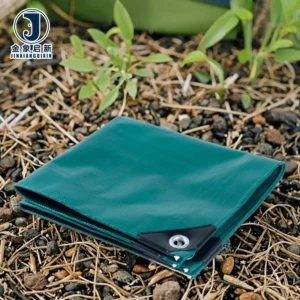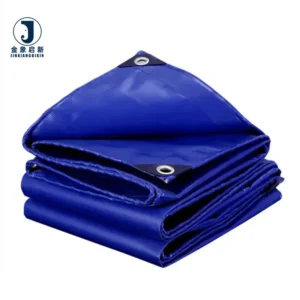

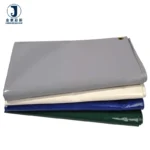
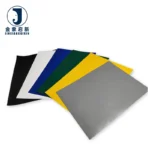
Consistent Coating Weight — Every roll of PVC knife-coated fabric undergoes in-process coating weight verification, ensuring the stated GSM and adhesion performance holds from the first metre to the last.
Technical Specifications
| Parameter | Value |
|---|---|
| Product Type | PVC Knife-Coated Fabric |
| Material Composition | PVC coating on high-strength polyester mesh fabric |
| Coating Method | Laminated technology & Hot-melt coating technology |
| Weight (GSM) | 350gsm / 420gsm / 500gsm / 550gsm / 600gsm / 750gsm (confirm grade for your application) |
| Total Thickness | 0.32mm / 0.35mm / 0.4mm / 0.45mm / 0.5mm / 0.65mm |
| Roll Size | 2m × 75m / 2.1m × 50m |
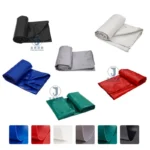
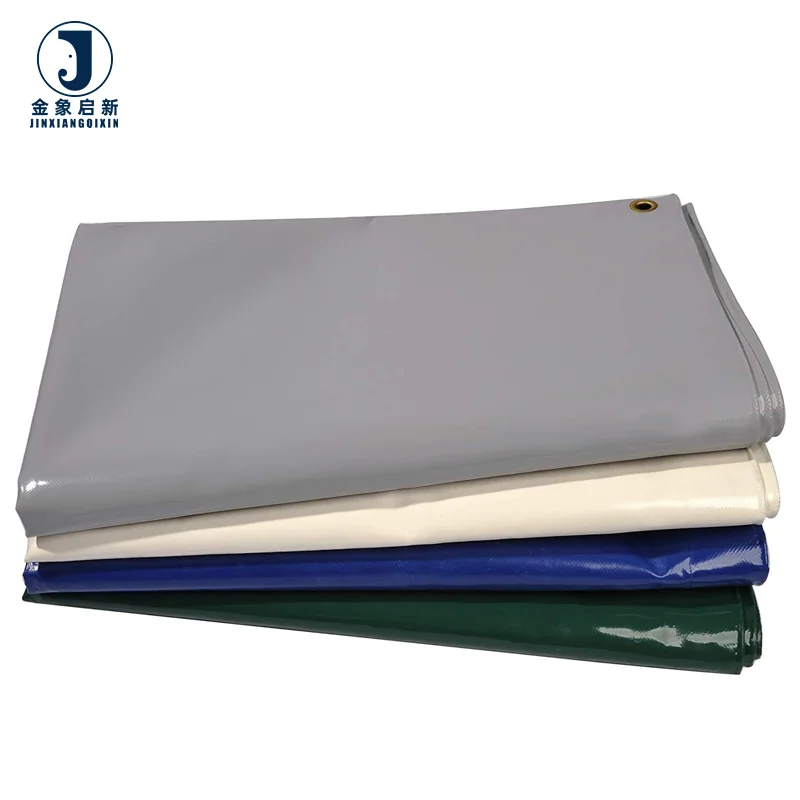
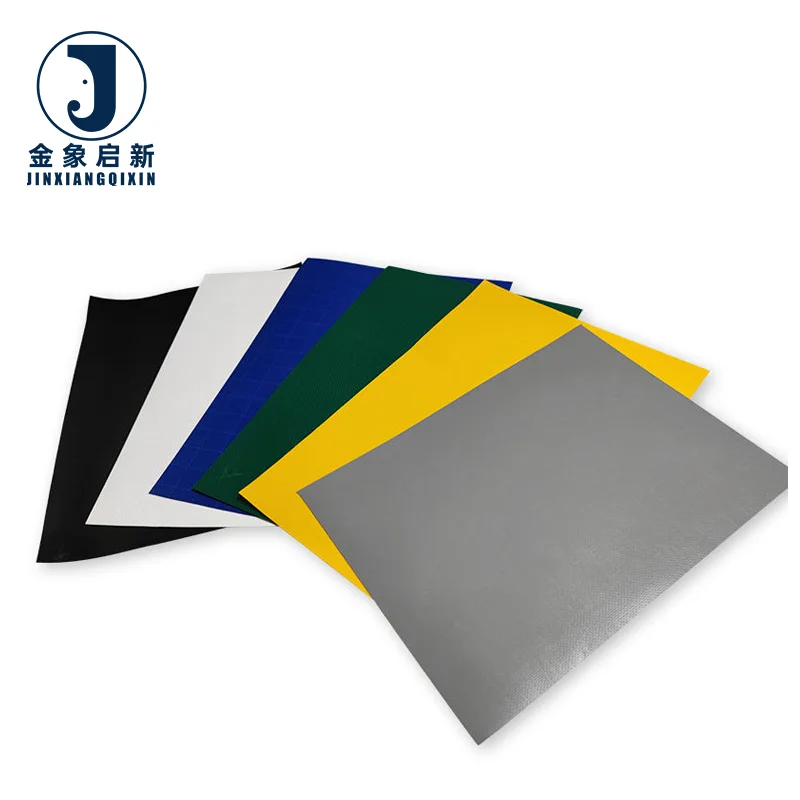
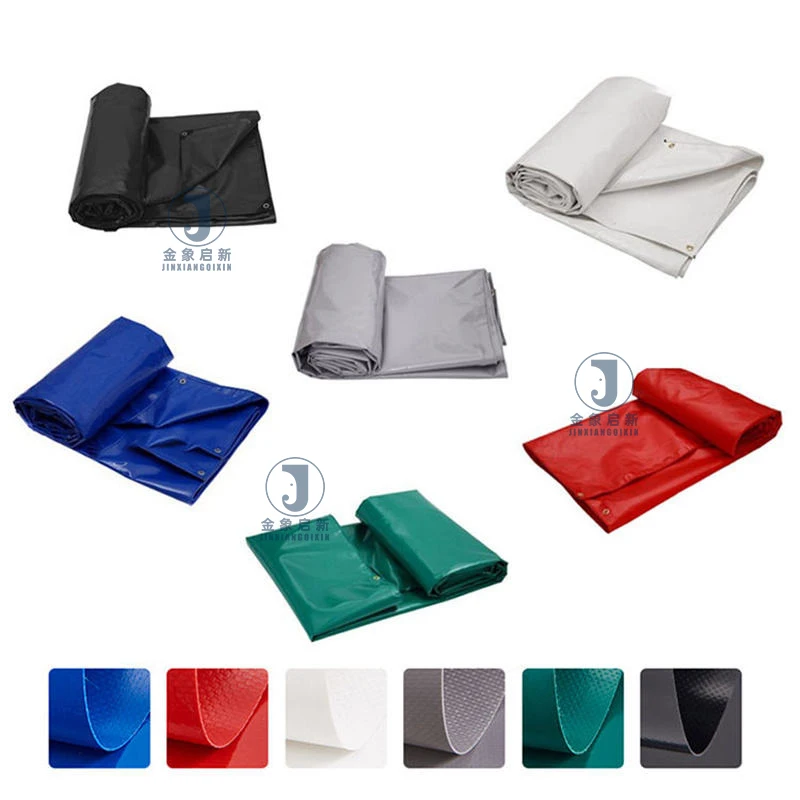
| Available Colours | Blue / Red / Yellow / Light Blue / Grey (custom colours on request) |
| Operating Temperature | -70°C to +100°C |
| Cold Crack Resistance | Rated to -70°C |
| Flame Retardant | Available in flame retardant grades — confirm the grade required for your market |
| Anti-Static | Available with anti-static treatment — confirm surface resistance specification for your site |
| Key Features | Waterproof, anti-mildew, cold crack resistant, high tenacity, good flexibility and adhesion strength, outstanding tearing strength for welding |
Application Suitability
| Application | Exposure & Requirement |
|---|---|
| Mining ventilation ducts | Continuous airflow pressure, underground fire safety mandates, mechanical abrasion from tunnel walls |
| Tunnelling air circulation systems | Confined-space combustion risk, high humidity, duct flex under positive or negative pressure |
| Aviation ground support structures | Fuel-proximate environments requiring anti-static compliance, rapid deployment and teardown cycles |
| Temporary industrial enclosures | Wind loading, dust containment, weather exposure during plant shutdowns and maintenance |
| Membrane and inflatable structures | Tensile stress under inflation pressure, UV and weather exposure, weld integrity at curved seams |
Why Fire-Retardant and Anti-Static Certification Matters for Ventilation Fabric
A PVC coated tarpaulin fire retardant anti-static certified specification is meaningless if the test report does not travel with the roll. Too many ventilation duct fabrics arrive on site with nothing more than a data sheet claiming compliance, leaving the safety officer unable to sign off before the duct goes live. Compliance documentation must match the material delivered, roll by roll, not just the sample approved weeks earlier.
When a mine safety inspector or aviation site auditor asks for proof of flame retardant grade or anti-static surface resistance, a verbal assurance from the supplier carries no weight underground or on the tarmac. The gap between what was specified at inquiry and what the paperwork actually shows at delivery is where project delays begin. [NEED_CITE: fire safety compliance requirements for underground ventilation ducts]
Coating Adhesion and Weld Integrity for Duct Fabrication
Hot-melt coating technology bonds the PVC layer into the polyester mesh rather than sitting on top of it, which directly affects how the fabric behaves when heat-welded into duct sections. Strong adhesion between coating and base fabric means the weld line fails at a higher load than the surrounding material, reducing the chance of a seam splitting under continuous duct pressure. For mining and tunnelling ventilation systems where the duct runs hundreds of metres under positive pressure, this weld reliability is the difference between a system that holds and one that leaks at every joint.
Cold Crack Resistance Across Extreme Operating Environments
The -70°C to +100°C operating range means this PVC knife-coated fabric remains flexible in arctic mining sites and stable near heat sources in industrial plants. Cold crack resistance at the lower end of this range prevents the coating from becoming brittle and fracturing when the duct is handled or inflated in sub-zero conditions. This matters for operations in northern latitudes or high-altitude tunnelling projects where winter temperatures drop well below what standard PVC compounds can tolerate without cracking. [NEED_CITE: cold crack test methods for PVC coated fabrics]
Decoding GSM, Coating Method and Base Fabric Density
GSM alone tells you how much a square metre weighs, but not how that weight is distributed between the polyester base fabric and the PVC coating. A 550gsm fabric with a heavier base mesh and lighter coating will tear differently than one at the same weight with a thick coating over a lighter mesh. The laminated and hot-melt coating methods also behave differently: hot-melt forces PVC into the weave structure, improving peel strength and weld consistency, while lamination can offer a smoother surface finish. Thickness values from 0.32mm to 0.65mm correspond roughly to the GSM grades and affect how the fabric handles during fabrication — lighter gauges fold and roll more easily for transport, while heavier gauges resist puncture and abrasion in exposed duct runs. The high-tenacity polyester yarns provide the structural backbone; the PVC coating delivers waterproofing and chemical resistance. Selecting the right combination depends on whether the priority is duct rigidity, ease of handling on site, or resistance to specific abrasion or chemical exposure conditions.
The Hidden Cost of Specifying Fabric Without Verifying Certification
Ordering flame retardant fabric without confirming the specific grade means you may receive material that passes one test standard but fails the one your site actually requires. An aviation maintenance hangar demanding anti-static compliance will not accept a duct fabric that only carries a general flame retardant claim. Similarly, a mining ventilation specification calling for a particular fire classification cannot be met with a generic certificate covering a different product family. These mismatches are typically discovered during the site safety audit, after the duct has been fabricated and installed, making rectification far more costly than getting the documentation right before production begins. [NEED_CITE: ventilation duct compliance failures in regulated mining environments]
Why Source Ventilation Fabric Through This Production Line
Deep process control over coating weight and adhesion is maintained across three full production lines and 36 sets of professional equipment, allowing bulk volumes of PVC knife-coated fabric to be produced with consistent GSM and coating thickness roll to roll. A 10-person R&D team handles material selection and custom formulation, supporting fire retardant and anti-static treatment specifications matched to your site requirements. Dedicated QA and QC inspection at every production stage, with 100% pre-shipment inspection, means certification documentation is verified against the actual rolls before dispatch. Samples for custom specifications are developed within days, shortening the approval cycle for projects with tight mobilisation timelines.
Documentation & Verification
- Material specification sheet stating exact GSM, base fabric construction and coating weight per roll
- Test reports for flame retardant grade and anti-static surface resistance matched to the dispatched batch
- Pre-shipment inspection record confirming certification compliance before the rolls leave the facility
- Certificate of origin and customs documentation prepared for international project site delivery
- Roll packing list cross-referenced to test reports for traceability during site safety audits
Fabrication, Handling & Storage
- Heat-weld seams at temperatures matched to the coating method — hot-melt coated grades tolerate higher weld energy without delamination
- Store rolls upright on pallets to prevent flat-spot deformation on the PVC coating surface
- Allow cold-stored rolls to acclimatise before unrolling to avoid coating stress at low temperatures
- Cut patterns with allowance for weld overlap to maintain duct diameter accuracy at every joint
- Use compatible PVC-based repair patches for field repairs to maintain coating continuity on the duct surface
What We Need to Prepare Your Quotation
To specify the correct PVC knife-coated fabric for your ventilation or technical application, share the duct diameter, total run length and operating pressure so we can recommend the appropriate GSM and thickness. Confirm the fire safety classification and anti-static standard your site mandates, along with the governing authority or standard body. Let us know whether you need rolls in standard widths or custom dimensions, and whether fabricated duct sections or raw fabric is required for your installation contractor.
Frequently Asked Questions
Q: What fire retardant grades are available and which standards do they meet?
A: The fabric can be produced with flame retardant treatment to various grades depending on your market and site requirements. We need to know the specific standard your project calls for — such as M2, B1, or NFPA 701 — so we can formulate the coating accordingly and provide the matching test report with your shipment.
Q: How is anti-static performance measured and certified?
A: Anti-static performance is measured by surface resistance values, which vary depending on the treatment applied. Tell us the surface resistance range your site specification requires, and we will supply test documentation showing the measured values for the batch you receive.
Q: Can the fabric be heat-welded without affecting flame retardant properties?
A: Hot-melt coated PVC knife-coated fabric is designed for heat welding during duct fabrication. The flame retardant treatment is integrated into the coating compound, so properly executed welds maintain the fire performance of the base material. We recommend confirming weld parameters with our technical team before production.
Q: What documentation proves compliance for site safety audits?
A: Each shipment includes the material specification sheet, batch-matched test reports for flame retardant and anti-static properties, a pre-shipment inspection record, and certificate of origin. These documents are cross-referenced to the roll numbers in your order for full traceability during audits.
Q: How do you ensure batch-to-batch consistency in treatment across large orders?
A: Our QA process verifies coating weight and treatment levels at each production stage. Pre-shipment inspection covers every roll, and test reports reflect the actual batch produced, not a generic certificate from an earlier production run.