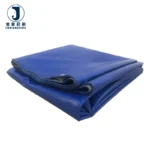
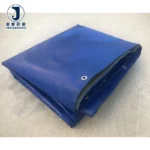
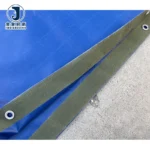
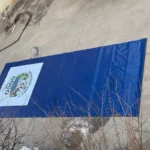
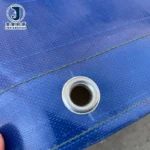
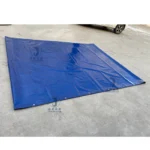
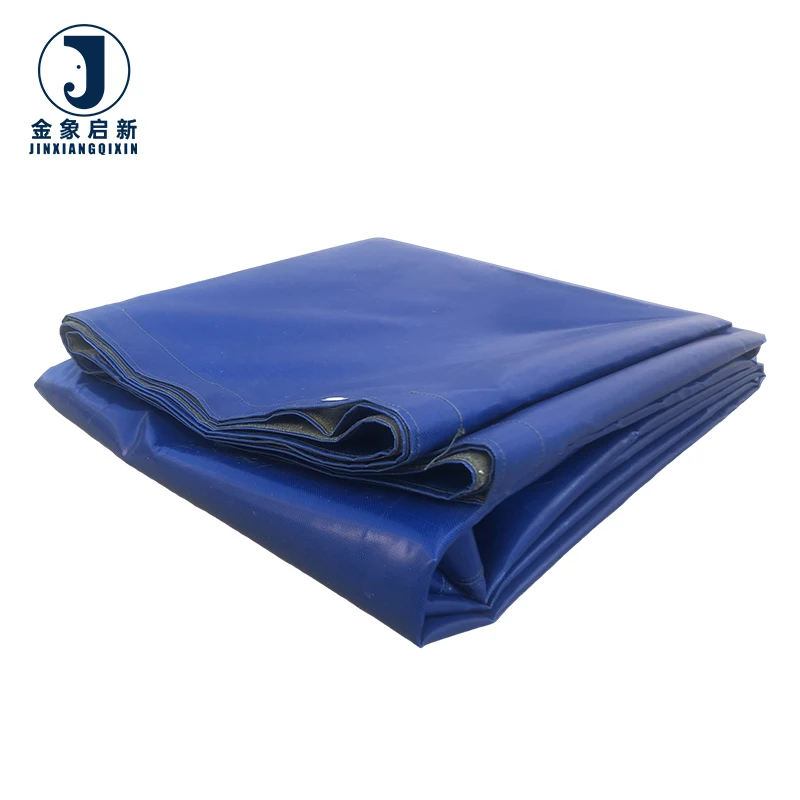
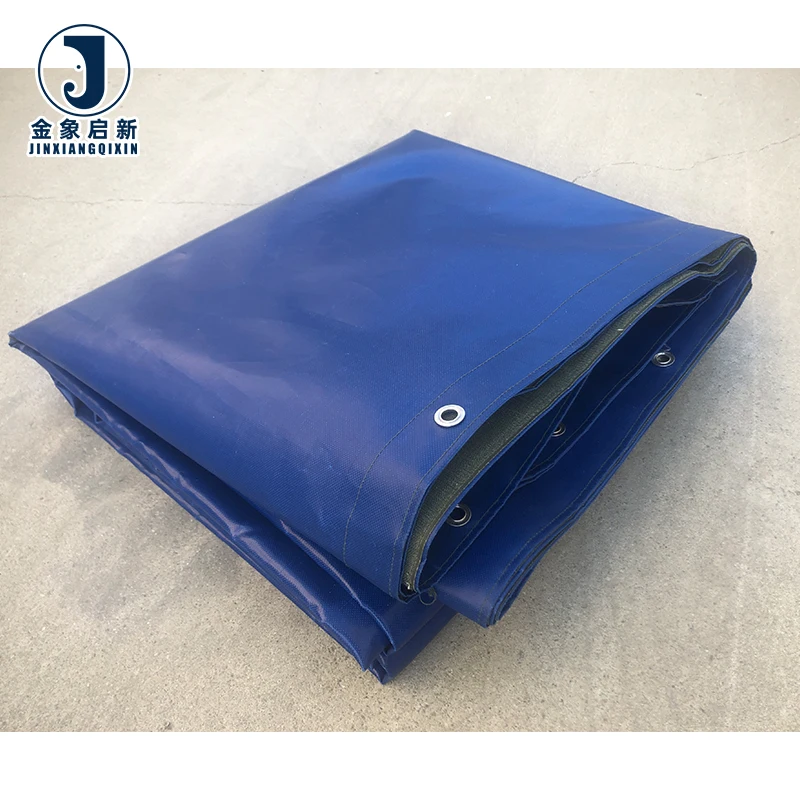
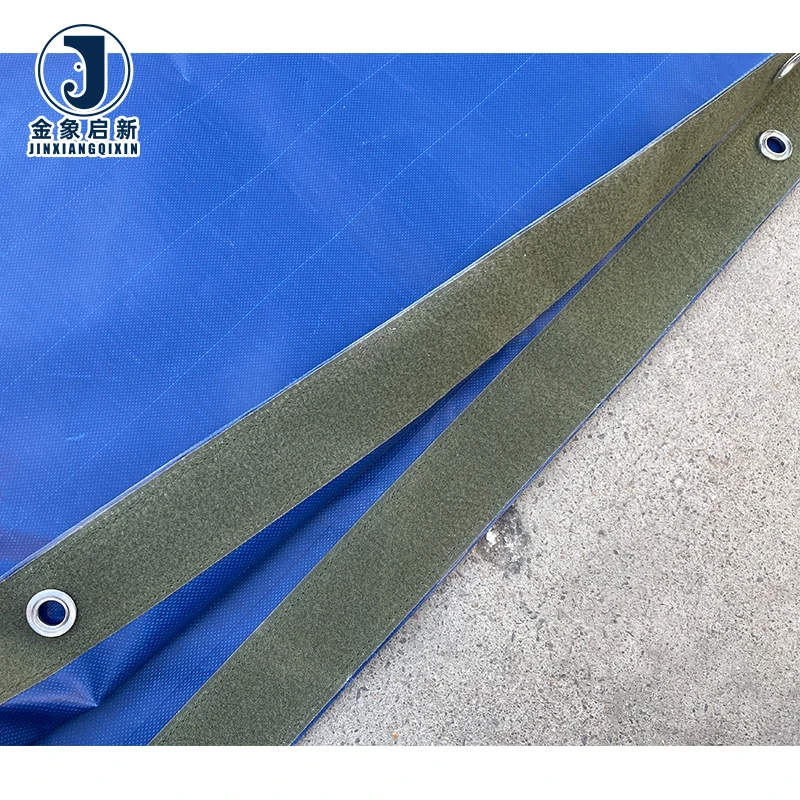
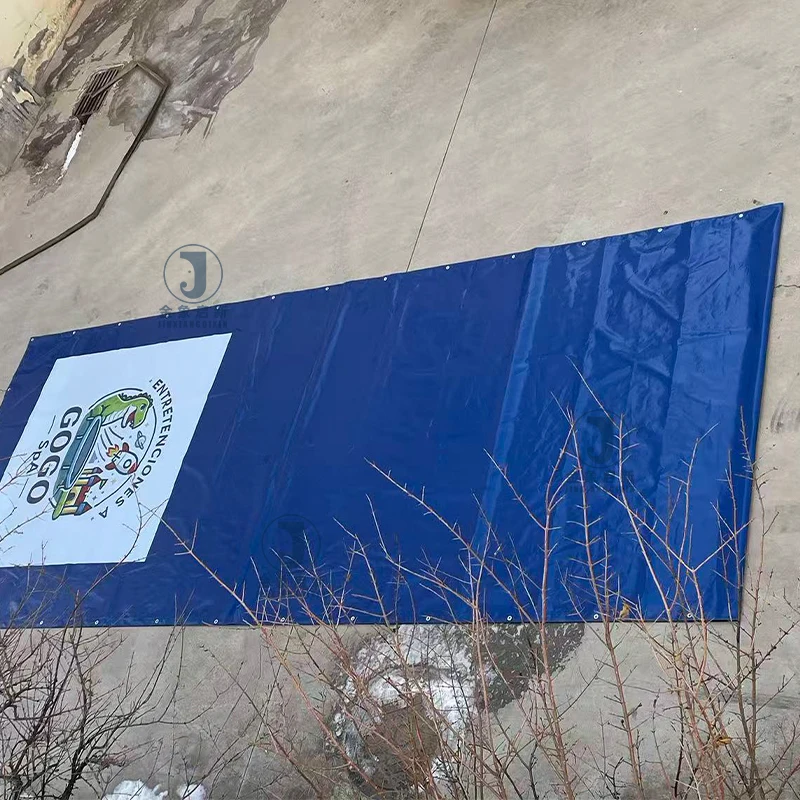
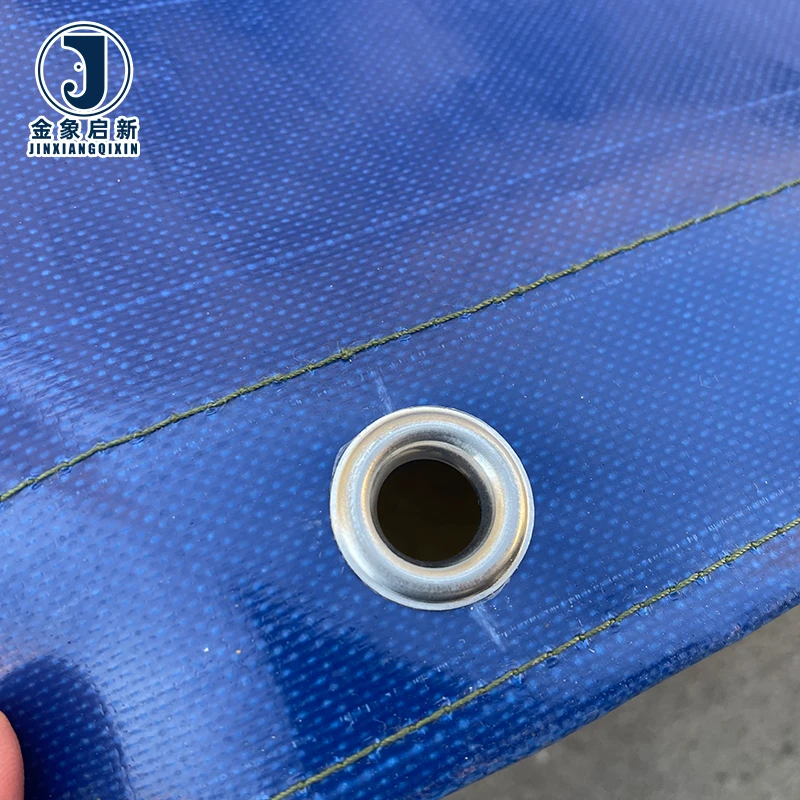
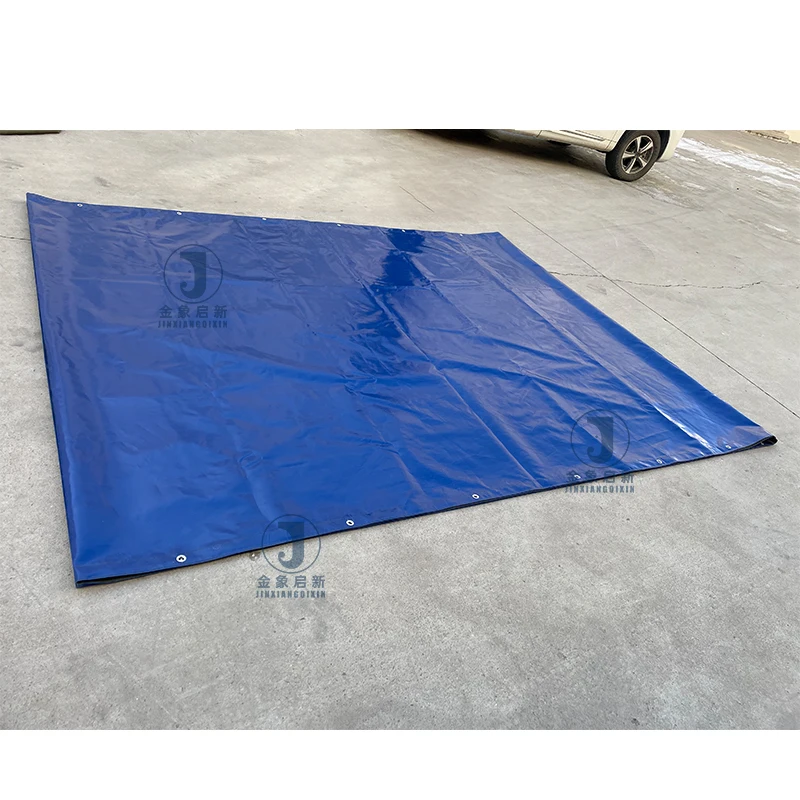
Coating adhesion mastery — Nearly 30 years of focused coating process control ensures consistent lamination bonding between the 1000D base fabric and PVC layers, critical for technical fabricators who cannot afford delamination under thermal stress.
Technical Specifications
| Parameter | Value |
|---|---|
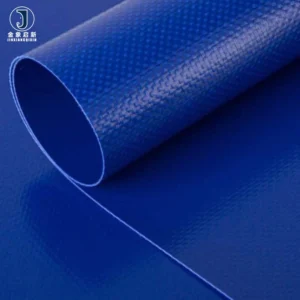
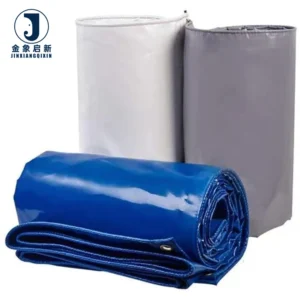
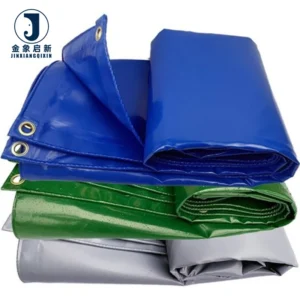
| Product Type | PVC Coated Tarpaulin Roll |
| Weight | 500gsm |
| Base Fabric Denier | 1000D |
| Coating Method | Laminated |
| Coating Material | PVC |
| Waterproof Rating | Anti-permeable ≥20KPa |
| Flame Retardant Grade | ≤10 seconds (grade not stated — confirm standard required for your market) |
| Low-Temperature Flexibility | Not fractured at -30℃ (test basis not stated) |
| Anti-Mildew | Stated (test basis not stated) |
| Anticorrosion | Acid, alkali, brine corrosion resistance (test basis not stated) |
| Heat Seaming | High-frequency heat combined, water tight, will not crack |
| Water Absorption | Almost none, dries quickly |
Application Suitability
| Application | Exposure & Requirement |
|---|---|
| Tent and awning fabric | Sustained UV exposure, wind loading, frequent assembly and teardown flex cycles |
| Truck and shipping covers | Road abrasion, constant vibration, tie-down point stress, weather exposure during transit |
| Boat and carport covers | Permanent outdoor moisture contact, salt spray in marine environments, thermal cycling |
| Roof and large outdoor camping tarps | Prolonged weathering, standing water resistance, puncture risk from debris |
Why Claimed Flame Retardancy Fails at Inspection Without a Test Certificate
A stated burn time means nothing unless it references the standard your local authority enforces.
Technical buyers specifying PVC coated tarpaulin 500gsm laminated for tent structures, public event shelters or transport applications regularly discover that a supplier’s "flame retardant" claim rests on an in-house burn test rather than a recognised classification. [NEED_CITE: DIN 4102 fire classification for building materials] When the site inspector asks for documentation aligned with the jurisdiction’s fire code, the conversation stalls. Fabricators who specified material based on a quoted burn-time figure, without confirming whether it maps to DIN 4102 B1, NFPA 701, or M2, face rejected installations and replacement costs. Available in flame retardant grades — confirm the grade required for your market and request the corresponding third-party test report before committing to a production run.
Lamination Bonding and Its Effect on Fabricator Workflow
The laminated coating method bonds PVC films to the 1000D base fabric under heat and pressure, creating a uniform coating layer on each side. For fabricators running high-frequency welding equipment, this bonding consistency directly affects weld parameters — uneven adhesion causes blistering at the seam. PVC coated tarpaulin 500gsm laminated stock with reliable lamination quality allows operators to set welding temperature and dwell time once, then hold those settings across the roll.
Thermal Seaming Behaviour at Flex Points
High-frequency heat seaming produces water-tight welds that resist cracking where the load flexes most. This matters for truck side curtains and awning panels that undergo thousands of fold cycles. Stitched seams leave needle holes that channel water; heat-welded joints fuse the coating layers into a continuous membrane. [NEED_CITE: tensile and tear test methods for coated fabrics per ISO 1421] The seam integrity must match or exceed the base fabric strength, otherwise the joint becomes the failure origin.
Reading the Specification Sheet Beyond GSM Alone
Weight at 500gsm tells you how much coating and base fabric exist per square metre, but the 1000D denier indicates yarn thickness in the woven scrim. A heavier GSM achieved by overloading coating on a light base fabric delivers stiffness without proportional tear resistance. Conversely, a well-constructed 1000D scrim with balanced PVC lamination distributes tensile load across the yarn matrix, yielding tear performance that a GSM figure alone cannot predict. The anti-permeable ≥20KPa waterproof rating reflects the coating’s ability to resist hydrostatic pressure — relevant for applications where standing water loads the fabric for hours. Low-temperature flexibility down to -30℃ (test basis not stated) suggests the plasticiser formulation resists embrittlement in cold climates, but buyers operating in sustained sub-zero environments should request the specific test protocol.
What Happens When Roll-to-Roll Consistency Is Missing
Buyers who have received multi-roll shipments know the frustration of visible colour variation once panels are installed side by side. [NEED_CITE: batch colour consistency standards for coated technical textiles] Beyond aesthetics, inconsistent coating weight between rolls means weld parameters that worked on roll one produce weak seams on roll two. Laminated PVC construction demands tight control of film thickness and bonding temperature — any drift shows up as variable peel strength, surface gloss differences, or dimensional instability during fabrication.
Sourcing Coated Fabric With Process Accountability
Deep process control over coating weight and adhesion comes from nearly 30 years focused exclusively on coated fabric production. Three full production lines and 36 sets of professional equipment support bulk roll output without sacrificing lamination consistency. A 10-person R&D team handles material selection and sample development, enabling fabricators to evaluate weld behaviour and drape before committing to volume orders. Dedicated QA/QC at every production stage with 100% inspection before shipment catches GSM deviation and surface defects that would otherwise surface at the customer’s cutting table.
Documentation & Verification
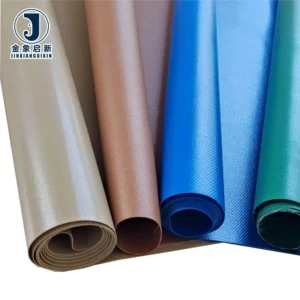
- Material specification sheet stating 500gsm, 1000D base fabric, laminated PVC coating method and colour reference
- Flame retardant test report referencing the specific standard applicable to your market jurisdiction
- Pre-shipment inspection record with verified GSM measurement per roll against quoted 500gsm
- ISO and CE certificates confirming quality management system compliance
- Roll packing list with individual roll dimensions, weight and batch traceability
Fabrication, Handling & Storage
- Set high-frequency welder to medium temperature for 500gsm laminated PVC — adjust dwell time based on test welds before production runs
- Store rolls upright on end caps to prevent flat-spot deformation of the 1000D base fabric structure
- Allow laminated rolls to acclimatise to workshop temperature before unrolling to avoid condensation between layers
- Use PVC-compatible solvent cleaners on glossy or matte surfaces — avoid ketone-based products that attack the coating
- Plan cut layouts to maximise yield from roll width, accounting for weld seam allowance on panel joins
What We Need to Quote Accurately
Provide your end-use application and the environmental conditions the fabric will face — sustained sun, chemical exposure, or cold-climate installation. Specify the fire classification your local authority requires so we can supply the matching test documentation. Indicate required roll width, colour and whether you need sample cuts to validate weld parameters on your equipment before placing the full order.
Frequently Asked Questions
Q: How is the 500gsm weight verified on delivery and what tolerance applies?
A: Every roll undergoes GSM measurement during pre-shipment inspection. We record actual weight per roll on the inspection report. Buyers should cross-check with a scale and sample cutter on receipt. Request the inspection record with your shipment to confirm the delivered material matches the quoted 500gsm specification within stated tolerance bands.
Q: The source states ≤10 seconds flame retardant — which standard must I request for my market?
A: Different jurisdictions enforce different classifications. European construction typically requires DIN 4102 B1, the US market often references NFPA 701, and France uses the M2 grade. Tell us your target market and application context, and we will supply the corresponding third-party test report or confirm which grades are available for this laminated construction.
Q: High-frequency welding versus stitching — which method suits 500gsm laminated PVC?
A: High-frequency heat seaming fuses the PVC coating layers into a continuous water-tight joint that resists cracking at flex points. Stitching leaves needle perforations that compromise waterproofing. For truck covers, tent panels and awning fabricators, heat welding delivers superior seam integrity on this 500gsm laminated material. We can supply sample cuts so you can validate weld settings on your equipment.
Q: UV treatment is not explicitly stated — how do I request a test basis?
A: If your application involves sustained outdoor exposure, specify that UV-stabilised coating is required when requesting your quotation. We will confirm whether the formulation includes UV inhibitors and provide the relevant test data. Outdoor structure builders and awning fabricators should always request this documentation before finalising material selection.
Q: What roll width and length options are available for container loading efficiency?
A: Roll width and length can be customised to your fabrication needs and container loading plan. Wider rolls reduce the number of weld seams in large panels but require handling equipment rated for the roll weight. Share your panel dimensions and container type so we can recommend roll specifications that minimise waste and optimise shipping cost per square metre.