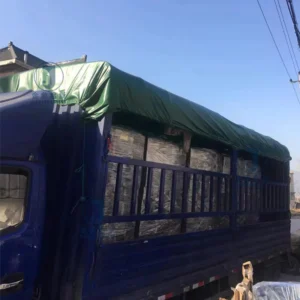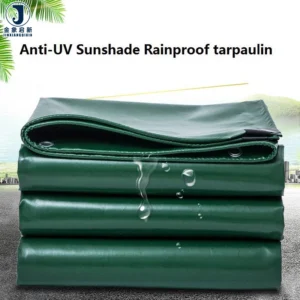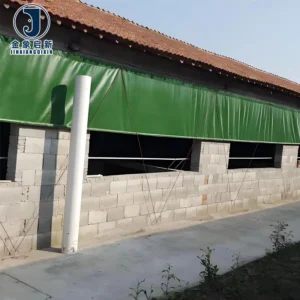
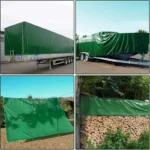
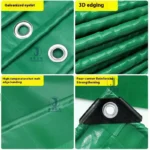

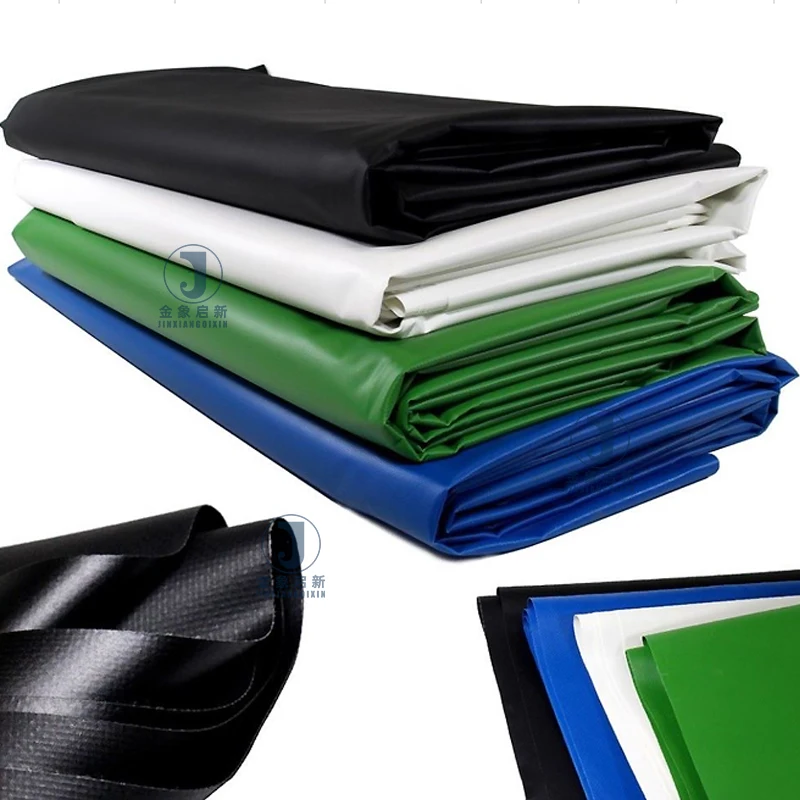
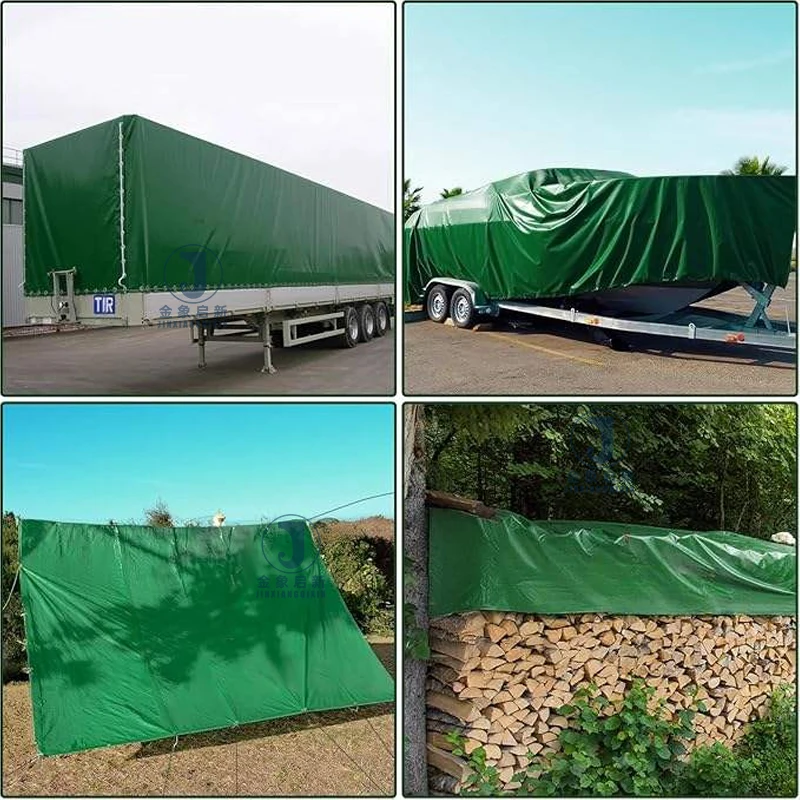
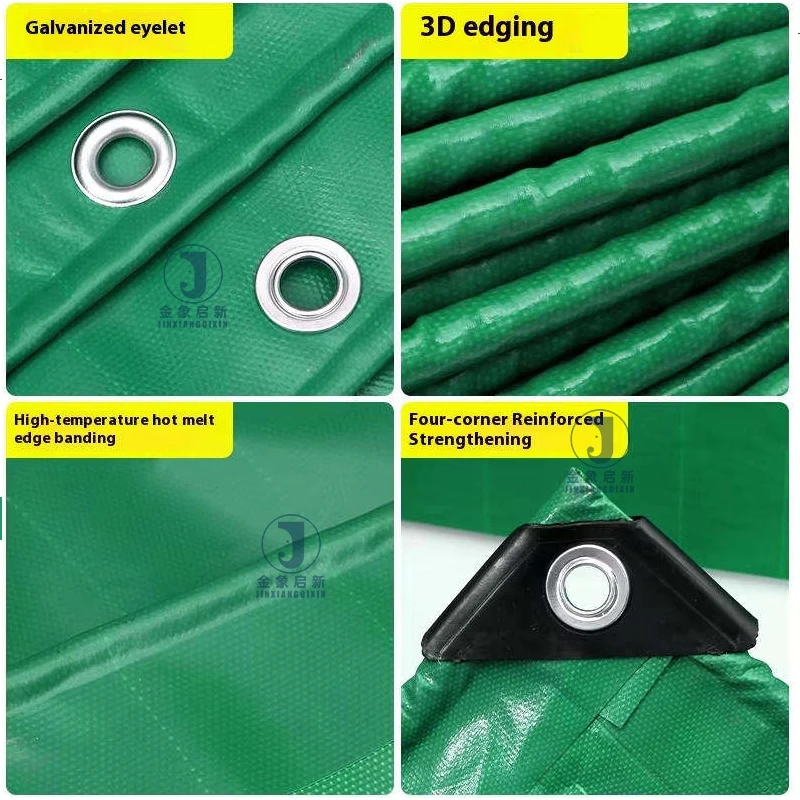
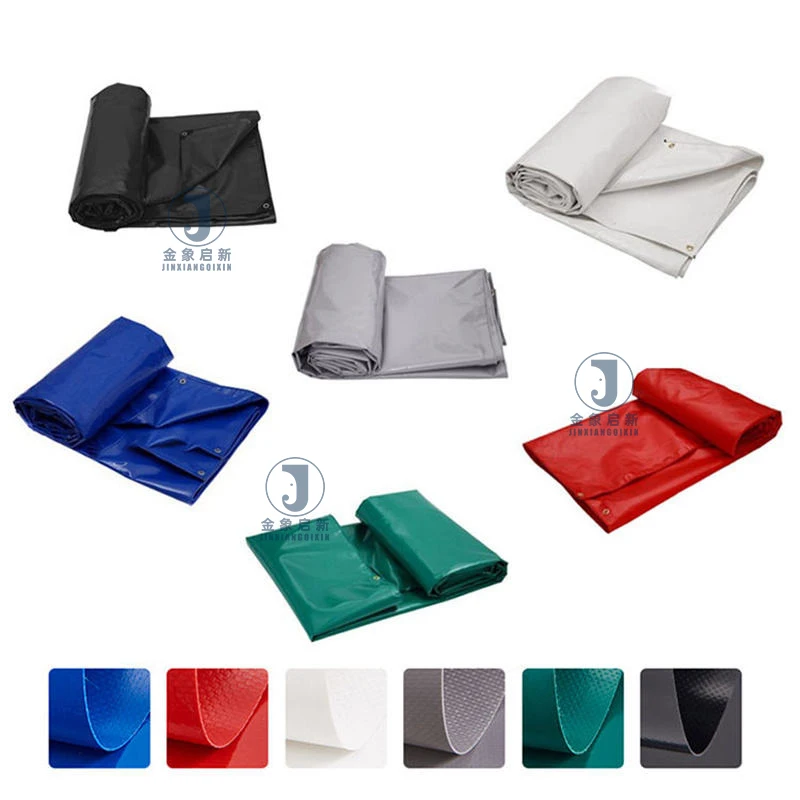
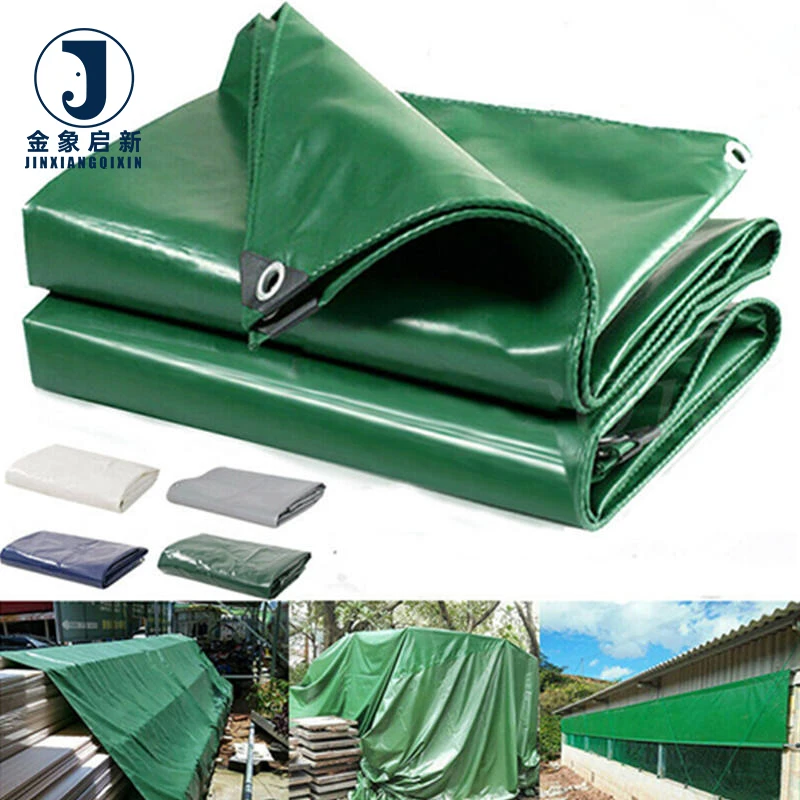
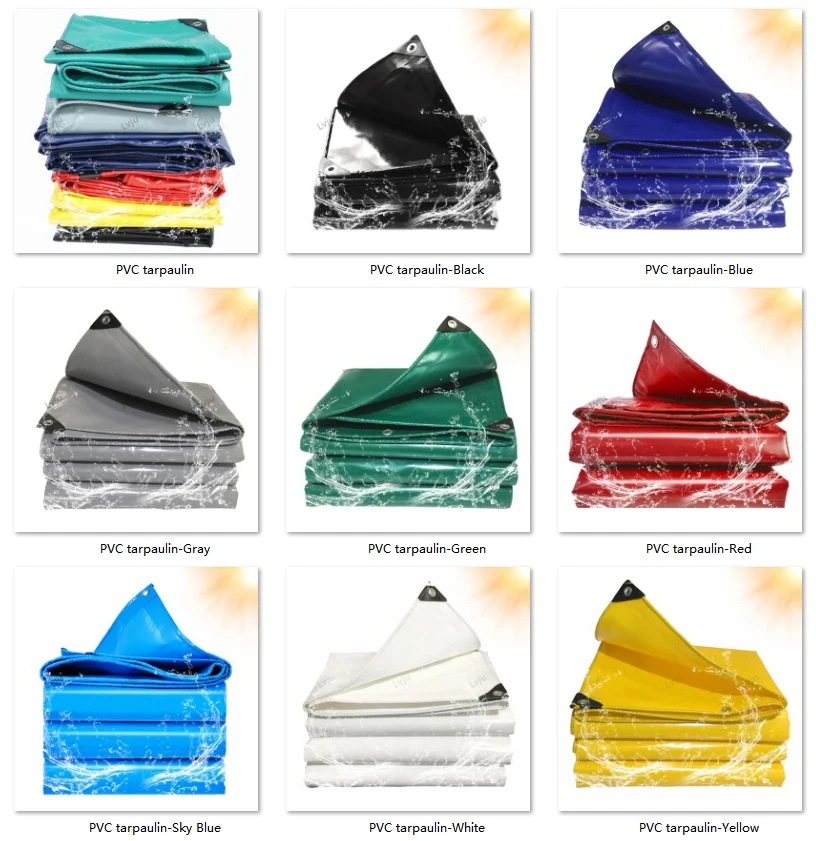
Coating-weight process control — our dedicated QA/QC verifies GSM tolerance roll to roll at every production stage, ensuring the 650gsm you specify is the weight you receive on site.
Technical Specifications
| Parameter | Value |
|---|---|
| Product Type | PVC Coated Tarpaulin Roll |
| Specification | 650gsm |
| Base Fabric | 100% high tenacity polyester yarns |
| Coating Material | PVC |
| Coating Method | Laminated technology & Hot-melt Coating technology |
| Waterproof | Yes |
| Anti-Mildew | Yes |
| Anti-Static | Treatment applied (grade to be confirmed against site requirement) |
| Flame Retardant | Available as special treatment (grade to be confirmed against site requirement) |
| Cold Crack Resistance | Yes |
| Color Fastness | Best color fastness (test basis not stated in source) |
| Outdoor Life Assurance | 3–5 years (source value — verify against manufacturer catalog) |
| Printing Option | Digital printing compatible |
| Certifications | ISO, CE (per company profile) |
Application Suitability
| Application | Exposure & Requirement |
|---|---|
| Mining & tunnelling ventilation ducts | Constant airflow pressure, sub-zero ambient, fire-retardant and anti-static site compliance |
| Aviation ground-support air ducts | Fuel-zone proximity, rapid deploy and stow, flame retardant certification |
| Membrane & inflatable structures | Wind load, UV exposure, welded seam integrity under tension |
| Temporary industrial enclosures | Abrasion from equipment movement, weather sealing, tear resistance at anchor points |
Why Certified Flame Retardant and Anti-Static Grades Matter for PVC Coated Tarpaulin 650gsm Fire Retardant Anti-Static Applications
A stated treatment without a matching test report is a liability, not a specification.
When ventilation duct fabric arrives on a mining or tunnelling site, the safety inspector does not ask what treatment was claimed at the quotation stage — they ask for the test certificate referenced to a recognised standard. Duct runs that fail this check sit idle while replacement material is sourced, delaying entire ventilation circuits underground. [NEED_CITE: mine ventilation duct fire-retardant compliance requirements]. The gap between a supplier saying "flame retardant" and a supplier delivering a test report graded to M2, B1, NFPA 701, or DIN 4102 is the difference between a duct that passes inspection and one that gets rejected at the gate.
Hot-Melt Coating and Welded Seam Integrity in Duct Construction
Flexible ventilation ducts rely on longitudinal and circumferential welds that must hold under continuous internal pressure and mechanical flex. The hot-melt coating method on this PVC coated tarpaulin 650gsm fire retardant anti-static fabric creates a bonded interface between the PVC layers and the polyester base, giving fabricated seams a tearing strength that resists peeling at the weld line. This matters most at junctions where ducts transition from round to rectangular profiles or where branches connect to the main run, because those are the points where airflow turbulence concentrates stress on the joint.
Cold Crack Resistance for Sub-Zero and High-Altitude Installations
Mining ventilation at altitude and tunnelling through permafrost expose duct fabric to sustained sub-zero temperatures. PVC compounds that lack adequate plasticiser balance become brittle below their cold crack threshold and fracture at the flex points where the duct is anchored or where support rings press against the wall. The cold crack resistance built into this material maintains flexibility through those temperature ranges, keeping the duct skin intact where rigid alternatives would split. [NEED_CITE: cold crack test methods for PVC coated fabrics].
Reading the Specification Sheet Beyond the Weight
The 650gsm figure describes total areal weight — base fabric plus coating — but it does not tell you how that weight is distributed. A high-tenacity polyester base contributes tensile and tear strength, while the coating thickness governs abrasion resistance, waterproofing and the surface quality available for heat welding. Two rolls at the same GSM can perform very differently if one carries a heavier base fabric with a thinner coat and the other reverses that ratio. The coating method also affects peel strength: laminated and hot-melt construction bonds the PVC to the yarn structure under heat and pressure, producing adhesion levels that support reliable weld-seam fabrication without delamination. Surface finish — in this case, a digital-printing-compatible face — determines whether the fabric can accept branded or wayfinding graphics for architectural membrane applications without additional priming.
The Hidden Cost of Specifying Treatment Without a Grade
Ordering "anti-static PVC tarpaulin" for an underground coal mine ventilation circuit without confirming the surface resistance value against the regulation in force is one of the most common specification errors on duct projects. The inspector measures surface resistivity on arrival; if the reading falls outside the permitted band, the entire run is rejected, and replacement lead times push the project schedule. Similarly, specifying "flame retardant" without naming the standard — M2 for French building sites, B1 under DIN 4102 for German specifications, NFPA 701 for North American temporary structures — means the supplier may deliver a grade that satisfies one market but not yours. [NEED_CITE: anti-static surface resistance testing standards for mining ventilation fabrics]. Batch colour variation across a multi-roll duct order is a secondary but costly issue: when sections installed side by side show visible shade difference on a high-profile membrane structure, the entire skin may need to be replaced for aesthetic acceptance alone.
Why Source This Fabric Through Jinxiang Tech
Nearly 30 years focused exclusively on coated fabric gives us process control over coating weight and adhesion that shows up in roll-to-roll consistency — critical when a ventilation duct project draws from dozens of rolls that must weld and flex identically. Three full production lines and 36 sets of professional equipment support the bulk capacity needed for mining and tunnelling contracts where duct runs extend for kilometres. A 10-person R&D team handles material selection and sample development so that flame retardant or anti-static treatment can be matched to your site specification before full production begins. Dedicated QA/QC at every production stage with 100% pre-shipment inspection means the dispatch documentation package carries a verifiable record, not just a claim. Samples for custom treatment requirements are developed within days, shortening the approval cycle on projects with tight mobilisation deadlines.
Documentation & Verification
- Material specification sheet stating exact GSM, base fabric denier, coating method and coating weight per roll
- Fire-retardant test report referenced to the standard your site regulation requires — confirmed before production
- Anti-static surface resistance test report provided where underground explosive atmosphere rules apply
- Pre-shipment inspection record included in dispatch documentation with roll-by-roll weight verification
- ISO and CE certificates supplied as part of the shipment documentation package
- Certificate of origin and customs support documentation for cross-border delivery
Fabrication, Handling & Storage
- Hot-melt coated construction supports heat welding at duct seams; confirm temperature and dwell time with welder settings before production runs
- High-tenacity polyester base at 650gsm requires heavy-duty cutting blades and reinforced stitching at anchor points
- Store rolls horizontally on pallets in a dry, shaded area to prevent surface marking and coating adhesion loss
- Cold crack resistant formulation allows transport and deployment in sub-zero conditions without brittle fracture risk
- Digital printing compatible surface accepts solvent and UV-cured inks for branded membrane and event structures
- Clean with mild detergent only; avoid solvent-based cleaners that may degrade the PVC coating over time
What We Need to Quote Your Duct or Membrane Project
To give you an accurate specification and lead time, tell us the ventilation duct diameter or membrane panel dimensions, the flame retardant or anti-static standard your site regulation references, and the total linear metres or roll count required. If the project demands a specific colour or printed graphic on the outer face, include the RAL or Pantone reference and any repeat pattern dimensions. Let us know whether you need raw rolls for your own fabrication facility or if you require finished cut-to-size panels with welded seams.
Frequently Asked Questions
Q: Which flame retardant grade does this 650gsm fabric meet for mining or aviation duct applications?
A: Flame retardant treatment is available as a special order and the grade must be matched to your site regulation before production begins. Common standards include M2, B1 per DIN 4102, and NFPA 701. Provide the standard referenced in your project specification so we can confirm the correct formulation and supply the matching test report with the shipment.
Q: How is anti-static surface resistance measured and certified for underground mining ventilation?
A: Anti-static treatment is applied during coating, and surface resistance is measured per the test method required by your jurisdiction’s mining safety regulation. We supply a test report with the measured value so your site inspector can verify compliance. Confirm the required resistance band in your enquiry so we align the treatment to that threshold before production.
Q: How do you ensure weld strength at duct seams on this hot-melt coated fabric?
A: The laminated and hot-melt coating method creates strong adhesion between the PVC layers and the high-tenacity polyester base, which supports reliable heat-welded joints at longitudinal and circumferential duct seams. We recommend running test welds at your fabrication facility to confirm temperature, speed and pressure settings before full production. Welded seam tearing strength data can be supplied on request.
Q: How do you control GSM consistency across a multi-roll ventilation duct order?
A: Dedicated QA/QC runs at every production stage, with coating weight monitored against the stated 650gsm specification. A 100% pre-shipment inspection verifies weight per roll, and the inspection record travels with the dispatch documentation. If your site requires independent verification on arrival, we support third-party inspection at our facility before container loading.
Q: What is the sample lead time for a custom flame retardant or anti-static specification?
A: Samples for custom treatment requirements are developed within days. This allows you to run weld tests, confirm colour and verify treatment compliance with your site regulation before committing to full production volume. Request a sample with your target standard referenced in the enquiry to start the approval cycle.