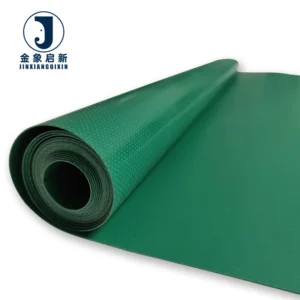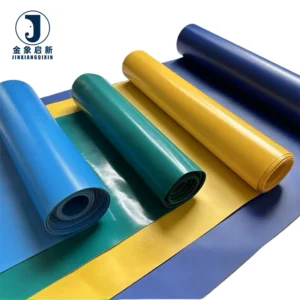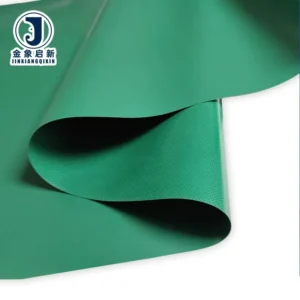
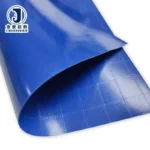
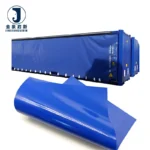
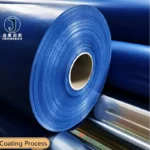
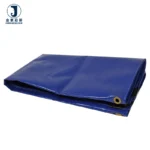
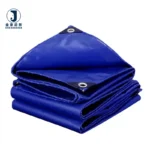
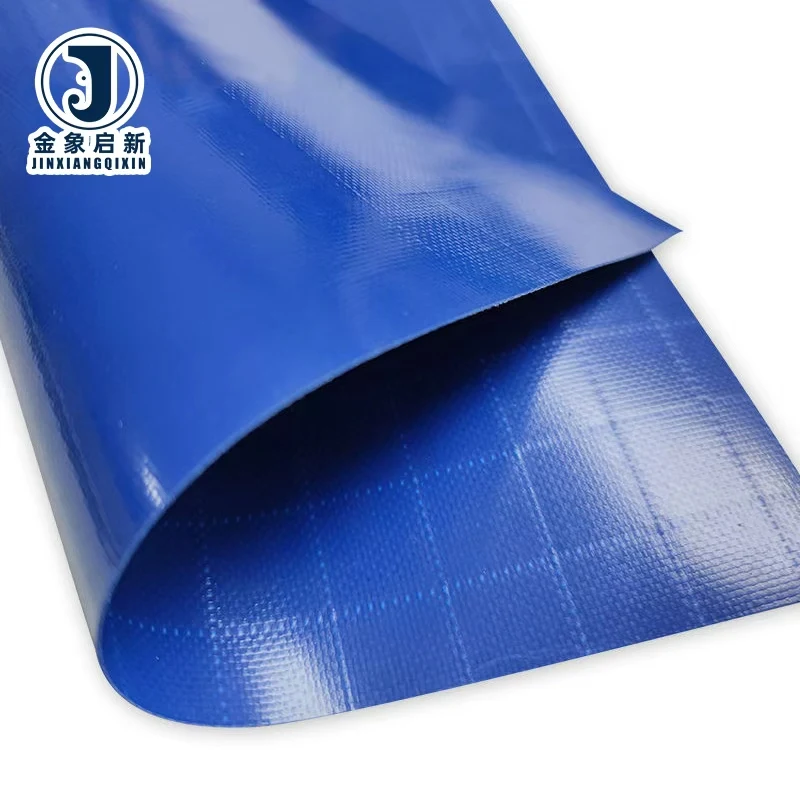
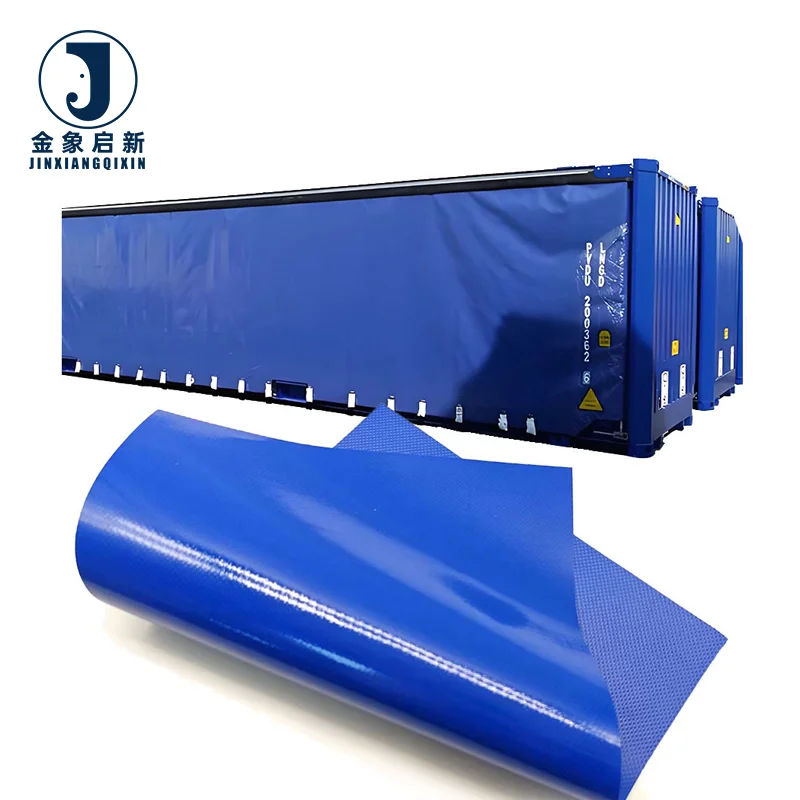
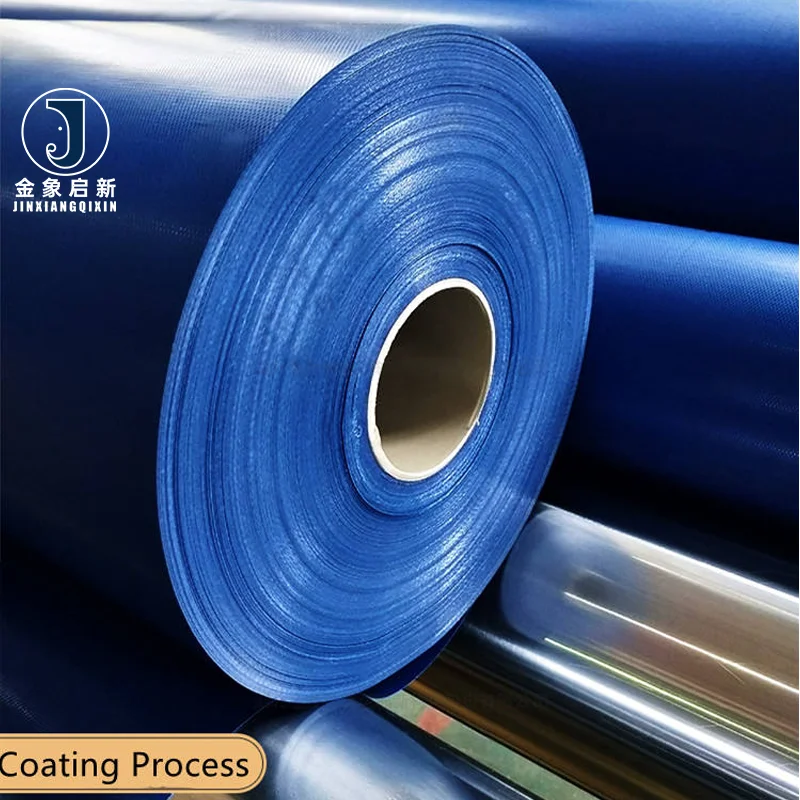
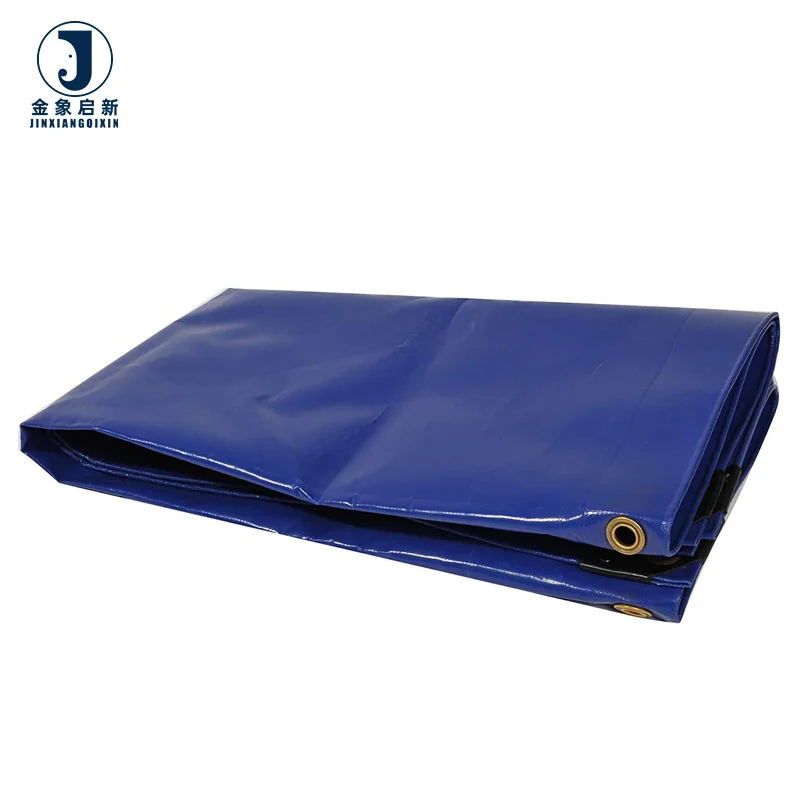
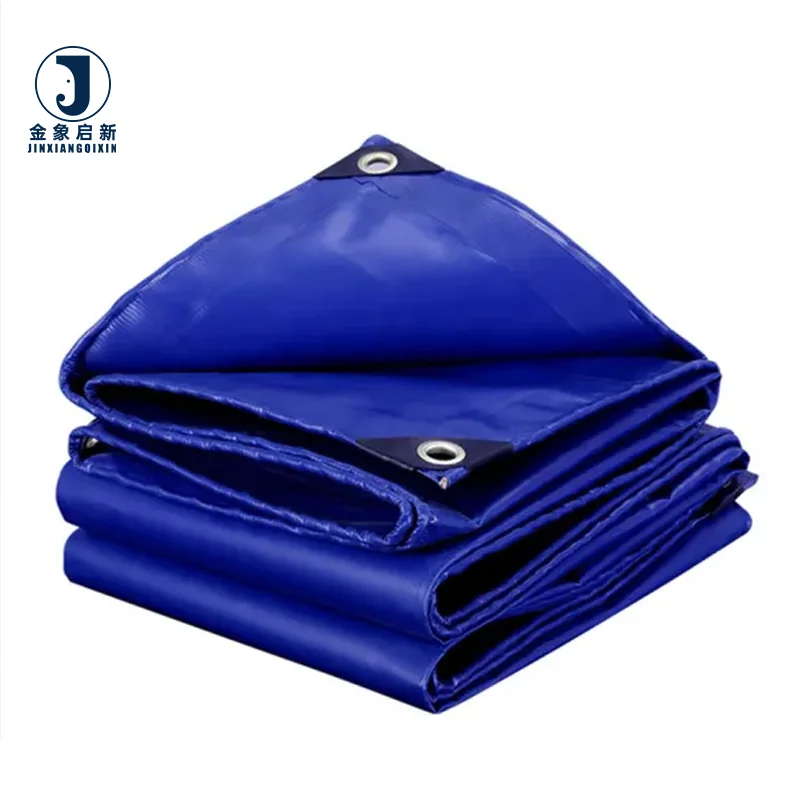
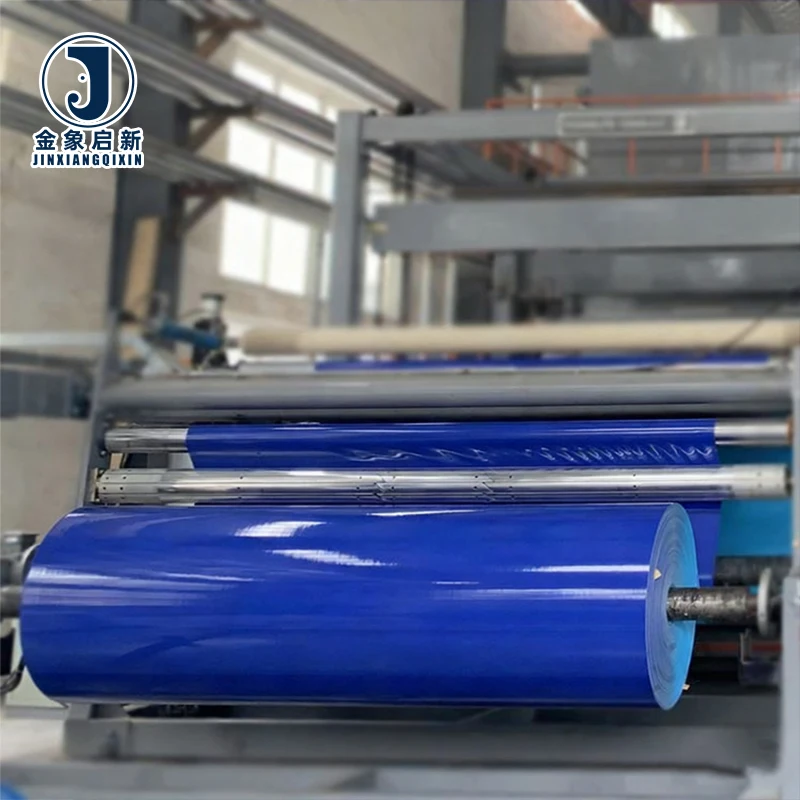
Custom Width & Batch Consistency — We control coating weight and weave density across production lines so rolls for tent, membrane and inflatable structures arrive with matched GSM and colour.
Technical Specifications
| Parameter | Value |
|---|---|
| Product Type | PVC Coated Tarpaulin Roll |
| Base Fabric | HDPE weaving |
| Coating Method | LDPE lamination on both sides |
| Weight (GSM) | 50 g/m² ~ 220 g/m² |
| Total Thickness | 0.2–0.4 mm / 8–16 mil |
| Weave Density Options | 6×6, 6×7, 7×7, 7×8, 8×8, 9×9, 8×10, 10×10, 12×12, 14×14, 14×16 |
| Roll Width Options | 6 ft / 8 ft / 10 ft / 12 ft or 2 m / 4 m / 6 m |
| Roll Length Options | 100 yards / 100 meters / custom |
| Colour Options | Blue, Blue/Orange, Green, Grey, Black, Clear, Grey/Green, Orange, custom |
| Surface Treatment | UV treatment available (test basis not stated in source); anti-aging |
| Anti-Static | Available (grade not stated in source) |
| Waterproof | Yes, fully laminated construction |
| Anti-Mildew | Mildew proof (source claim) |
| Finished Edge Options | PP rope reinforced hem; galvanized eyelets every 3 ft or 1 m; reinforced plastic corners |
| Printing | Custom pattern printing accepted |
| Container Loading (20’GP) | By Roll 17 Tons / By Bale 12 Tons / By Carton 9 Tons |
| Container Loading (40’HQ) | By Bale 28 Tons / By Carton 20 Tons |
| Standards & Certification | ISO, CE (certificate images available, specific standard numbers not stated) |
Application Suitability
| Application | Exposure & Requirement |
|---|---|
| Tent and temporary site shelters | Constant tension, wind load, anti-static compliance for enclosed spaces, frequent erection and strike cycles |
| Construction scaffolding wraps | High wind shear, UV exposure, scaffold tie abrasion, dust and debris containment |
| Membrane and inflatable structures | Sustained air pressure, flexing at seam lines, weather and UV exposure, fire and anti-static compliance |
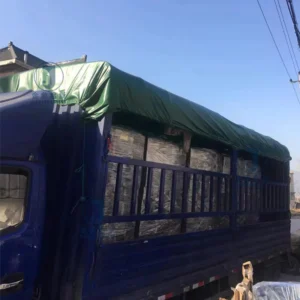
| Industrial truck and container covers | Road abrasion, tie-down strap wear, weather protection, UV degradation from continuous outdoor exposure |
| Agricultural and aquaculture covers | Permanent water contact, soil chemistry, pond-side puncture risk, hay and crop moisture protection |
Why Anti-Static Claims Fail at the Compliance Audit
Specifying an anti-static PVC tarpaulin roll for a tent or inflatable structure but arriving on site without a documented surface resistance value means the compliance file stays incomplete and the installation halts. Verified anti-static performance requires a test report tied to a recognised standard, not just a line on the quotation.
I have seen contractors order rolls labelled "anti-static" only to find the site safety officer rejecting the material because no surface resistance data accompanied the shipment. The rolls sat idle on the dock while the project timeline slipped. This happens when the supplier treats the treatment as a checkbox rather than a measurable property [NEED_CITE: anti-static test standards for coated fabrics in temporary structures]. The PVC tarpaulin roll aftermarket supplier you choose must provide documentation that matches your site’s regulatory requirements before the fabric is cut and erected.
Ventilation, Membrane and Inflatable Fabric Demands
Tent and inflatable structure contractors need more than waterproof fabric — they need material that performs predictably under sustained air pressure and wind load. The PE tarpaulin roll anti-static certified option addresses one of the most common compliance gaps: static charge build-up in enclosed or pressurised environments where dust, fumes or sensitive equipment are present.
Our HDPE woven base with double-side LDPE lamination delivers dimensional stability across the roll, which is critical when fabricators heat-weld long seam runs on inflatable tubes or tensioned membrane panels. Weave density selection from 6×6 through 14×16 allows the fabricator to match the base fabric tensile behaviour to the structural load path [NEED_CITE: tensile and tear test methods for coated fabrics per ISO 1421]. Rolls ship on hard paper tubes with inner fabric protection, reducing creasing that can compromise weld integrity during fabrication.
Roll-to-Roll Colour and GSM Consistency for Multi-Roll Orders
When a membrane structure requires twelve rolls of the same blue, visible shade variation between adjacent panels undermines the client’s perception of quality — even if the fabric itself performs perfectly. Colour drift typically originates from inconsistent pigment dosing or batch-to-batch coating temperature variation during lamination.
We address this through dedicated QA checkpoints at each production stage, with in-process coating weight verification before the roll is wound. For orders spanning multiple rolls and container loads, pre-shipment inspection records confirm colour alignment and dimensional accuracy across the full batch. This matters especially for tent manufacturers producing branded event structures where the client’s visual identity is printed directly on the fabric surface.
How Weave Density and GSM Interact to Define Real Strength
GSM alone is an incomplete indicator of how a coated fabric will behave under load. A 220 g/m² roll woven at 6×6 density will tear more easily along the warp or weft than a 180 g/m² roll woven at 14×16, because the tighter weave distributes stress across more yarns before a single yarn failure propagates into a full tear. For inflatable and membrane applications where internal pressure creates sustained biaxial tension, specifying a tighter mesh count at a moderate GSM often outperforms a heavier but looser weave [NEED_CITE: relationship between weave density and tear propagation in woven coated textiles].
The double-side LDPE lamination locks the HDPE yarns in place, contributing to edge stability during cutting and welding. Thicker lamination in the 0.3–0.4 mm range adds puncture resistance for ground-contact applications like pond liners, while the 0.2 mm grade reduces roll weight and cost for scaffolding wraps and short-term site covers. Width selection up to 6 m allows membrane fabricators to minimise the number of welded seams in a single panel, reducing both fabrication labour and the number of potential failure points in the finished structure.
The Hidden Cost of Specifying Without Verification
When a tent contractor accepts a quotation stating 180 g/m² but the arriving rolls measure 150 g/m² on a calibrated scale, the entire structural calculation — pole spacing, guy rope tension, wind load rating — is invalidated. This is not a theoretical concern; underweight rolls are one of the most common disputes in coated fabric procurement.
Batch colour inconsistency forces the fabricator to sort and match rolls manually, adding labour and delaying erection schedules. Heat-weld parameters calibrated for the specified lamination thickness will underperform if the actual coating weight varies, producing seam failures that appear only after the structure is inflated or tensioned in the field [NEED_CITE: welded seam failure analysis in laminated tarpaulin fabrics]. Flame retardant or anti-static treatments claimed without supporting test data expose the contractor to liability when a site inspector or regulatory body demands proof of compliance.
Why Fabricators Source Specialist Rolls Here
Nearly 30 years of focused coated fabric production means our process control over lamination weight and adhesion is built into the line, not added as a final inspection step. Three full production lines and 36 sets of professional equipment give us the capacity to hold delivery schedules on multi-container orders without sacrificing in-process QA.
Our 10-person R&D team handles material selection, weave density matching and sample development for tent, membrane and inflatable applications — not generic catalogue matching. Every roll undergoes dedicated QA/QC at each production stage with full pre-shipment inspection before dispatch. Samples for custom width, colour or GSM are developed within days, allowing fabricators to validate weld parameters and colour match before committing to the full production run.
Documentation & Verification
- Material specification sheet stating exact GSM, base fabric weave count and lamination weight per roll
- Anti-static test report with surface resistance value included where the grade is specified
- UV treatment test basis documented to match the target market’s outdoor exposure classification
- Pre-shipment inspection record confirming roll-to-roll colour consistency and dimensional accuracy
- Certificate of origin and customs support documentation for international roll stock shipments
- ISO and CE certificate copies matched to the product category shipped
Fabrication, Handling & Storage
- Heat-weld temperature and dwell time must be calibrated to the specific lamination thickness (0.2–0.4 mm) to avoid seam delamination
- Galvanized eyelet spacing at 1 m intervals suits most tensioned tent panels; closer spacing available for high-wind scaffolding wraps
- Store rolls upright on hard paper tubes in a dry, shaded area to prevent flat-spot creasing that affects weld quality
- Allow cold-stored rolls to reach ambient temperature before unrolling to prevent LDPE lamination cracking at the fold line
- Use non-solvent cleaners on the laminated surface to preserve anti-UV treatment integrity and printed branding adhesion
- Plan panel cutting layout to maximise use of the full roll width (up to 6 m) and minimise off-cut waste
What to Include in Your Enquiry
To receive an accurate specification and lead time, share the application type — tent, inflatable, membrane or site cover — along with the environmental exposure conditions your structure will face. Specify your target market’s anti-static or fire compliance requirements so we can match the treatment grade and include the correct test documentation.
Confirm the roll width and length you need, the total metreage per colour, and whether you require finished panels with eyelets and hemming or roll stock only. Requesting a production sample before the full order lets your fabrication team validate heat-weld settings and confirm colour match against your existing inventory.
Frequently Asked Questions
Q: How is anti-static performance verified and what surface resistance standard does the roll meet?
A: Anti-static treatment is available for this PVC tarpaulin roll range, but the specific grade and surface resistance value depend on the formulation selected for your order. We provide a test report referencing the applicable standard once the grade is confirmed. Share your site’s compliance requirement and we will match the treatment and documentation accordingly.
Q: How do I confirm the exact GSM on arrival matches the quotation?
A: Each roll is weighed during pre-shipment inspection and recorded against the stated GSM. The inspection report accompanies the shipment documentation. On arrival, you can verify with a calibrated scale and a measured sample cut. Any discrepancy should be flagged with the inspection record for immediate resolution.
Q: What UV treatment test basis supports the claimed outdoor exposure life?
A: UV treatment is available across the roll range, but the test basis and exposure classification vary by market and application. We document the UV test method used and provide the report on request. For tent and membrane structures requiring specific weathering classifications, share the standard your market requires and we will confirm compatibility.
Q: How are roll width and length customised, and what are the minimums per colour?
A: Rolls are available in standard widths up to 6 m and lengths of 100 yards or 100 metres, with custom dimensions produced to order. Minimums per colour depend on the GSM and weave density selected. Provide your required dimensions and total metreage, and we will confirm the production minimum and lead time for your specification.
Q: What documentation accompanies each shipment for site compliance audits?
A: Every dispatch includes a material specification sheet, pre-shipment inspection record, roll packing list, certificate of origin and ISO/CE certificate copies. Anti-static and UV test reports are included where the treatment grade is specified. Additional documentation for customs or regulatory submission can be arranged before shipment.