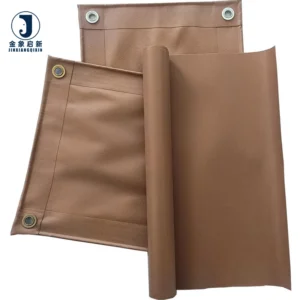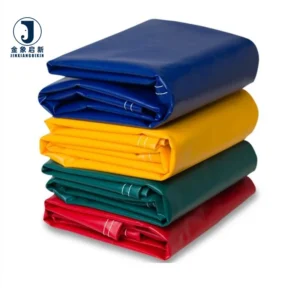
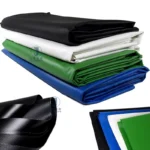
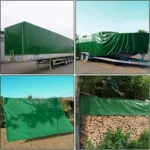
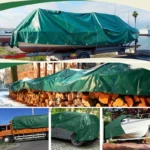
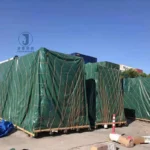
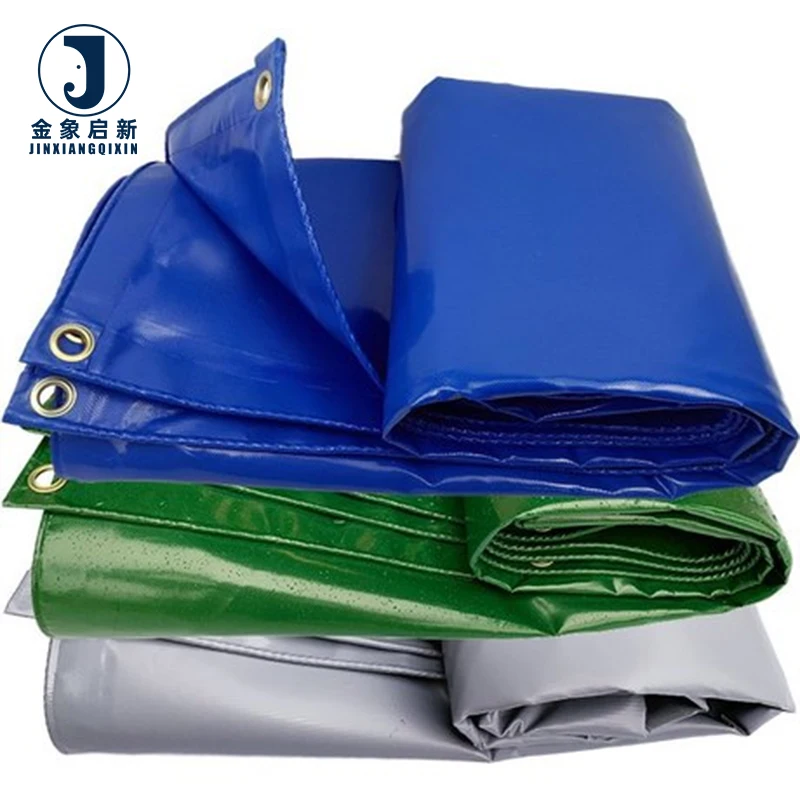
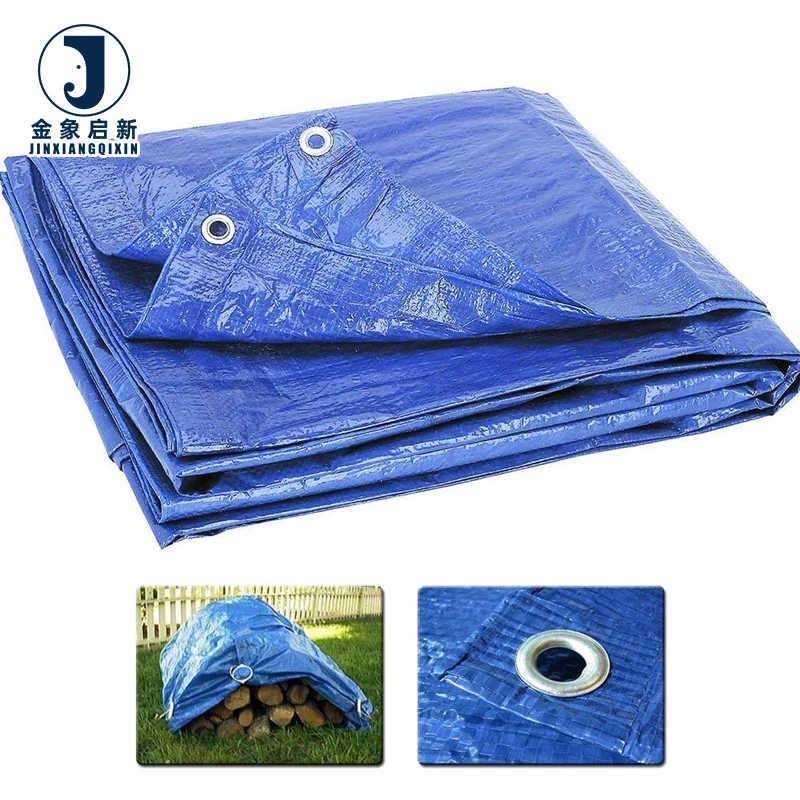
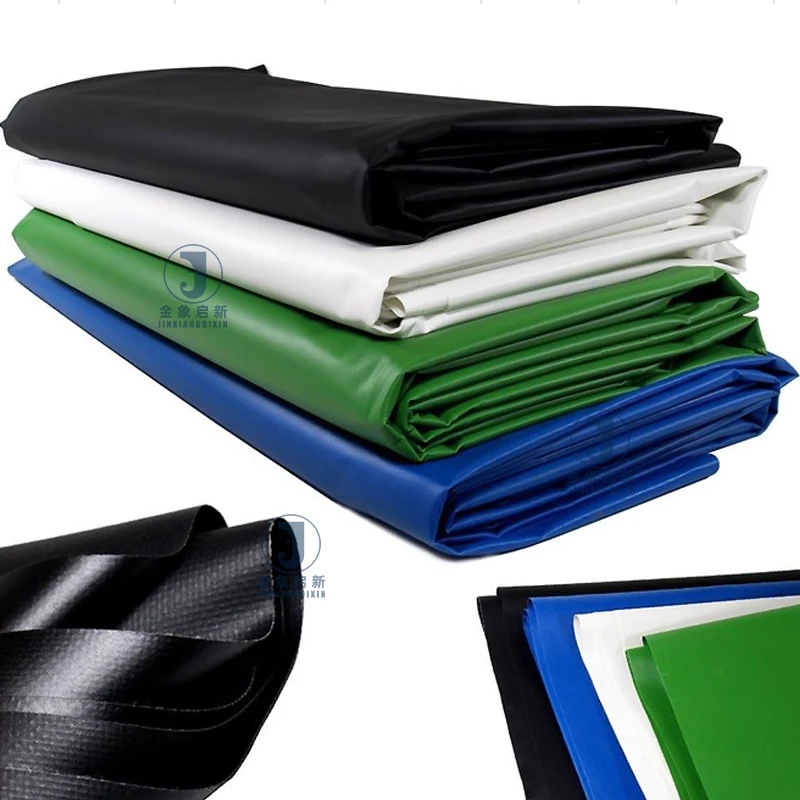
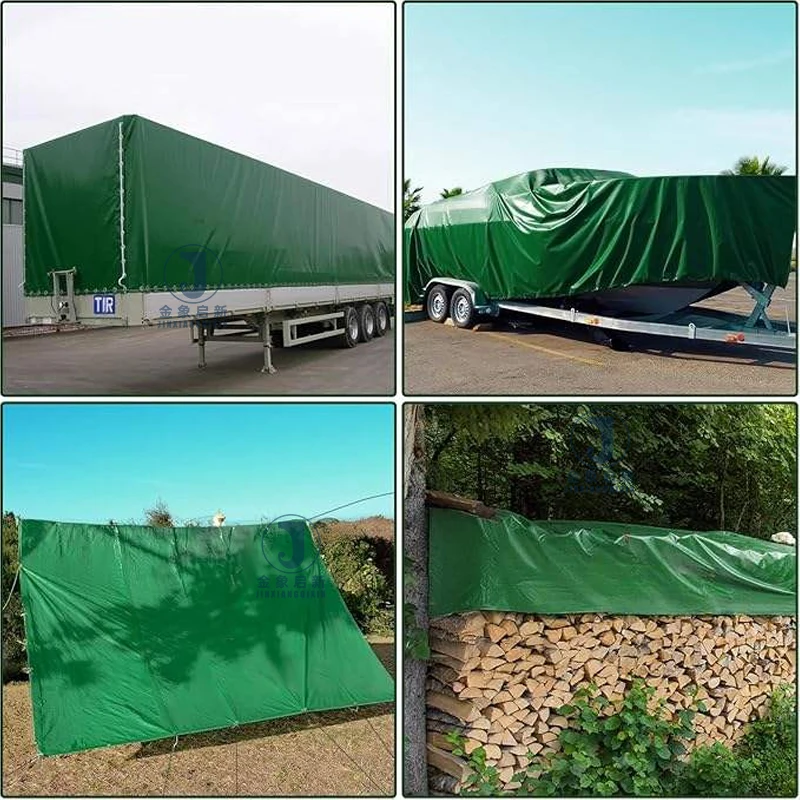
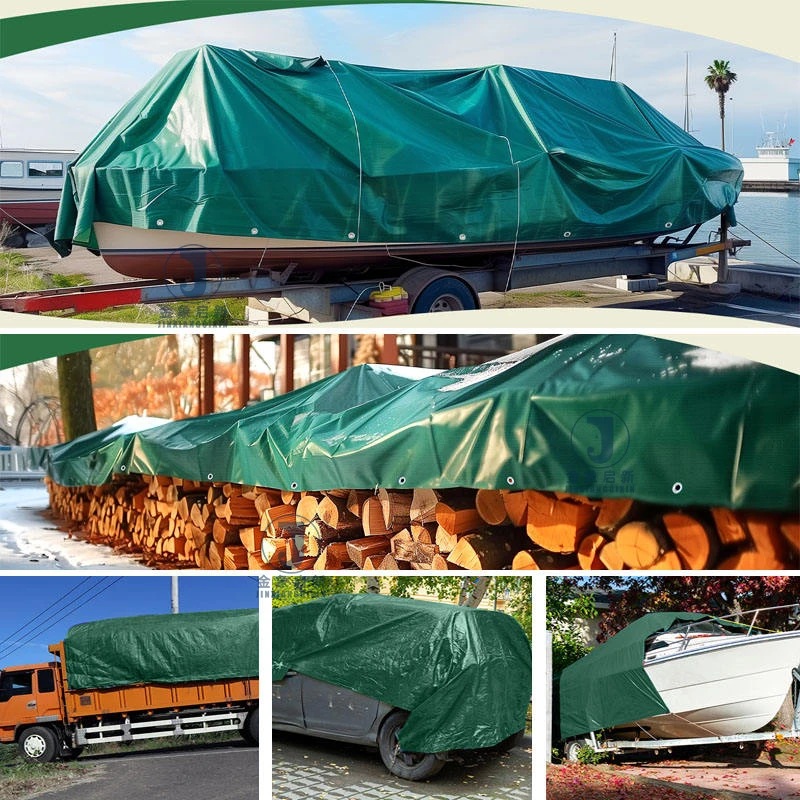
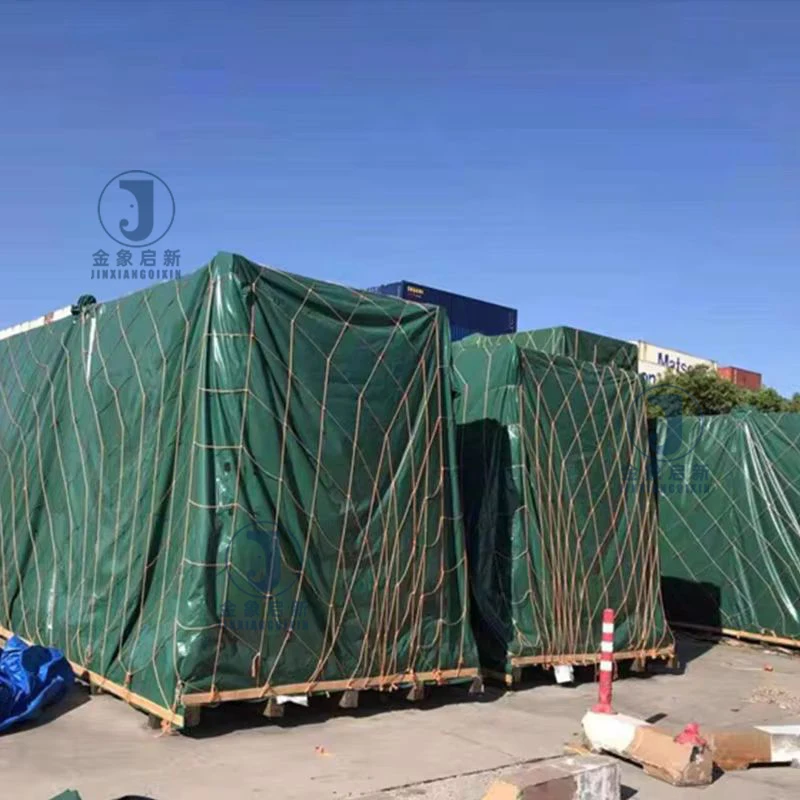
Process-Controlled Coating — Three full production lines and 36 equipment sets maintain consistent PVC adhesion and weight across every roll of fire-retardant industrial fabric we produce.
Technical Specifications
| Parameter | Value |
|---|---|
| Product Type | PVC Coated Tarpaulin |
| Base Fabric Yarn Count | 500D-500D Polyester |
| Coating Material | PVC (Double-Sided) |
| Weight Range | 450-900 g/m² |
| Surface Finish | Smooth, Leather-Like Texture |
| Flame Retardant | Available (grade to be confirmed per project standard) |
| Anti-UV Treatment | Available (test basis to be confirmed for site exposure) |
| Water Resistance | Fully Waterproof Coated Construction |
| Repairability | Hot-Air Weldable |
| Standards | ISO, CE |
Application Suitability
| Application | Exposure & Requirement |
|---|---|
| Mining & Tunnelling Ventilation Duct | Continuous airflow, abrasive dust, mandatory fire-retardant and anti-static site compliance |
| Aviation Ground Support Covers | Prolonged UV exposure, fuel and hydraulic fluid splash, certified flame performance |
| Membrane & Inflatable Structures | Tension loading, wind-driven rain, hot-air welded seam integrity |
| Construction Equipment Enclosures | Weather exposure, mechanical abrasion, site fire-safety regulations |
Why a Flame-Retardant Claim Without a Test Report Is a Liability
A PVC coated tarpaulin fire retardant certified claim only holds weight when backed by a test report citing the specific standard your site mandates.
Ventilation duct fabric or temporary structure membrane often arrives on site with a quotation that says "flame retardant" but no accompanying documentation. When the safety inspector asks for the test certificate, the project stalls. I have seen mining operations reject entire duct installations because the supplier could not produce a report aligned with the local ventilation code [NEED_CITE: fire classification standards for underground ventilation duct materials]. The cost of replacement fabric is minor compared to the downtime of a halted tunnel face or an aviation hangar inspection failure.
Documented Flame Performance for Regulated Sites
Specifying PVC coated tarpaulin fire retardant certified fabric for a ventilation duct or membrane structure means matching the material to a recognised test method. Different markets require different classifications — DIN 4102 B1 for European construction sites, NFPA 701 for North American temporary structures, or M2 for French public venues. We supply the relevant test report with your shipment so the compliance conversation ends before installation begins.
Hot-Air Welded Seams That Hold Under Duct Pressure
Ventilation ducts operate under positive or negative pressure, placing continuous stress on every longitudinal and circumferential seam. The 500D-500D polyester base fabric provides dimensional stability so that hot-air welded joints maintain adhesion across flex cycles. Our R&D team can develop welded seam samples for your specific duct diameter and pressure rating, allowing you to verify peel strength before committing to a full production run [NEED_CITE: hot-air welding parameters for PVC coated polyester fabrics].
Reading the Specification Sheet Beyond the GSM Number
Weight alone does not predict how a coated fabric behaves in a duct or structural membrane. The 450-900 g/m² range covers light-duty temporary covers through to heavy-grade duct fabric, but the actual tensile and tear performance depends on the interplay between the 500D-500D base yarn count, the weave density, and the PVC coating adhesion. A heavier coating can improve abrasion resistance yet add stiffness that complicates fabrication on tight-radius duct fittings. Reviewing the full material specification sheet — base fabric denier, coating weight, and adhesion value — gives a clearer picture than GSM in isolation. The smooth leather-like surface finish also influences how easily the fabric slides through welding equipment and how well it resists dust accumulation inside a ventilation run.
The Hidden Cost of Under-Specifying Duct Fabric
Choosing a lighter grade to save on material cost often surfaces as premature failure at the flex points of a ventilation duct, where the fabric repeatedly bends around supports. Inadequate flame-retardant documentation can delay project handover, while inconsistent coating weight across rolls leads to variable weld quality — some seams fuse correctly and others delaminate under pressure [NEED_CITE: coated fabric seam delamination causes in pressurised duct systems]. These issues rarely appear during pre-shipment inspection but emerge within the first weeks of site operation.
Why Industrial Buyers Source This Fabric Here
Our 10-person R&D team develops custom duct and membrane fabric samples within days, matching your specified fire-retardant grade, width, and colour. Three full production lines with dedicated QA checkpoints ensure coating weight and adhesion remain consistent from first roll to last. Every roll undergoes 100% inspection before dispatch, and the accompanying documentation package includes the test reports and certificates your site compliance officer requires. We focus exclusively on coated technical fabric, so process decisions — from PVC formulation to hot-air welding parameters — are based on decades of production data rather than generic guidelines.
Documentation & Verification
- Material specification sheet confirming 500D-500D base, coating weight, and GSM per roll
- Fire-retardant test report citing the standard required by your project specification
- ISO and CE certificates included with every export shipment
- Pre-shipment inspection record with roll-by-roll QA sign-off
- Certificate of origin and customs documentation for international dispatch
Fabrication, Handling & Storage
- Hot-air weld temperature and speed must be matched to the 450-900 g/m² grade selected
- Store rolls upright on pallets to prevent flat-spotting the smooth leather-like surface
- Allow cold-stored rolls to reach ambient temperature before unrolling to avoid coating crack
- Use PVC-compatible cleaners only; solvents may degrade the double-sided coating bond
- Cut patterns should account for the 500D-500D base fabric weave direction to control stretch
What We Need to Quote Your Duct or Membrane Fabric
Provide the ventilation duct diameter, operating pressure, and the fire-retardant or anti-static standard your site mandates. Confirm whether you need rolls at a specific width or finished panels cut and welded to your drawings. Share your annual volume and target colour so we can align production scheduling and send a sample roll for your approval before bulk manufacture.
Frequently Asked Questions
Q: Which fire-retardant standards can you supply test reports for?
A: We can provide test reports for standards including DIN 4102, NFPA 701, and M2, depending on the grade selected. Confirm the exact classification your project requires at the inquiry stage so we align the PVC formulation and include the correct documentation with your shipment.
Q: What anti-static surface resistance values are available for mining duct?
A: Anti-static treatment is available for ventilation duct fabric used in explosive atmospheres. The target surface resistance value depends on your local mining regulations. Share the specific requirement so we can confirm the formulation and supply a test report with the dispatch documentation.
Q: How do you verify GSM on each roll before shipment?
A: Every roll is sampled and weighed during our 100% pre-shipment inspection. The measured GSM is recorded against the material specification sheet and included in the QA record that accompanies your order, so you can cross-check on arrival without relying on quotation figures alone.
Q: What are the hot-air welding parameters for duct fabrication?
A: Welding temperature, speed, and pressure depend on the specific GSM grade and coating formulation. We supply a welding parameter guide with each sample roll and can produce test seams on your requested grade so your fabrication team can validate settings before full production.
Q: Can you produce custom roll widths to match our duct dimensions?
A: Custom widths are available across our production lines to reduce waste and minimise longitudinal seams on your duct layout. Provide the target width and roll length at inquiry and we will confirm the minimum order and lead time for your specification.