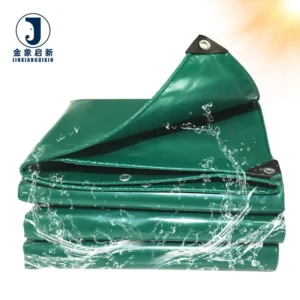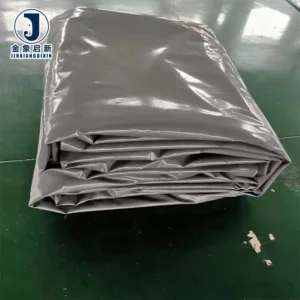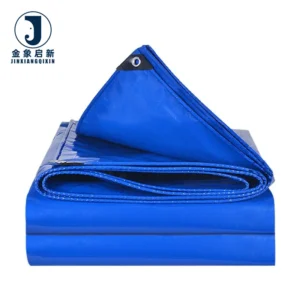
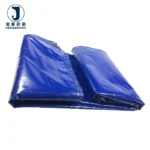
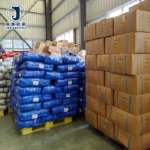
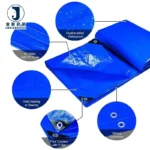
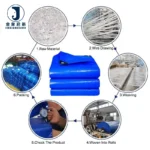
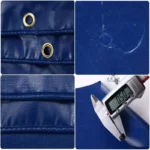
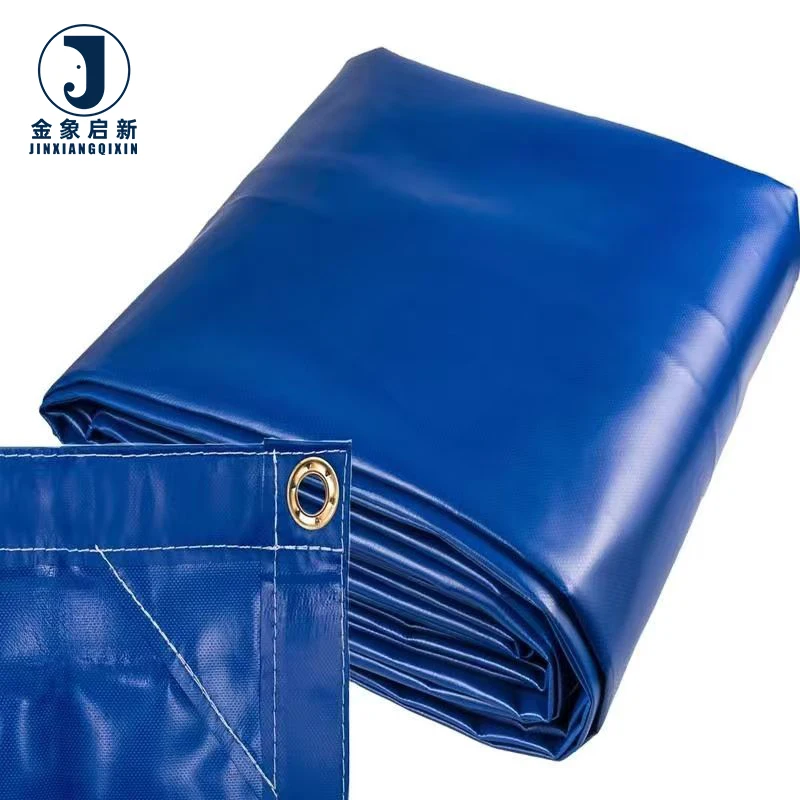
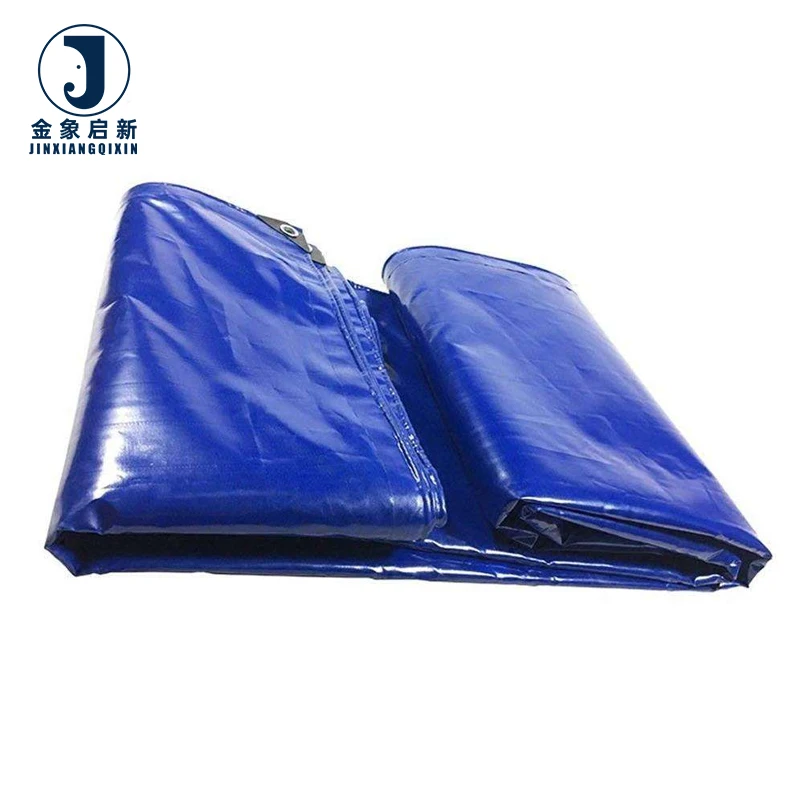
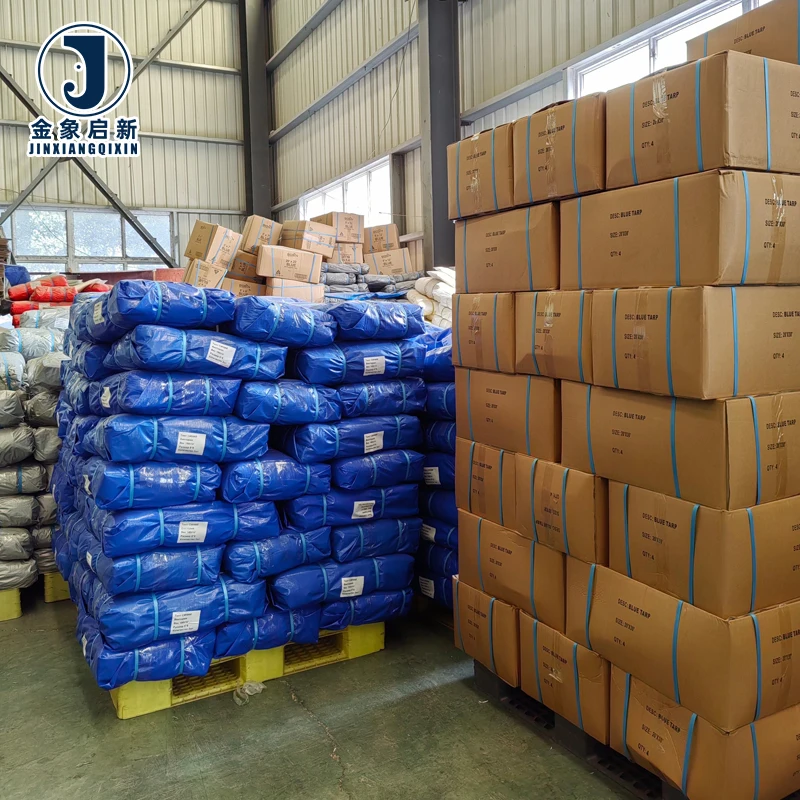
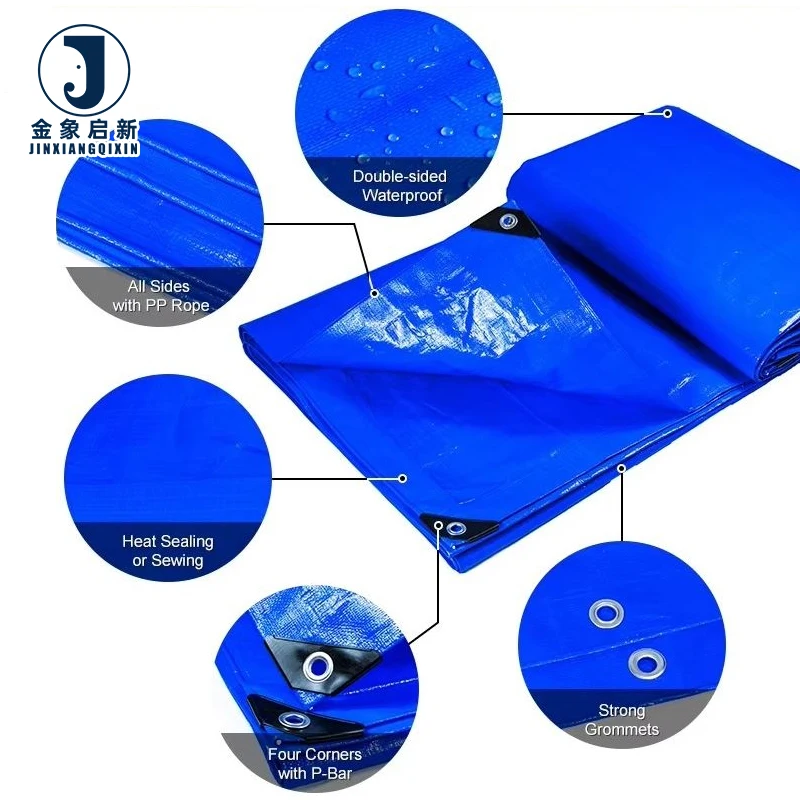
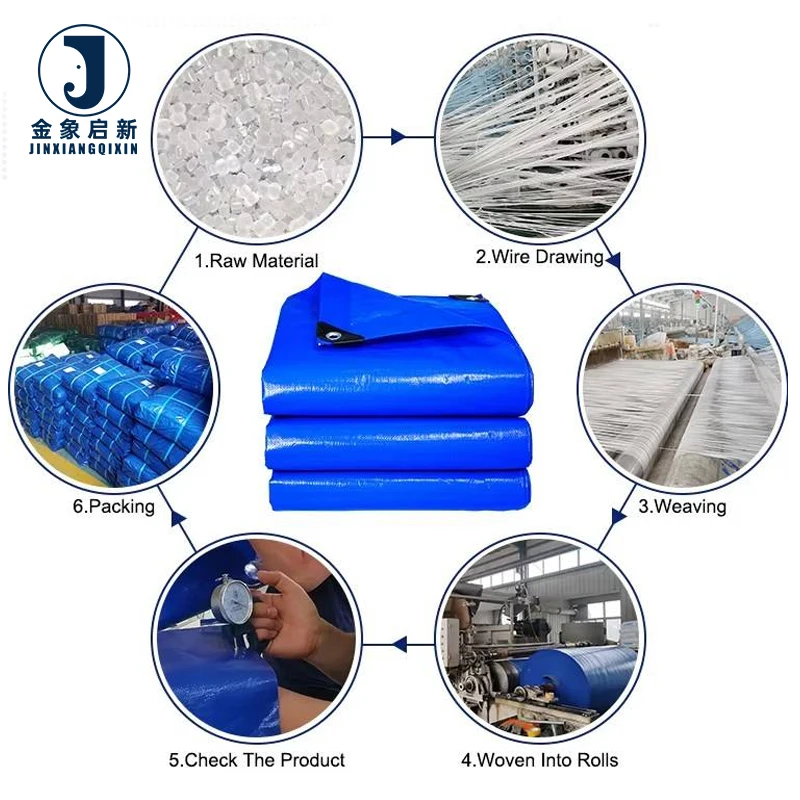
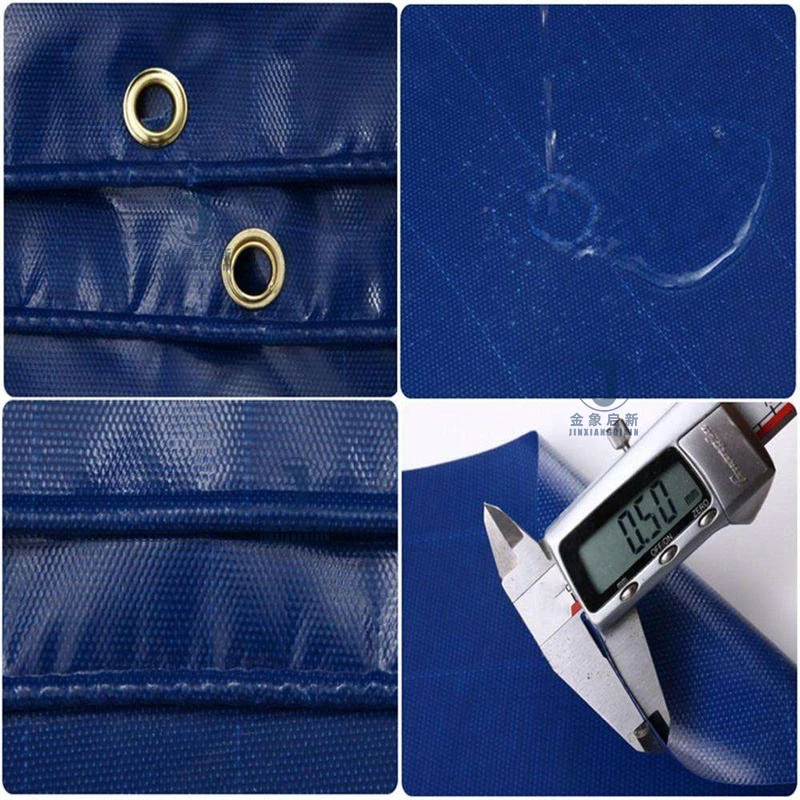
Deep Process Control Over Coated Fabric — three full production lines and 36 sets of professional equipment support ventilation duct and specialist structure fabric output with consistent coating weight and adhesion across every roll.
Technical Specifications
| Parameter | Value |
|---|---|
| Product Type | PVC Coated Tarpaulin |
| Base Fabric Denier | 200D×300D, 500D×500D, 840D×840D, 1000D×1000D |
| Coating Material | PVC |
| Coating Method | Coated and laminated |
| Weight Range | 250 gsm – 1500 gsm (confirm the grade for this item) |
| Available Width | Up to 3 m |
| Size Options | 3×4 m, 6×8 m, 8×10 m, 10×12 m or custom made |
| Finish | Glossy or matte |
| Temperature Range | -15 °C to 70 °C |
| Flame Retardant | Treated (grade not stated — confirm the grade required for your market) |
| Anti-Static | Available on request (test basis not stated — confirm the standard required) |
| UV Treatment | Customized (test basis not stated) |
| Anti-Fungal | Treated |
| Waterproof | Yes |
| Colour Options | Blue, yellow, black, green, white, etc. |
| OEM / ODM | Accepted |
| Environmental | Eco-friendly |
| Standards | ISO, CE |
Application Suitability
| Application | Exposure & Requirement |
|---|---|
| Mining and tunnelling ventilation duct | Continuous airflow, underground fire safety compliance, mechanical abrasion from duct handling |
| Aviation hangar ventilation duct | Fire-retardant specification, anti-static requirement in fuel-adjacent zones |
| Membrane and inflatable structures | Tensile load under inflation pressure, UV exposure on exterior membrane faces |
| Construction site ventilation | Dust-laden airflow, temporary installation with frequent repositioning |
| Industrial air duct for confined-space work | Flame-retardant compliance, flexibility for routing around obstacles |
What "Fire-Retardant" Means When No Grade Travels With the Roll
A fire-retardant claim without a test report and recognised grade is a liability, not a specification.
Ventilation duct fabric arrives on a mining or tunnelling site with a data sheet that says "flame retardant" but carries no classification reference. The site safety officer asks for the test standard. The contractor cannot produce one. Work stops until compliant material is sourced, and the original roll sits unused [NEED_CITE: fire classification standards for ventilation duct materials in underground mining]. PVC coated tarpaulin specified for technical ventilation must carry documentation that names the grade and the test method behind it. Without that paper trail, the fabric is simply coated polyester — regardless of what was claimed at the point of sale.
Base Fabric Denier and Structural Demand Matching
The denier range from 200D×300D to 1000D×1000D allows selection based on the mechanical demands of the end use. A mining ventilation duct subjected to repeated installation and removal cycles benefits from the higher denier options, where warp and weft yarn mass resists tear propagation at clamp and suspension points. Lighter denier options suit temporary inflatable structures where weight and pack-down volume matter more than long-term abrasion resistance. The correct PVC coated tarpaulin grade depends on specifying the denier alongside the application, not selecting on coating weight alone.
Fire-Retardant and Anti-Static Compliance for Specialist Environments
Underground and aviation environments require fabric that meets specific fire classification and surface-resistance thresholds. Our PVC coated tarpaulin is available in flame retardant grades — confirm the grade required for your market before placing the order. Anti-static treatment is available on request for environments where surface charge accumulation presents an ignition risk, and the applicable test standard should be communicated at inquiry stage so that the correct treatment level is applied during production [NEED_CITE: anti-static surface resistance requirements for ventilation duct in fuel-adjacent areas].
Coating Method and Its Effect on Duct Fabrication
The coated and laminated construction method bonds the PVC layers to the polyester base fabric through combined heat and pressure. This process produces a composite where peel strength between coating and substrate supports the heat-welding operations used in duct fabrication. When a fabricator welds a longitudinal seam on a ventilation duct, the joint strength depends on the coating’s fusion behaviour as much as on the base fabric denier. The glossy or matte finish selection influences how easily welded seams can be inspected visually for continuity. Temperature performance from -15 °C to 70 °C means the coating remains flexible in cold-start ventilation scenarios and stable under continuous warm-air discharge.
The Cost of Specifying Duct Fabric on Coating Weight Alone
A buyer specifies a heavy gsm grade for a ventilation duct, assuming that weight alone guarantees tear resistance. The base fabric denier is left unspecified. The rolls arrive and the coating is thick, but the underlying yarn mass is light. During duct installation, the fabric tears at the suspension ring holes where point loads concentrate. The coating weight was correct; the denier was not matched to the mechanical demand [NEED_CITE: relationship between base fabric denier and tear propagation in coated technical textiles]. Separately, a contractor orders flame-retardant duct fabric without naming the target classification. The material passes one market’s standard but fails the site’s local inspection requirement. The entire roll must be replaced, delaying commissioning and adding freight cost.
Why Technical Buyers Source Specialist Fabric Here
Three full production lines with 36 sets of professional equipment allow ventilation duct fabric to be manufactured at volume without sacrificing coating consistency across rolls. A 10-person R&D team handles material selection and sample development for custom denier, width, and treatment combinations, with samples produced within days for evaluation. Dedicated QA and QC at every production stage includes verification of coating weight and adhesion before any roll is released. The 100 percent pre-shipment inspection record confirms roll-to-roll consistency, which matters when a duct fabricator cuts multiple panels from a single batch. ISO and CE certification documentation accompanies every shipment, providing the compliance trail that site safety officers and project auditors require.
Documentation & Verification
- Material specification sheet stating base fabric denier, coating method, and colour reference for every roll
- Flame retardant test report matched to the target market classification standard where applicable
- ISO and CE certificates included in the shipment documentation package
- Pre-shipment inspection record confirming coating weight and visual consistency across the order
- Certificate of origin and customs support documentation for international specialist fabric shipments
Fabrication, Handling & Storage
- Heat-weld seams using temperature and dwell settings matched to the coated and laminated PVC construction
- Select base fabric denier according to suspension-point load before specifying gsm for duct applications
- Store rolls upright on cores to prevent flat-spot creases in the glossy or matte surface finish
- Allow cold-stored rolls to acclimatise before unrolling to avoid coating micro-cracking below -15 °C
- Cut panels with allowance for the 3 m maximum width to minimise longitudinal seams in large duct sections
Preparing Your Enquiry for Specialist Duct Fabric
Provide the ventilation environment classification, including any fire-retardant or anti-static standard that the site authority enforces. Specify the base fabric denier preference or describe the mechanical load the duct will experience during installation and service. Indicate whether you require rolls at standard or custom width, or cut-to-size panels. Share the target project timeline and estimated annual volume so that production scheduling can be aligned with your fabrication programme.
Frequently Asked Questions
Q: What fire-retardant grade and test standard can be supplied for mining ventilation duct use?
A: Our PVC coated tarpaulin is available in flame retardant grades suitable for ventilation duct applications. The specific grade and test standard depend on the mining jurisdiction and site safety requirements. Communicate the required classification at enquiry stage so that the correct treatment is applied and the matching test report is included with your shipment documentation.
Q: How is anti-static performance verified and what surface resistance standard applies?
A: Anti-static treatment is applied during production upon request. The verification method and surface resistance threshold vary by market and application environment. Provide the standard or resistance range your project specifies, and the production team will formulate the coating accordingly and supply supporting test documentation with the order.
Q: Which base fabric denier is recommended for inflatable or membrane structure applications?
A: The choice between 200D×300D and higher denier options depends on inflation pressure, span, and handling frequency. Lighter denier reduces weight and pack volume for temporary inflatable structures. Higher denier provides greater tear resistance for semi-permanent membrane installations. Share your structural design parameters so that the correct denier can be recommended.
Q: How are batch colour consistency and coating adhesion controlled across production runs?
A: Every production run goes through in-process quality control checks on coating weight and visual appearance. A 100 percent pre-shipment inspection record confirms consistency across all rolls in your order. This ensures that panels cut from different rolls within the same batch show no visible colour variation once fabricated into duct sections or membrane panels.
Q: What documentation is included for customs and site compliance on specialist fabric orders?
A: Each shipment includes a material specification sheet, applicable flame retardant or anti-static test reports, ISO and CE certificates, pre-shipment inspection records, a roll packing list, and a certificate of origin. Additional customs support documentation is provided as needed for the destination country. Confirm your specific compliance requirements at the enquiry stage.