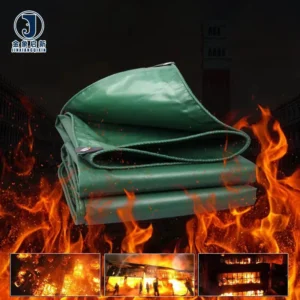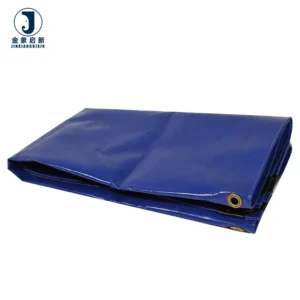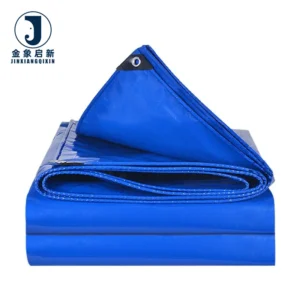
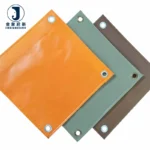

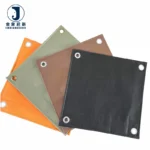
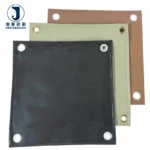
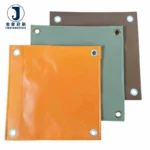
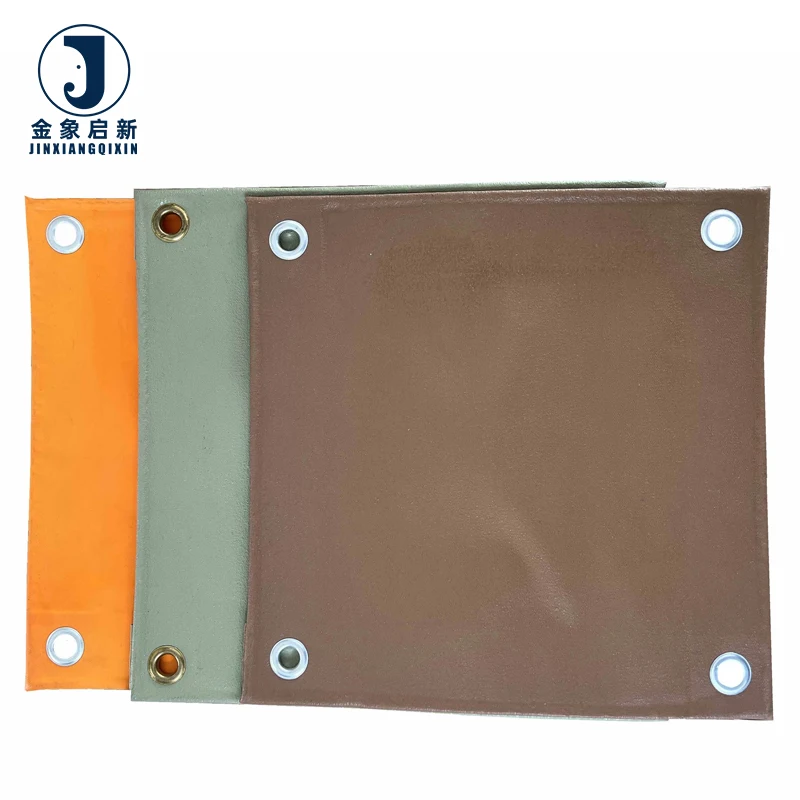
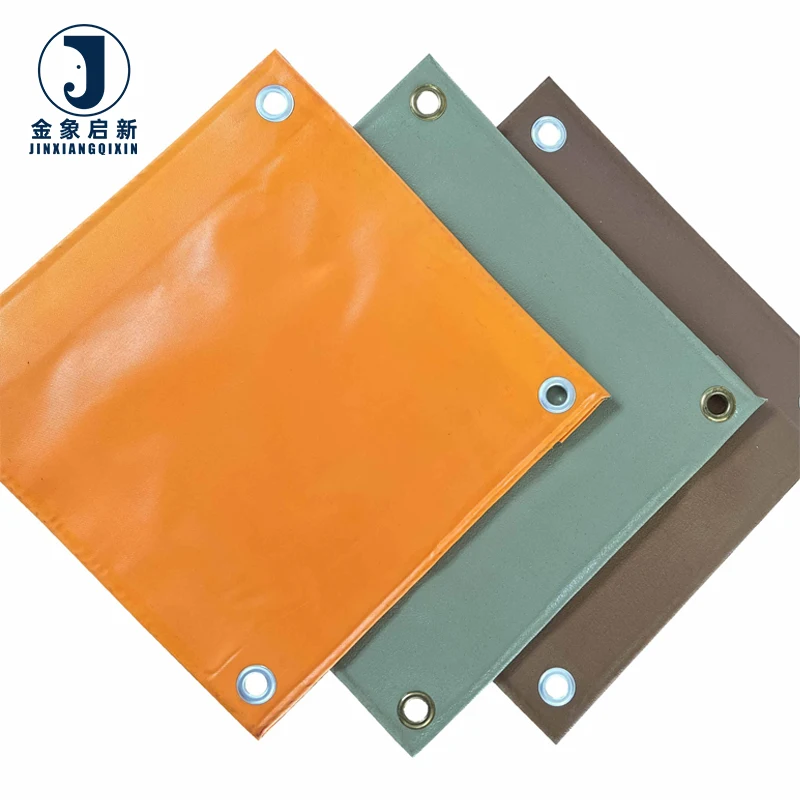
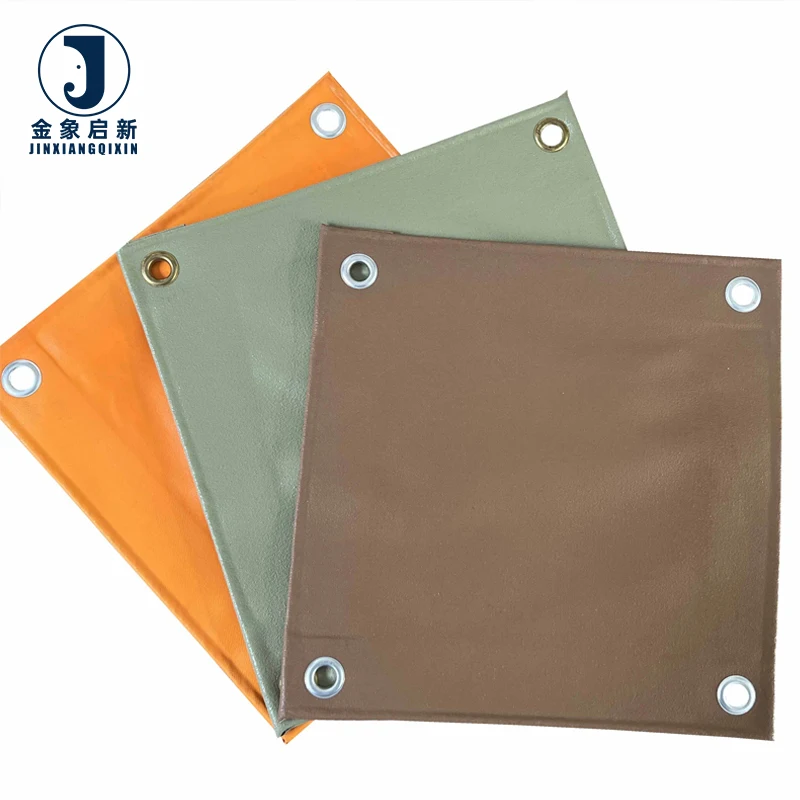
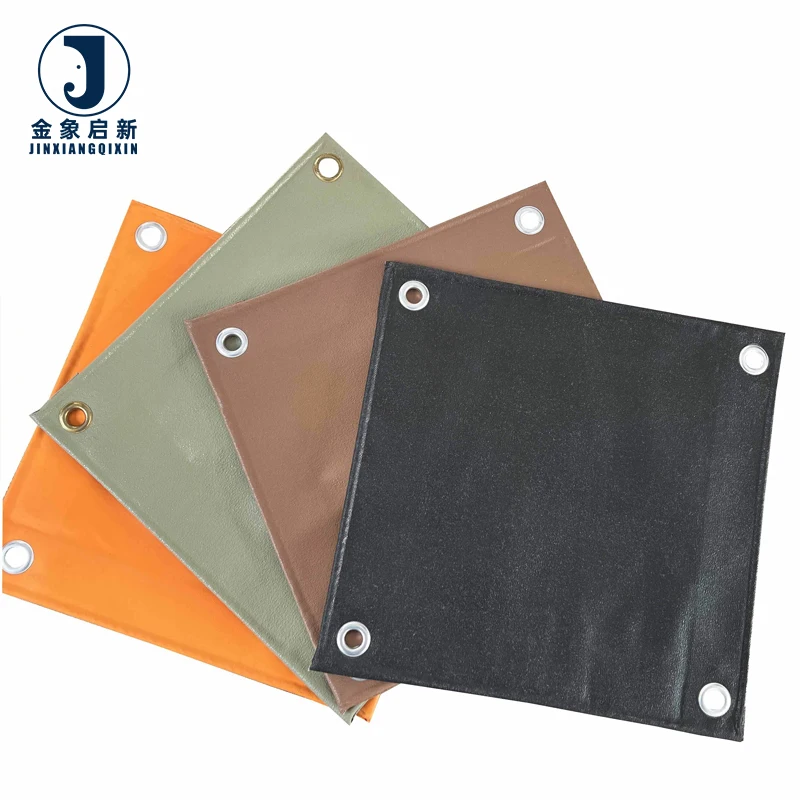
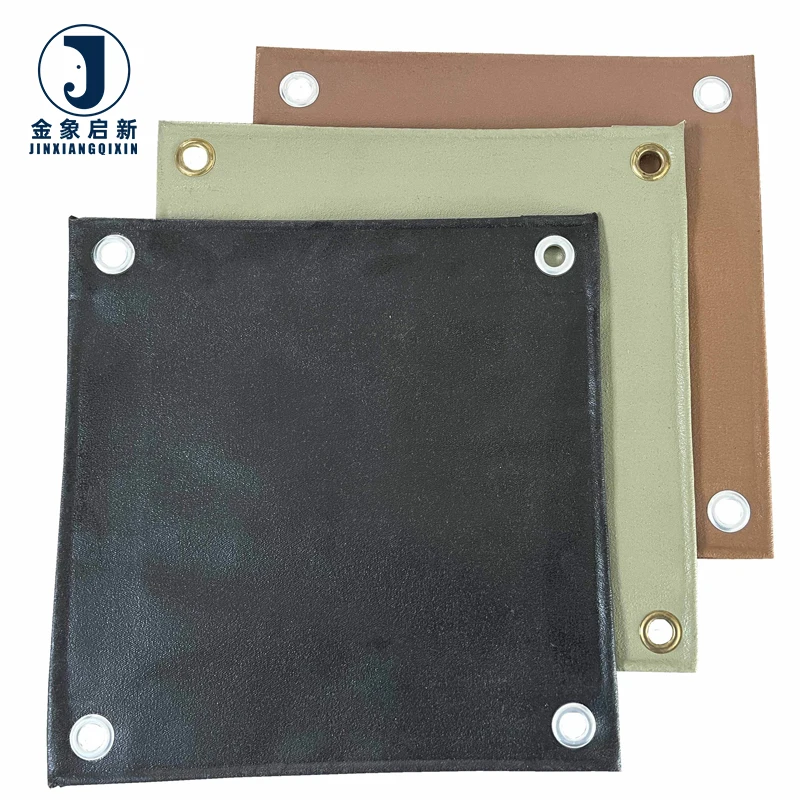
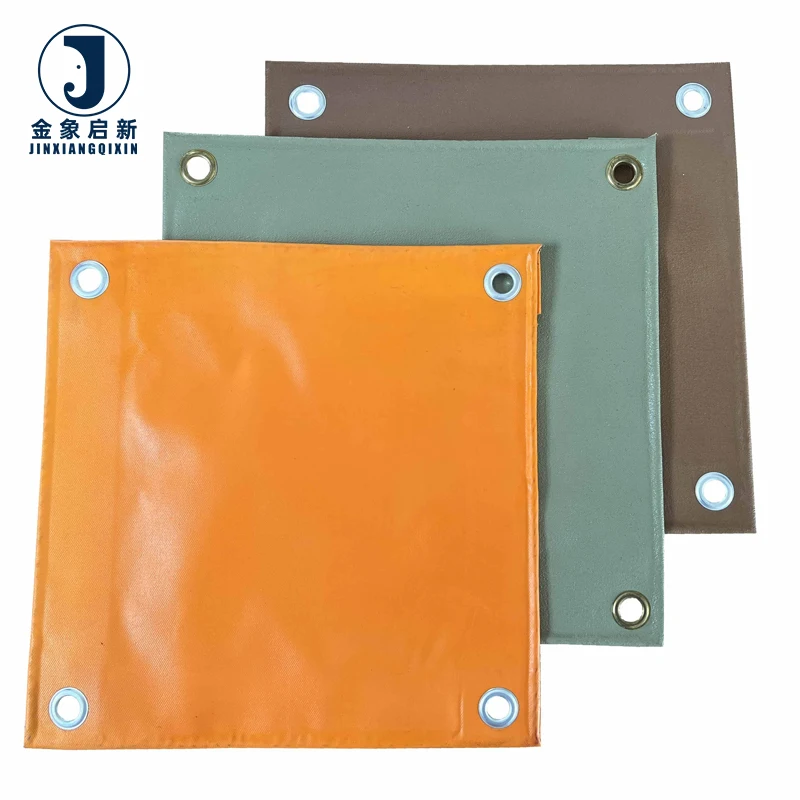
Specialist Fabrications — developed with deep process control over coating weight and adhesion, ensuring every roll of PVC coated tarpaulin meets the strict fire-retardant and anti-static specifications demanded by mining, tunnelling and aviation ventilation projects.
Technical Specifications
| Parameter | Value |
|---|---|
| Product Type | PVC Coated Tarpaulin |
| Coating Material | PVC |
| Flame Retardant | Available — confirm applicable grade (M2 / B1 / NFPA 701 / DIN 4102) for your project specification |
| Anti-Static | Available — confirm surface resistance or standard required by site safety protocol |
| Anti-Cold | Supported (test basis not stated in source) |
| Anti-Mildew | Supported (test basis not stated in source) |
| Weather Resistance | Suited to extended outdoor exposure |
| Tear Resistance | High strength construction to prevent damage during installation |
| Key Features | Flame retardant, anti-static, anti-cold and anti-mildew treatment options |
| Standards | ISO and CE certified production |
Application Suitability
| Application | Exposure & Requirement |
|---|---|
| Mining and tunnelling ventilation duct | Continuous airflow, underground fire-risk zones, mandatory fire-retardant and anti-static compliance |
| Inflatable and membrane structure fabric | Structural wind load, UV exposure, welded seam integrity under tension |
| Aviation ground support ducting | Fuel-adjacent environments, anti-static safety, rapid deployment and retrieval |
| Industrial temporary shelters | Rain, humidity, mildew-prone conditions, repeated assembly and teardown |
| Specialist fabrication and covers | Equipment protection, chemical and dust exposure, site inspection readiness |
What Happens When the Ventilation Duct Fails Its Fire Inspection
The duct material must carry a test report citing the specific grade your jurisdiction requires — a blanket "FR" label will not pass a site audit.
Ventilation duct used in underground mining or tunnelling is inspected against the project safety specification before the system can run. When the material arrives without a fire-retardant test report referencing the correct standard, the entire installation is held until replacement fabric is sourced. PVC coated tarpaulin fire retardant certified documentation is what separates a compliant delivery from a project standstill. Anti-static compliance follows the same logic: the site safety officer checks the surface resistance value against the protocol, not the supplier’s general claim [NEED_CITE: fire-retardant and anti-static compliance frameworks for underground ventilation per regional mining regulations]. Delays measured in weeks are common when material certification is treated as an afterthought rather than a procurement prerequisite.
Meeting Underground Fire and Static Safety Requirements
Mining and tunnelling ventilation ducts operate in environments where a single spark or static discharge can escalate into a catastrophic event. The PVC coated tarpaulin fire retardant certified to the applicable grade for your jurisdiction forms the first line of defence. Different regions enforce different classification systems — DIN 4102 B1 in parts of Europe, NFPA 701 in North American contexts, and M2 in other markets. Your procurement specification must name the exact standard and grade, and the test report supplied with the shipment must reference it explicitly.
Anti-Static Compliance Beyond the Label
Anti-static treatment is not a single value — it is a surface resistance range that your site safety protocol defines. When sourcing fabric for ventilation duct in explosive atmospheres, the required ohms per square must be documented. Without a measured result, anti-static is simply a marketing word on a quotation. We make anti-static treatment available on request; confirm the surface resistance standard your project demands so the correct formulation can be applied and verified before the material leaves the production line [NEED_CITE: surface resistance measurement methods for anti-static coated fabrics in explosive atmospheres].
Understanding Treatment Options and Their Real-World Impact
The coating material — PVC — provides the waterproof base, but the treatments determine whether the fabric survives the specific hazards of your deployment environment. Anti-mildew treatment matters when duct runs through humid underground galleries or tropical surface installations where fungal growth degrades fabric integrity from the inside. Anti-cold formulation prevents the PVC coating from stiffening and cracking at low temperatures, which is critical for ventilation systems operating in high-altitude tunnelling or winter mining conditions. Each treatment adds a layer of process control during coating, and each must be verified by testing rather than assumed from the product name. The relationship between base fabric denier and weave density, combined with coating weight, determines the tensile and tear performance of the finished material — a heavier coating on a low-denier base will not outperform a balanced construction where both elements are specified for the load the duct will carry. Coating method influences weld behaviour: the heat-seal temperature window and peel strength at the seam depend on how the PVC was applied to the base fabric, and this directly affects how the duct holds together at junctions and branch points where flexing concentrates stress.
The Cost of Unspecified Material in Specialist Projects
When fire-retardant grade is not specified at the inquiry stage, the material may arrive with a treatment that does not match the site requirement — and the discovery happens at inspection, not at the factory. A duct that fails its fire test underground must be stripped and replaced in conditions where access is difficult and downtime costs multiply. Anti-static fabric that measures outside the required surface resistance range triggers the same outcome [NEED_CITE: consequences of non-compliant ventilation duct material in underground mining safety audits]. Colour inconsistency between rolls matters less for duct than for architectural fabric, but batch-to-batch variation in coating weight affects weld consistency across the production run. These are not theoretical risks; they appear when material specification is left vague and the supplier fills the gap with assumptions.
Why Source Specialist Fabric Through This Production Line
Three full production lines and 36 sets of professional equipment support bulk capacity with reliable on-time delivery for large-diameter or long-run duct orders. A 10-person R&D team handles material selection, treatment formulation and sample development, allowing custom combinations of fire-retardant and anti-static treatments to be matched to your project specification before full production begins. Dedicated QA and QC at every production stage includes 100 percent inspection before shipment — every roll is checked for coating consistency, treatment uniformity and dimensional accuracy. Samples are developed within days for custom requirements, giving you physical material to test against your site protocol before committing to a production run. Nearly 30 years of focused coated fabric production provides the process knowledge to anticipate how treatment combinations interact during coating and welding [NEED_CITE: coating process control methods for multi-treatment PVC fabrics].
Documentation & Verification
- Material specification sheet stating PVC coating, treatments applied and applicable test standards for your project
- Fire-retardant test report citing specific grade and standard referenced in your site safety specification
- Anti-static test result with surface resistance value matching your required safety protocol
- Pre-shipment inspection record confirming treatment consistency and dimensional accuracy across every roll in the order
- ISO and CE certificates covering the production facility and quality management system
- Certificate of origin and customs documentation for international shipment
Fabrication, Handling & Storage
- Hot-air welding temperature and speed must be calibrated to the PVC coating formulation — request recommended parameters before production begins
- High-stress junctions on duct branches require overlap width and weld pass count suited to the fabric construction and coating weight
- Store rolls upright on pallets in a dry, shaded area to prevent flat-spot deformation of the PVC coating surface
- In cold climates, allow rolls to acclimatise to ambient temperature before unrolling to avoid cracking the anti-cold treated PVC coating
- Clean deployed fabric with mild detergent and soft brush — avoid solvents that may degrade anti-mildew or anti-static surface treatments
- Field repairs on punctured duct sections should use compatible PVC repair patches welded at the same temperature range as the primary seams
Requesting a Specification Match for Your Project
To move from inquiry to sample, provide the fire-retardant grade and anti-static standard your project specification requires, along with the deployment environment — underground, surface, tropical or cold-climate. Specify the duct diameter, run length and any branch or junction geometry so we can recommend roll width and fabrication guidance. Indicate whether you need rolls for your own fabrication facility or cut-and-sewn duct sections ready for site installation.
Frequently Asked Questions
Q: Which flame-retardant grade does your project specify, and how does it map to M2, B1, NFPA 701 or DIN 4102?
A: Each market enforces a different classification system for fire performance of coated fabrics. We supply material tested to the grade your jurisdiction requires, but the specific standard must be stated at the inquiry stage so the correct formulation is applied. The test report shipped with your order will cite the exact grade and test method referenced in your project specification, not a generic FR claim.
Q: What surface resistance or standard does your site safety protocol require for anti-static ventilation duct?
A: Anti-static performance is defined by a measurable surface resistance value, not a general label. Your site safety protocol or the applicable mining regulation will specify the required ohms-per-square range. Provide that value when requesting a quotation, and the treatment will be formulated and verified against it before production. The test result accompanies the shipment documentation.
Q: How is PVC coated technical fabric maintained and repaired in underground or remote deployment?
A: Routine maintenance involves visual inspection of weld seams and coating surfaces at scheduled intervals. Minor punctures can be repaired on-site using compatible PVC patches welded at the recommended temperature for the specific coating formulation. Avoid abrasive cleaning tools and solvent-based cleaners that may compromise anti-mildew or anti-static surface treatments applied during production.
Q: What welding and seam construction methods are recommended for fire-retardant PVC duct fabrication?
A: Hot-air welding is the standard method, with temperature, speed and overlap width calibrated to the coating weight and fire-retardant treatment formulation. High-stress points at duct branches and junctions require increased overlap or additional weld passes. Request the recommended welding parameters specific to your material specification before beginning fabrication to ensure seam strength matches the fabric performance.
Q: What are the lead times and minimums for custom widths or specialist treatment combinations?
A: Lead times depend on the combination of treatments required and the roll width specified. Custom fire-retardant and anti-static combinations may require a separate production run to ensure treatment consistency. Sample development is completed within days for approval before full production. Contact us with your width, length and treatment requirements for a project-specific schedule and minimum order confirmation.