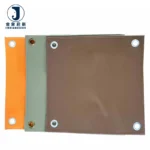
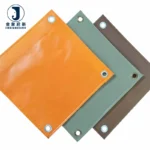

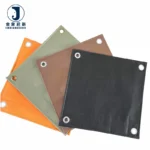
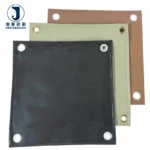
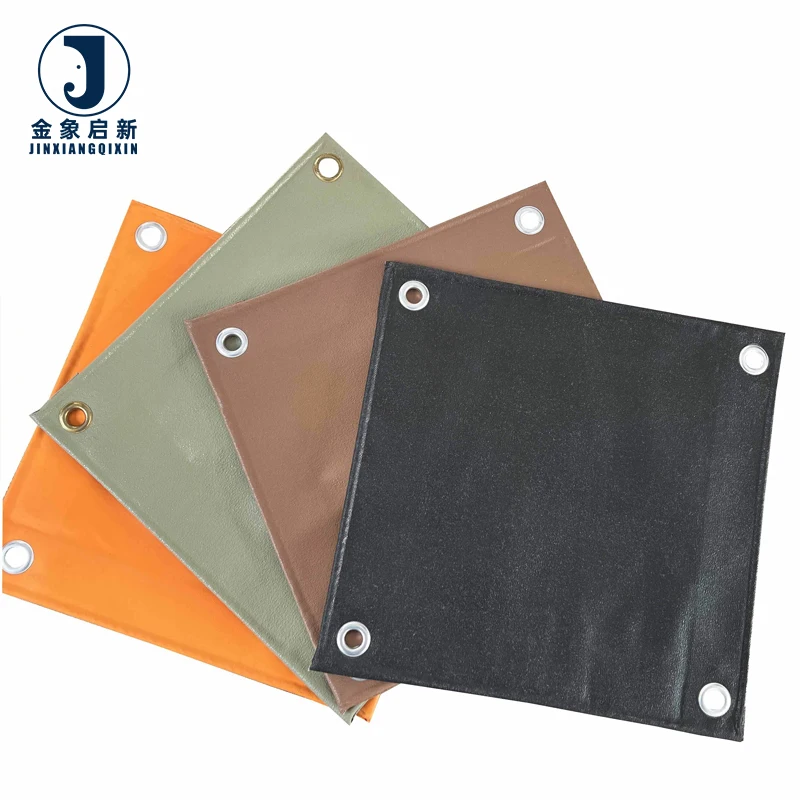
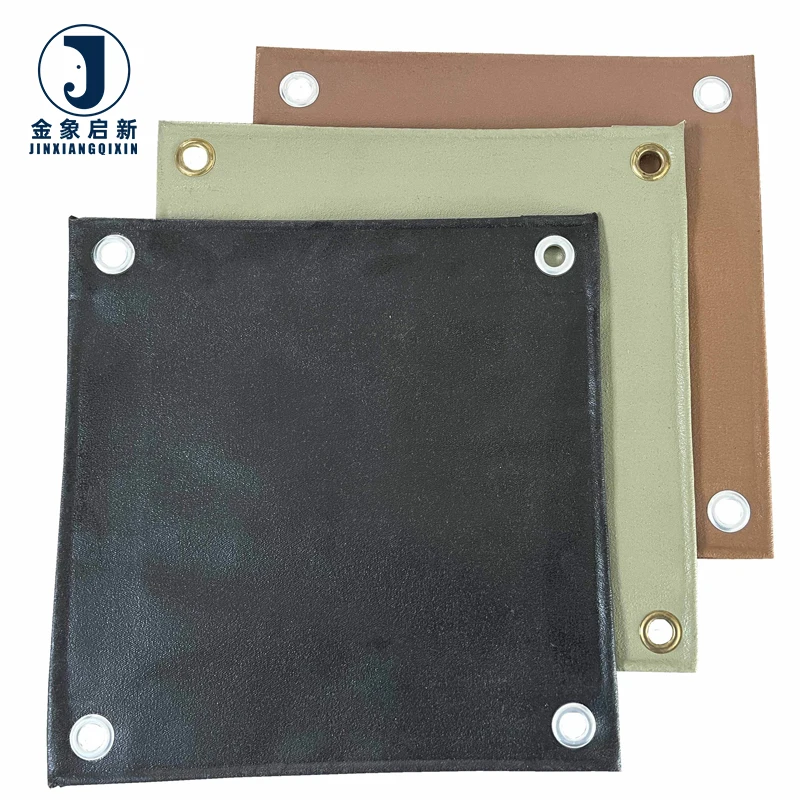
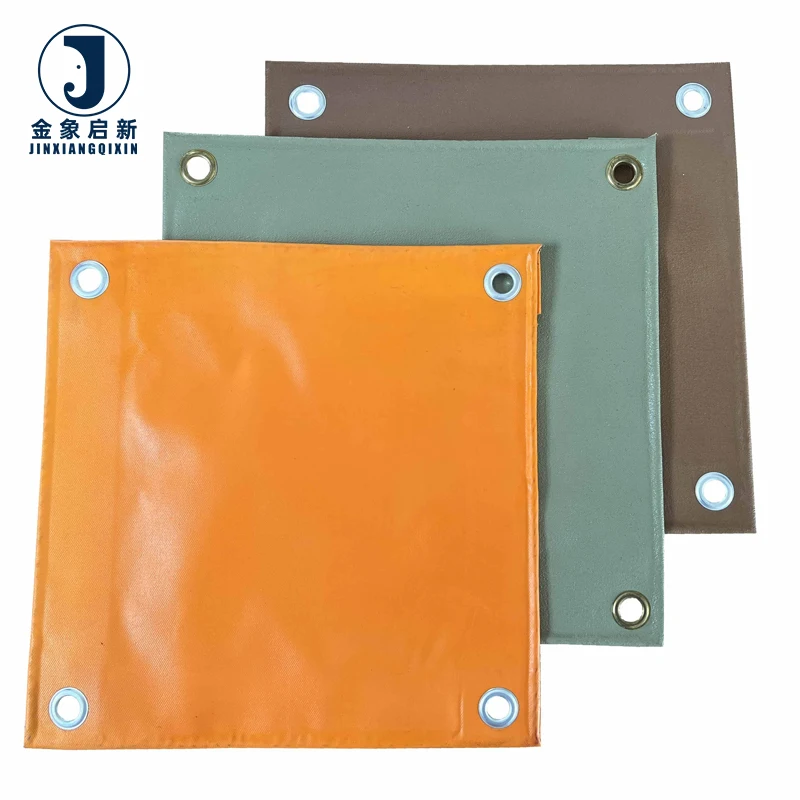
Specialist Compliance — every roll of PVC coated tarpaulin ships with the fire retardant or anti-static test report your site safety plan demands, verified before dispatch.
Technical Specifications
| Parameter | Value |
|---|---|
| Product Type | PVC Coated Tarpaulin |
| Coating Material | PVC |
| Weather Resistance | 1–3 years outdoor life assurance (test basis not stated in source) |
| Flame Retardant Grade | Available — confirm grade required for your market (M2 / B1 / NFPA 701 / DIN 4102) |
| Anti-Static Treatment | Available — confirm surface resistance to site specification |
| Anti-Cold Treatment | Available for low-temperature flexibility |
| Anti-Mildew Treatment | Available for high-humidity or tropical deployment |
| Waterproof | Yes |
| Strength | High tensile strength for installation damage prevention (test standard not stated in source) |
| Key Features | Flame retardant, anti-static, anti-cold, anti-mildew treatments available in combination |
Application Suitability
| Application | Exposure & Requirement |
|---|---|
| Mine and tunnelling ventilation duct | Continuous airflow, coal dust or gas atmosphere — requires fire-retardant and anti-static certification to site regulatory jurisdiction |
| Aviation ground support ducting | Jet blast proximity, fuel vapour zones, temporary enclosure use — flame retardant grade tied to airport authority specification |
| Inflatable and membrane structures | Wind load, solar UV, public occupancy fire code — treatment package matched to structure classification |
| Industrial equipment covers in cold climates | Sub-zero storage yards, freeze-thaw cycling — anti-cold formulation to maintain flexibility below standard PVC glass transition |
| Tropical warehouse and stockpile covers | Persistent high humidity, fungal growth risk — anti-mildew treatment to prevent fabric degradation and staining |
What Happens When Ventilation Duct Fabric Lacks Certified Fire Retardant and Anti-Static Treatment
A ventilation duct without the fire retardant grade and anti-static certification your site mandates is a compliance failure waiting to be found.
Mining and tunnelling contractors regularly receive duct fabric described generically as "fireproof" with no test standard behind the claim. When the site inspector asks for the certificate, the supplier produces a generic material safety sheet that does not reference the duct material or the applicable fire classification. The installation halts until replacement fabric with proper documentation arrives [NEED_CITE: fire safety compliance for underground ventilation ductwork]. The same pattern repeats with anti-static requirements — a surface resistance value is needed for the site safety plan, but the quotation only says "anti-static" without a measurement method or result. Sourcing PVC coated tarpaulin for these environments means specifying the exact treatment package and requiring the matching test report before the order is placed, not after.
Matching the Treatment Package to Your Compliance Standard
Every project involving ventilation duct or specialist membrane structures carries a regulatory jurisdiction that dictates which fire retardant grade applies. A mine in Western Australia references different standards than a tunnelling project in Scandinavia or an aviation hangar in North America. The PVC coated tarpaulin fire retardant anti-static certified fabric must be tested to the specific standard your authority having jurisdiction requires — DIN 4102 B1, NFPA 701, or M2 classification each involve different test methods and pass criteria [NEED_CITE: DIN 4102 fire classification for building materials]. Confirming the target standard at the enquiry stage prevents the situation where a roll arrives on site and the inspector rejects it because the test report references a standard from a different market.
How Anti-Static and Anti-Cold Treatments Interact with Fabrication
Anti-static treatment alters the surface chemistry of the PVC coating, which affects how the material behaves during high-frequency welding or hot-air seaming. The surface resistance value must be measured and documented, but equally important is confirming that the welding parameters remain stable with the treatment in place. Anti-cold formulation lowers the glass transition temperature of the coating compound, allowing the fabric to remain flexible during installation in sub-zero conditions — but the plasticiser system used for cold resistance may interact with the anti-static additive. Requesting a fabrication sample that carries both treatments lets you validate weld strength and seam integrity before committing to full production [NEED_CITE: tensile and tear test methods for coated fabrics per ISO 1421].
Reading the Specification Sheet Beyond the Treatment Claims
The base fabric denier and weave density determine how the PVC coated tarpaulin handles tensile and tear loads during installation and service. A high-denier yarn in a tight weave resists tear propagation when the duct is pressurised or when a membrane structure catches a gust load, but the coating weight and adhesion method determine whether the coating stays bonded to the base fabric under that stress. Knife-over-edge coating typically produces higher peel strength than laminating, which matters when the material flexes repeatedly at duct joints or structure connection points. The treatment additives — fire retardant, anti-static, anti-cold, anti-mildew — sit within the coating compound itself, so the coating weight and method directly influence how uniformly those treatments perform across the roll width and from roll to roll within the same batch.
The Cost of Accepting Generic Treatment Descriptions
When a ventilation duct is installed underground with fabric that carries no fire retardant test report, the entire duct run may need to be pulled and replaced once the compliance audit identifies the documentation gap. The material cost is only part of the exposure — the labour to remove and reinstall, the ventilation downtime, and the regulatory delay all compound the loss. Similarly, anti-static fabric supplied without a surface resistance measurement leaves the contractor unable to demonstrate compliance to the site safety plan, which can halt operations in gas-affected or dust-prone environments [NEED_CITE: electrostatic discharge hazards in mining ventilation systems]. Anti-mildew treatment claimed but not verified shows up as fungal staining within months in tropical deployments, degrading both appearance and coating integrity long before the expected service life.
Why Technical Buyers Source This Fabric Here
Three full production lines with 36 sets of professional equipment allow concurrent runs of treated and standard grades, so a custom fire retardant or anti-static order does not sit behind unrelated production. The 10-person R&D team develops treatment formulations matched to specific compliance standards, producing samples within days so you can validate weld behaviour and surface resistance before placing the full order. Every roll undergoes dedicated QA/QC at each production stage with 100% inspection before shipment — the treatment verification is documented, not assumed. Nearly 30 years of coated fabric process control means coating weight, additive dispersion, and adhesion are managed through formulation and line parameters, not left to batch-to-batch chance. Documentation ships with the consignment: material specification sheet, treatment test reports, ISO and CE certificates, and pre-shipment inspection records that your site inspector can review on arrival.
Documentation & Verification
- Fire retardant test report stating grade and standard matched to your project jurisdiction
- Anti-static surface resistance measurement result to your site safety specification
- Material specification sheet confirming coating type, treatment package, and base fabric construction
- ISO and CE certificates included with each shipment
- Pre-shipment inspection record covering treatment verification and coating weight check
Fabrication, Handling & Storage
- Validate high-frequency weld parameters on treated PVC coated tarpaulin samples before full production runs
- Anti-cold formulated rolls should be stored above freezing and allowed to acclimatise before unrolling on site
- Confirm seam strength at duct joints where pressurised flex loads concentrate on welded PVC coated tarpaulin seams
- Anti-mildew treated fabric should not be stored in contact with untreated rolls to prevent additive transfer
- Use compatible cleaning agents that do not strip anti-static or fire retardant treatment from the PVC coating surface
Specifying Your Treatment Package for Compliance
Tell us the regulatory jurisdiction and the fire classification standard your project requires — DIN 4102, NFPA 701, M2, or B1 — and we will match the flame retardant formulation and supply the corresponding test report. If anti-static treatment is needed, provide the surface resistance range your site safety plan specifies. Confirm whether anti-cold or anti-mildew treatments should be combined on the same fabric, and state your required roll width, colour, and quantity so we can confirm lead time and sampling schedule.
Frequently Asked Questions
Q: What fire retardant grades are available and which test standard applies to my market?
A: The PVC coated tarpaulin is available in flame retardant grades aligned with standards including M2, B1 per DIN 4102, and NFPA 701. The correct grade depends on your project’s regulatory jurisdiction and the authority having jurisdiction over your site. Provide your target market and application, and the matching test report will be supplied with the shipment to demonstrate compliance on site.
Q: How is anti-static performance measured and what surface resistance value can I expect?
A: Anti-static performance is assessed by measuring the surface resistance of the treated PVC coating. The target value depends on your site safety plan and the hazard classification of the environment. Confirm the surface resistance range your project requires, and a test result will be provided with documentation to verify compliance before installation begins.
Q: Can anti-cold and anti-mildew treatments be combined on the same fabric?
A: Yes, anti-cold and anti-mildew treatments can be applied together within the PVC coating compound on the same roll. The formulation team adjusts the additive package to ensure both treatments perform without interfering with each other or with fabrication processes such as welding. Request a sample carrying the combined treatment to validate handling and seam behaviour for your specific application.
Q: What documentation is supplied to prove treatment compliance on site?
A: Each shipment includes a material specification sheet confirming the treatment package, fire retardant test report stating the grade and standard, anti-static surface resistance result where applicable, ISO and CE certificates, and a pre-shipment inspection record. These documents allow your site inspector to verify that the fabric meets the compliance requirements stated in your project specification.
Q: How do I specify the right treatment package for aviation, mining or membrane structure use?
A: Start by identifying the regulatory standard your project must meet and the environmental conditions the fabric will face — fire risk classification, electrostatic hazard level, temperature range, and humidity exposure. Provide these details along with your required dimensions and quantity, and the R&D team will recommend the treatment combination, develop a sample, and supply the matching documentation for your approval before production.