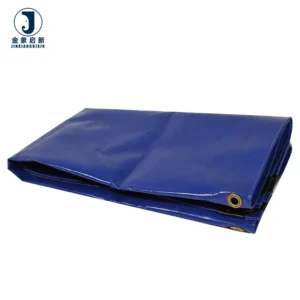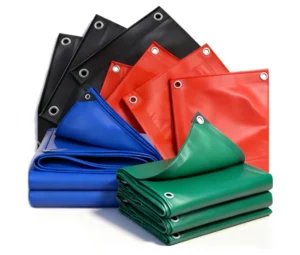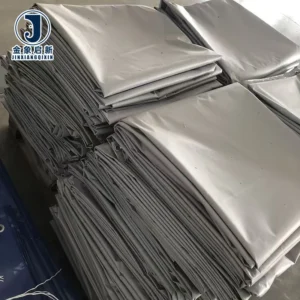
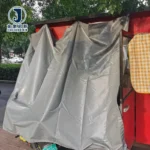
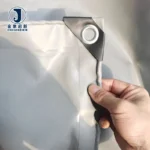
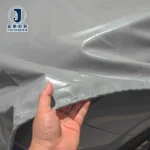
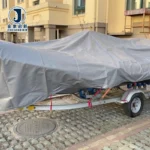
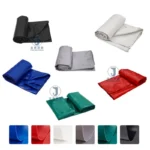
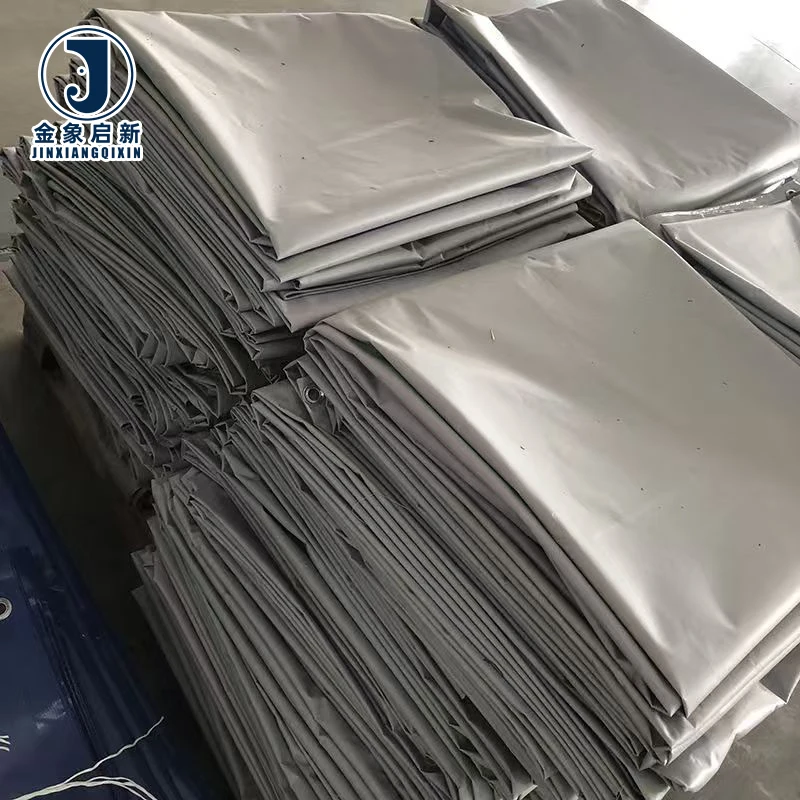
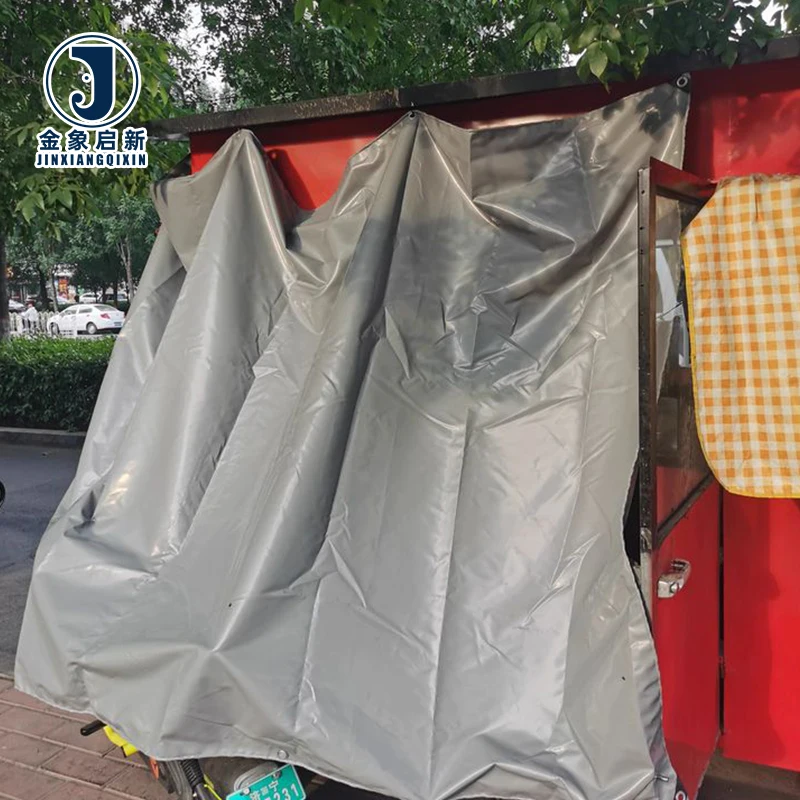
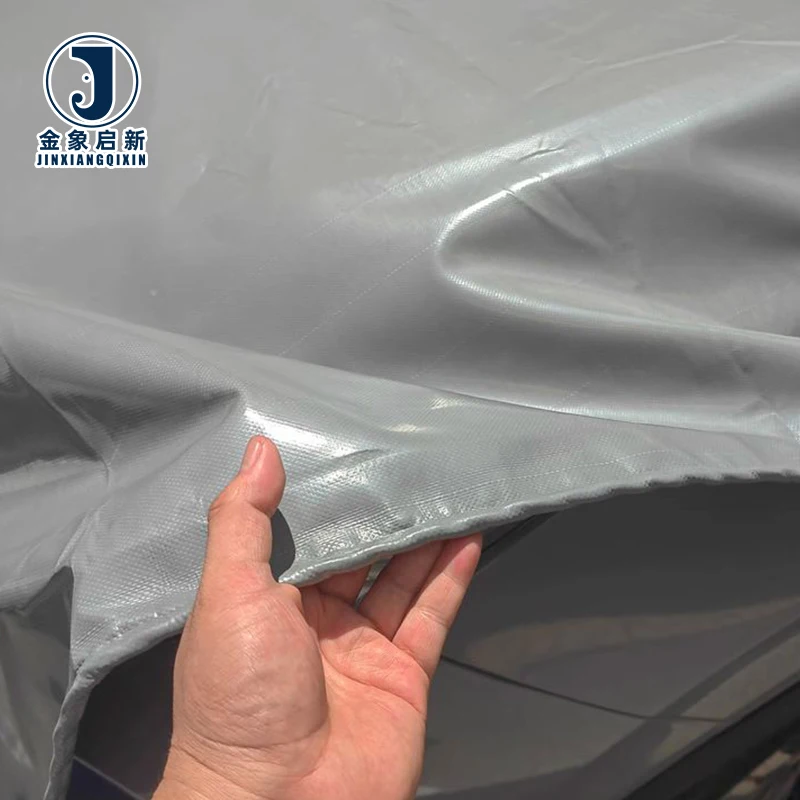
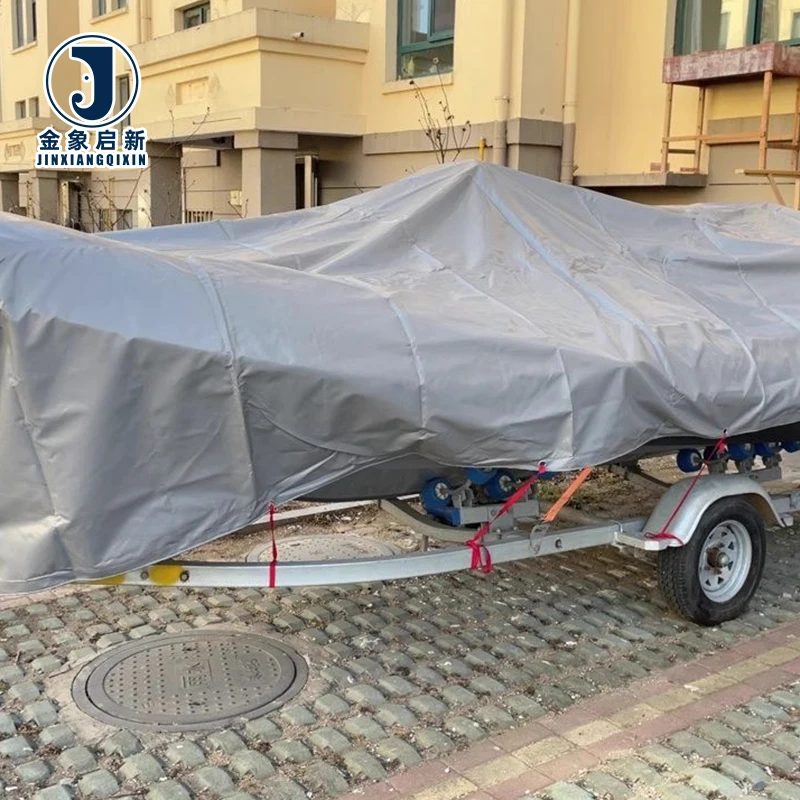
Coating process control — hot melt and lamination technology delivers consistent PVC adhesion across 650gsm polyester base fabric for industrial ventilation and transport covering applications.
Technical Specifications
| Parameter | Value |
|---|---|
| Product Type | PVC Coated Tarpaulin |
| Base Fabric | 100% high toughness polyester yarn |
| Weight | 650gsm |
| Size | 12m by 12m |
| Coating Method | Lamination technology and hot melt coating technology |
| Thickness | 0.70–1.0 mm |
| Tensile Strength | Meridian 2000–2500 / Latitude 1800–2200 N/5cm (test basis not stated in source) |
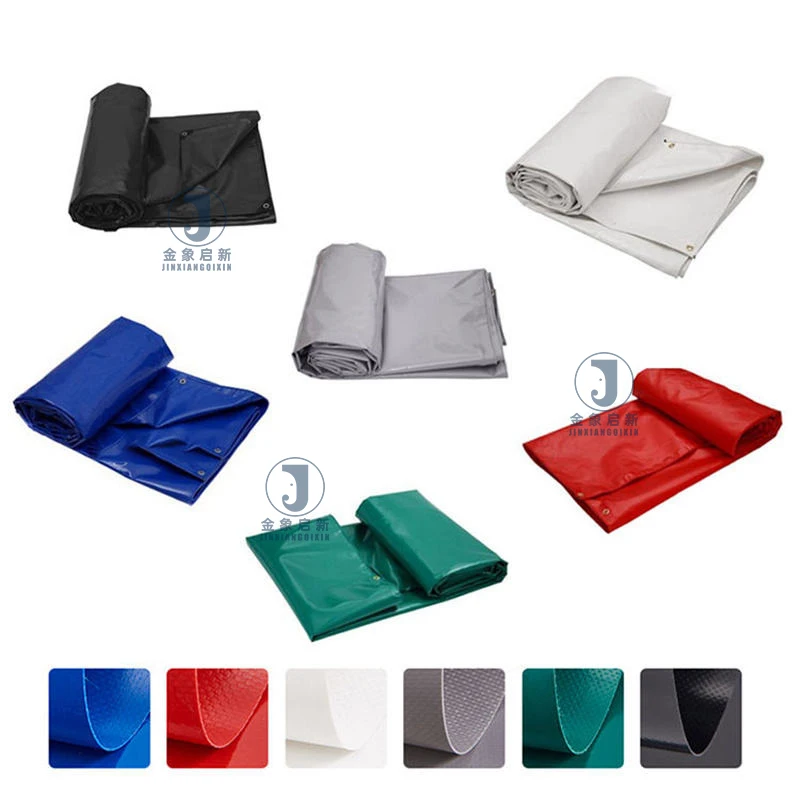
| Color Options | Blue, Blue/Orange, Green, Grey, Black, Clear, Grey/Green, Orange, or custom color |
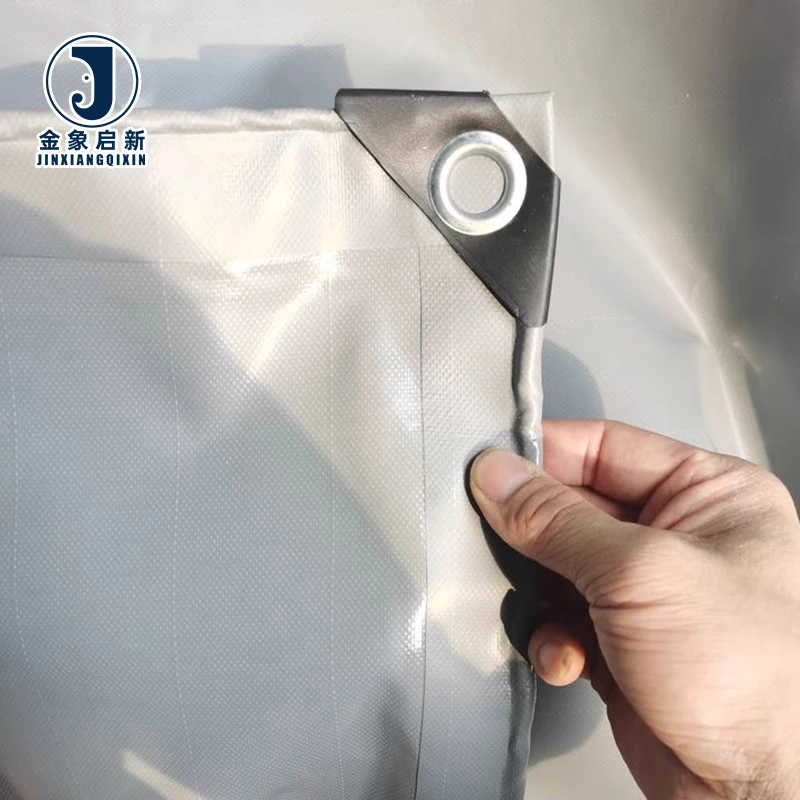
| Edge Finishing | With eyelets and reinforced hems |
| Flame Retardant | Available in flame retardant grades — confirm the grade required for your market |
| Anti-Static | Anti-static treatment available — confirm the standard required for your project |
| UV Treatment | Anti-UV treatment available — confirm test basis for your specification |
| Cold Resistance | Cold resistant cracking formulation |
| Mildew Resistance | Mold proof |
| Standards | ISO, CE |
Application Suitability
| Application | Exposure & Requirement |
|---|---|
| Mining and tunnelling ventilation ducts | Continuous airflow, underground moisture, fire safety compliance, anti-static discharge risk |
| Aviation ground support air ducts | Fuel vapour environment, fire retardant certification, frequent installation and removal |
| Heavy truck and trailer load covering | Road abrasion, constant flexing at load points, UV and weather exposure, tie-down tension |
| Tensioned membrane and inflatable structures | Wind load tension, sustained air pressure, long-term UV and temperature cycling |
| Construction site equipment covers | Dust ingress, rain exposure, mechanical contact with machinery edges |
What Compliance Certification Actually Means for Your PVC Coated Tarpaulin for Ventilation and Technical Fabric
A fire retardant or anti-static claim without a referenced standard is not compliance — it is a liability waiting for an inspection.
Ventilation ducts installed underground or in aviation facilities are subject to site audits where the inspector asks for the test report, not the data sheet. When the supplier cannot produce a certificate referencing a recognized standard such as M2, B1 per DIN 4102, or NFPA 701, the entire installation may be rejected. [NEED_CITE: fire classification standards for coated fabrics in ventilation applications per DIN 4102 and NFPA 701] For anti-static requirements in mining ventilation, surface resistance values must fall within the range specified by the site safety plan, and the test method must be documented. Sourcing PVC coated tarpaulin for ventilation and technical fabric without confirming these details up front leads to material already cut, welded, and hung before the gap is discovered.
Hot Melt Coating and Adhesion Behaviour in Duct Fabrication
Hot melt coating technology bonds the PVC layer to the high toughness polyester yarn base under controlled temperature and pressure. This process produces consistent adhesion across the full 650gsm weight, which matters directly when fabricators run heat welding along seam lines for duct construction. PVC coated tarpaulin for ventilation and technical fabric fabricated from hot melt coated stock tends to show weld tear strength at or above the base fabric strength, meaning the seam does not become the failure point under flexing or air pressure loading. Lamination technology complements this by adding structural stability to the composite, reducing delamination risk during repeated folding and unfolding on site.
Fire Retardant and Anti-Static Treatment for Regulated Environments
Mining, tunnelling, and aviation ventilation ducts operate in environments where static discharge or ignition sources pose real hazard. The anti-static and flame retardant treatments available on this PVC coated tarpaulin for ventilation and technical fabric must be specified against the standard your site requires before production begins. [NEED_CITE: anti-static surface resistance requirements for underground ventilation duct per ISO 2882] Different markets reference different frameworks — European projects may call for M2 or B1, while North American specifications often cite NFPA 701. Our R&D team develops samples with the requested treatment and provides the test documentation so your compliance file is complete before the fabric ships.
Reading the Specification Sheet Beyond Weight Alone
The 650gsm weight of this PVC coated tarpaulin tells you the total mass per square metre of base fabric plus coating, but tensile and tear performance depend on how that mass is distributed. The 100% high toughness polyester yarn base carries the structural load, while the PVC coating contributes waterproofing, chemical resistance, and weldability. Tensile strength readings of Meridian 2000–2500 N/5cm and Latitude 1800–2200 N/5cm indicate directional performance that fabricators must account for when orienting panels in a duct or truck cover layout. The hot melt coating method produces stronger PVC-to-yarn adhesion than simple knife coating, which translates to better peel resistance at welded seams. Thickness in the 0.70–1.0 mm range places this material in the heavy-duty segment, suitable for applications where puncture resistance and rigidity under tension are required.
The Hidden Cost of Specifying Without a Standard Reference
When a purchase order states "flame retardant" without naming the grade, the supplier may deliver material treated to a standard that does not match your jurisdiction. The duct passes visual inspection but fails the fire marshal’s test, requiring full removal and replacement underground. [NEED_CITE: documented cases of ventilation duct replacement due to non-compliant fire retardant specification] Similarly, GSM figures quoted without pre-shipment verification can arrive lighter than agreed, reducing tensile margins and shortening service life under flexing loads. Anti-static treatment applied without a measured surface resistance value gives no assurance the fabric meets the threshold your safety plan demands. These gaps only surface after fabrication, when the cost of correction includes labour, downtime, and replacement material.
Why Technical Buyers Source This PVC Fabric Here
Nearly three decades focused on coated fabric production gives the process team deep control over coating weight distribution and adhesion consistency across every roll. Three full production lines with 36 sets of professional equipment handle bulk orders for ventilation duct fabric and heavy-duty truck tarpaulin with reliable on-time delivery schedules. The 10-person R&D team supports material selection, treatment specification, and sample development within days rather than weeks, so you confirm fire retardant grade, anti-static level, and colour before committing to production volume. Dedicated QA/QC runs at every stage, with 100% inspection before shipment catching GSM deviation and coating defects before they reach your facility. Documentation packages ship with every order, structured to satisfy site auditors and compliance officers without additional back-and-forth.
Documentation & Verification
- Material specification sheet confirming 650gsm weight, polyester base fabric, and hot melt coating method per roll
- Test report for flame retardant and anti-static treatment referencing the specific standard required for your project
- ISO and CE certificates included with each shipment for compliance file assembly
- Pre-shipment inspection record verifying GSM, colour consistency, and eyelet placement against order specification
- Roll packing list with net weight, gross weight, and dimensions for customs and warehouse receiving
- Certificate of origin and customs documentation for international freight clearance
Fabrication, Handling & Storage
- Set heat welder temperature and dwell time to match 650gsm hot melt coated PVC — test on offcut before production run
- Eyelet spacing on 12m by 12m sheets should account for tie-down load distribution and wind uplift on exposed installations
- Store rolls upright on pallets in shaded, dry conditions to prevent compression marks on the PVC coating surface
- Allow cold-stored rolls to reach ambient temperature before unrolling to avoid cracking the cold resistant formulation
- Use mild detergent and soft brush for cleaning — solvent-based cleaners may affect the anti-static surface treatment
- When cutting panels for duct fabrication, orient the warp direction along the primary stress axis for maximum tensile performance
How to Structure Your Enquiry
To move from specification to sample, provide the fire retardant or anti-static standard your site requires so the R&D team can formulate and test before quoting. Confirm whether you need the 12m by 12m cut sheets with eyelets or roll stock for your own fabrication line. Specify annual volume and colour requirements so production scheduling and batch consistency can be planned accordingly. Request a sample panel to verify coating adhesion, weld behaviour, and treatment performance under your own test protocol before placing the production order.
Frequently Asked Questions
Q: Can you provide third-party test reports for flame retardant and anti-static treatment?
A: Yes. Once you specify the standard required — such as M2, B1 per DIN 4102, or NFPA 701 for flame retardant, and the surface resistance range for anti-static — our R&D team formulates the treatment and arranges testing. The report ships with your documentation package so your site compliance file is complete on arrival.
Q: How do you verify that the 650gsm weight is accurate on delivery?
A: Every roll undergoes 100% pre-shipment inspection where GSM is measured and recorded against the stated specification. The inspection record accompanies your shipment documentation, giving you a baseline to cross-check on arrival before cutting or fabrication begins.
Q: Is the weld strength of this PVC coated tarpaulin sufficient for duct construction?
A: Hot melt coating technology produces strong PVC-to-yarn adhesion, and welded seams on 650gsm stock typically match or exceed the base fabric tensile strength. We recommend running a weld test on an offcut with your equipment settings to confirm parameters before full production.
Q: What is the lead time and minimum order for custom sizes and treatments?
A: Custom cut sizes, specific flame retardant grades, and anti-static treatments require sample approval before production. Lead times depend on order volume and treatment complexity. Share your dimensions, treatment standard, and required quantity so we can confirm scheduling and minimums for your project.
Q: Can I receive a sample before committing to a bulk order?
A: Yes. Our 10-person R&D team develops sample panels within days based on your specification — including GSM, colour, fire retardant grade, and anti-static treatment. Evaluate weld behaviour, tensile performance, and treatment compliance on the sample before confirming your production order.