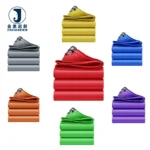
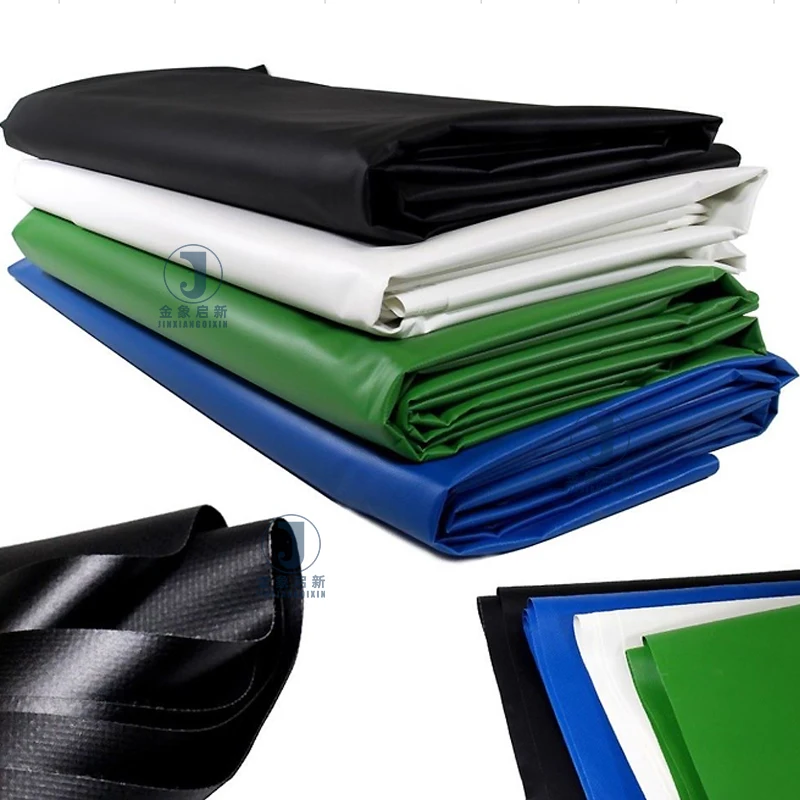
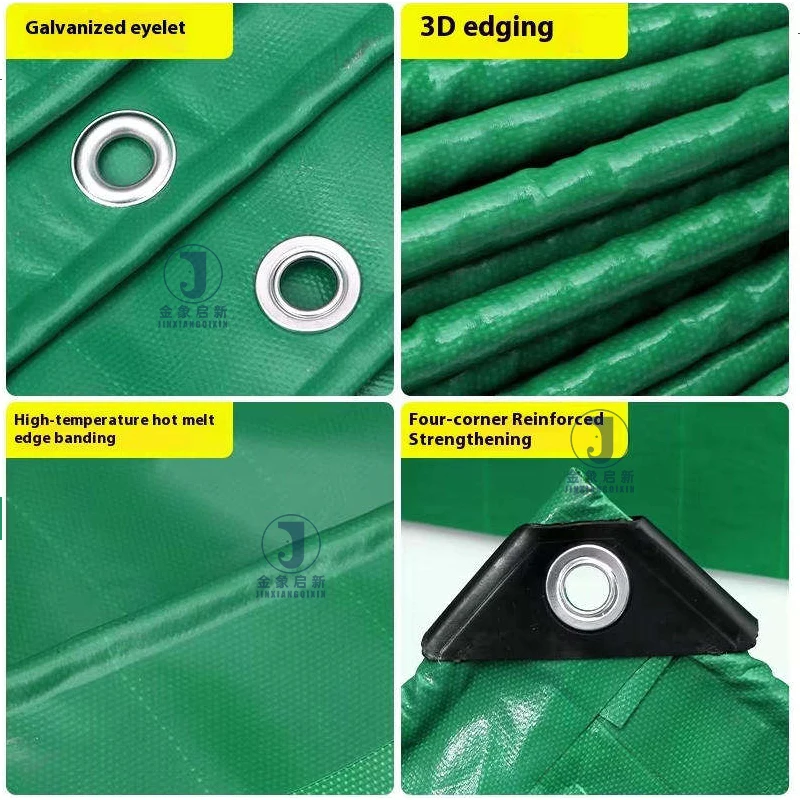
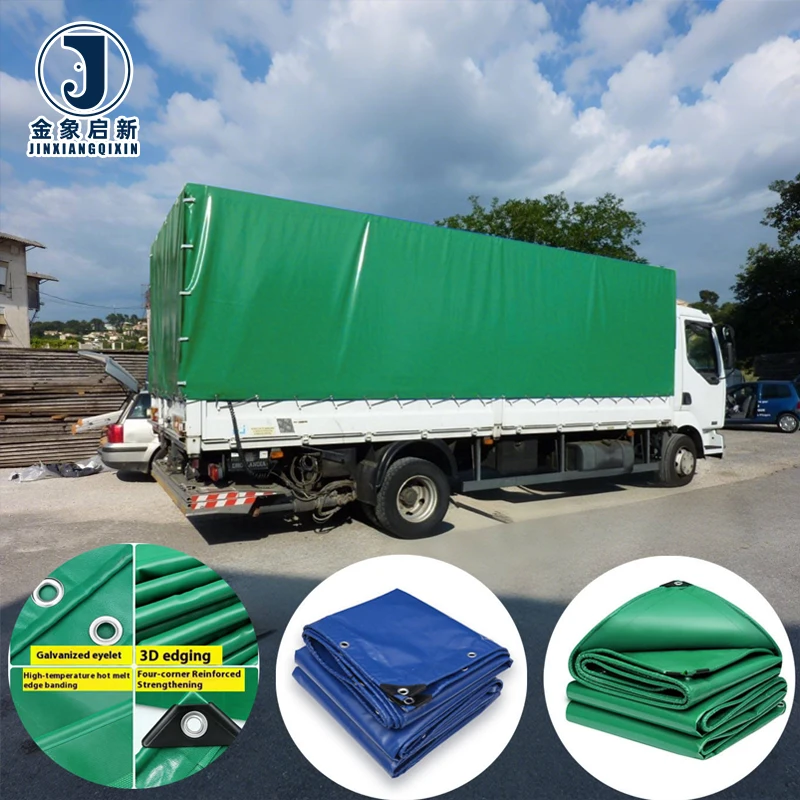
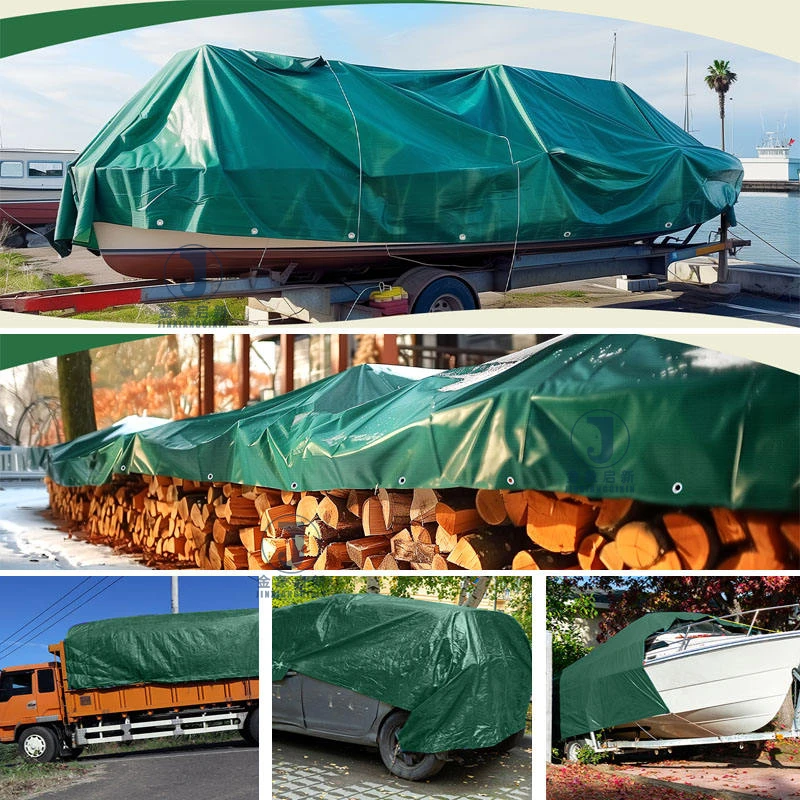
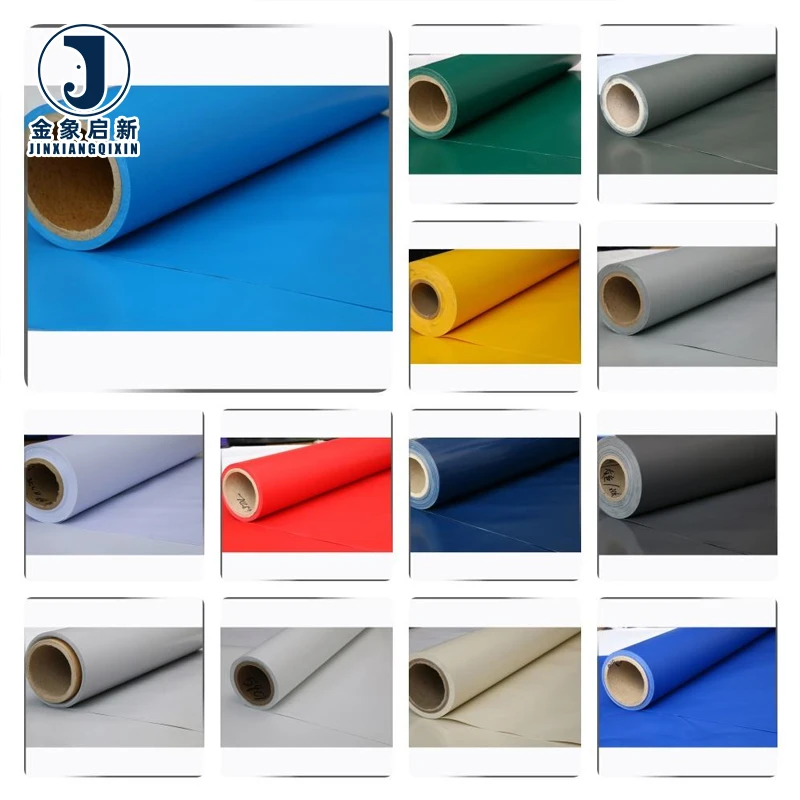
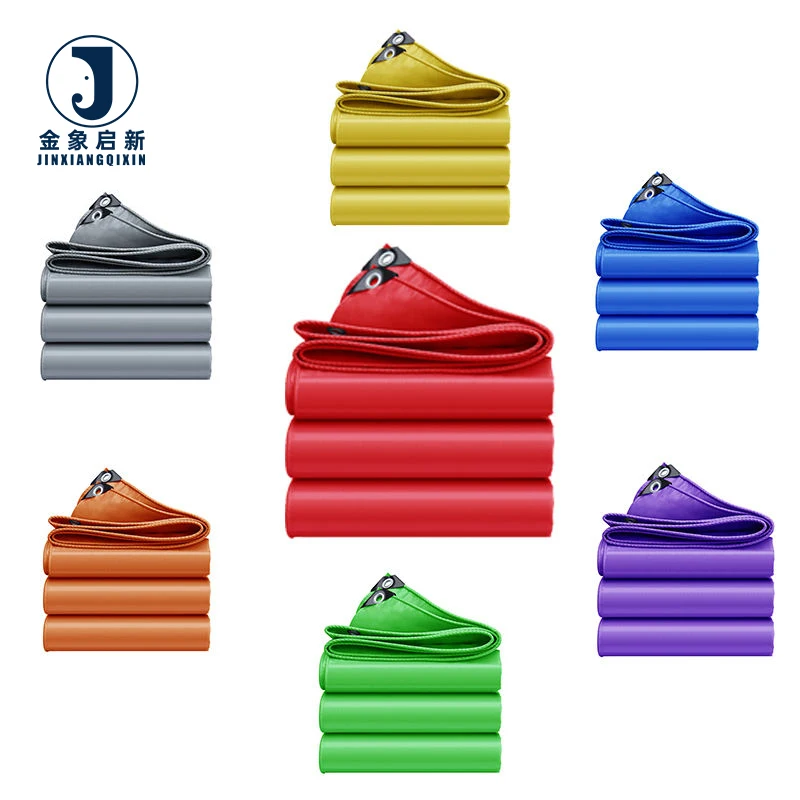
Certified Material Traceability — Every roll of fire-retardant and anti-static PVC coated tarpaulin leaves our facility with test documentation matched to the exact treatment grade specified on your purchase order.
Technical Specifications
| Parameter | Value |
|---|---|
| Product Type | PVC Coated Tarpaulin Roll |
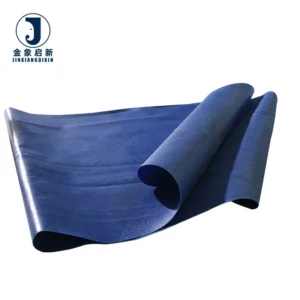
| Base Fabric | 100% high tenacity polyester yarns |
| Coating Material | PVC |
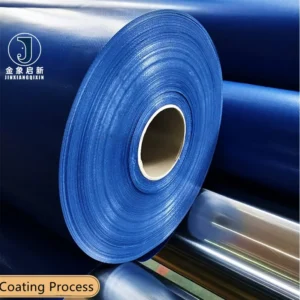
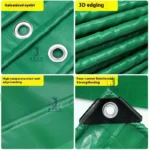
| Coating Method | Laminated technology & Hot-melt Coating technology |
| Waterproof | Yes |
| Anti-Mildew | Yes |
| Cold Crack Resistance | Yes |
| Welding Tear Strength | Outstanding tearing strength for welding |
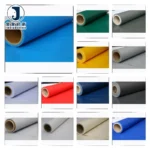
| Color Fastness | Best color fastness |
| Outdoor Life Assurance | 3-5 years |
| Special Treatments Available | Flame Retardant; Anti-Static; Anti-cold; Anti-mildew; 3P |
| Flame Retardant | Available in flame retardant grades — confirm the grade required for your market |
| Anti-Static | Available in anti-static grades — confirm surface resistivity target for your application |
| Standards | ISO, CE |
Application Suitability
| Application | Exposure & Requirement |
|---|---|
| Mining ventilation duct | Continuous airflow, sub-surface dust, mandatory fire-retardant and anti-static compliance |
| Tunnelling air supply duct | High humidity, mechanical abrasion from rock surfaces, regulatory safety audit |
| Aviation ground-support duct | Jet blast proximity, fuel vapour environment, rapid deployment and retrieval |
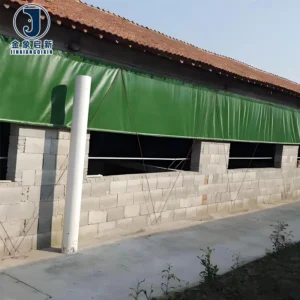
| Inflatable industrial enclosure | Internal positive pressure, UV and weather exposure, structural seam integrity |
| Membrane structure fabric | Long-span tension, wind load, thermal expansion and contraction cycles |
Why Certified PVC Coated Tarpaulin Fire Retardant Anti-Static Matters Before You Cut the First Roll
A test report that does not match the roll on your factory floor is the same as having no report at all.
Ventilation duct fabricators regularly receive material claiming fire-retardant or anti-static properties, only to discover during site inspection that the accompanying certificate covers a different product family or an earlier formulation. Mining and tunnelling projects halt when the safety officer cannot reconcile the documentation with the duct hanging underground. The cost of that delay extends far beyond the fabric itself [NEED_CITE: site compliance audit procedures for underground ventilation]. Specifying a PVC coated tarpaulin fire retardant anti-static certified grade from the outset, with documentation locked to your batch, removes this risk before production begins.
Coating Adhesion and Seam Behaviour Under Duct Pressure
Ventilation ducts flex continuously under positive and negative pressure cycles. The hot-melt coating and laminated technology used on this PVC coated tarpaulin creates a bonded interface between the PVC layers and the high-tenacity polyester base that resists delamination at welded seams. When a duct section is joined by high-frequency or hot-air welding, the tear strength at the weld line must match or exceed the body fabric — otherwise the seam becomes the failure point long before the coating degrades.
Treatment Grades Aligned to Project Compliance
Mining regulations in most jurisdictions require both flame retardant and anti-static properties on ventilation duct fabric, but the specific test standard varies by country and project owner. This PVC coated tarpaulin fire retardant anti-static certified fabric is produced with treatment grades that can be matched to your specified standard. Requesting the test report at quotation stage — not after delivery — ensures the grade on paper is the grade in the roll [NEED_CITE: anti-static surface resistivity test methods for coated fabrics].
Reading the Specification Sheet Beyond GSM
GSM alone tells you how much material is present, not how it performs under tension or at a welded joint. The base fabric denier and weave density determine tensile and tear resistance, while the coating weight and method govern weld adhesion and surface durability. A heavier GSM with a low-denier base may tear more easily than a lighter fabric built on a high-tenacity yarn with tight weave construction. Cold crack resistance further defines the lower temperature boundary where the coating remains flexible — a critical parameter for sub-zero mine environments where brittle fabric shatters under mechanical handling. The interplay of these factors means a single-number comparison between suppliers rarely reflects real duct performance [NEED_CITE: tensile and tear test methods for coated fabrics per ISO 1421].
The Hidden Cost of Specification Mismatch on Site
When flame retardant grade is assumed rather than confirmed, a duct installation can fail its first safety audit, forcing removal and replacement at project expense. Anti-static fabric delivered without a surface resistivity reading leaves the contractor unable to demonstrate compliance to the site engineer. Batch-to-batch colour variation across rolls becomes visible once duct sections are hung side by side in a tunnel portal, triggering rejection on aesthetic grounds even where performance is unaffected. These failures share a common root: the specification was not verified against test documentation before the order entered production [NEED_CITE: common causes of coated fabric rejection at project handover].
Why Fabricators Source This Fabric Here
Three full production lines and dedicated coating equipment give us the capacity to run bulk roll orders for large-scale duct fabrication projects without splitting batches across machines, which is a primary cause of roll-to-roll inconsistency. Our ten-person R&D team develops samples within days when your project demands a specific treatment grade, width, or colour matched to existing duct sections already on site. Every production stage includes in-process quality checks, and each roll undergoes full inspection before dispatch — not a statistical sample, but the complete order. Hot-melt and laminated coating processes are both available in-house, so we can recommend the construction that best suits your welding method and duct geometry rather than defaulting to whichever line has open capacity.
Documentation & Verification
- Material specification sheet stating base fabric denier, coating weight, and confirmed GSM for your selected grade
- Test report for flame retardant and anti-static grades referencing the exact standard and grade on your order
- Pre-shipment inspection record covering every roll in the dispatch, not a sample subset
- ISO and CE certificates included with shipping documentation and certificate of origin
Fabrication, Handling & Storage
- Hot-air or high-frequency welding parameters should be tested on a sample piece of the hot-melt coated surface before full production runs begin
- Store rolls upright on their cores to prevent flat-spot creases that become visible after the duct is inflated under pressure
- Allow cold-stored rolls to acclimatise to workshop temperature before unrolling to avoid coating micro-cracking at the bend
- Cut patterns should account for weld overlap width to maintain duct diameter accuracy across joined sections
- Use PVC-compatible cleaners only; solvent-based products can soften the laminated coating and reduce surface anti-static performance
What to Include in Your Enquiry
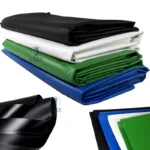
Tell us the ventilation environment — mining, tunnelling, aviation, or membrane structure — and the specific fire-retardant or anti-static standard your project specification calls for. Confirm the roll widths and lengths that match your duct section dimensions to minimise off-cut waste. If colour consistency across multiple roll batches is critical for a phased installation, note this so we can plan production sequencing accordingly.
Frequently Asked Questions
Q: What fire-retardant grade does the fabric carry and which test standard is it measured against?
A: Flame retardant treatment is applied to order and the grade is confirmed against your specified standard before production. We supply the test report with the grade and standard referenced on the document, so your site safety officer can verify compliance without requesting additional paperwork after delivery.
Q: How is anti-static performance verified and what surface resistivity value is achieved?
A: Anti-static treatment is verified through surface resistivity testing, and the measured value is recorded on the test report shipped with your order. Confirm the target resistivity range required by your project specification at enquiry stage so the formulation is matched before the coating run begins.
Q: What is the difference between hot-melt coating and laminated construction for duct fabrication?
A: Hot-melt coating bonds PVC directly into the polyester base under heat and pressure, producing strong adhesion at welded seams. Laminated technology joins pre-formed PVC films to the base fabric. The choice affects weld behaviour and flexibility — we recommend the method based on your duct geometry and joining process.
Q: How does cold crack resistance affect duct performance in sub-zero mine environments?
A: Cold crack resistance ensures the PVC coating remains flexible at low temperatures rather than becoming brittle and fracturing under handling or pressure cycling. Confirm the minimum operating temperature of your installation so we can verify the anti-cold treatment grade matches your environment.
Q: What roll widths and lengths are available and how is batch-to-batch colour consistency controlled?
A: Roll widths and lengths are produced to your cutting requirements, subject to line capability confirmation at quotation stage. Colour consistency is managed through in-process checks across the production run, and pre-shipment inspection records document the result for every roll before dispatch.