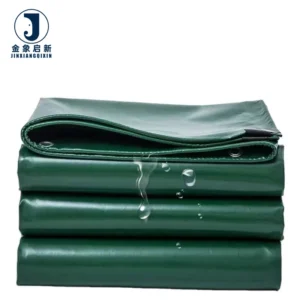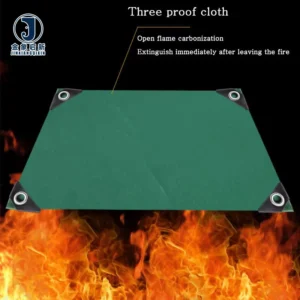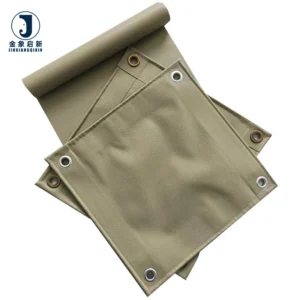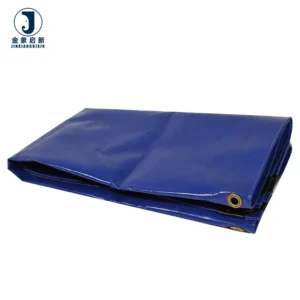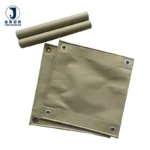
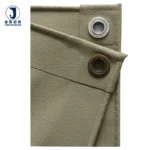
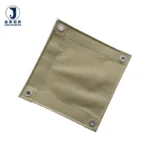

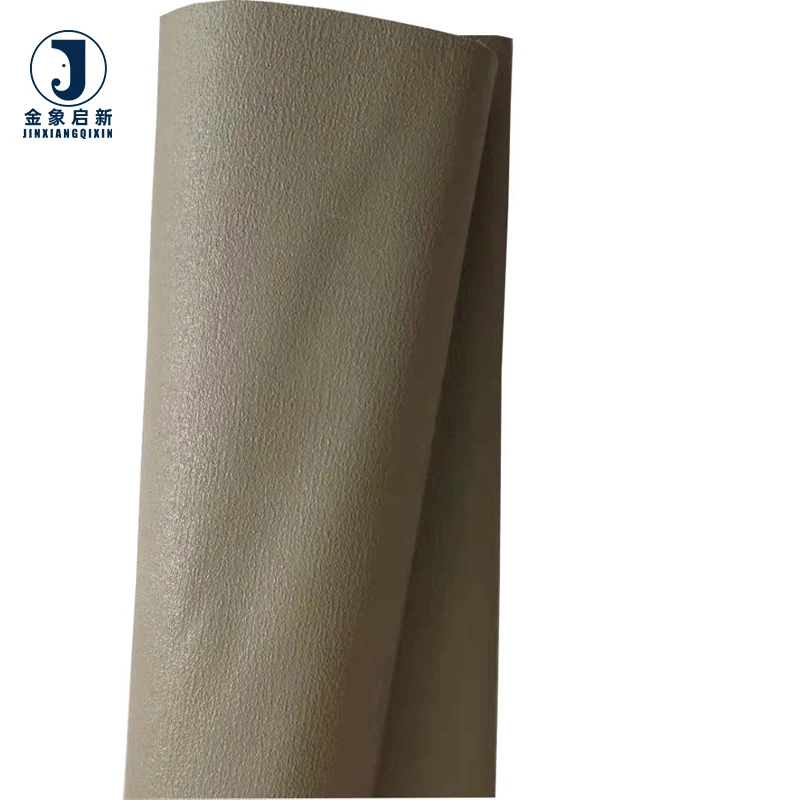
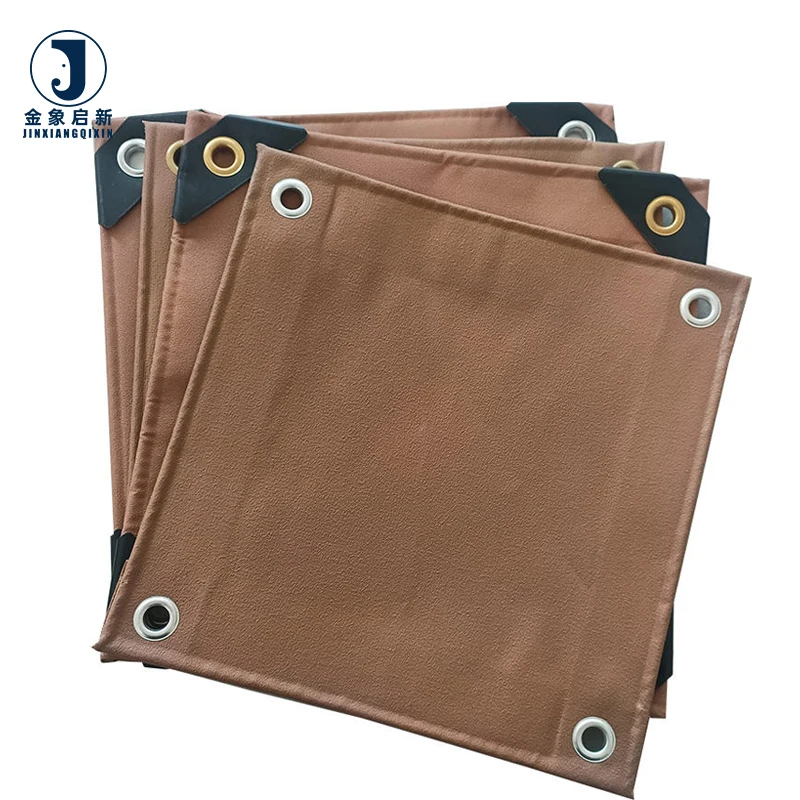
Process Control Over Coating Weight — Every roll is verified against stated GSM at multiple production stages, ensuring the material delivered matches what your specification demands.
Technical Specifications
| Parameter | Value |
|---|---|
| Product Type | PVC Coated Tarpaulin |
| Coating Material | PVC |
| Weight Options | 700gsm / 850gsm / 900gsm |
| Flame Retardant | Available — confirm the grade required for your market |
| Anti-Static | Available — confirm surface resistance standard for your application |
| Anti-Cold | Available |
| Anti-Mildew | Available |
| Waterproof | Fully waterproof coated construction |
| Weather Resistance | Outdoor life assurance of 1–3 years depending on grade and exposure |
| Strength Characteristic | High strength for installation damage prevention |
| Customization | Available in rolls and cut sizes |
Application Suitability
| Application | Exposure & Requirement |
|---|---|
| Mining ventilation duct | Continuous airflow, underground particulate, fire-retardant and anti-static compliance mandatory |
| Aviation hangar ducting | Fuel vapour proximity, certified flame-retardant fabric required, repeated flex cycles |
| Membrane structure fabric | Wind load, UV exposure, weld seam integrity under tension |
| Tunnelling ventilation | Abrasive dust, confined-space fire safety regulation, duct collapse resistance |
| Inflatable structure fabric | Internal pressure stress, repeated inflation cycles, outdoor weathering |
Why Certification Without a Test Report Is a Compliance Gap
Specialist-grade PVC tarpaulin fire retardant anti-static certified material must arrive with documentation that satisfies the site auditor, not just the quotation. A certificate number on an invoice does not replace a test report naming the standard and grade your project specifies.
Ventilation duct or tarpaulin supplied without the fire-retardant or anti-static certification the site requires halts operations the moment the inspector asks for it. Projects in mining and aviation do not tolerate documentation gaps — the cost of removing and replacing non-compliant fabric far exceeds the effort of specifying correctly at inquiry stage. I have seen entire duct runs stripped from tunnel walls because the material arrived with a generic safety data sheet instead of a site-recognised test result [NEED_CITE: fire classification standards for underground ventilation materials].
Matching Treatment to the Operating Environment
PVC tarpaulin fire retardant anti-static certified fabric serves environments where standard tarpaulin would create an unacceptable safety risk. Mining ventilation demands both flame retardant and anti-static properties simultaneously, because combustible dust and ignition sources coexist in the same airflow path. Aviation ground support ducting faces similar dual requirements, with fuel-handling proximity adding another layer of chemical exposure to the compliance matrix.
How GSM Grades Map to Ventilation Duty
Selecting between 700gsm, 850gsm and 900gsm depends on duct diameter, internal pressure and the mechanical stress at hanging points. Larger diameter ducts carrying higher airflow volumes generate greater hoop stress on the fabric, making the heavier grades appropriate. Anti-cold treatment becomes relevant for high-altitude tunnel projects or winter mining operations where ambient temperature drops below the normal flexibility range of standard PVC coating [NEED_CITE: low-temperature flexibility testing for coated fabrics].
Reading the Specification Sheet Correctly
Weight in GSM alone does not determine how the fabric will perform under tension or puncture load. The base fabric denier and weave density work together with coating weight to produce the final tensile and tear values. A 900gsm material with a loosely woven base may tear more easily than an 850gsm material built on a tighter weave. Coating method — whether knife-over-roll, laminating or calendering — determines peel strength between the PVC layer and the base fabric, which directly affects how well welded seams hold under the cyclic loading that ventilation ducts experience. Flame retardant grades vary between markets: a grade accepted in European mining may not satisfy North American building code requirements, so confirming the target standard before production avoids rejection at site inspection.
The Cost of Specifying Without Verification
When a ventilation contractor accepts delivery without checking the test report against the site requirement, the discovery of non-compliance happens at the worst possible moment — after the duct is hung and the system is due for commissioning. Removing installed fabric in confined underground spaces involves scaffolding, ventilation shutdown and schedule delay that compounds across every dependent trade. Anti-mildew treatment claimed but unsupported by testing leads to biological growth on duct interiors in humid environments, contaminating the airstream and triggering air-quality audit failures [NEED_CITE: ventilation duct contamination and air quality standards]. Colour variation between rolls in the same order becomes visible once panels are installed side by side on membrane structures, requiring selective replacement that disrupts the project timeline.
Why Procurement Teams Source This Material Here
Deep process control over coating weight and adhesion means the GSM stated on your material specification sheet is the GSM delivered, verified through dedicated QA/QC at every production stage. Three full production lines and 36 sets of professional equipment support bulk roll capacity with reliable on-time delivery, reducing the scheduling risk on time-critical mining and tunnelling projects. A 10-person R&D team handles material selection and sample development, so custom-treated rolls with specific fire-retardant or anti-static requirements can be sampled before full production commitment. Nearly 30 years of focused coated fabric production provides the process knowledge to manage treatment interactions — for example, ensuring anti-static and flame-retardant treatments do not compromise each other’s effectiveness on the same PVC surface.
Documentation & Verification
- Material specification sheet stating confirmed GSM, base fabric construction, and applicable coating treatment
- Test report for flame retardant grade and anti-static surface resistance where required by site specification
- Pre-shipment inspection record confirming 100 percent QA check before dispatch
- Certificate of origin and full customs documentation for international site delivery
- Roll packing list with individual roll weight and dimensions for site receiving verification
Fabrication, Handling & Storage
- Heat welding parameters must match the specific GSM grade selected to prevent seam failure at flex points
- Store rolls upright on end cores to prevent flat spots that create weak lines in the coating
- Allow cold-weather rolls to acclimatise before unrolling to prevent cracking in anti-cold treated PVC
- Use compatible PVC-based repair patches matching the treatment profile for on-site duct repairs
- Plan cut patterns across roll width to minimise waste and reduce the number of welded joints
- Clean membrane structures with neutral pH detergent to preserve anti-mildew treatment effectiveness
What to Include in Your Inquiry
Provide the specific fire-retardant grade and anti-static standard your site or market requires, along with the operating environment details such as temperature range and chemical exposure. Specify whether you need rolls for your own fabrication or cut-to-size finished panels, and include the duct diameter or structure dimensions so the appropriate GSM grade can be recommended. Confirm your annual volume and required roll widths to establish batch consistency across multiple deliveries.
Frequently Asked Questions
Q: What fire-retardant grade can be provided and which test standard applies?
A: Flame retardant treatment is available across the 700gsm, 850gsm and 900gsm grades. The specific grade and test standard must be confirmed against your market requirement — for example, M2, B1 or NFPA 701 — before production begins. Request the test report at inquiry stage so the grade can be matched to your site specification and verified on delivery.
Q: How is anti-static performance verified on delivery?
A: Anti-static treatment is available for environments with ignition or dust explosion risk. Verification requires specifying the target surface resistance value or standard at inquiry stage. The test report documents the measured value, and this should be cross-checked against your site safety requirement before the material is installed in the ventilation system.
Q: How do I confirm the exact GSM delivered matches what was quoted?
A: Each order ships with a material specification sheet and pre-shipment inspection record. The GSM stated on your quotation is verified during production and documented before dispatch. On receipt, you can cross-reference the roll packing list against the specification sheet and conduct your own weight verification if required.
Q: What certifications support mining and aviation ventilation duct compliance?
A: The manufacturing facility holds ISO and CE certification. For site-specific compliance such as mining ventilation or aviation duct standards, confirm the exact regulation your project must satisfy at inquiry stage. The appropriate test reports and documentation are then prepared to accompany your shipment and support the site audit process.
Q: What is the lead time for custom-treated rolls with fire-retardant and anti-static specifications?
A: Custom-treated rolls require sample development and approval before full production begins. Typical lead times vary based on treatment combination, GSM grade selected and order volume. Request a quotation with your confirmed specifications to receive a production schedule aligned with your project timeline.