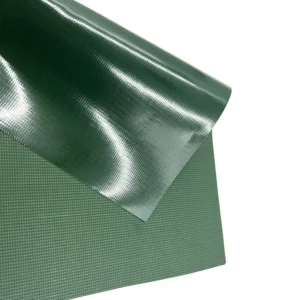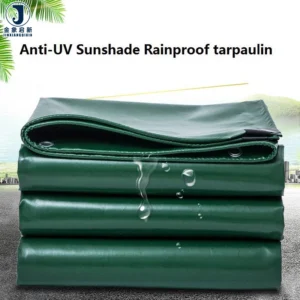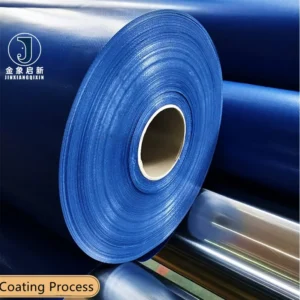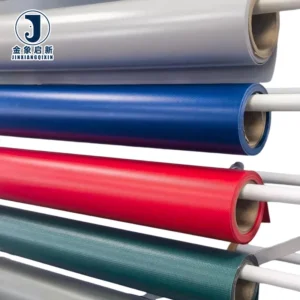
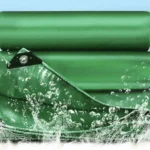
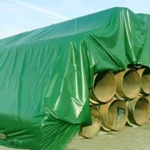
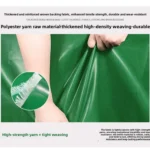
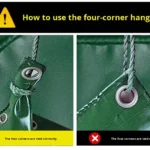
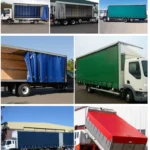
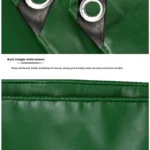
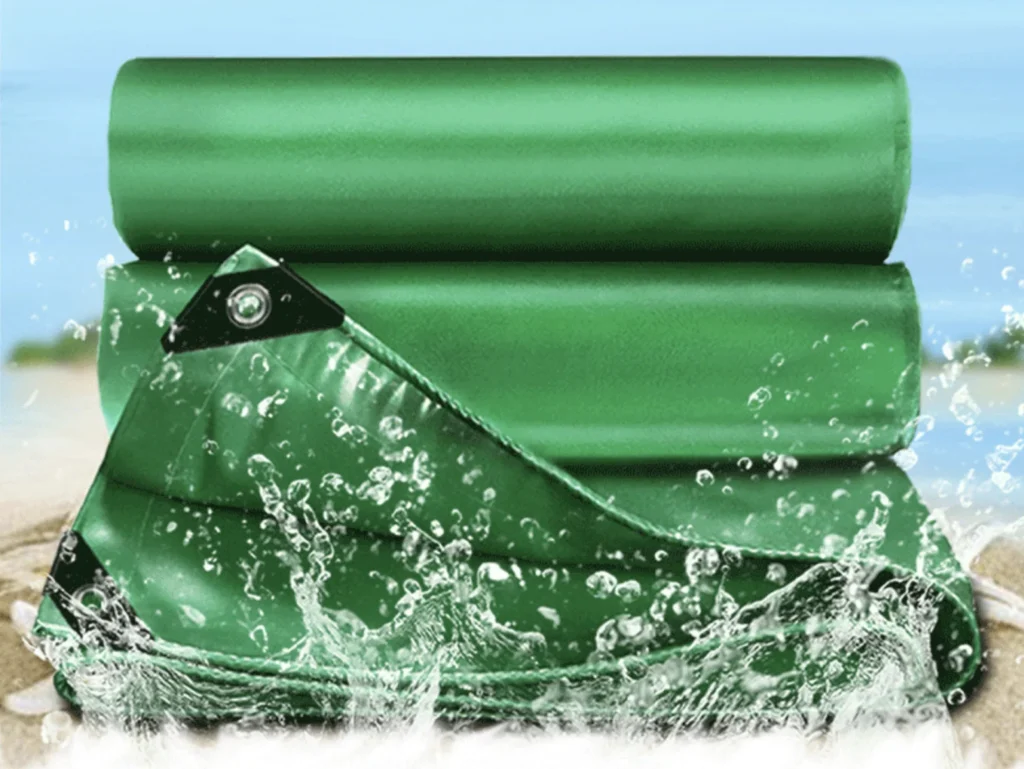
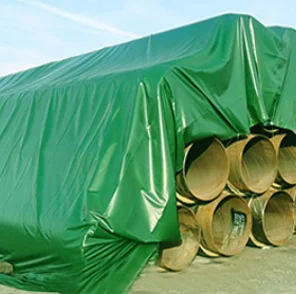
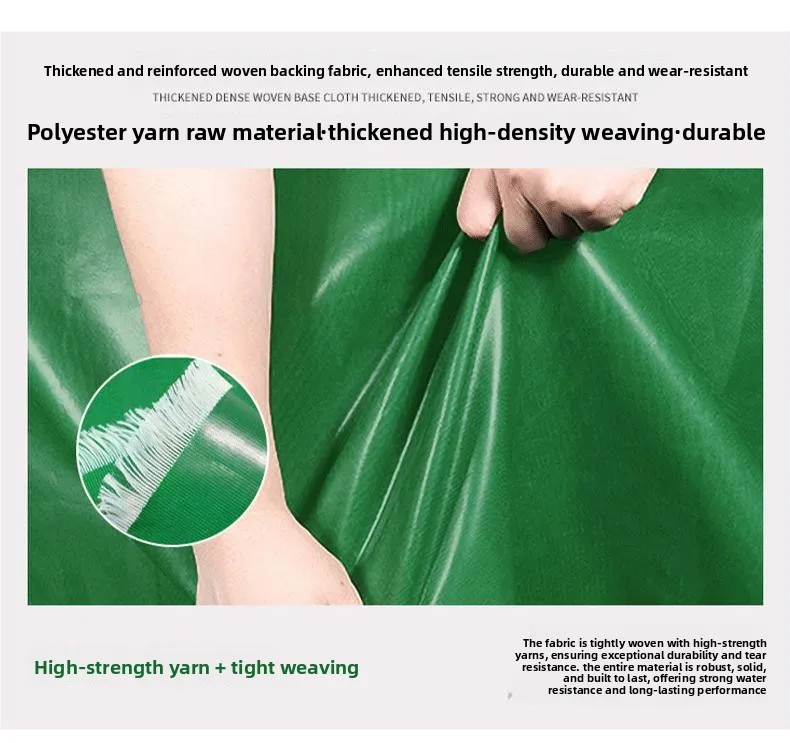
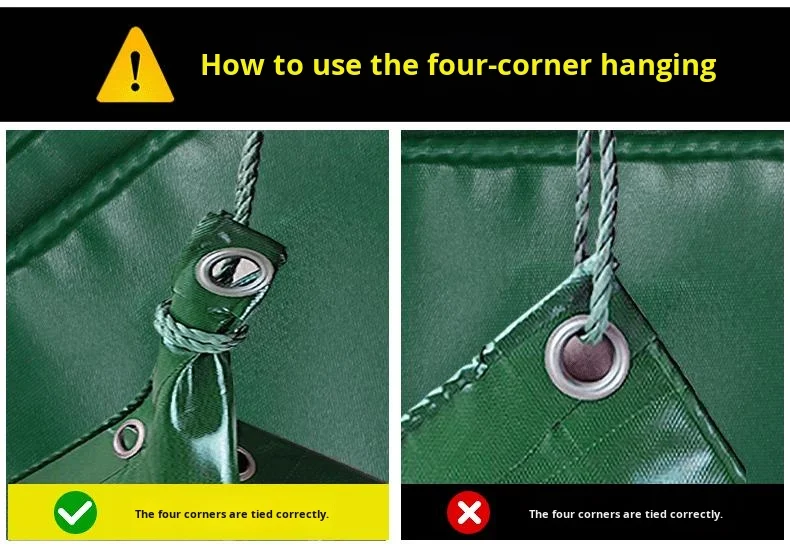
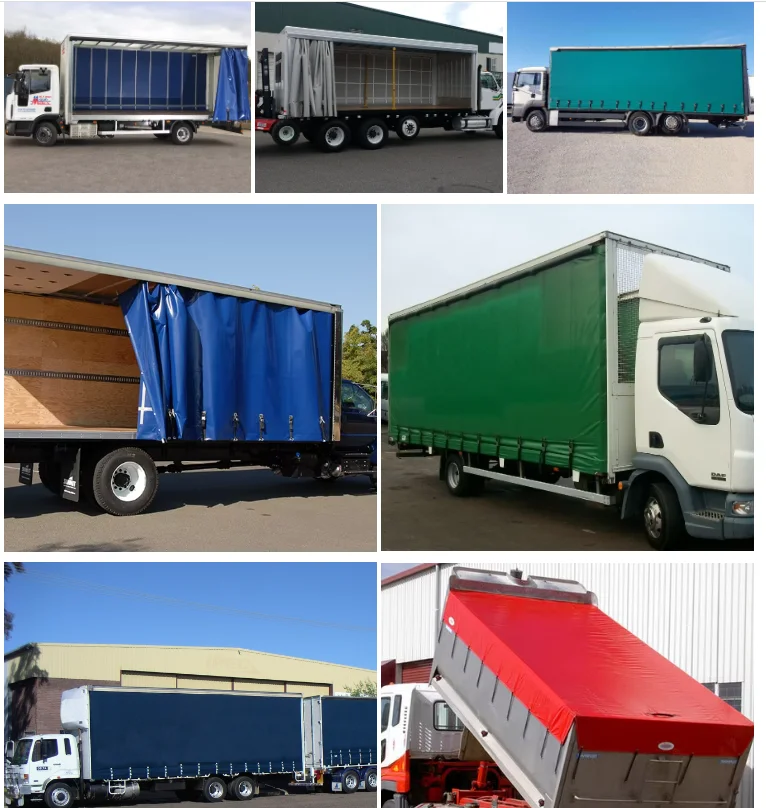
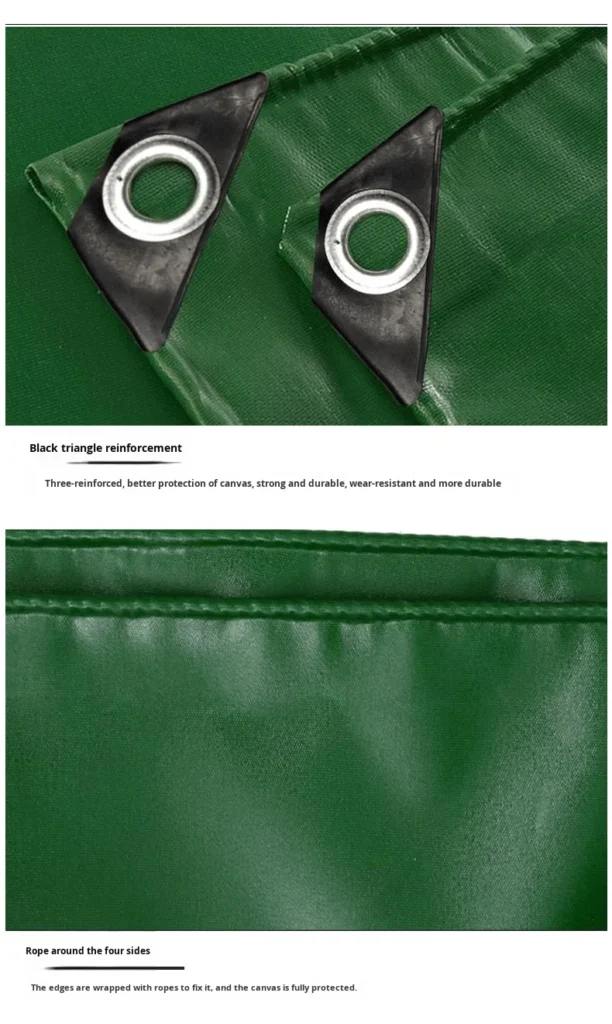
Coating process mastery — Jinan Jinxiang maintains tight control over knife coating weight and adhesion across three dedicated production lines, ensuring roll-to-roll consistency for membrane and technical textile fabrication.
Technical Specifications
| Parameter | Value |
|---|---|
| Product Type | PVC Coated Tarpaulin Fabric |
| Coating Method | Knife Coated |
| Treatment Options | Fire retardant (grade not stated), UV resistance, antibacterial, mildew proof, oil and stain resistance, acid and alkali resistance |
| Welding Compatibility | HF, Hot Air, Sewing |
| Environmental Resistance | High temperature and cold resistance, anti-oxidation, weather resistance, self-cleaning |
| Certification | ISO, CE |
Application Suitability
| Application | Exposure & Requirement |
|---|---|
| Tensile and architectural membrane structures | Permanent UV exposure, wind-driven tension, thermal cycling, fire code compliance |
| Airport hangars and portable storage | Large unsupported spans, weather envelope integrity, flame retardant certification |
| Stadium architectural structures | Public safety fire ratings, long-term UV stability, seam integrity under sustained load |
| Large format shade systems | Daily thermal expansion and contraction, UV degradation, colour stability across panels |
What "Fire Retardant" Means Without a Grade Behind It
PVC Knife Coated Tarpaulin for Technical Textile Structures must meet the fire classification demanded by the project’s local building authority — a generic claim without a test standard is not a specification.
Request the test standard and grade before committing to roll purchase, because site inspectors verify documentation, not marketing language.
Ventilation duct and membrane structure contractors regularly face rejection at site handover when the fabric arrives without the fire-retardant or anti-static certification the compliance file requires. The gap between a supplier claim and a verifiable test report can stall an entire project. Specifiers who confirm the grade, test method and issuing laboratory before production avoid costly replacement cycles. [NEED_CITE: fire classification standards for tensile membrane structures in public venues]
Coating Adhesion and Its Effect on Welded Seam Integrity
Knife coated PVC construction bonds the PVC layer directly into the base fabric weave under controlled blade pressure, producing higher peel strength than laminated alternatives. This adhesion quality matters directly at the weld line, where HF or hot air energy must fuse coating layers without delaminating the substrate. PVC Coated Tarpaulin Fabric with strong knife coat adhesion allows fabricators to dial in weld parameters with a wider tolerance window, reducing scrap during complex seam geometries on tensile structures.
Welding Method Selection for Complex Structural Geometries
The compatibility with HF, hot air and sewing gives fabricators flexibility when joining panels for curved membrane roofs or inflatable forms. HF welding suits straight and gently curved seams where electrode contact is consistent, while hot air welding handles compound curves and field repairs where press equipment cannot reach. Sewing remains relevant for temporary structures and tension attachment points where mechanical fastening distributes load across the base fabric rather than relying solely on coating adhesion. [NEED_CITE: tensile and tear test methods for coated fabrics per ISO 1421]
Reading the Specification Sheet Beyond GSM
Total GSM alone does not predict how the fabric performs under tension or puncture — the base fabric denier, weave density and coating weight distribution each contribute differently. A heavier coating on a lighter base fabric may resist abrasion well but tear easily at a seam, while a dense base with thinner coating offers high tensile strength but less surface protection. The knife coating method used here forces PVC into the weave interstices, improving peel resistance compared to methods where the coating sits primarily on the surface. Specifiers should request the full material specification sheet stating base fabric denier, coating weight and total GSM to understand the balance. Surface finish options affect long-term maintenance; a self-cleaning treatment reduces particulate adhesion on large overhead panels where manual washing is impractical.
The Hidden Cost of Specifying on Price Without Verifying Treatment Claims
When fire retardant or UV resistance is claimed on a quotation without a matching test report, the buyer carries all the risk. Fabric that fails a site fire inspection must be replaced at project cost, not supplier cost. Batches that vary in colour or coating weight between rolls create visible inconsistency once panels are installed side by side on a tensile canopy, triggering rejection and re-fabrication. Welded seams that fail before the fabric itself does indicate either coating adhesion problems or incorrect welding parameters for the specific material construction. Each of these failures traces back to insufficient pre-order verification rather than material price. [NEED_CITE: common failure modes in architectural membrane installations]
Why Procure This Fabric Through Jinxiang
Three full production lines and 36 sets of professional equipment provide the capacity to fulfil multi-roll orders with consistent lead times, reducing the scheduling risk on project-critical membrane deliveries. A 10-person R&D team develops samples within days for custom requirements, allowing specifiers to verify weld compatibility and colour match before committing to volume. Dedicated QA/QC inspection at every production stage, with 100% pre-shipment inspection, catches coating weight deviations and colour variation before rolls leave the facility. Nearly 30 years of focused coated fabric production translates into process knowledge that supports specifiers in matching material construction to structural load requirements. ISO and CE certified production documentation accompanies each shipment, providing the traceability that compliance files demand.
Documentation & Verification
- Material specification sheet stating base fabric denier, coating weight and total GSM per roll
- Fire retardant test report confirming grade and test standard — verify before ordering
- Pre-shipment inspection record covering coating adhesion and colour consistency across rolls
- UV and treatment validation report matching the grade stated on quotation
- Certificate of origin and customs documentation for international membrane project shipments
- Roll packing list with individual roll weights and dimensions for warehouse planning
Fabrication, Handling & Storage
- Set HF weld parameters based on the specific knife coated PVC weight and base fabric denier of this material
- Allow hot air welded seams to cool under pressure before releasing tension on curved structural panels
- Store rolls upright on pallets in covered, ventilated areas to prevent compression marks on the coated surface
- Avoid unfolding in cold conditions; knife coated PVC becomes stiffer and may crack if forced at low temperatures
- Use neutral pH cleaners on self-cleaning treated surfaces to preserve the top coat chemistry
- Plan panel cutting layouts to minimise off-cuts and maximise roll utilisation for large membrane orders
Requesting a Technical Specification Proposal
Provide the project application type, expected span dimensions and local fire classification requirements so the factory can recommend the appropriate base fabric denier and treatment grade. Confirm the welding method your fabricator uses and whether you need roll stock or finished cut panels. Specify target colour references and annual volume to receive accurate lead time and batch consistency commitments. Request a sample roll section for weld testing and colour approval before placing the full production order.
Frequently Asked Questions
Q: What fire retardant grade is available and which test standard does it meet?
A: Fire retardant treatment is available for this knife coated PVC fabric, but the specific grade and test standard must be confirmed with the factory before specifying. Different markets require different classifications — DIN 4102, NFPA 701 or local building codes — and the test report must match your project’s compliance requirement. Request the test report alongside your sample.
Q: How is UV resistance validated on this fabric?
A: UV resistance treatment is included in the available options, but the validation method and exposure duration rating should be requested as a test report. For architectural membrane structures requiring long-term colour and tensile retention, confirm the specific UV test standard with the factory and verify it aligns with the exposure conditions at the installation site.
Q: Which welding methods are compatible and what seam strength can be expected?
A: This PVC Coated Tarpaulin Fabric is compatible with HF welding, hot air welding and sewing. Seam strength depends on the welding method, parameter settings and the base fabric denier of the specific roll grade selected. Fabricators should request a sample section to run weld trials on their own equipment and test peel strength before production.
Q: What base fabric denier and mesh count options are available for structural loads?
A: Base fabric denier and weave density options should be confirmed directly with Jinxiang’s technical team based on your structural load calculations. Heavier denier base fabrics provide higher tensile and tear values suited to large-span tensile structures, while lighter constructions may suffice for shade systems. Request the full material specification sheet for each candidate grade.
Q: How does Jinxiang ensure batch-to-batch colour and coating consistency across multiple rolls?
A: Every roll undergoes 100% pre-shipment inspection covering coating adhesion, colour consistency and surface quality. For orders spanning multiple production batches, request pre-shipment inspection records documenting roll-to-roll uniformity. Ordering the full project volume in a single production run further reduces the risk of colour variation between installed panels.