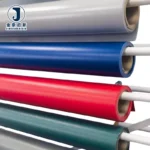
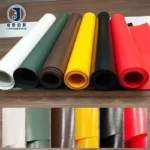
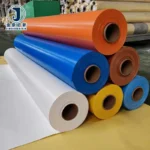
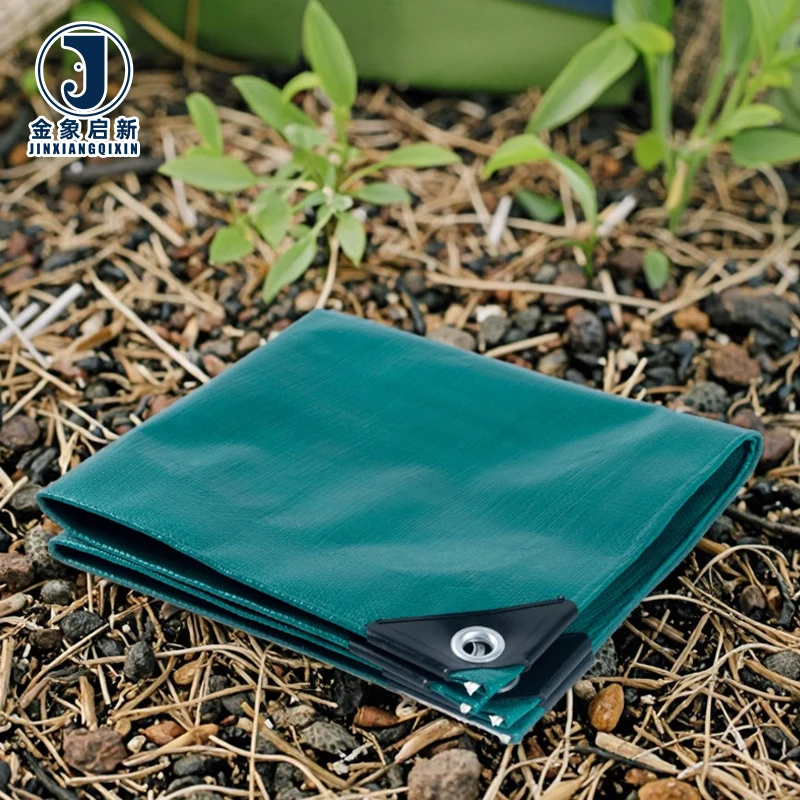
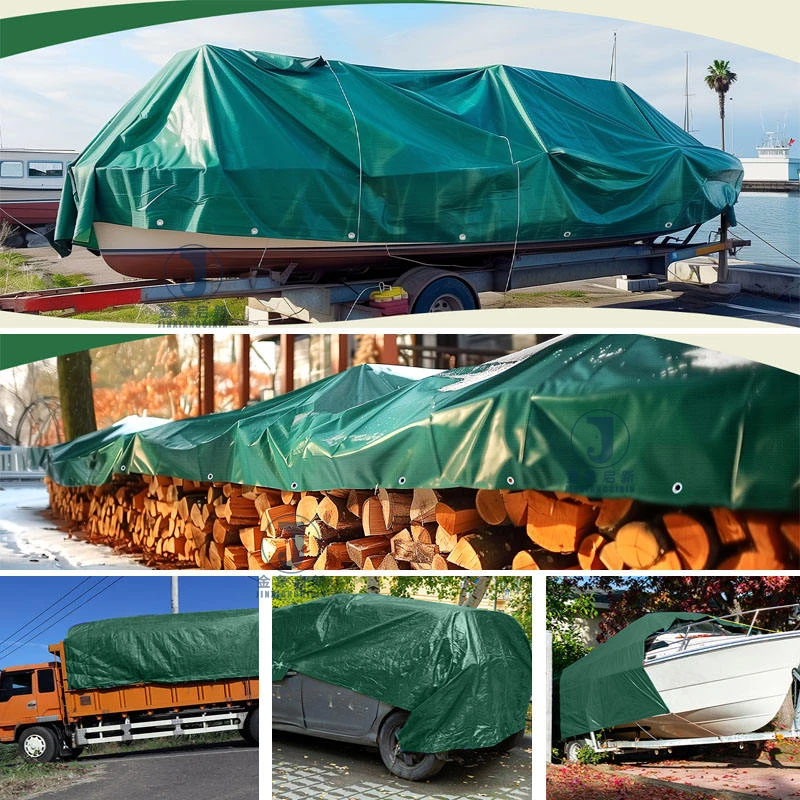
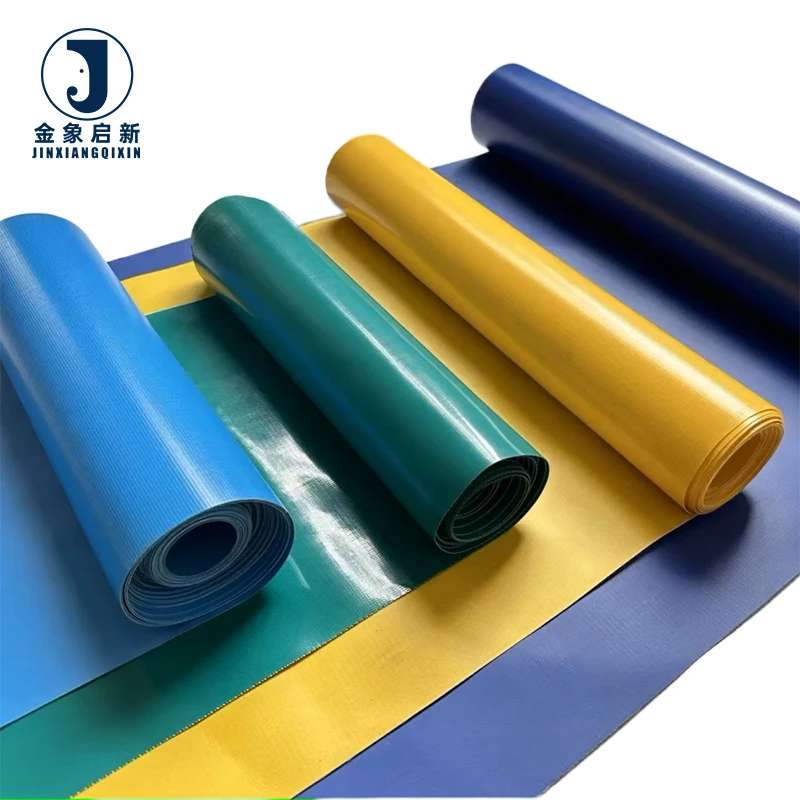
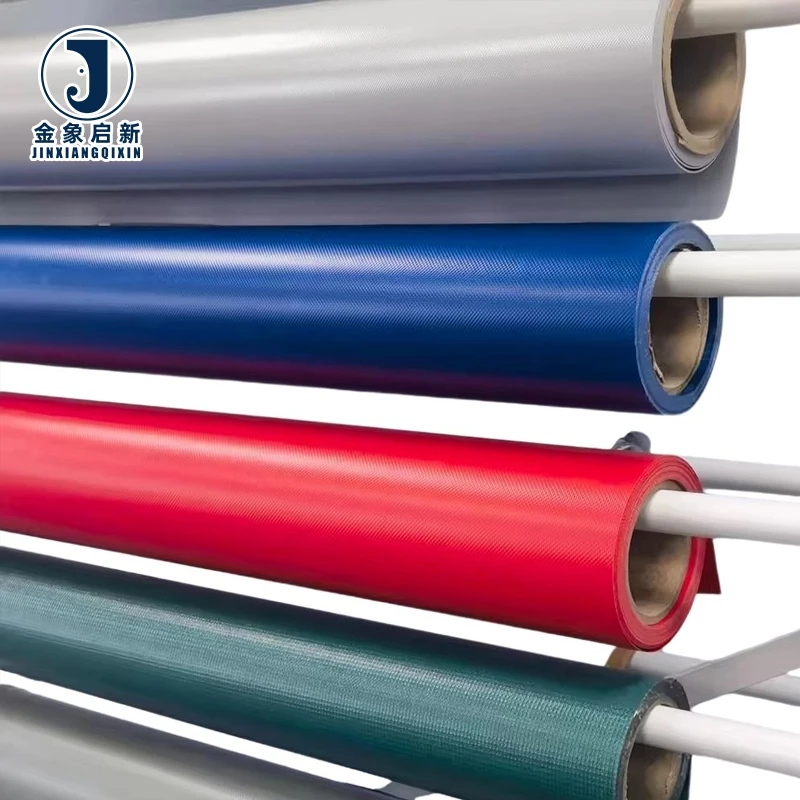
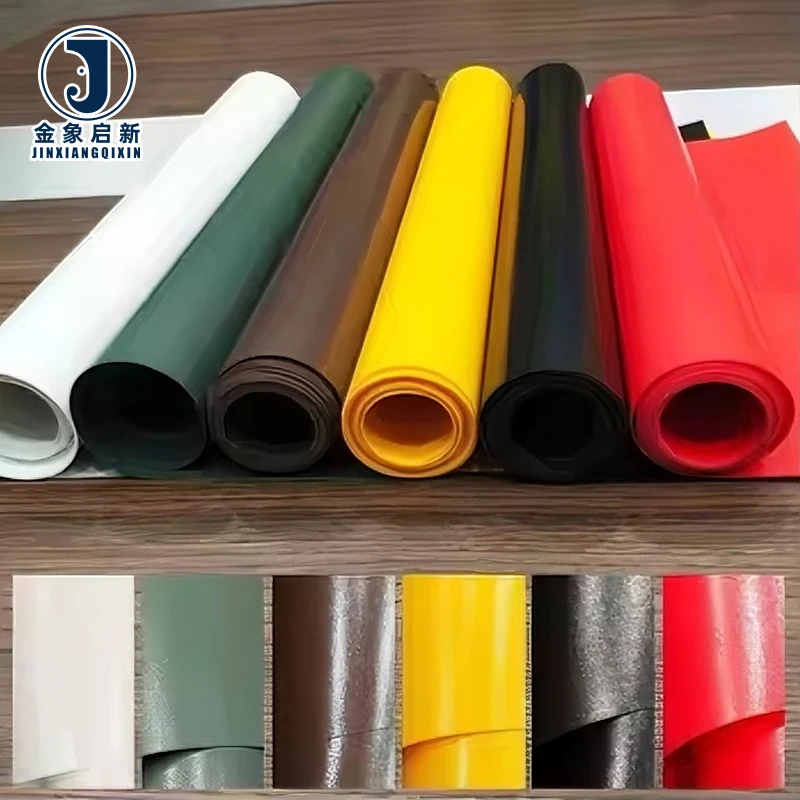
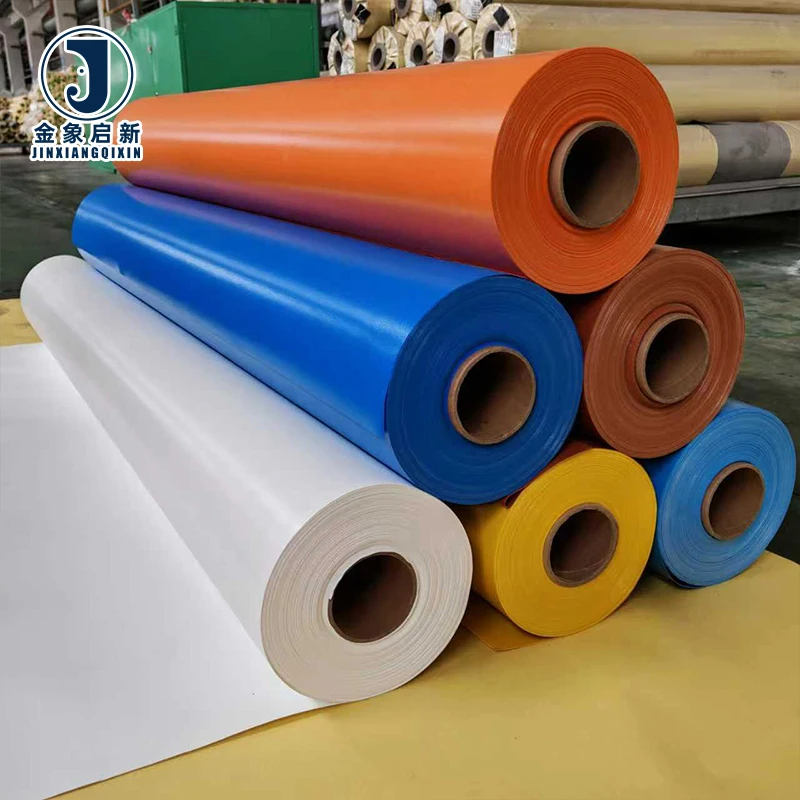
Certified Grade Output — Hot-melt coating and laminated technology with full fire-retardant and anti-static test documentation shipped against your project specification.
Technical Specifications
| Parameter | Value |
|---|---|
| Product Type | PVC Coated Tarpaulin |
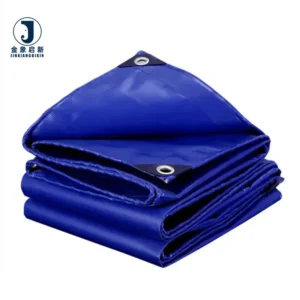
| Material | PVC + High-strength polyester mesh fabric |
| Coating Technology | Laminated technology & Hot-melt coating technology |
| Weight | 350gsm / 420gsm / 500gsm / 550gsm / 600gsm / 750gsm |
| Total Thickness | 0.32mm / 0.35mm / 0.4mm / 0.45mm / 0.5mm / 0.65mm |
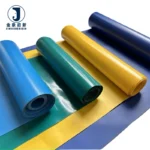
| Roll Width | 2m / 2.1m |
| Roll Length | 75m (for 2m width) / 50m (for 2.1m width) |
| Color | Blue / Red / Yellow / Light blue / Grey (Customized) |
| Flame Retardant | Available as special treatment (grade to be confirmed per order) |
| Anti-Static | Available as special treatment (standard to be confirmed per order) |
| Anti-Cold | Available as special treatment (grade to be confirmed per order) |
| Key Features | Cold crack resistance, anti-mildew, waterproof, sunproof |
| Standards | ISO, CE |
Application Suitability
| Application | Exposure & Requirement |
|---|---|
| Mining and tunnelling ventilation duct | Fire-retardant and anti-static compliance, high airflow cycling, underground humidity and chemical exposure |
| Aviation ground support ducting | Static dissipation requirements, fuel-adjacent environment, mandatory certification before installation |
| Inflatable and membrane structures | Sustained inflation pressure, weld seam integrity at flex points, weather and UV exposure |
| Construction site enclosure | Wind load, scaffold abrasion, temporary weather protection with fire code compliance |
| Specialist industrial covers | Equipment protection in regulated environments where material traceability is audited |
Why "Certified" Means Nothing Without the Test Report
Specifying PVC Coated Tarpaulin fire retardant / anti-static / certified for a regulated site without requesting the supporting test report creates a compliance gap that only surfaces during the site audit or safety inspection.
We ship the test report matched to your project specification with the roll, not after the material arrives.
Ventilation duct fabricators and membrane structure builders routinely discover that the flame-retardant grade stated on the quotation does not match the documentation received at the port. Anti-static fabric ordered for underground mining arrives with no surface resistance data, forcing the contractor to commission independent testing before the material can be installed. These delays are not material failures — they are documentation failures [NEED_CITE: fire classification test methods for coated fabrics]. The cost of a failed audit on a mine site or aviation facility far exceeds the cost of specifying the correct grade upfront.
Coating Method and Its Effect on Weld Seam Integrity
Hot-melt coating technology produces a bond between the PVC layer and the polyester mesh that resists delamination under repeated flexing and thermal welding. Laminated technology offers a different cost-to-performance balance suited to applications where weld seam cycling is less aggressive. When fabricating ventilation ducts that expand and contract under variable airflow, the coating adhesion determines whether the seam fails before the fabric does. Selecting the PVC knife-coated tarpaulin fabric supplier that can advise on the correct coating method for your fabrication process prevents the most common failure point in finished duct assemblies.
Compliance Documentation for Regulated Environments
Mining ventilation specifications typically require a named fire-retardant grade and a documented anti-static surface resistance value before fabric enters the site. Aviation ground ducting demands similar traceability with test reports tied to the batch number on the roll label. Our PVC knife-coated tarpaulin fabric is supplied with grade-specific documentation issued per production batch, ensuring the compliance file you submit to the site safety officer matches the material actually installed [NEED_CITE: anti-static surface resistance standards for mining ventilation fabric]. Without batch-level traceability, a passing test certificate from a previous shipment does not satisfy most auditing frameworks.
How GSM, Coating Weight and Base Fabric Interact
The stated GSM of a coated fabric is the combined weight of the polyester base cloth and the PVC coating layers. A 550gsm roll built on a low-denier base with heavy coating may resist abrasion but tear more easily than a 550gsm roll built on a high-tenacity mesh with balanced coating weight. This is why two rolls at the same GSM can perform very differently under tensile and tear load. Total thickness correlates with coating depth and influences weld parameter settings — thicker coatings require higher heat or longer dwell time to achieve full seam fusion. The base fabric denier and weave density govern how a tear propagates once the surface is punctured, independent of the coating contribution [NEED_CITE: tensile and tear test methods for coated fabrics per ISO 1421]. Specifying on GSM alone leaves the mechanical behaviour undefined.
The Hidden Cost of Undocumented Fire and Static Grades
A roll of ventilation duct fabric that arrives without the fire-retardant grade stated on the purchase order cannot be installed until the issue is resolved — either through re-testing at the contractor’s expense or through a replacement shipment that delays the entire project timeline. Anti-static fabric supplied without a surface resistance value creates a similar hold on mining and aviation sites where ignition risk is a regulatory red line. Colour variation between rolls ordered for the same membrane structure forces the fabricator to segregate panels or accept a visible mismatch once the structure is inflated. These are not quality complaints — they are specification and documentation failures that compound with every day of site delay [NEED_CITE: batch consistency requirements for coated fabric in membrane structures].
Why Procure Specialist Fabric Through This Channel
Three full production lines with 36 sets of professional coating equipment support volume output while maintaining batch-level control over coating weight and adhesion — critical when every roll must pass the same fire or static test. A dedicated 10-person R&D team handles material selection and sample development for compliance-driven projects, producing samples within days rather than weeks. QA/QC is applied at every production stage with 100% inspection before dispatch, meaning GSM, colour and treatment grade are verified against the order specification before the roll leaves the facility. Documentation including material specification sheets, test reports and certificates of origin is assembled per shipment, not requested after the fact. This capability is built around the procurement pattern of technical buyers who need verified data, not marketing claims.
Documentation & Verification
- Material specification sheet stating GSM, base fabric, coating method and colour reference per roll
- Fire-retardant test report issued per batch where the grade is specified on the purchase order
- Anti-static surface resistance data matched to the mining or aviation standard required by the site
- ISO and CE certificates included in the shipment documentation package
- Pre-shipment inspection record confirming GSM, colour consistency and treatment compliance
- Certificate of origin and customs documentation prepared per destination country requirements
Fabrication, Handling & Storage
- Hot-melt coated rolls require weld temperature and dwell time adjustment based on the 0.32mm to 0.65mm thickness range
- Laminated technology fabric may need lower heat input at the weld bar to avoid coating blister on thinner grades
- Store rolls upright on a flat surface to prevent permanent creasing across the 2m or 2.1m width
- Allow cold-stored rolls to acclimatise before unrolling to preserve cold crack resistance performance
- Avoid stacking heavy objects on stored rolls to maintain consistent coating surface for printing or welding
- Cut panels from the same production batch for membrane structures to ensure colour and GSM uniformity
What to Include in Your Enquiry
Specify the fire-retardant grade or anti-static standard required by the end-use site so that test documentation can be prepared against the correct framework. Confirm whether the order is for roll stock in standard 2m or 2.1m width, or for custom width and length. Indicate the colour reference and whether batch colour consistency across multiple rolls is critical for the finished installation. State the annual volume and whether a sample approval step is required before full production runs.
Frequently Asked Questions
Q: What fire-retardant grades are available and which test reports ship with the roll?
A: Flame-retardant treatment is available as a special order. The specific grade — such as M2, B1 per DIN 4102, or NFPA 701 — should be stated on your enquiry so the matching test report is issued per batch. Without a named grade, we cannot guarantee the documentation will satisfy your site compliance requirements.
Q: What anti-static surface resistance standard does the fabric meet for mining or aviation duct applications?
A: Anti-static treatment is available and the surface resistance standard must be confirmed at order stage based on your site regulation. We issue test data per batch showing the measured value so the compliance file matches the installed material. Specify the required standard in your enquiry to ensure correct treatment.
Q: How is GSM verified on arrival and what documentation supports the quoted weight?
A: Every roll undergoes weight verification during pre-shipment inspection and the result is recorded on the dispatch documentation. The material specification sheet states the target GSM and the base fabric and coating breakdown. This allows you to cross-check the received roll against the order specification without commissioning independent testing.
Q: What is the difference between laminated and hot-melt coating in terms of weld strength?
A: Hot-melt coating produces higher coating-to-base adhesion, which supports stronger weld seams under repeated flex cycling typical in ventilation ducts. Laminated technology offers a cost-effective alternative for applications with lower flex demand. We recommend the coating method based on your fabrication process and end-use conditions.
Q: Can custom width, colour and roll length be produced with the same certification?
A: Custom production runs can carry the same fire-retardant or anti-static treatment and certification as standard roll sizes, provided the treatment specification is confirmed before production begins. State your custom requirements alongside the compliance standard needed so the test report covers the finished roll configuration.