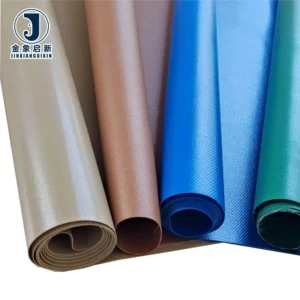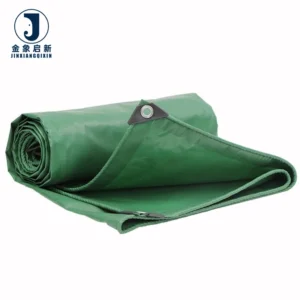
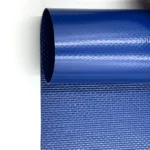
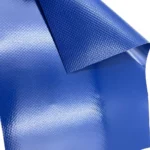
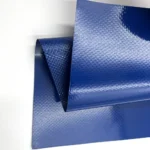
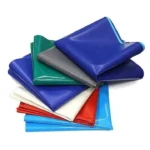
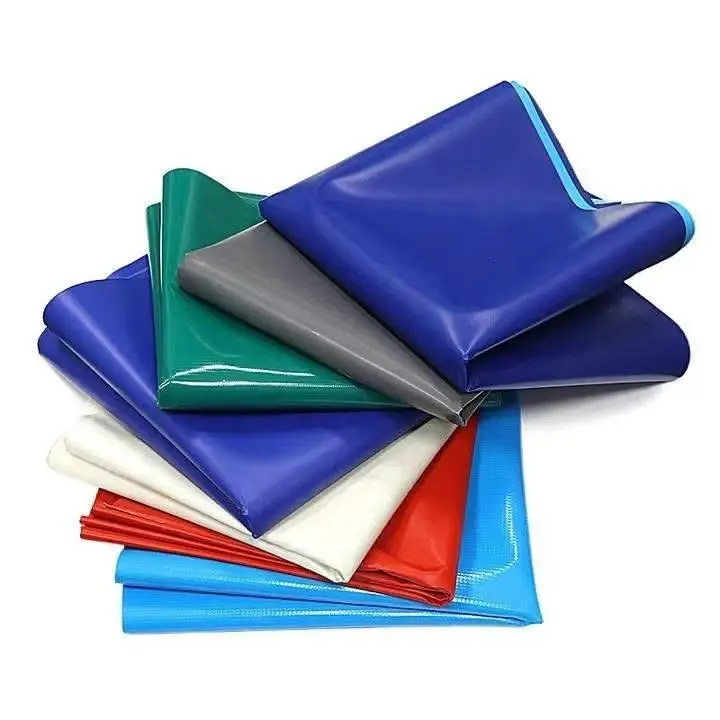
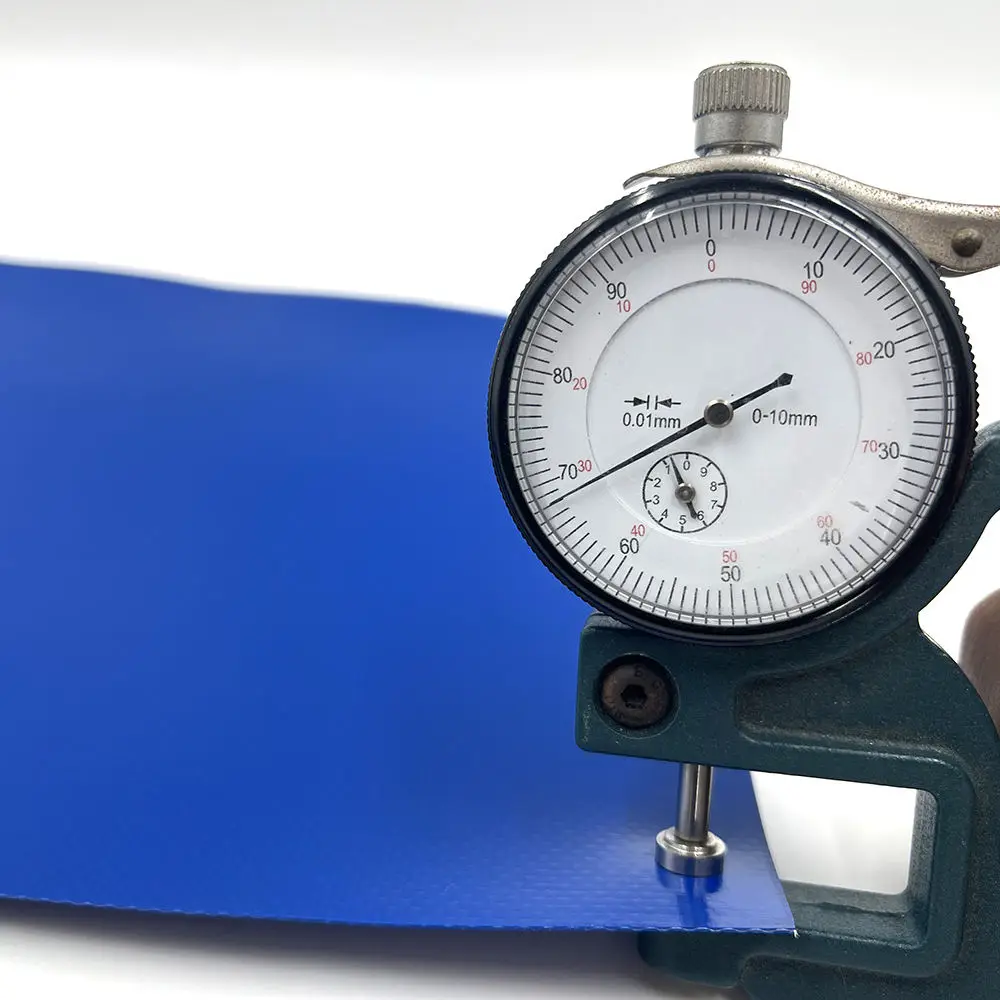
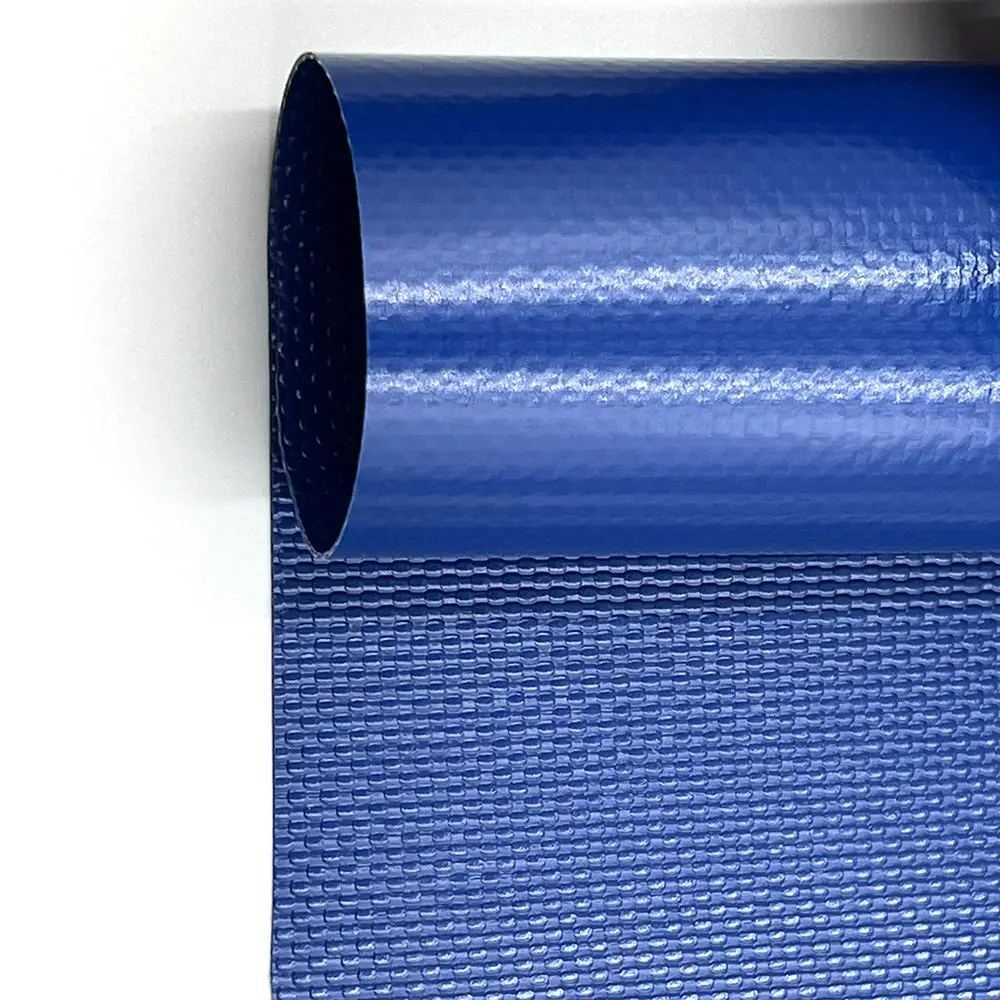
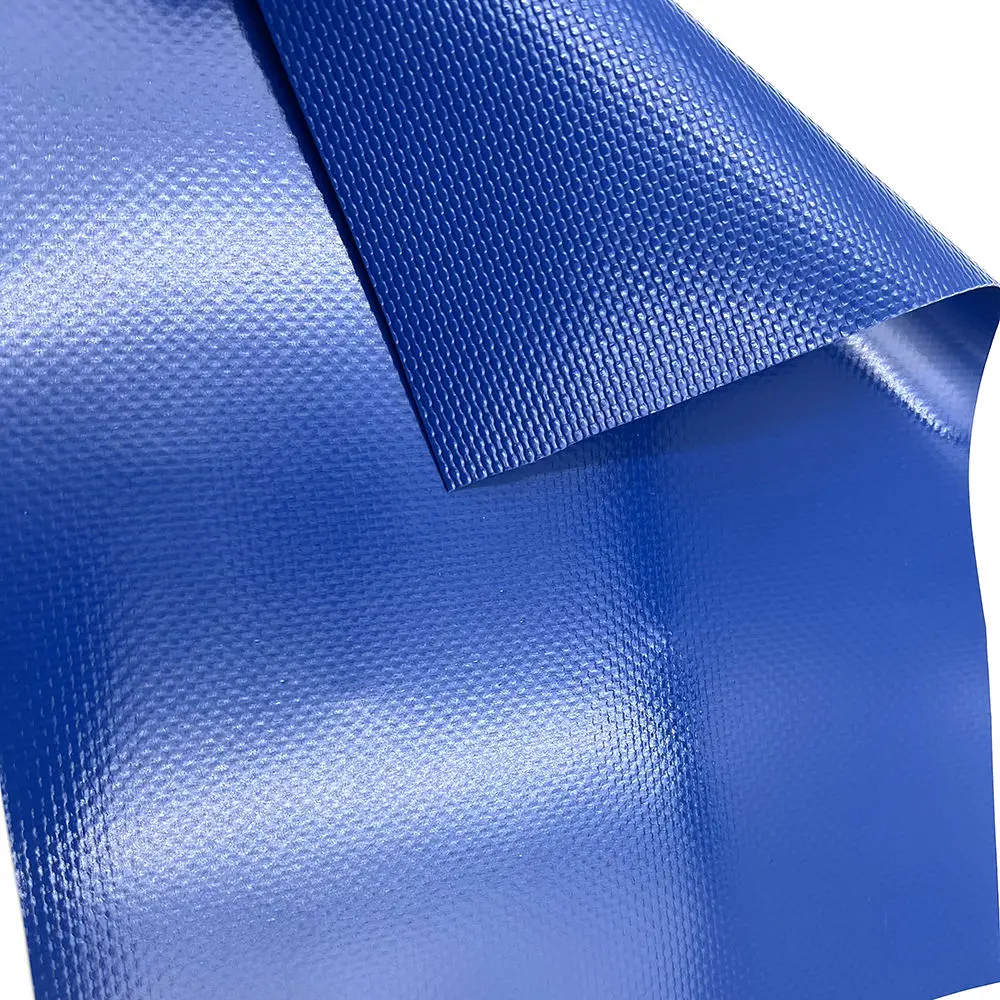
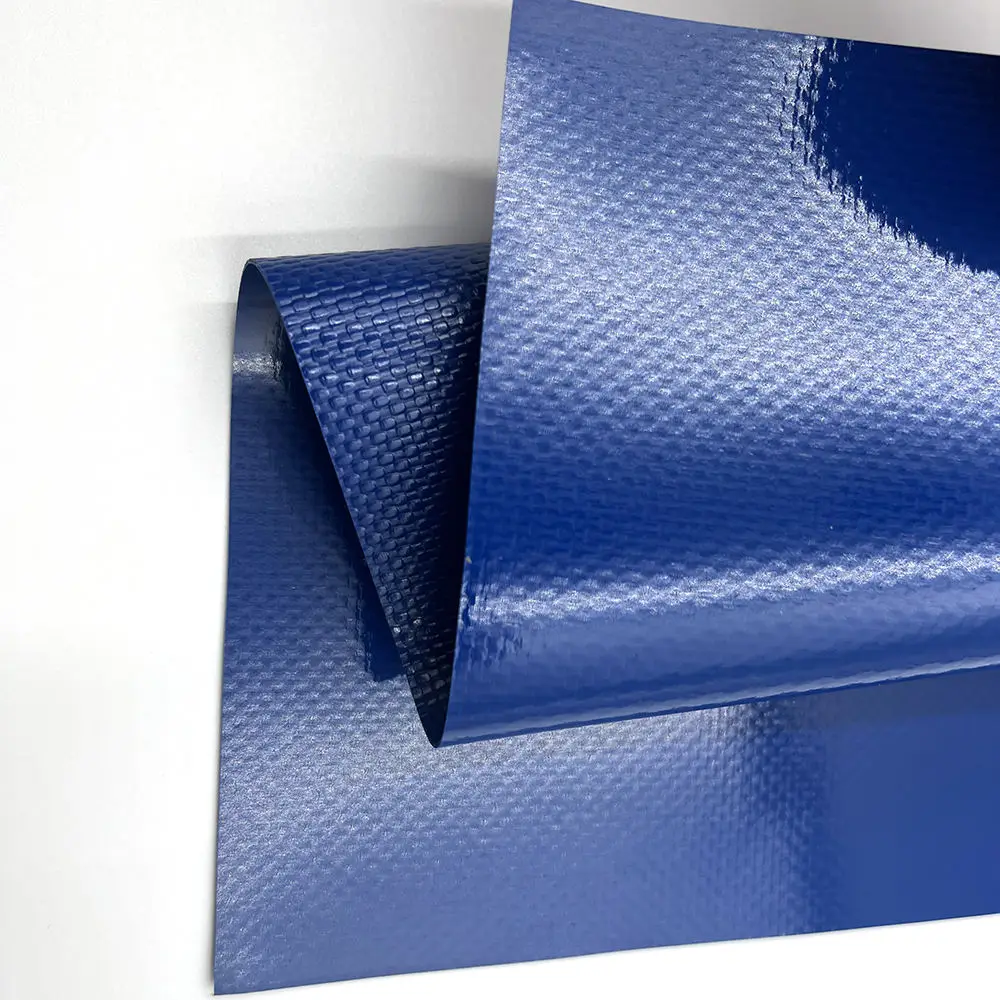
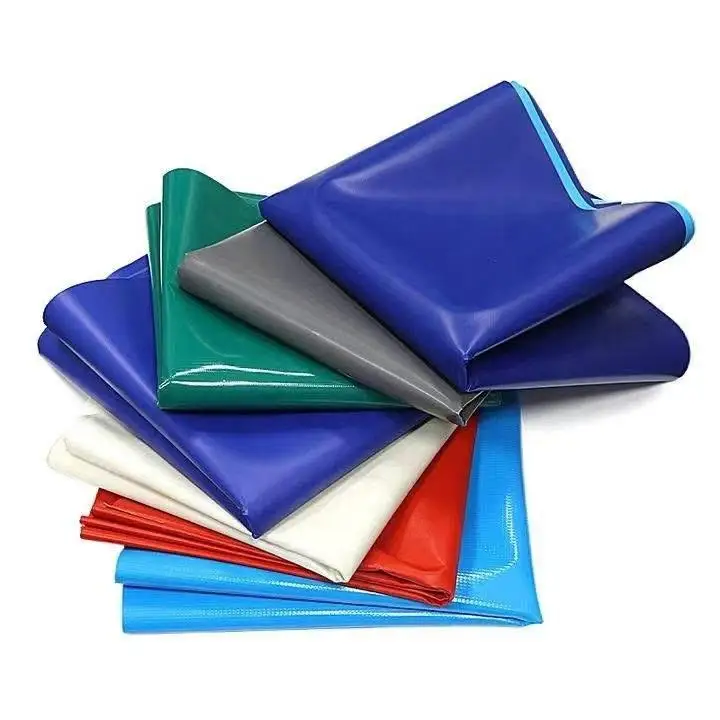
Precision Coating Control — Three dedicated production lines maintain consistent PVC coating adhesion and weight distribution across every roll of knife coated fabric we produce.
Technical Specifications
| Parameter | Value |
|---|---|
| Product Type | PVC Coated Tarpaulin Roll |
| Coating Method | Knife coated |
| Coating Material | PVC |
| Color | Blue |
| Waterproof Rating | Waterproof (test basis not stated) |
| Flame Retardant Grade | Fire retardant (grade not stated) |
| UV Treatment | UV resistant (test basis not stated) |
| Anti-Mildew | Antibacterial and mildew proof |
| Chemical Resistance | Acid and alkali resistance |
| Oil & Stain Resistance | Oil and stain resistance |
| Temperature Range | High temperature and cold resistance (values not stated) |
| Welding Options | HF, Hot Air, Sewing |
| Finish | Self-cleaning surface |
| Flexibility | Highly flexible, resistant to cracking |
| Key Features | Tensile, tearing and peeling resistance; anti-oxidation and weather resistant |
Application Suitability
| Application | Exposure & Requirement |
|---|---|
| Airport hangar membrane covers | Permanent UV exposure, certified fire retardant fabric required, large-span tension loading |
| Mining ventilation duct systems | Anti-static and flame retardant compliance, abrasive particulate airflow, continuous flexing |
| Stadium tensile structures | Long-term weather resistance, high wind load, self-cleaning surface for maintenance reduction |
| Portable storage structures | Repeated assembly and disassembly, fold stress, water ingress prevention |
| Shade systems and shadings | Direct solar exposure, thermal expansion cycles, colour stability |
What Fire Retardant Certification Actually Means for Your Site Inspector
A fire retardant claim without a matching test report is just marketing copy on a data sheet.
When a membrane structure or ventilation duct fails a site safety audit, the contractor bears the cost of replacement and delay. We have seen projects halted because the fabric supplier provided a certificate that did not match the fire classification required by the local building authority or mining safety regulator [NEED_CITE: fire classification standards for tensile membrane structures]. The PVC Knife Coated Tarpaulin fire retardant certified specification must align with the exact standard your jurisdiction mandates, whether that is DIN 4102, NFPA 701, or a regional mining safety code.
Weld Compatibility Across Fabrication Methods
The knife coated construction of this PVC tarpaulin roll supports HF welding, hot air welding, and traditional sewing. Each method produces different seam characteristics in membrane and duct fabrication. HF welding creates a molecular bond between PVC coating layers, producing seams that match or exceed the base fabric strength. Hot air welding allows continuous seam runs on curved duct sections and complex tensile structure joints. Sewing remains relevant for field repairs and attachment points where welded seams are impractical.
Coating Adhesion and Long-Term Delamination Risk
Knife coating applies PVC directly to the base fabric under controlled tension and temperature, producing a mechanical and chemical bond between coating and yarn [NEED_CITE: PVC coating adhesion test methods for technical textiles]. The peeling resistance of this bond determines whether the coating separates from the base fabric after years of thermal cycling and mechanical flexing. In tensile structures and inflatable covers, delamination at stress concentration points compromises both waterproofing and structural integrity. Our coating process control addresses this failure mode through consistent application parameters.
How Base Fabric and Coating Weight Interact to Determine Real Strength
GSM alone does not predict how a coated fabric performs under load. The base fabric denier, weave density, and yarn orientation determine tensile and tear strength, while the PVC coating weight contributes waterproofing, UV protection, and abrasion resistance. A heavier coating on a low-density base fabric may show high GSM but fail at lower tensile loads than a lighter coating on a high-density weave. The knife coated process allows precise control over coating penetration and surface weight, ensuring the PVC layer bonds fully to the base yarns without excessive buildup that adds weight without adding strength. This balance is critical for tensile structures where the fabric must carry sustained architectural loads while resisting tear propagation from installation stress or wind gusts [NEED_CITE: tensile and tear test methods for coated fabrics per ISO 1421].
The Cost of Specifying the Wrong Fire Retardant Grade
A membrane structure installed for a public event may require a different fire classification than a ventilation duct in an underground mine. When the specified grade does not match the site requirement, the entire installation faces rejection at inspection. We have encountered situations where fabric passed one fire standard but failed another, because the test conditions and pass criteria differ fundamentally between standards [NEED_CITE: comparison of fire test methods for coated technical fabrics]. Confirming the exact fire retardant grade and corresponding test documentation at the inquiry stage prevents costly replacement after fabrication and installation are complete.
Why Technical Buyers Source This Fabric Here
Our 10-person R&D team develops material samples matched to your specific compliance requirements within days, not weeks. Dedicated QA inspection at every production stage catches coating weight deviation and colour variation before rolls reach the dispatch area. The 36 sets of professional equipment across three production lines support bulk orders with consistent roll-to-roll quality. Every shipment includes a material specification sheet documenting the exact GSM, base fabric, and coating parameters for your records. We supply fire retardant and anti-static test reports matched to the grade you specified, not a generic certificate.
Documentation & Verification
- Material specification sheet confirming GSM, base fabric denier, and PVC coating weight per roll
- Fire retardant test report matched to the grade specified at inquiry
- Anti-static surface resistance report for mining and tunnelling duct applications
- Pre-shipment inspection record with dimensional and visual checks documented
- UV resistance test data available upon specification of treatment grade
- Certificate of origin and customs documentation for export shipments
Fabrication, Handling & Storage
- HF welding parameters must match the PVC coating thickness to achieve full molecular bond without burn-through
- Hot air welding temperature and speed settings vary with ambient conditions — test on scrap before production runs
- Store rolls horizontally on pallets to prevent edge crushing and permanent crease marks on the knife coated surface
- Avoid folding the self-cleaning surface against itself during transport to preserve coating integrity
- Clean with mild detergent only — solvents may degrade the PVC coating and compromise fire retardant treatment
- Allow cold-stored rolls to reach ambient temperature before unrolling to prevent cracking at low temperatures
Requesting a Technical Quote
Provide your application type, the specific fire retardant or anti-static standard required by your site safety officer, and the roll width and length you need. If your project involves tensile structures or membrane covers, include the expected load conditions and span dimensions. Confirm whether you require sample approval before full production, and specify any colour matching or custom width requirements.
Frequently Asked Questions
Q: Which fire retardant standards can this fabric meet?
A: The fabric is available in fire retardant grades with test documentation. The specific standard depends on your market requirement — DIN 4102, NFPA 701, or other regional classifications. Provide your required standard at inquiry and we will confirm the matching grade and supply the corresponding test report with your order.
Q: How is UV resistance verified for outdoor tensile structures?
A: UV treatment is applied during coating and can be verified through accelerated weathering tests. The specific test method and exposure duration depend on your project requirements and local building codes. Request the UV test report at the specification stage to confirm the treatment level matches your expected service environment.
Q: What anti-static compliance is available for mining ventilation ducts?
A: Anti-static treatment is available for mining and tunnelling applications where surface resistivity must meet site safety requirements. The specific resistivity threshold varies by jurisdiction and mine operator policy. Confirm the required surface resistance value at inquiry so we can match the treatment and provide documentation.
Q: Which welding method works best for membrane structure fabrication?
A: HF welding produces the strongest seams for flat panel joints in tensile structures. Hot air welding suits curved sections and complex geometries in inflatable covers. Sewing is appropriate for attachment points and field repairs. The knife coated PVC construction supports all three methods — your choice depends on joint geometry and structural loading.
Q: Can I order custom widths for large-span structures?
A: Custom widths are available to reduce seam count in large-span tensile and shade structures. Provide your required width, roll length, and annual volume. Minimum order quantities apply for non-stock widths. Our R&D team will confirm production feasibility and provide a sample for approval before full production begins.