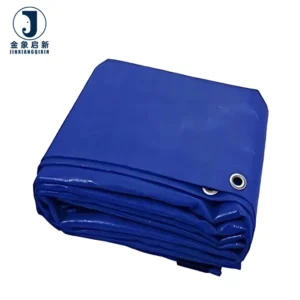


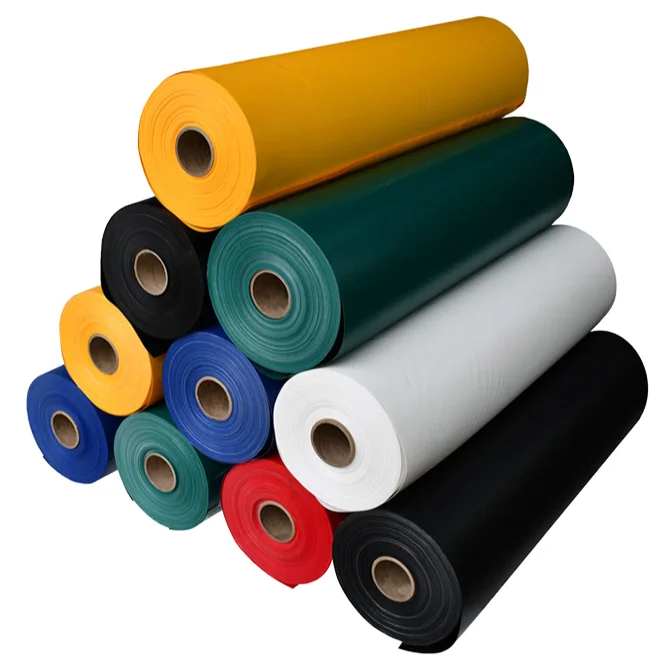
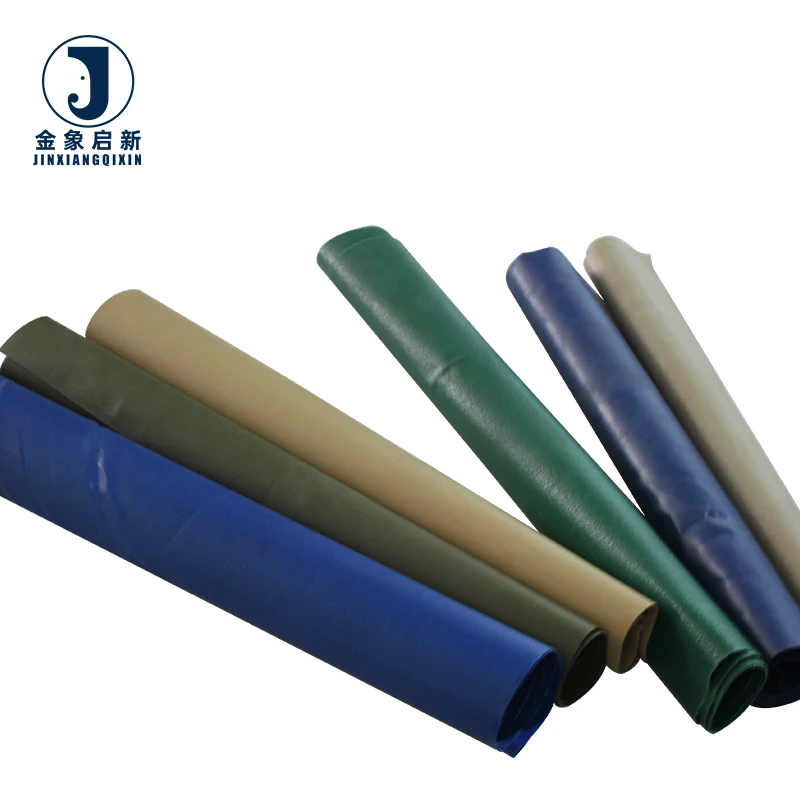
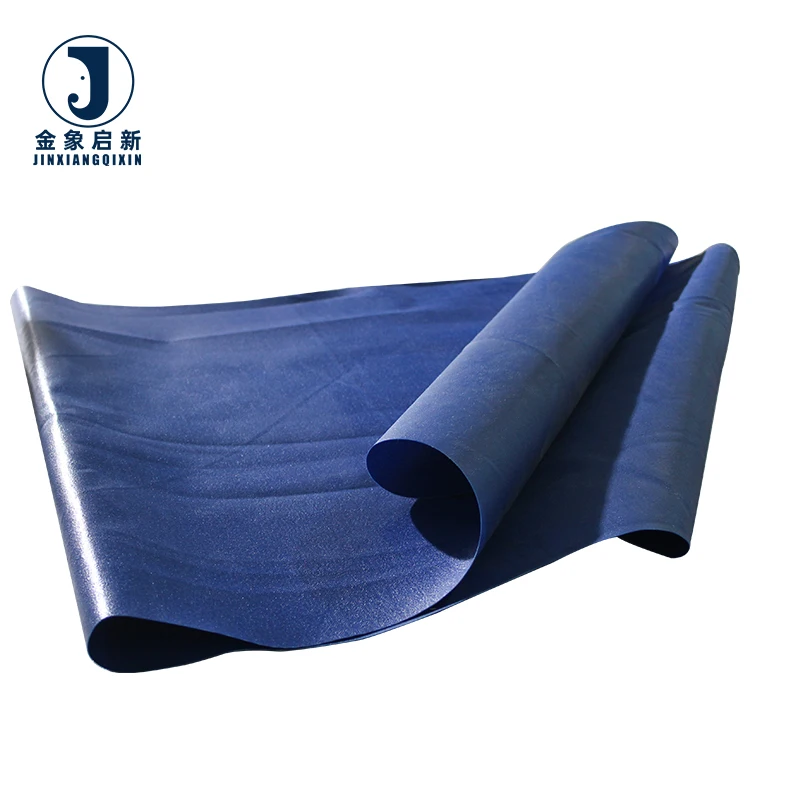
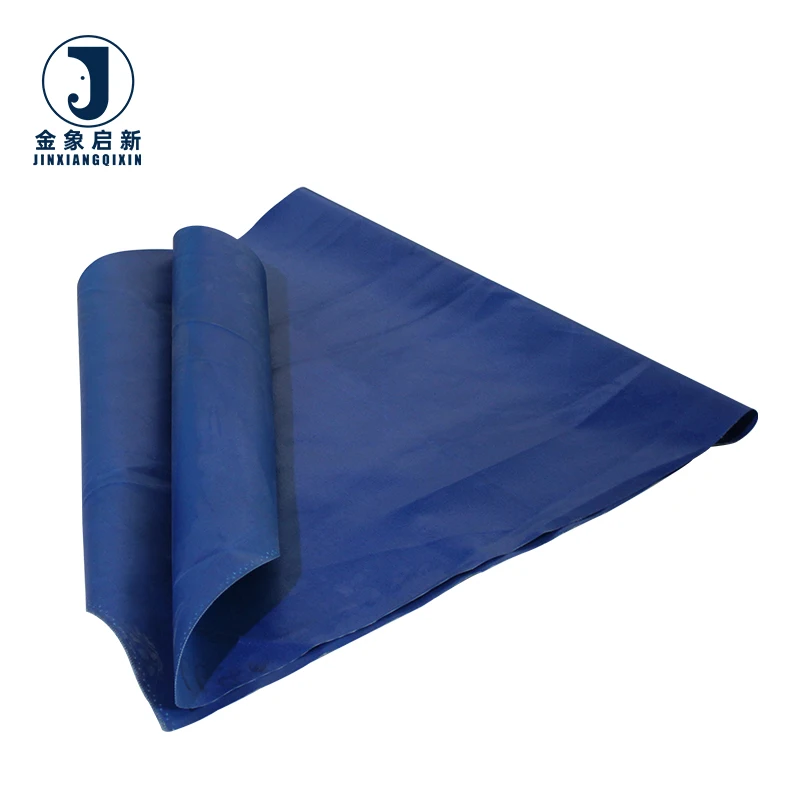
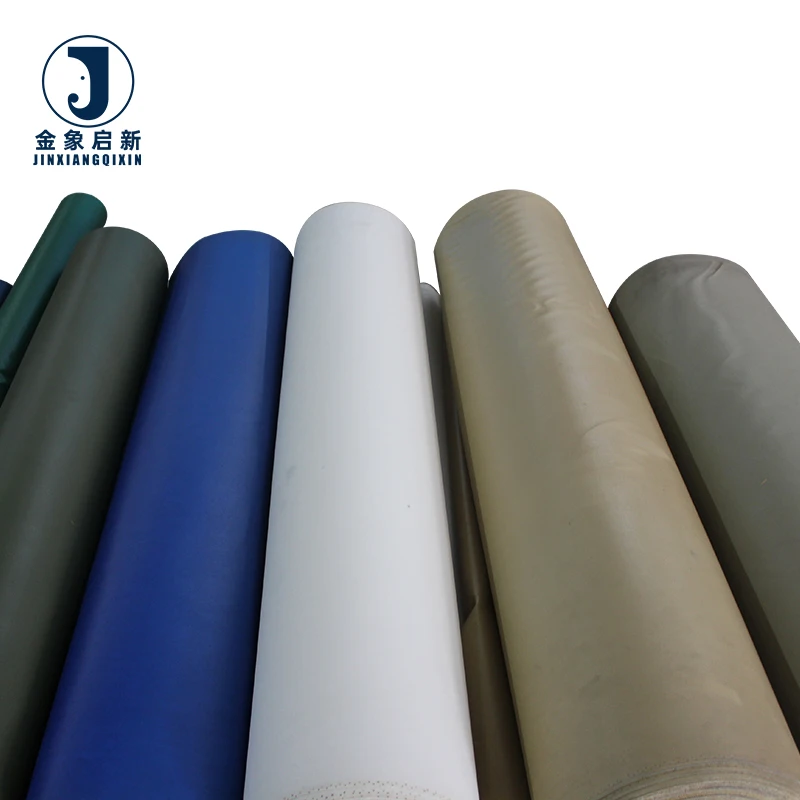
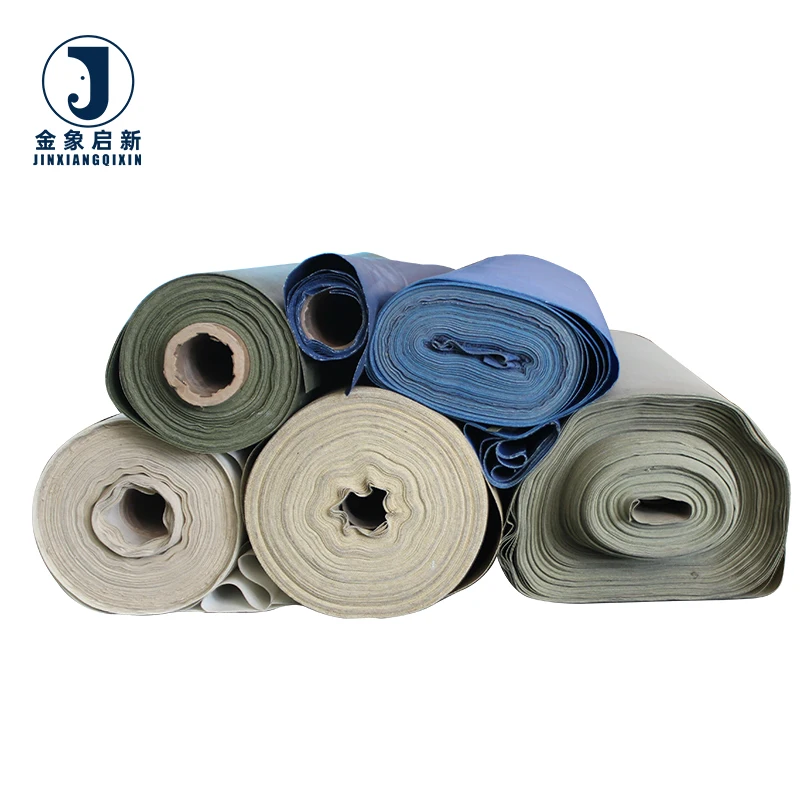
Coating Process Control — Hot-melt and laminated coating lines maintain consistent adhesion between PVC and high-tenacity polyester mesh across every roll of this PVC coated tarpaulin fabric.
Technical Specifications
| Parameter | Value |
|---|---|
| Product Type | PVC Coated Tarpaulin Fabric |
| Material | PVC + High-strength polyester mesh fabric |
| Weight (GSM) | 350gsm / 420gsm / 500gsm / 550gsm / 600gsm / 750gsm |
| Thickness | 0.32mm / 0.35mm / 0.4mm / 0.45mm / 0.5mm / 0.65mm |
| Roll Size | 2m width 75m length / 2.1m width 50m length |
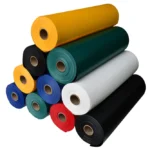
| Color | Blue / Red / Yellow / Light blue / Grey (Customized) |
| Coating Technology | Laminated technology & Hot-melt Coating technology |
| Key Features | Cold Crack Resistance, Anti-Mildew, Anti-Static treatment, Waterproof, Sunproof |
| Standards | ISO, CE |
Application Suitability
| Application | Exposure & Requirement |
|---|---|
| Tent & Awning Structures | Wind load stress, UV exposure, repeated assembly and dismantling, weld-seam integrity |
| Inflatable & Membrane Structures | Continuous air pressure, flex fatigue at folds, fire-retardant compliance for public venues |
| Truck Awning & Side Curtains | Road abrasion, constant vibration and flexing, weather and water ingress prevention |
| Fish Tank / Pool Liners | Permanent water contact, hydrostatic pressure, mildew and algae resistance |
What Happens When Coated Fabric Lacks Verified Fire and Static Compliance
Specify the exact fire-retardant grade and anti-static surface resistance standard your project demands before placing an order — never accept a generic claim.
Ventilation ducts and membrane structures installed in mining tunnels, aviation hangars, or public event venues must meet strict fire and static safety codes on site. When fabric arrives without a test report citing the specific standard, contractors face failed inspections, work stoppages, and costly material replacement. The PVC coated tarpaulin fabric fire retardant anti-static certified specification must match the compliance framework your local authority enforces, not a vague supplier assurance. [NEED_CITE: fire classification standards for textile structures in public venues]
Hot-Melt Coating and Weld Integrity for Structural Fabrication
Membrane structures and inflatable ducts rely on heat-welded seams that must hold under continuous tension and flex cycles. This PVC coated tarpaulin fabric uses hot-melt coating technology, which bonds the PVC layer to the high-tenacity polyester base at temperatures that create strong interfacial adhesion. The result is outstanding tearing strength for welding — when a weld is stressed, the fabric tears before the seam separates, which is the correct failure mode for structural joints.
Anti-Static and Fire-Retardant Treatment Options
Mining ventilation ducts and aviation maintenance enclosures often require both anti-static surface resistance and a verified flame-retardant grade to pass site safety audits. This fabric is available with anti-static treatment, and flame-retardant grades are available in flame retardant grades — confirm the grade required for your market before sampling. Request the test report citing the applicable standard so your compliance documentation is complete before fabrication begins. [NEED_CITE: anti-static surface resistance measurement methods for industrial textiles]
How Coating Weight, Base Fabric, and Thickness Interact
GSM alone does not predict how a coated fabric will perform in a structural application. A 550gsm roll with a dense polyester mesh and thin coating layers will behave differently under tensile load than a 550gsm roll with a loose weave and thick coating. The laminated and hot-melt coating methods used here control the ratio of PVC mass to base fabric, and the total thickness range from 0.32mm to 0.65mm reflects that balance. Thicker grades carry more PVC mass, improving puncture resistance for pool liners and heavy-duty truck covers, while lighter grades reduce roll weight for large awning panels where handling ease matters during installation.
The Cost of Specifying the Wrong Roll Width or Batch Consistency
When multiple rolls of the same colour are installed side by side on a large awning or tent, any variation in shade between batches becomes immediately visible and can force a full removal and re-installation. Roll width also determines how many welded seams are needed to cover a given panel area — narrower rolls mean more seams, which increases fabrication time and introduces more potential failure points under wind load. Colour variation across rolls and suboptimal width selection are recurring pain points that delay project handover and inflate labour costs on site. [NEED_CITE: batch colour consistency control in coated fabric production]
Why Procurement Teams Source This Fabric Here
Three full production lines and 36 sets of professional coating equipment support bulk roll output with on-time dispatch for repeat orders. A dedicated 10-person R&D team handles custom width, colour matching, and sample development, returning samples within days rather than weeks. Every production stage includes in-process QA, with 100% pre-shipment inspection verifying GSM, colour, and coating adhesion roll by roll before the container is sealed. This level of process control applies equally to a single trial roll and a full container load of PVC coated tarpaulin fabric fire retardant anti-static certified grades.
Documentation & Verification
- Material specification sheet confirming GSM, base fabric denier, and coating method for each roll
- Test report for flame-retardant grade citing the specific standard applicable to your project
- Anti-static surface resistance verification where treatment is specified for mining or aviation use
- Pre-shipment inspection record documenting weight and colour check per roll
- Certificate of origin and customs documentation for cross-border shipment
Fabrication, Handling & Storage
- Heat-weld temperature and dwell time must match the hot-melt coating grade to prevent delamination at seams
- Store rolls upright on pallets to avoid flat-spot compression marks on the PVC surface
- Allow cold-stored rolls to acclimatise before unrolling to prevent coating crack at low temperatures
- Use compatible PVC solvent cement for field repairs on 0.45mm and thicker grades
- Plan panel cutting layout around 2m or 2.1m roll width to minimise off-cuts and seam count
Project Specification and Sampling
To move forward, provide the application type, the fire-retardant or anti-static standard your site requires, the target GSM or thickness, and the total linear metres needed. If you require a custom colour or non-standard roll width, request a sample roll first to confirm shade, hand feel, and weld behaviour on your own fabrication equipment.
Frequently Asked Questions
Q: What fire-retardant grade does my tent or air duct project require, and which test standard applies?
A: The required grade depends on your local building or mining safety code. Common frameworks include DIN 4102 classifications for building materials and specific mining ventilation standards. Confirm the exact standard with your project engineer, then request a test report from us citing that standard before bulk production begins.
Q: How is anti-static surface resistance measured and certified for mining and tunnelling fabric?
A: Anti-static performance is typically measured by surface resistivity testing under controlled humidity conditions. The acceptable threshold varies by jurisdiction and application. We supply the test result with your shipment so your site auditor can verify compliance against the applicable mining or aviation safety regulation.
Q: How do you verify GSM and coating weight on arrival against the quotation specification?
A: Each roll undergoes weight verification during our pre-shipment inspection. The inspection record documents the measured GSM per roll and ships with your order, so you can cross-reference it against the quoted specification immediately on receipt without needing independent lab testing.
Q: What roll widths and lengths are available, and can custom widths be produced?
A: Standard roll sizes are 2m by 75m and 2.1m by 50m. Custom widths can be produced for membrane structure panels or specific fabrication layouts. Provide your required width and total linear metres, and we will confirm feasibility, minimum order, and lead time for your specification.
Q: How is batch-to-batch colour consistency controlled across multiple rolls for large orders?
A: Colour is monitored at the coating stage and again during pre-shipment inspection. Each roll is checked against the approved colour reference, and the inspection record documents the result. For large awning or tent projects requiring multiple rolls installed side by side, we recommend ordering the full quantity in one production run.