
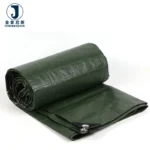
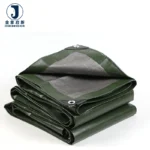
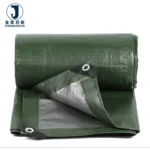
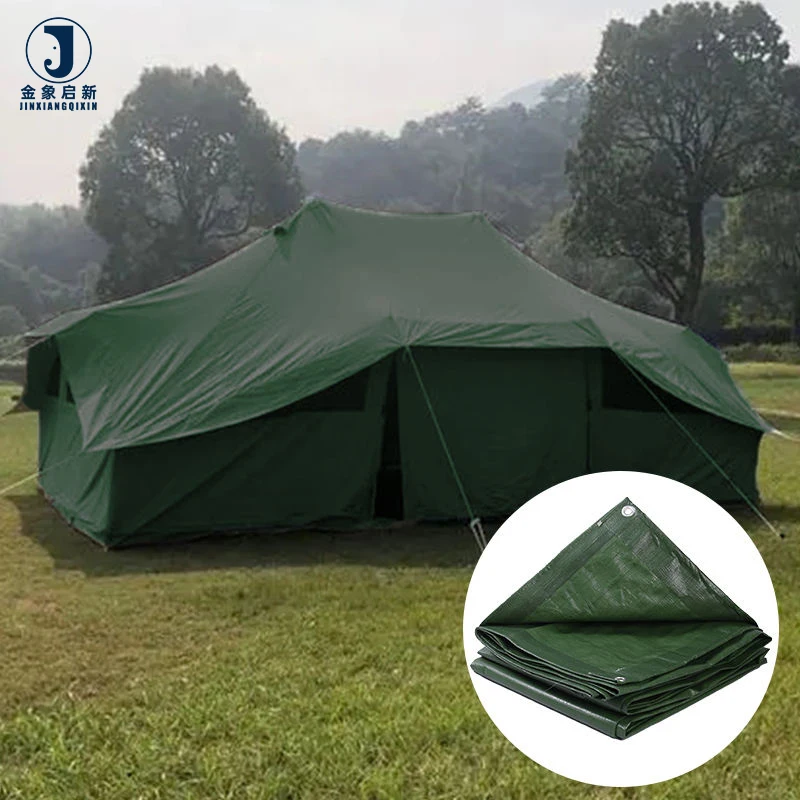
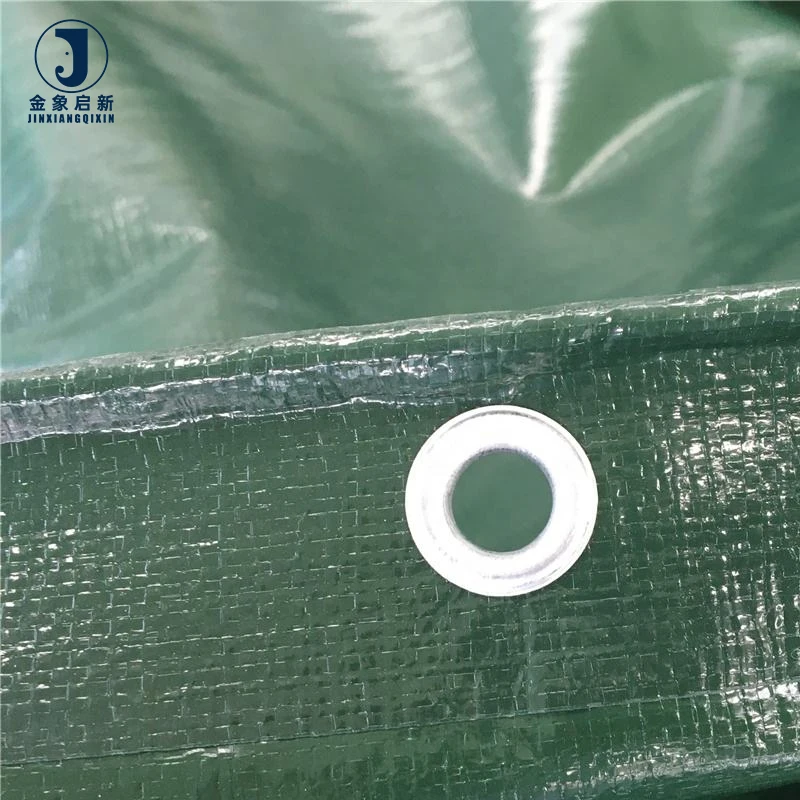
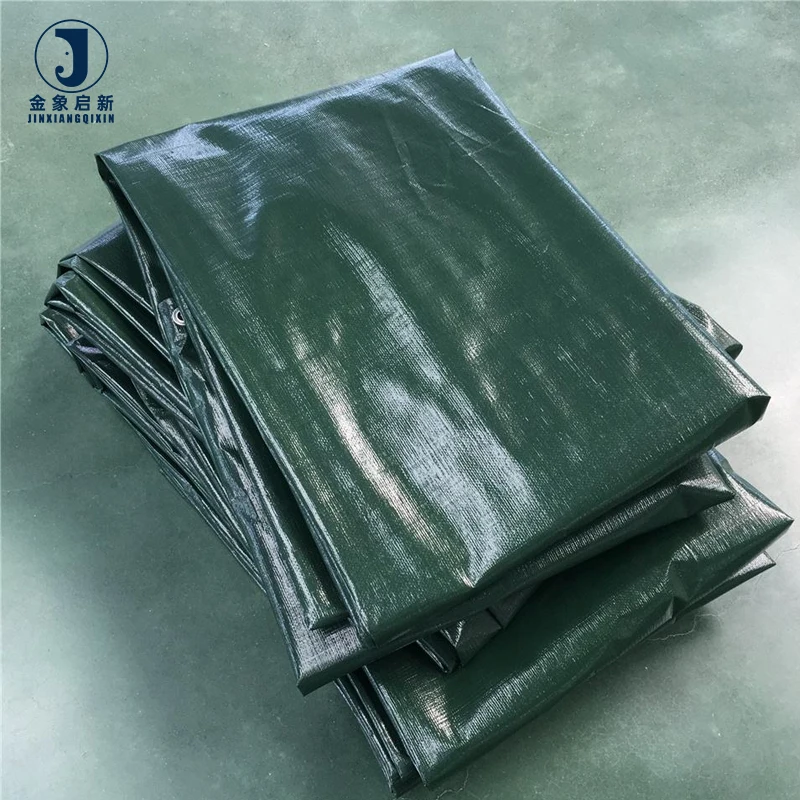
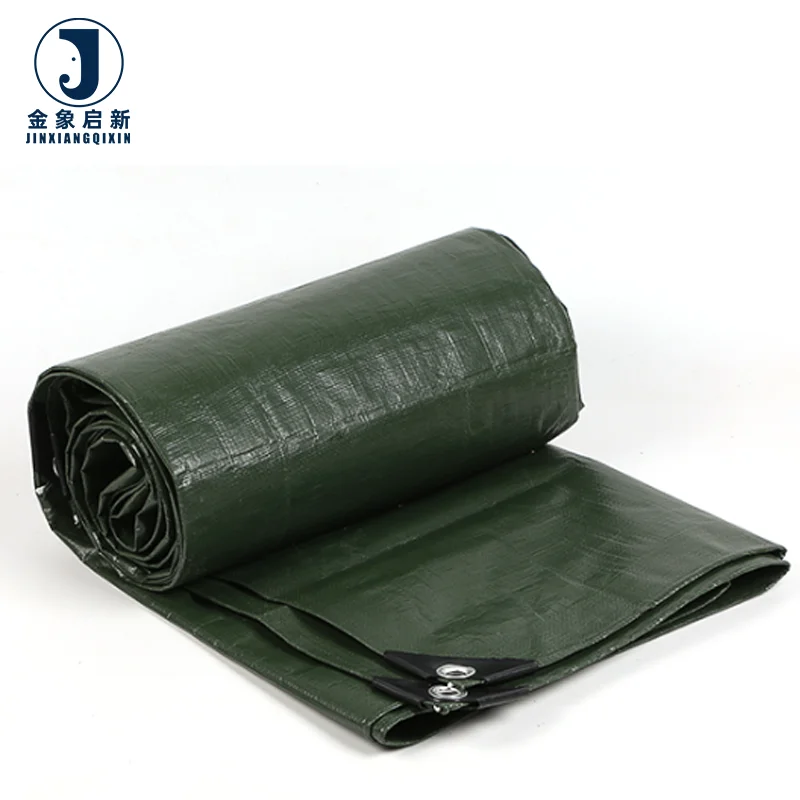
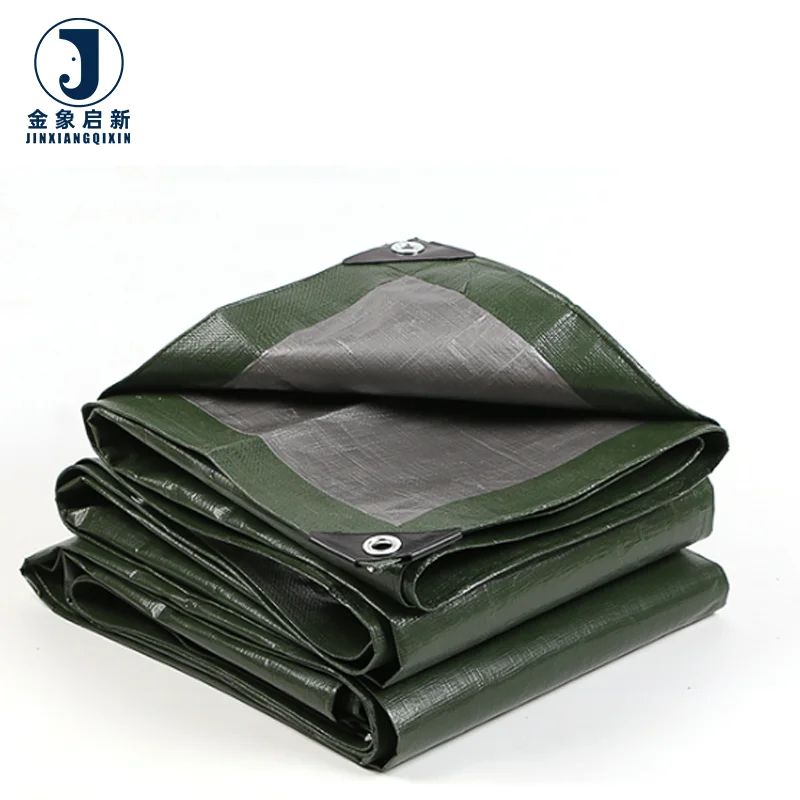
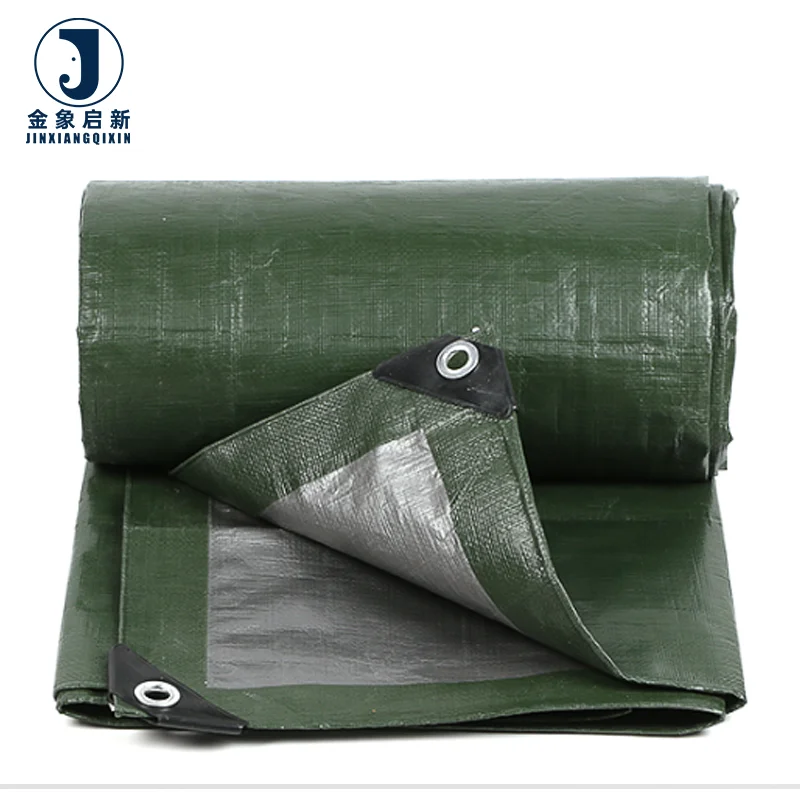
Bulk Roll Consistency — Every roll of Polyethylene Tarpaulin is weighed and measured against the purchase order before dispatch, so the GSM and mesh density you specify is exactly what arrives at your warehouse.
Technical Specifications
| Parameter | Value |
|---|---|
| Product Type | Polyethylene Tarpaulin |
| Material | HDPE woven fabric with LDPE coat on both sides |
| Density | 6×6 to 16×16 mesh |
| Weight | From 50 g/m² up to 300 g/m² |
| Color | Blue, Orange, White, Black, Grey, Yellow, Green, Red, any color available |
| Logos or company information, reinforced strip available | |
| Tarpaulin Sheet Size | 2×3, 3×4, 3×5, 4×5, 5×6, 6×8, 10×10, 10×12, 12×14, or custom |
| Tarpaulin Roll Size | 100m per roll or custom |
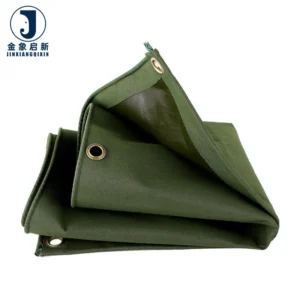
| Edge & Hem | All edges with PP ropes in hem, all corners reinforced with black plastic triangle |
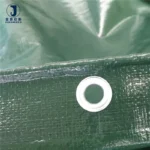
| Eyelet | Rustproof aluminum eyelet every 1.5m or 1m or as per requirements |
| Special Treatment | Fire resistant / UV protection available (test basis not stated in source — confirm grade required for your market) |
Application Suitability
| Application | Exposure & Requirement |
|---|---|
| Tarpaulin distributor container consolidation | Roll-to-roll color and weight consistency across multiple GSM grades in one shipment |
| Construction site equipment covers | Abrasion from tools and aggregate, UV exposure, repeated folding and unfolding |
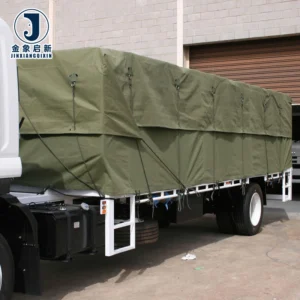
| Truck and trailer load protection | Road debris impact, wind flap stress at eyelet points, prolonged weather exposure |
| Agricultural stock and pond covers | Constant moisture contact, soil chemistry, puncture risk from sharp substrate |
| Pallet wrapping for export shipping | Compression stacking loads, warehouse forklift handling, condensation during transit |
Why Stated Weight Without Verification Leaves Buyers Exposed
We inspect GSM per roll and issue a material specification sheet that matches the exact grade shipped, not a catalogue average.
When a quotation states one weight but the delivered rolls measure lighter, the shortfall compounds across a container load. A buyer ordering PE tarpaulin roll wholesale bulk volumes at a stated grade may receive material that tears at the eyelet under normal tie-down tension or degrades faster under sun exposure than the project timeline requires [NEED_CITE: tensile and tear test methods for coated fabrics per ISO 1421]. The gap between quoted and actual GSM is the single most common dispute in bulk tarpaulin procurement, and it is invisible until the fabric is under load.
Mesh Density Determines More Than Weight Alone
A 6×6 mesh produces a lighter, more flexible sheet suited to short-term covers and agricultural wrapping. Moving to a 14×14 or 16×16 mesh increases the yarn count per square inch, which raises tensile strength and limits tear propagation. When sourcing PE tarpaulin roll wholesale bulk for construction or transport applications, the mesh specification often matters more than the headline GSM because it governs how the fabric behaves at stress concentrations like eyelets and corners.
Double-Side LDPE Coating and Edge Construction
The LDPE laminate on both faces of the HDPE woven base seals the fabric against water ingress and provides the surface that accepts printed branding. Edge integrity is handled by PP rope inserted into the hem on all four sides, with black plastic triangle reinforcements at each corner. This construction prevents the most common failure point in PE tarpaulin covers — the hem unravelling under repeated wind flap cycles. Aluminum eyelets set at configurable spacing distribute tie-down loads across the reinforced edge rather than concentrating force on the woven base.
Reading the Specification Sheet Against Your Application
GSM alone does not predict how a roll will perform on site. The base fabric denier and the weave density together determine tear resistance, while the coating weight governs waterproofing and surface durability [NEED_CITE: relationship between HDPE weave density and coated fabric tear performance]. A 180 g/m² fabric with a tight 14×14 mesh and thin coating will outperform a 200 g/m² fabric with a loose 6×6 mesh and heavy coating when the application demands tear resistance at flex points. Buyers evaluating PE tarpaulin roll wholesale bulk options should request the base fabric density alongside the total weight to make a meaningful comparison.
The Cost of Batch Inconsistency Across Rolls
When color varies between rolls in the same container, the difference becomes visible once sheets are installed side by side on a construction hoarding or a fleet of trailers. This forces the buyer to sort, reject, or reorder — delays that cost far more than the material price difference between suppliers [NEED_CITE: color consistency standards in bulk coated fabric orders]. Similarly, when mesh count drifts between production runs, sheets cut from different rolls exhibit different stiffness and tear behaviour, complicating fabrication for distributors who convert roll stock into finished covers. Batch-level QA records prevent both issues.
Why Procurement Teams Source PE Tarpaulin Roll Wholesale Bulk Here
Three full production lines with 36 sets of professional equipment maintain output volume without sacrificing per-roll inspection. The 10-person R&D team develops custom width, color, and print samples within days, shortening the approval cycle for new SKU introductions. A dedicated QA/QC process checks GSM, mesh count, and color reference at every production stage, not only at final packing. Pre-shipment inspection covers 100% of rolls against the purchase order specification, with records provided before the container is sealed.
Documentation & Verification
- Material specification sheet stating exact GSM, mesh density, and coating weight per roll batch
- Pre-shipment inspection record confirming weight and color against the purchase order
- Roll packing list with roll count, individual weight, and container loading plan
- Batch color reference swatch ensuring consistency across all rolls in one shipment
- Test documentation for fire resistant or UV protection grades where specified
- Certificate of origin and customs documentation for international freight
Fabrication, Handling & Storage
- Heat sealing parameters must match the LDPE coating thickness to avoid delamination at seams
- Aluminum eyelets should be set through the PP rope hem to spread tie-down load across the reinforced edge
- Store rolls vertically on pallets to prevent flat-spot deformation of the HDPE woven core
- Unroll at ambient temperature; cold-stiffened LDPE coating can crack if force-flexed below freezing
- Clean with mild detergent only — solvents can soften the LDPE surface laminate
- When cutting sheets from 100m rolls, allow margin for hem folding and eyelet reinforcement overlap
What to Include in Your Inquiry
Specify the application and the environmental exposure the covers will face so we can recommend the appropriate mesh density and GSM grade. Confirm your target market’s fire safety or UV stability requirements if special treatment is needed. Provide the roll width, sheet dimensions, and annual volume so we can structure container-load pricing tiers and production scheduling for your PE tarpaulin roll wholesale bulk order.
Frequently Asked Questions
Q: How is GSM verified per roll before shipment?
A: Each roll is weighed and sampled during the pre-shipment inspection. The measured GSM and mesh count are recorded against the purchase order line item, and a material specification sheet is issued showing the actual values for that batch, not a catalogue range.
Q: What container loading capacity applies to roll versus bale packaging?
A: Roll packaging on cores maximizes container cube utilization and protects the HDPE woven base from creasing. Bale packing increases sheet count per container but requires careful handling on arrival to avoid fold-line damage to the LDPE coating surface.
Q: How do you control color consistency across multiple rolls in one order?
A: All rolls in a single production run are matched against a batch color reference swatch. The QA team checks color at the start, middle, and end of each run, and the inspection record documents the results before packing.
Q: What is the MOQ for custom width, color, or printed rolls?
A: Custom width and color orders are scheduled into production runs that meet container-load thresholds. Printed rolls with logos or company information carry a minimum that covers plate setup and color calibration across the print run.