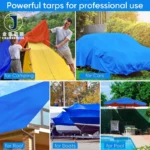
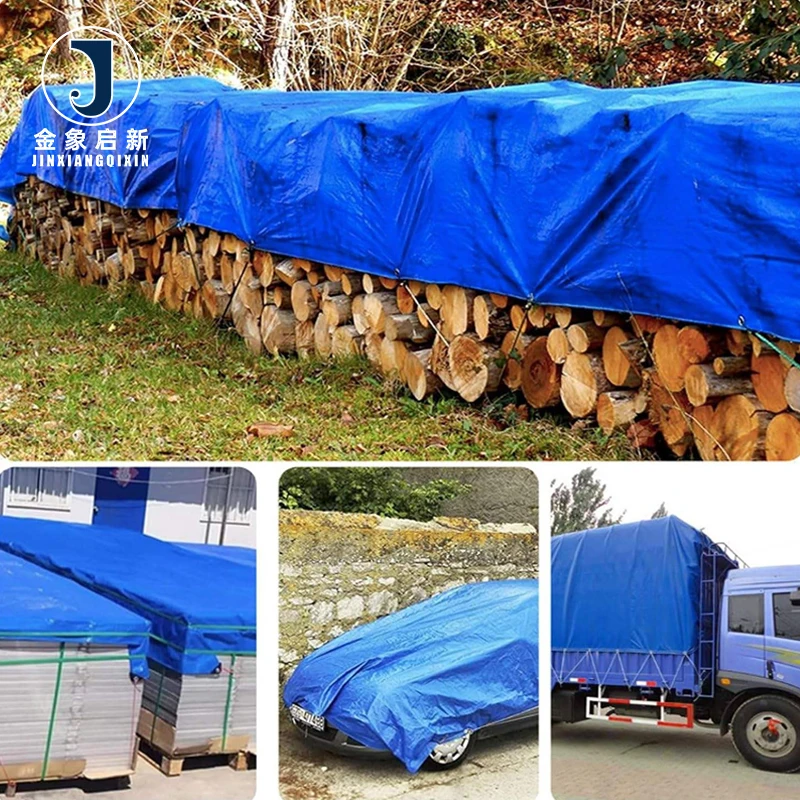
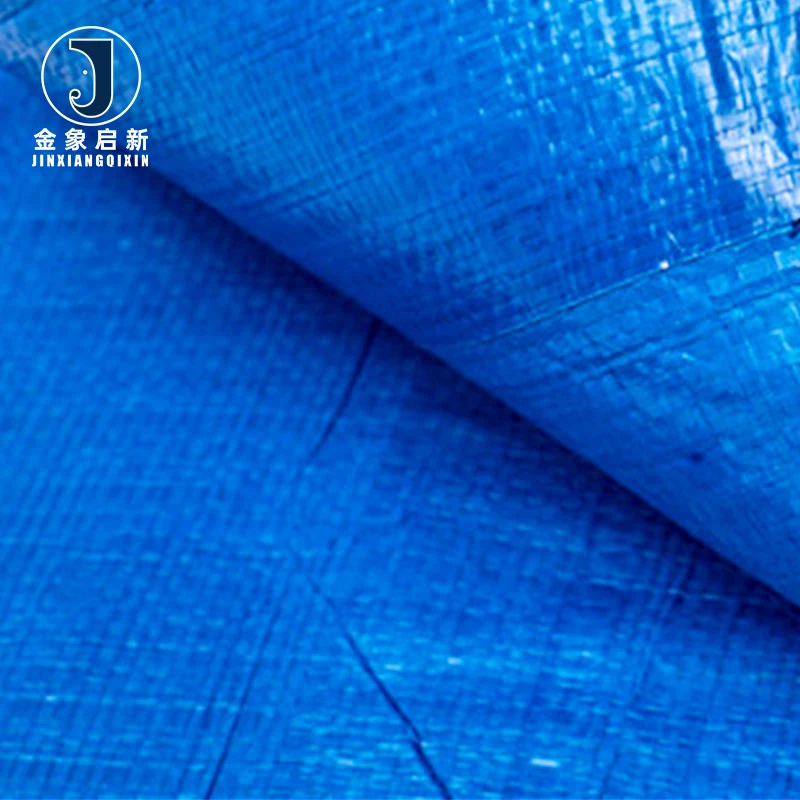
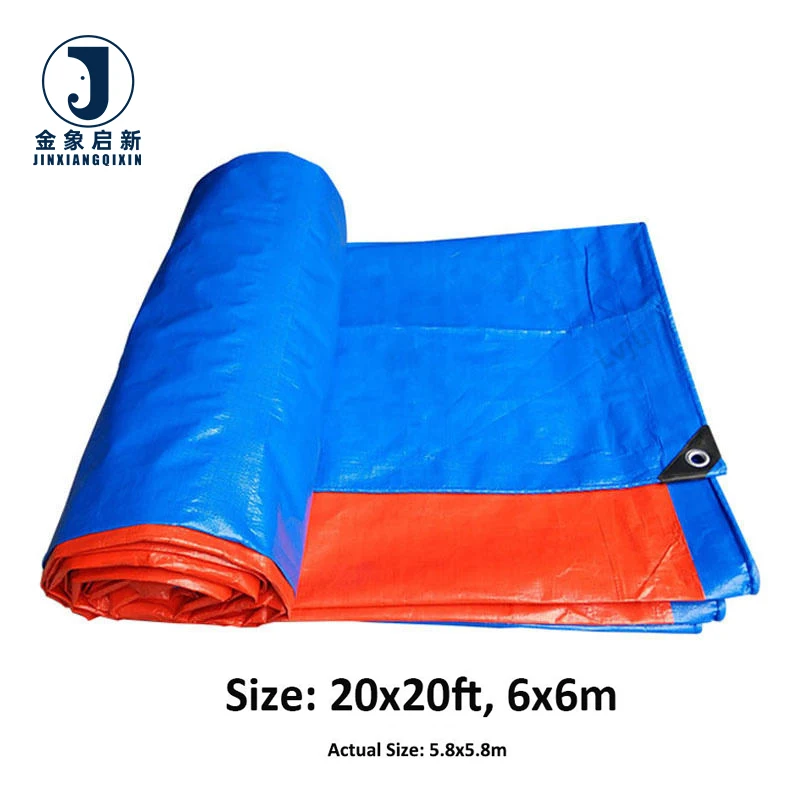
Batch Consistency — every PE Tarpaulin Roll stock grade is produced under dedicated QA/QC at every production stage with 100% inspection before shipment, ensuring roll-to-roll weight and color uniformity across full container loads.
Technical Specifications
| Parameter | Value |
|---|---|
| Product Type | PE Tarpaulin Roll |
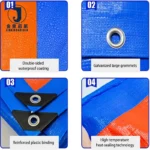
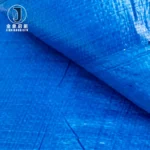
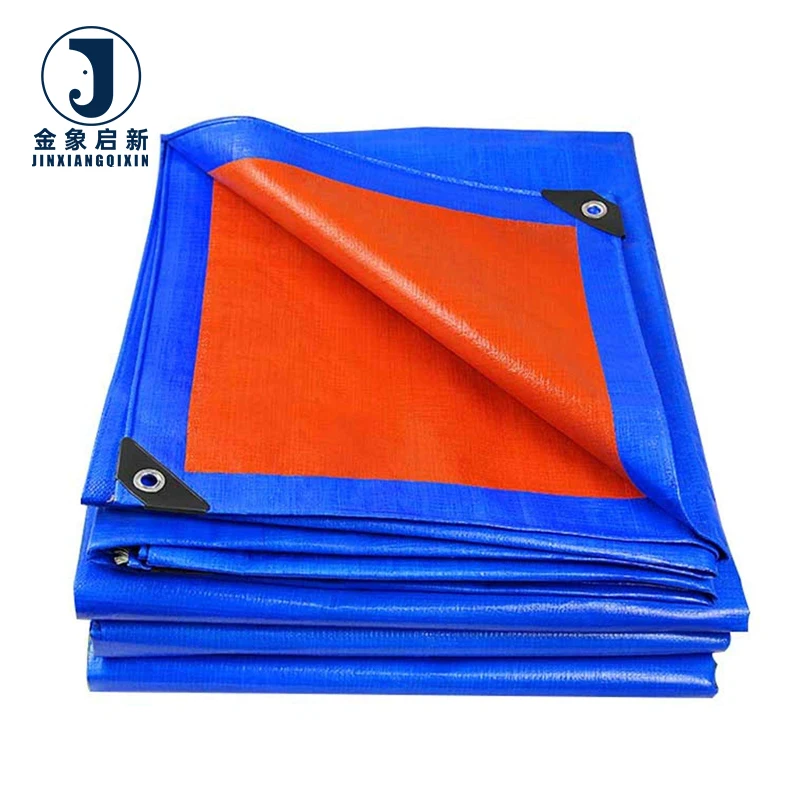
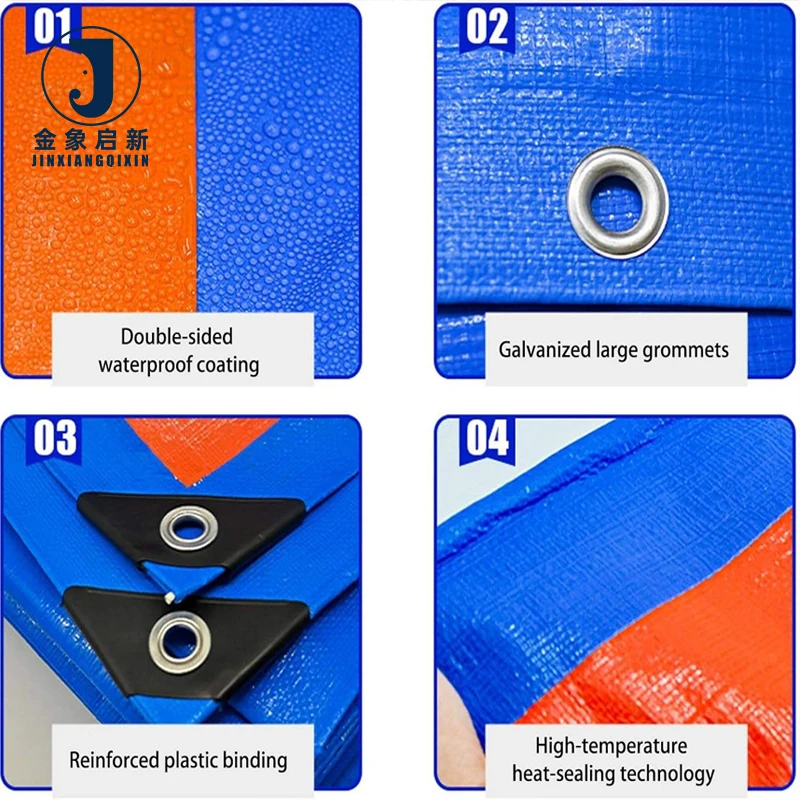
| Material | HDPE woven fabric with LDPE coat on both sides |
| Density (Mesh Count) | 6×6 to 16×16 mesh |
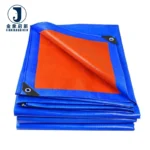
| Color Options | Blue, Orange, White, Black, Grey, Yellow, Green, Red, custom colors available |
| Tarpaulin Roll Length | 100 m per roll or as customer requirement |
| Tarpaulin Sheet Size | 2×3, 3×4, 3×5, 4×5, 5×6, 6×8, 10×10, 10×12, 12×14 m or as customer requirement |
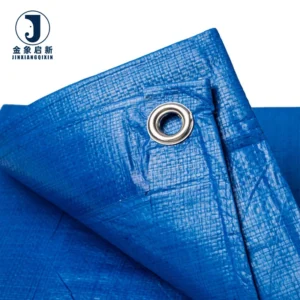
| Making | All edges with PP ropes in hem; all corners reinforced with black plastic triangle; rustproof aluminum eyelet every 1 m or 1.5 m or as per requirement |
| Printing Option | Logos or company information printable on tarpaulin; reinforced strip can be added |
| Special Treatment | Fire resistant / UV protection available as per requirements (grade not stated in source; test basis not stated in source) |
| Anti-Aging Additive | Anti-oxidants added, anti-exposure, anti-aging (test basis not stated in source) |
| Waterproof Construction | Yes — fully waterproof coated construction |
Application Suitability
| Application | Exposure & Requirement |
|---|---|
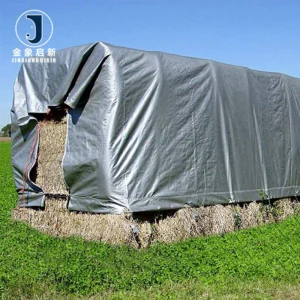
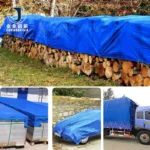
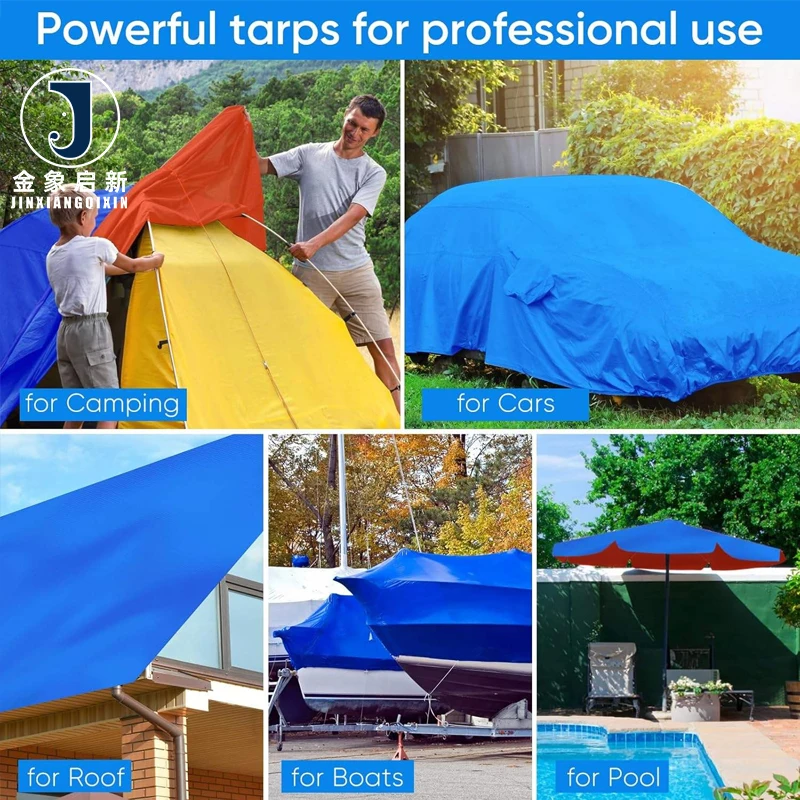
| Truck and transport load covering | Road abrasion, wind uplift at tie-down points, prolonged UV and weather exposure during transit |
| Outdoor industrial and construction covers | Rain, dust ingress, contact with alkaline concrete residue, mechanical abrasion from equipment movement |
| Agricultural and stockpile protection | Continuous outdoor exposure, moisture ingress prevention, UV degradation from seasonal sun |
| General-purpose waterproof sheeting | Multi-site reuse, folding and deployment stress, general weather and ground contact |
Why Roll-to-Roll Color Consistency Matters in PE Tarpaulin Roll Stock
Visible color variation between rolls in the same shipment is a receiving-line rejection that delays entire projects.
When a distributor or fleet operator orders a container of PE tarpaulin roll stock, the assumption is that every roll in that batch shares identical shade and opacity. Color drift within a single production run forces sorting, re-matching, and in some cases partial rejection of stock already in transit [NEED_CITE: color consistency standards for batch-dyed woven polyethylene fabrics]. For buyers specifying blue or grey across dozens of truck covers or construction enclosures, even a slight hue shift is immediately visible once panels are installed side by side. This is not a cosmetic complaint — it signals inconsistent pigment loading, which often correlates with uneven coating weight and variable UV stabilizer distribution across the batch.
Mesh Density as the Foundation of Roll Performance
HDPE woven base fabric forms the structural skeleton of every PE tarpaulin roll stock grade. Mesh density ranging from 6×6 to 16×16 determines how much load the fabric can distribute before individual yarns begin to break under tension. A 6×6 weave suits lightweight seasonal covers where cost and pack weight drive the specification, while a 16×16 weave provides the yarn count needed for heavy-duty trucking covers exposed to sustained wind load and tie-down stress. The LDPE coating applied to both sides locks the weave geometry in place and provides the waterproof barrier, but it cannot compensate for an underspecified base fabric when the material is under mechanical strain.
Coating Weight and Dual-Side Protection
The LDPE coat applied to both faces of the HDPE woven fabric serves two distinct functions: the top surface takes direct UV and abrasion exposure, while the underside contacts the load or ground. Dual-side coating means neither face is left as exposed yarn, which is where moisture ingress and yarn degradation typically begin [NEED_CITE: dual-side LDPE coating performance on woven HDPE tarpaulin substrates]. Anti-oxidant additives are compounded into the coating to slow oxidative breakdown during extended outdoor exposure, though the specific service duration depends on local climate intensity and installation conditions.
Understanding GSM, Mesh Count, and Weight Distribution
Buyers frequently specify PE tarpaulin roll stock by GSM alone, but weight without mesh context is an incomplete picture. A 160 g/m² fabric woven at 8×8 mesh achieves its weight through heavier yarn and thicker coating, yielding different tear behavior than a 160 g/m² fabric at 14×14 mesh where weight comes from finer, more numerous yarns and a thinner coat. The first tends toward higher tear propagation resistance; the second toward better drape and foldability. For roll stock buyers, specifying both GSM and mesh count together eliminates ambiguity and ensures the mill produces fabric matched to the intended fabrication method — whether that is heat-welded panels, stitched and eyeleted sheets, or duct-forming strips.
The Cost of Specifying on Weight Alone
A buyer who approves a quotation on GSM without verifying mesh density, coating adhesion, or treatment documentation often discovers the gap at the fabrication stage. Rolls that are lighter than the agreed specification on arrival create immediate commercial disputes. Rolls where anti-UV treatment was claimed but no test report accompanies the shipment leave the buyer carrying compliance risk on outdoor installations [NEED_CITE: PE tarpaulin UV treatment verification and test documentation practices]. For buyers procuring fire resistant grades, the absence of a stated grade and test basis means the material cannot be submitted for site safety approval — a problem that surfaces only when the safety officer requests documentation before commissioning.
Procurement Advantages for Volume Buyers
Jinan Jinxiang operates three full production lines and 36 sets of professional equipment dedicated to coated fabric, supporting consistent batch output for container-load roll orders. A 10-person R&D team handles color matching, custom width development, and sample approval before production begins, reducing the risk of off-spec stock reaching the loading bay. Dedicated QA/QC runs at every production stage with 100% inspection before shipment, meaning every roll in a batch is individually checked for GSM, coating integrity, and color match. The facility holds ISO and CE certification, and pre-shipment inspection records accompany every dispatch with roll packing lists and material specification sheets. Custom colors and widths are available with samples developed within days for approval.
Documentation & Verification
- Material specification sheet stating GSM, base fabric denier, mesh count, and LDPE coating weight for each roll batch
- Fire resistant grade test report — confirm the grade required for your site or market before committing to specification
- UV treatment test report with stated exposure duration or standard for outdoor-use roll grades
- Pre-shipment inspection record documenting per-roll GSM and visual check results before container loading
- Roll packing list with individual roll dimensions, weight, and color reference for receiving verification
- Certificate of origin and customs documentation included with every international dispatch
Fabrication, Handling & Storage
- Heat-weld seams using temperature and dwell settings calibrated to the LDPE coating thickness on the specified GSM grade
- Position rustproof aluminum eyelets at 1 m or 1.5 m intervals to distribute tie-down load evenly across the PP rope hem
- Store PE tarpaulin rolls horizontally on pallets in covered, ventilated areas to prevent flat-spotting and coating compression marks
- Unroll at ambient temperature — cold-stored rolls require acclimatization before unfolding to avoid LDPE coating crack at fold lines
- Clean with mild detergent and soft brush; avoid solvents that degrade the LDPE coating surface on either face
- Lay out sheet sizes on flat surface before cutting to verify squareness and confirm eyelet placement matches the tie-down plan
Requesting a Quotation for Your Roll Stock Requirement
To receive an accurate specification and quotation, share your target GSM and mesh density preference, required roll width and length, and the color or custom shade needed for your market. If your application requires fire resistant or UV-treated grades, state the compliance standard your site or destination market demands so the correct treatment can be confirmed with supporting test documentation. Indicate whether you need roll stock only or finished sheets with eyelets and reinforced hems, along with your estimated annual volume to align production scheduling.
Frequently Asked Questions
Q: What fire retardant grade is available for PE tarpaulin roll stock used in mining or tunnelling ventilation?
A: Fire resistant treatment is available on request, but the specific grade and test standard must be confirmed against your site safety requirements. Before placing an order, share the fire classification your project specifies — such as M2, B1, or NFPA 701 — so the mill can confirm whether the available treatment meets that standard and provide the supporting test report with your shipment documentation.
Q: How is anti-static performance certified on PE tarpaulin roll stock for ventilation duct fabrication?
A: Anti-static treatment for PE tarpaulin roll stock requires a separate specification and surface resistance testing to verify compliance. If your mining, tunnelling, or aviation project demands anti-static certified fabric, provide the required surface resistance range and applicable standard at the inquiry stage so the correct formulation can be confirmed with test documentation before production begins.
Q: How do you verify GSM matches the quoted specification when PE tarpaulin rolls arrive?
A: Every roll undergoes 100% pre-shipment inspection with GSM verification documented in the inspection record accompanying your shipment. Upon receipt, buyers can cross-check individual roll weight against the roll packing list and material specification sheet. Any discrepancy between the quoted GSM and the received weight is addressed through the after-sales support channel with reference to the pre-shipment inspection data.
Q: What is the minimum order for custom width or color on PE tarpaulin roll stock?
A: Custom widths and colors are produced on full production lines with samples developed within days for buyer approval before bulk production begins. Minimum order quantities depend on the specific width, color, and treatment combination requested. Share your required specification and estimated annual volume at the inquiry stage to receive a confirmed minimum and lead time aligned with your procurement schedule.
Q: How is color consistency maintained across multiple PE tarpaulin rolls in a single container order?
A: Color consistency is controlled through dedicated QA/QC at every production stage, with pigment loading and coating weight monitored across the entire batch run. The 100% pre-shipment inspection includes visual color matching between rolls. Every dispatch includes a roll packing list and material specification sheet with color reference codes, allowing buyers to verify shade uniformity at the receiving dock against the approved sample.