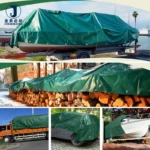
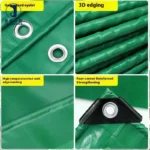
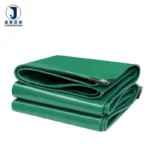
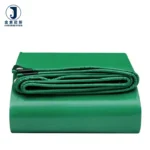
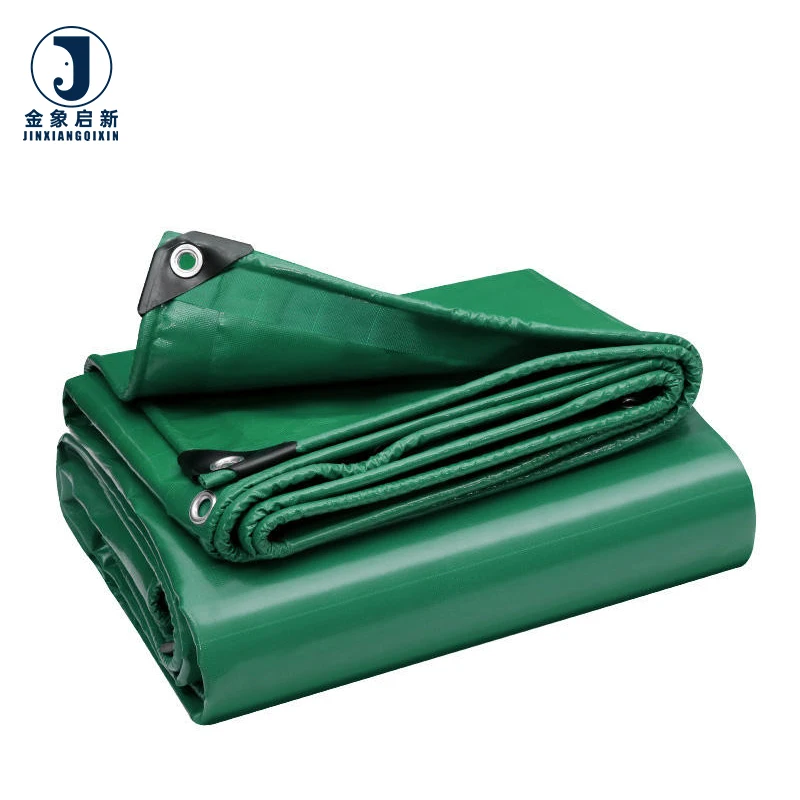
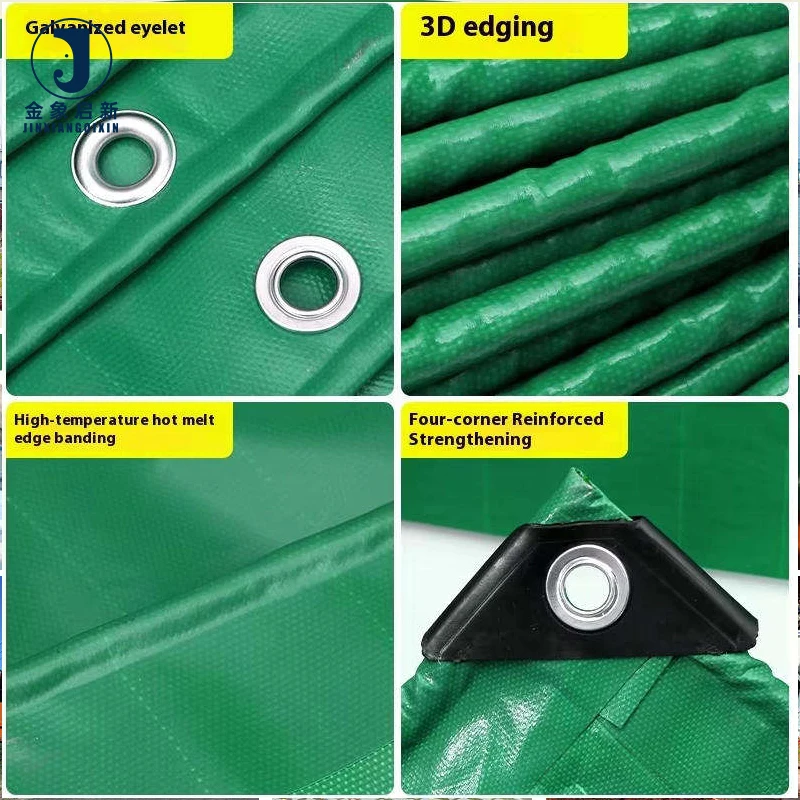
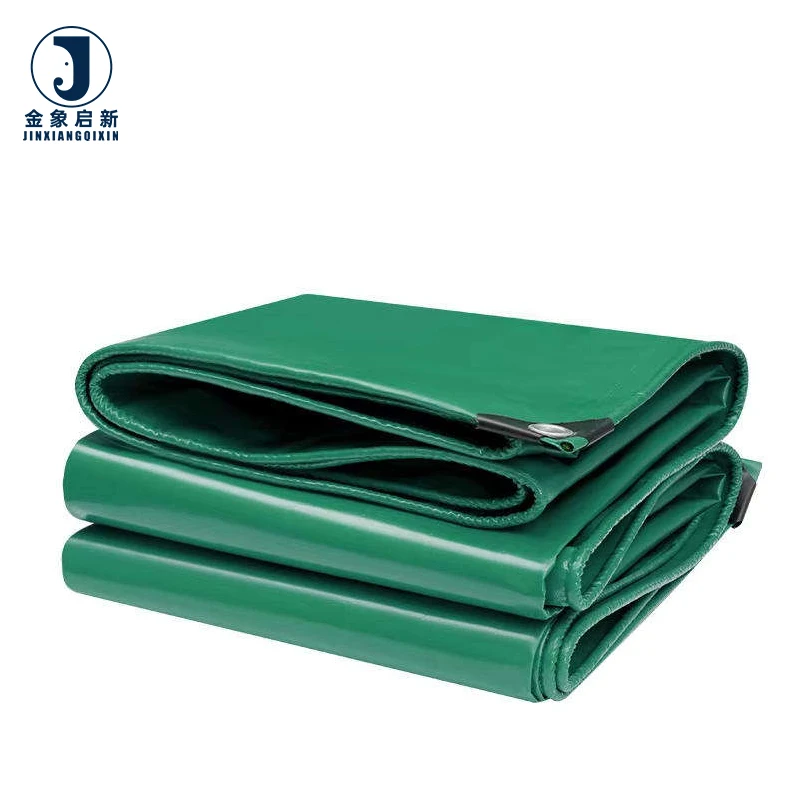
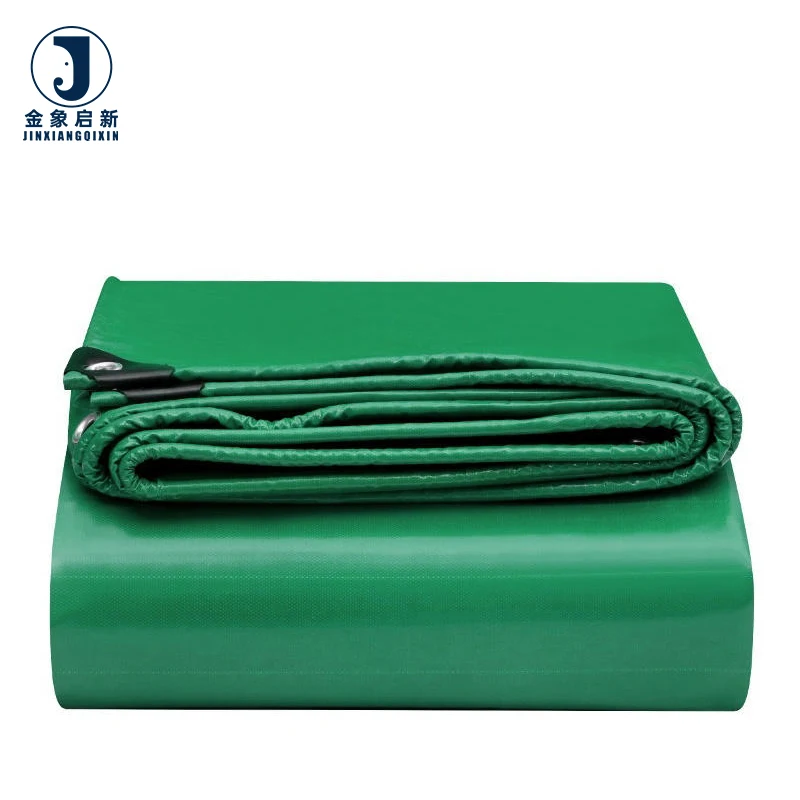
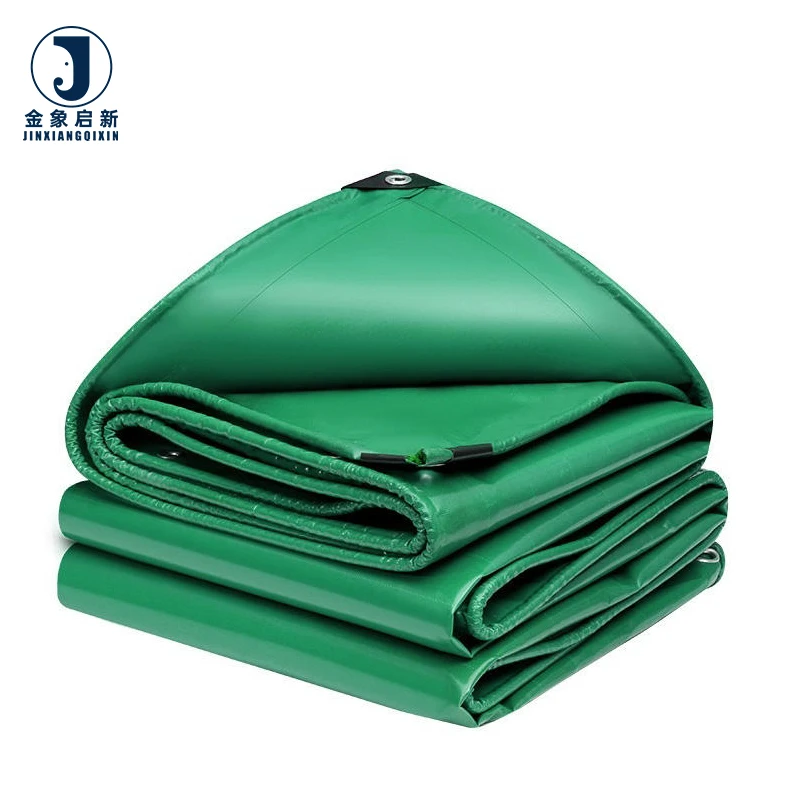
Deep Coating Adhesion Control — every roll of this PVC coated fabric is produced with monitored coating weight and base fabric adhesion to meet the demanding flex and pressure cycles found in ventilation duct and inflatable structure service.
Technical Specifications
| Parameter | Value |
|---|---|
| Product Type | PVC Coated Tarpaulin |
| Base Fabric Denier | 200D×300D / 500D×500D / 840D×840D / 1000D×1000D |
| Weight (GSM) | 250gsm–1500gsm (range covers product family — confirm the grade for this item) |
| Total Thickness | 13mil |
| Available Sizes | 20×30 Feet, 3×4m, 6×8m, 8×10m, 10×12m or custom made |
| Surface Finish | Glossy or matte |
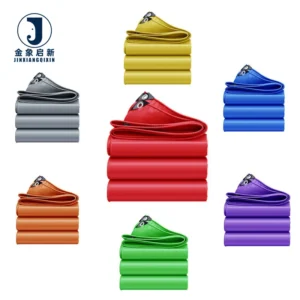
| Available Colours | Blue, yellow, black, green, white, and others on request |
| Treatment Options | Waterproof, UV, flame retardant (grade not stated in source — confirm required grade), anti-fungal |
| Temperature Range | -15°C to 70°C |
| Environment | Eco-friendly formulation |
| OEM / ODM | Accepted |
Application Suitability
| Application | Exposure & Requirement |
|---|---|
| Mine and tunnelling ventilation ducts | Continuous airflow pressure cycling, underground moisture, mandatory fire-retardant compliance |
| Aviation ground support ducting | Fuel vapour proximity, rapid deployment and teardown, surface abrasion on tarmac |
| Inflatable and membrane structures | Biaxial tension, solar UV load, weld seam integrity under internal pressure |
| Temporary site enclosures | Wind-driven rain, mechanical contact with scaffolding and plant equipment |
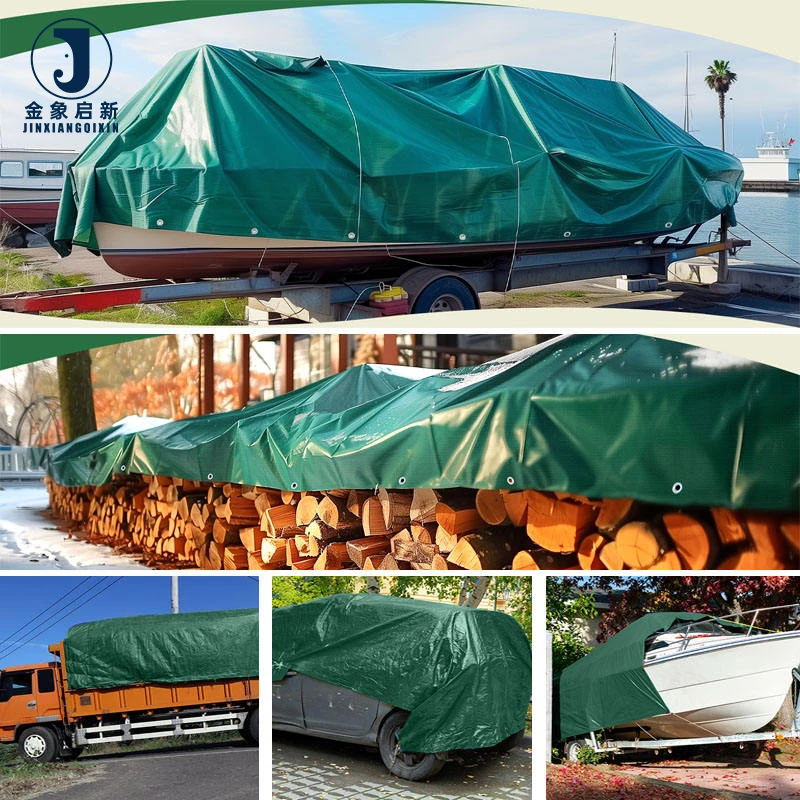
| Specialist shelters and covers | Wide temperature swings, long-term weather exposure, chemical contact risk |
Why Fire-Retardant Documentation Matters More Than the Label
A PVC coated fabric marked "flame retardant" without a named test standard leaves the site safety officer guessing. Certification is only as useful as the test report that backs it. Mining and tunnelling contractors regularly face project audits where the duct fabric must match a specific fire classification — M2, B1, NFPA 701, or DIN 4102 — and a generic claim does not satisfy the inspector [NEED_CITE: fire classification standards applicable to ventilation duct fabrics in underground mining]. When the documentation gap surfaces during a site inspection, the entire duct run can be rejected, forcing a costly replacement mid-project.
Base Fabric Denier and Structural Integrity in Duct Applications
The base fabric denier directly governs how well the material resists tearing under the constant flex and pressure pulsation of forced ventilation. Options from 200D×300D up to 1000D×1000D allow the PVC coated fabric to be matched to the duct diameter and static pressure of the system. Higher denier constructions hold welded seams under sustained internal pressure without delamination at the coating-to-yarn interface.
Flame Retardant and Anti-Fungal Treatment Verification
Flame retardant treatment is available across the range, though the specific grade must be confirmed against your project specification. Anti-fungal treatment addresses the moisture-saturated environments typical of underground ventilation, where biological growth on the fabric surface can degrade coating adhesion over time. Each treatment should be supported by a test report stating the method and classification achieved [NEED_CITE: anti-fungal and flame retardant test methods for coated technical textiles].
Coating Weight, Denier, and Temperature Boundaries
Total thickness of 13mil combined with the selected denier determines how the fabric handles biaxial tension in inflatable and membrane applications. The operating window of -15°C to 70°C covers most surface and underground ventilation environments, but low-temperature handling requires care — below the lower limit, PVC stiffens and the risk of crease-whitening increases during unrolling. Coating weight, stated in GSM, must be read alongside denier: a lighter denier with a heavier coat may offer surface durability but will not match the tear propagation resistance of a heavier base yarn. Surface finish — glossy or matte — also influences weld behaviour; matte surfaces typically require adjusted heat settings during high-frequency or hot-air welding to achieve consistent peel strength.
When the Wrong Specification Reaches Site
Selecting a denier too light for the duct diameter results in seam failure at the flex points where the fabric experiences repeated pressure cycling. If the fire-retardant grade does not match the project specification, the ventilation system may fail the compliance inspection, halting underground operations until replacement material arrives [NEED_CITE: consequences of non-compliant ventilation fabric in mining operations]. Colour inconsistency between rolls used on the same inflatable structure creates visible panel mismatch once inflated and viewed in direct sunlight.
How Production Control Supports Technical Compliance
Three full production lines allow dedicated scheduling for fire-retardant and anti-static grades, reducing the risk of cross-contamination between standard and treated batches. The ten-person R&D team develops samples against your exact denier, GSM, and treatment requirement before bulk commitment. In-process QA checks coating weight at intervals during each production run rather than only at final inspection. Every roll undergoes a full pre-shipment check against the material specification sheet before packing, catching GSM deviation and surface defects before they reach the port.
Documentation & Verification
- Material specification sheet confirming denier, coating weight, and GSM for the exact grade shipped
- Fire-retardant test report matched to M2, B1, NFPA 701, or DIN 4102 as applicable
- Anti-static surface resistance result where underground or explosive atmosphere compliance is required
- Pre-shipment inspection record covering weight, colour, and coating adhesion per roll
- Certificate of origin and customs documentation included with every export shipment
Fabrication, Handling & Storage
- Adjust hot-air weld temperature to surface finish; matte PVC coated fabric typically needs higher dwell time for full peel strength
- Allow rolls to acclimatise above 10°C before unrolling to prevent crease-whitening in the 13mil construction
- Store rolls horizontally on racking to avoid compression marks on the coating surface
- Use compatible PVC-based repair adhesive for field patching; solvent-based contact cement may attack the coating layer
- Plan cut patterns to minimise transverse seams in duct sections, aligning welds with the fabric machine direction
- Clean with mild detergent only; aggressive solvents degrade the anti-fungal surface treatment
What to Include in Your Enquiry
To move quickly from enquiry to sample, specify the fire-retardant or anti-static classification your project demands, the duct diameter or structure dimensions you are fabricating toward, and the denier and GSM range you are evaluating. Confirm whether you need roll stock for in-house fabrication or finished panels with welded seams, and state any colour or surface finish preference so that a representative sample can be prepared.
Frequently Asked Questions
Q: Which fire-retardant grade should I specify for underground mining ventilation ducts?
A: The required grade depends on the jurisdiction and the mining authority overseeing the project. Common classifications include M2, B1, NFPA 701, and DIN 4102. Share the specific standard your site safety plan references, and a matching test report can be prepared for the selected PVC coated fabric grade before production begins.
Q: How is anti-static performance measured and what range is achievable?
A: Anti-static performance is assessed by surface resistance testing, with results reported in ohms. Underground and explosive atmosphere projects typically require a surface resistance within a defined range stated in the project specification. Confirm the target value early so the formulation can be adjusted during the coating stage.
Q: Can welded seams in this fabric maintain the fire-retardant rating?
A: Welded seams can maintain the rating provided the welding process does not burn off the treatment at the seam line. Hot-air and high-frequency welding are preferred over open-flame methods. Request a seam sample with the fire-retardant grade you need so weld parameters can be validated before full production.
Q: What denier and GSM combination suits inflatable membrane structures?
A: Inflatable structures subject to continuous biaxial tension generally benefit from higher denier base fabrics such as 840D×840D or 1000D×1000D paired with a mid-to-heavy GSM grade. The exact selection depends on the internal pressure, span, and expected wind load. Provide your engineering parameters for a targeted recommendation.
Q: What compliance documents ship with each order?
A: Each shipment includes a material specification sheet, fire-retardant test report where applicable, anti-static test result if specified, pre-shipment inspection record, certificate of origin, and packing list. ISO and CE certificates are available to support site inspections and customs clearance at destination.