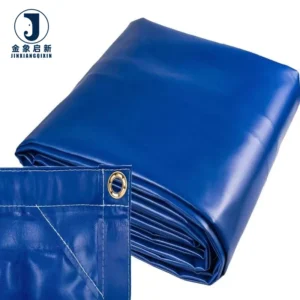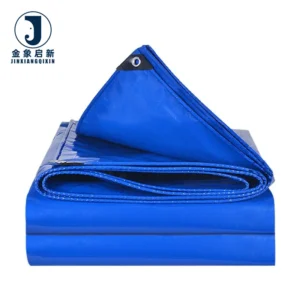
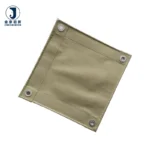
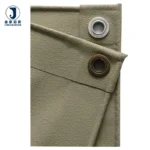
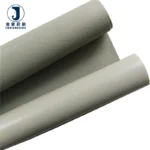
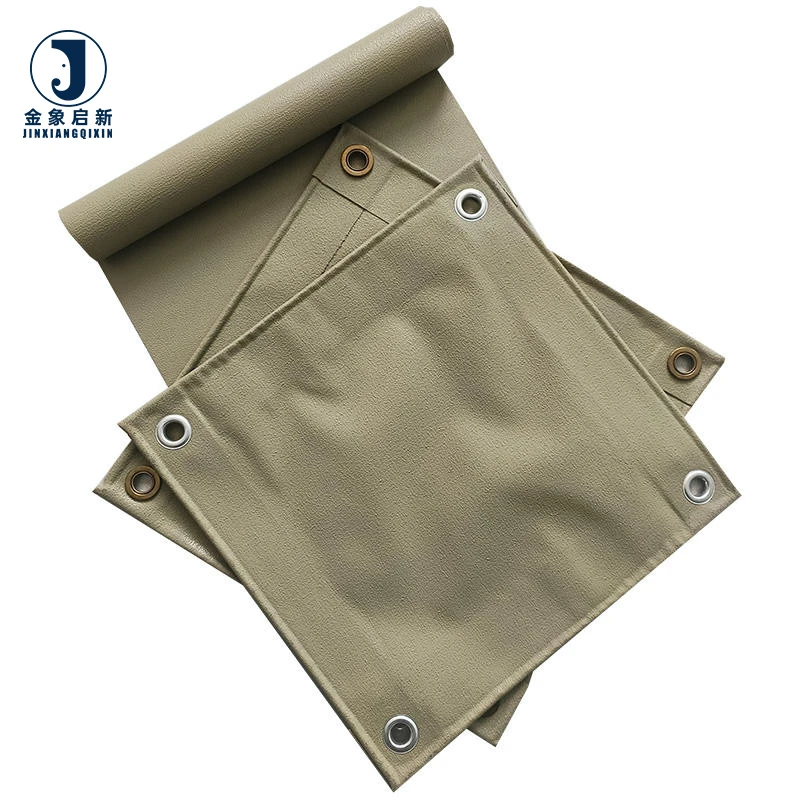
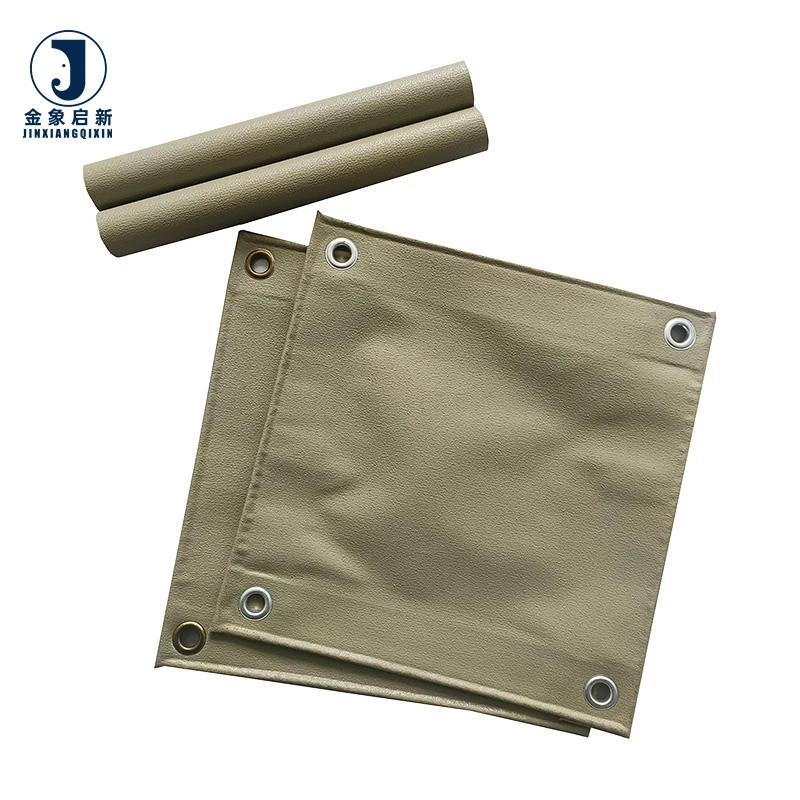
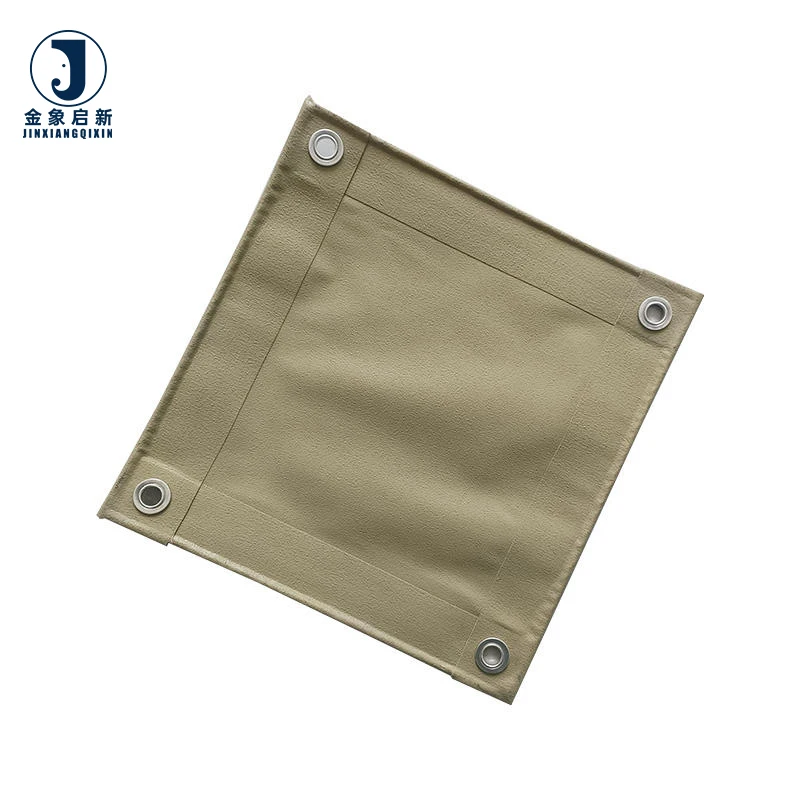
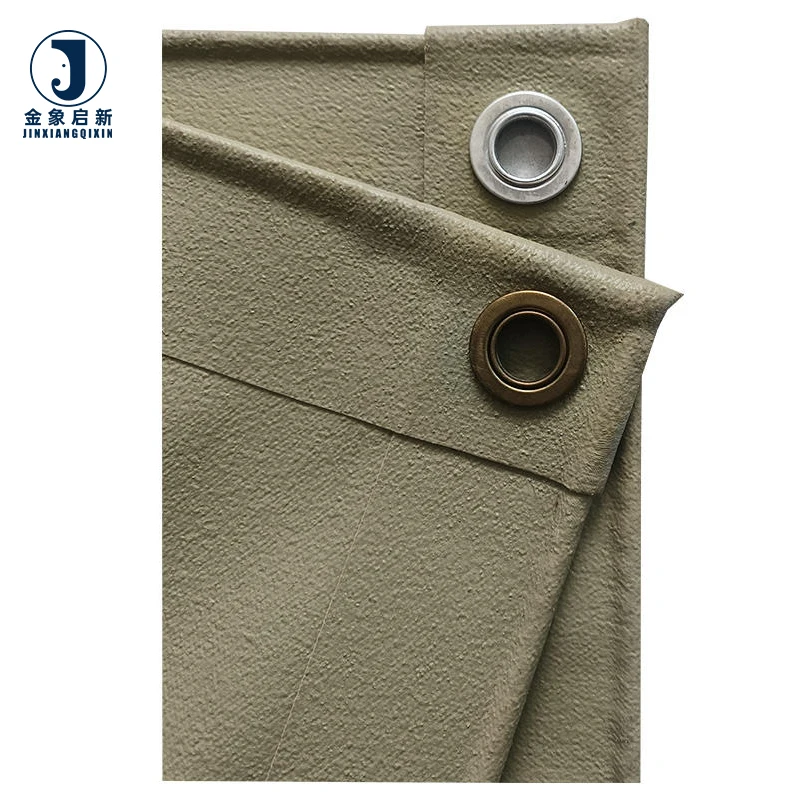
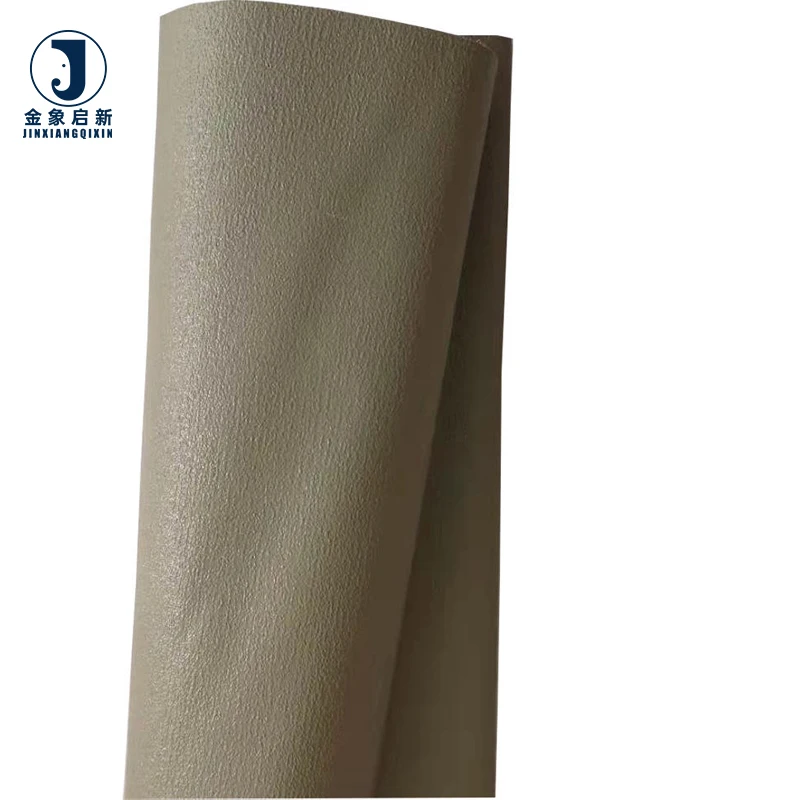
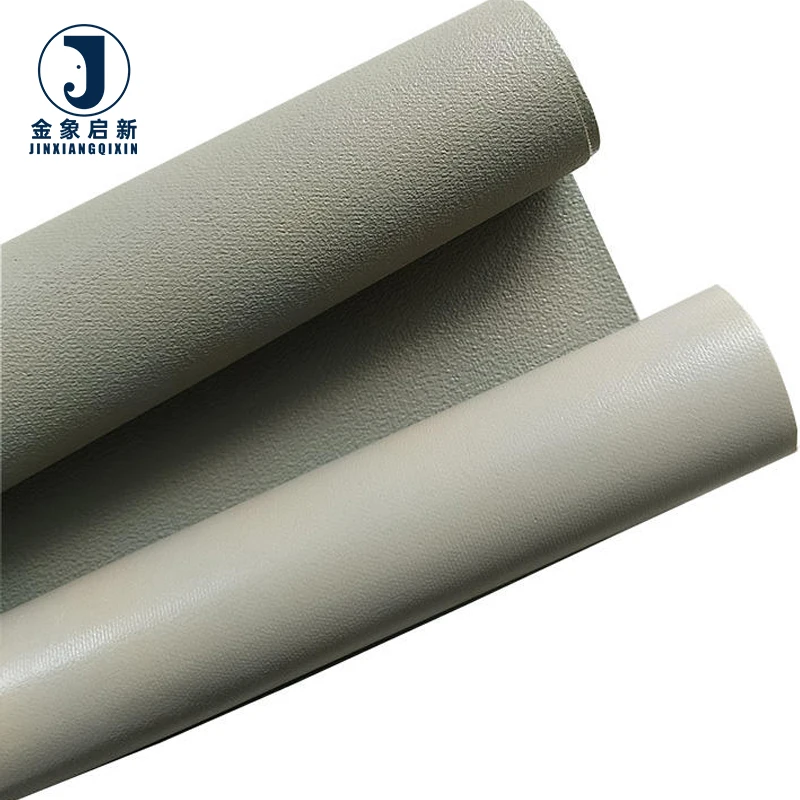
Coating Process Control — Nearly 30 years of PVC coating expertise delivers knife-coated fabric with verified GSM and documented compliance for ventilation and specialist structures.
Technical Specifications
| Parameter | Value |
|---|---|
| Product Type | PVC Coated Tarpaulin Roll |
| Coating Material | PVC |
| Base Fabric Construction | Woven fabric |
| Coating Method | Knife coated |
| Weight | At least 450 GSM |
| Waterproof | Yes |
| Custom Size | Available |
| UV Treatment | Available in anti-UV coated grades — confirm the grade required for your market |
| Flame Retardant Grade | Available in fire-retardant grades — confirm the grade required for your project specification |
| Anti-Static | Available — confirm surface resistance requirement with test documentation |
| Standards | ISO, CE |
Application Suitability
| Application | Exposure & Requirement |
|---|---|
| Mining and tunnelling ventilation ducts | Continuous airflow, underground moisture, strict fire-retardant and anti-static compliance |
| Aviation ground support ventilation | Fuel vapour proximity, fire authority inspection, rapid deployment requirements |
| Construction site ventilation structures | Dust, mechanical impact, temporary installation and frequent relocation |
| Membrane and inflatable structures | Wind load, UV exposure, welded seam integrity under tension |
| Industrial outdoor coverings | Weather cycling, chemical splash, equipment protection over extended periods |
What Happens When Ventilation Duct Arrives Without the Required Certification
Your site inspector rejects the duct because the fire-retardant or anti-static certificate does not match the regulation your project was permitted under.
PVC coated fabric sourced for regulated environments often ships with a generic data sheet referencing flame resistance without naming the specific test standard or classification achieved. On a mining or tunnelling project, the safety authority demands documentation tied to a recognised framework such as DIN 4102, NFPA 701, or the local equivalent before the duct can be commissioned. [NEED_CITE: fire classification standards for coated textiles in underground ventilation]. When that paperwork is missing, the entire installation stalls — crews stand idle, penalty clauses activate, and you scramble to source a compliant replacement at short notice. The cost is never just the fabric.
Fire-Retardant and Anti-Static Compliance for Regulated Sites
Mining, tunnelling and aviation ventilation projects operate under fire safety regulations that specify exact classification levels for duct materials. A PVC coated fabric that simply claims "flame retardant" without citing a test standard such as DIN 4102 B1, M2, or NFPA 701 provides no assurance that the material will pass the inspection your permit requires. Request the test report matched to your jurisdiction before confirming the order.
Knife-Coated Construction and Weld Integrity for Duct Fabrication
Ventilation ducts rely on longitudinal and circumferential welds that must hold under continuous air pressure and mechanical flexing. Knife-coated PVC on a woven base fabric creates a coating-to-yarn bond that supports high-frequency and hot-air welding without delamination at the seam. The coating method directly influences how cleanly the material welds and whether the joint reaches full tensile strength at the bond line.
Sizing and Specification for Ventilation and Membrane Applications
Duct diameter, section length, and flange configuration vary between projects. Custom sizing supported by an in-house R&D team allows the PVC coated tarpaulin to be supplied in widths and roll lengths that reduce the number of transverse welds in a duct run. Fewer welds mean fewer potential failure points and lower fabrication labour on each section. [NEED_CITE: coated fabric tensile and tear test methods per ISO 1421].
Reading GSM, Base Fabric, and Coating Weight Together
GSM alone does not determine how the material performs under tension or puncture. A 450 GSM fabric built on a high-denier woven base with knife-coated PVC distributes load across the yarn structure and the coating simultaneously. Coating adhesion — the bond between PVC and yarn — governs whether the material tears progressively or fails catastrophically at a stress concentration. Base fabric denier and weave density determine tear propagation resistance, while coating weight governs surface abrasion and chemical resistance. Specifying all three parameters together, rather than quoting GSM in isolation, gives a more accurate prediction of field performance in duct and membrane applications.
When Specification Gaps Lead to Project Delays
A duct fabricated from PVC coated fabric that lacks the fire-retardant grade specified in the project permit will fail the compliance inspection, halting commissioning until replacement material arrives. Anti-static surface resistance that has not been measured and documented creates the same bottleneck in environments where static discharge is a permit condition. Welded seams that fail before the fabric itself often trace back to a coating formulation not matched to the welding method used on the production floor. [NEED_CITE: seam failure modes in coated fabric ventilation ducts]. Batch-to-batch variation in coating weight can shift the welding window, causing inconsistent joints across a single production run.
Why Procurement Teams Source PVC Coated Fabric Here
Three full production lines and 36 sets of professional equipment support bulk roll output with consistent coating weight control across the run. The 10-person R&D team handles material selection, custom width and length, and sample development within days for project-specific duct dimensions. Dedicated quality inspection covers every production stage, with 100 percent pre-shipment examination of roll-to-roll consistency in weight and colour. ISO and CE certified processes underpin the documentation package, and test reports for fire-retardant and anti-static grades are supplied when the required standard is confirmed at inquiry. Cross-border delivery is supported with a complete documentation set including certificate of origin and customs paperwork.
Documentation & Verification
- Material specification sheet stating GSM, base fabric denier, and knife-coated PVC coating weight
- Fire-retardant test report matched to project-specified standard such as DIN 4102 or NFPA 701
- Anti-static surface resistance measurement report for mining and tunnelling duct compliance
- Pre-shipment inspection record covering roll-to-roll weight and visual consistency
- Certificate of origin and customs documentation for international project delivery
Fabrication, Handling & Storage
- Hot-air welding temperature must match the knife-coated PVC formulation to achieve full seam strength
- Roll storage on flat racks prevents permanent creasing in the woven base fabric structure
- Low-temperature transport requires gradual acclimatisation before unrolling to avoid coating crack
- Cutting layout planned around available custom widths to minimise offcuts and transverse welds
- Welded seam edges on at least 450 GSM material require adequate clamp pressure during fabrication
- Surface cleaning with neutral detergent preserves the PVC coating without degrading anti-UV treatment
Request a Specification Match for Your Project
Provide the target fire-retardant or anti-static classification required by your site permit, along with duct diameter, section length, and annual volume. Specify whether you need supply by the roll for in-house fabrication or pre-cut panels with welded seams. Confirming the compliance standard and dimensional requirements at inquiry stage allows a matched sample and test documentation to be prepared before production begins.
Frequently Asked Questions
Q: How do I confirm the fire-retardant grade matches my project specification?
A: State the required classification — such as DIN 4102 B1, M2, or NFPA 701 — when you inquire. The manufacturer supplies a test report from a recognised laboratory confirming the PVC coated fabric achieves that specific grade. If your jurisdiction requires a different standard, confirm this before sample approval so the correct formulation is applied.
Q: What anti-static documentation is available for mining ventilation duct?
A: Anti-static surface resistance can be measured and reported to the level your site regulation demands. Request the test report at inquiry stage specifying the required ohm range. The documentation ships with the batch so your compliance officer can verify the PVC coated fabric meets the permit condition before installation.
Q: How is coating weight verified before dispatch?
A: Each roll undergoes GSM verification during the 100 percent pre-shipment inspection. The recorded weight is compared against the stated specification on the material data sheet. Any roll falling outside the agreed tolerance is flagged and replaced before packing, so the PVC coated tarpaulin arriving on site matches the quotation.
Q: Can the fabric be supplied in custom widths for duct fabrication?
A: Custom widths and roll lengths are available to match your duct diameter and section length. The 10-person R&D team develops samples within days to confirm dimensional accuracy and welding behaviour. Supplying rolls cut to your fabrication layout reduces transverse welds and material waste in production.
Q: How does the welding behaviour of this fabric compare across batches?
A: Knife-coated PVC on a woven base fabric provides consistent thermal response when coating weight and formulation are controlled across the production run. Batch-to-batch consistency is verified during pre-shipment inspection, so welding parameters established on the sample remain valid throughout the order without recalibration on the fabrication floor.