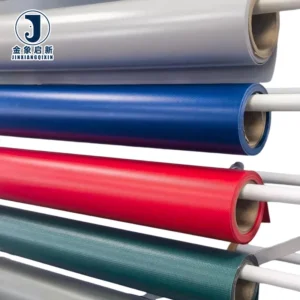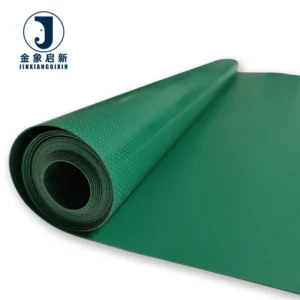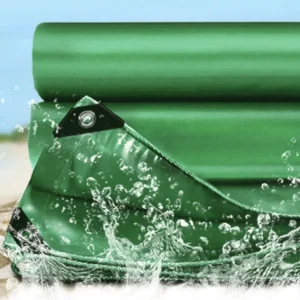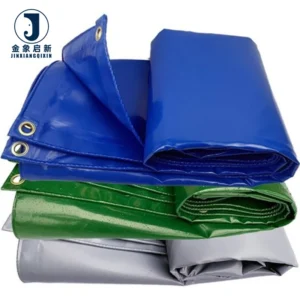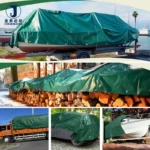
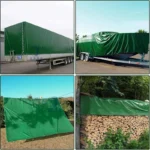
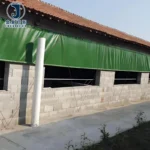
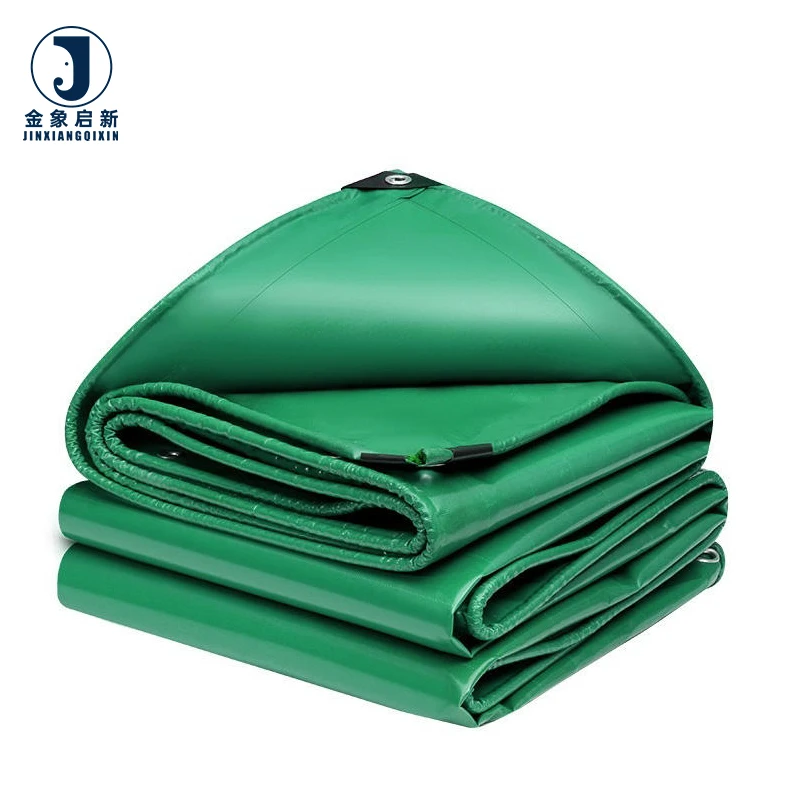
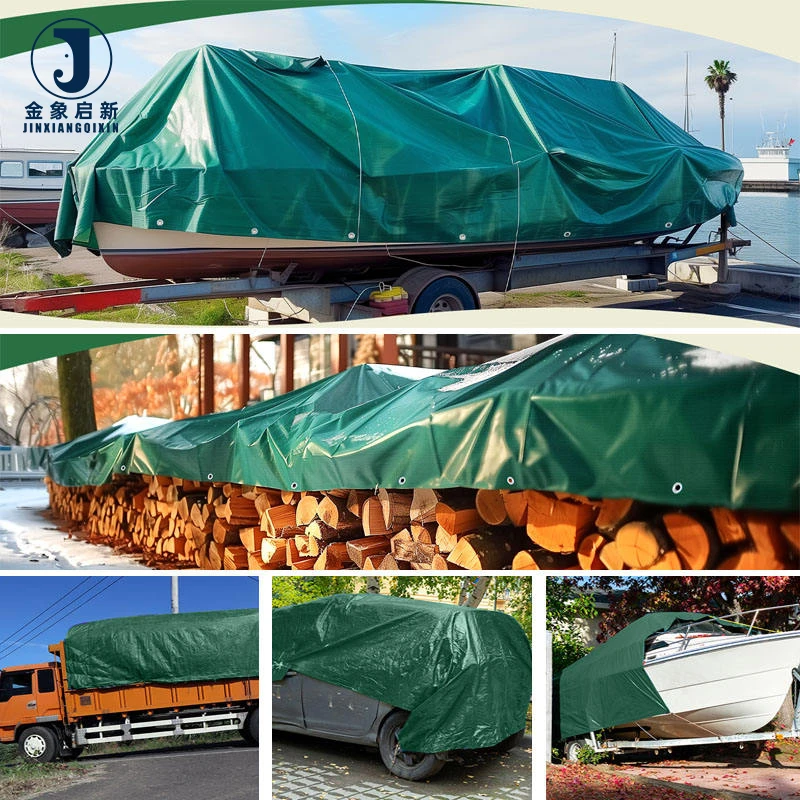
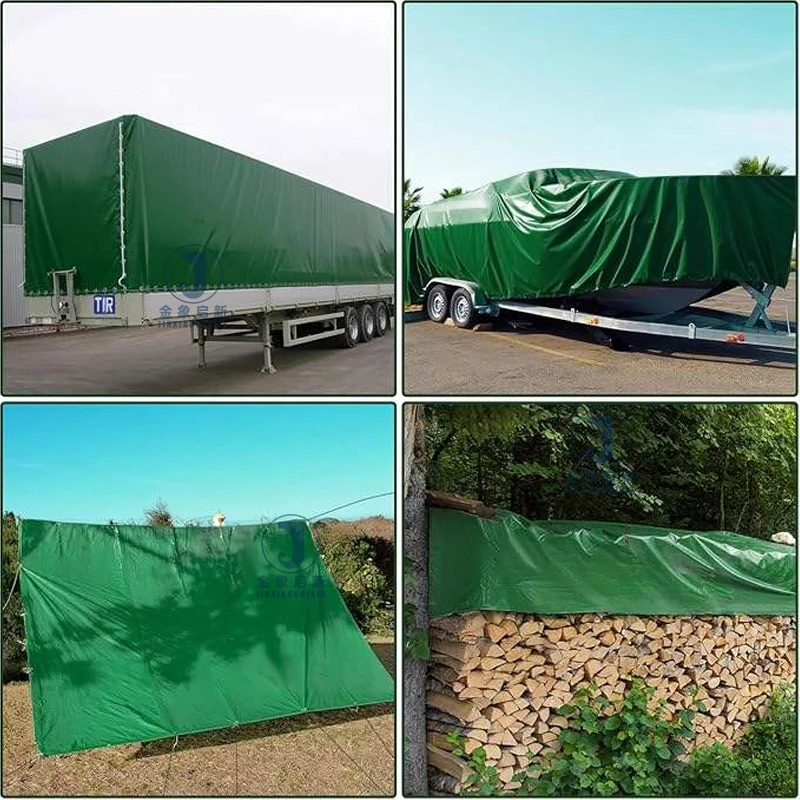
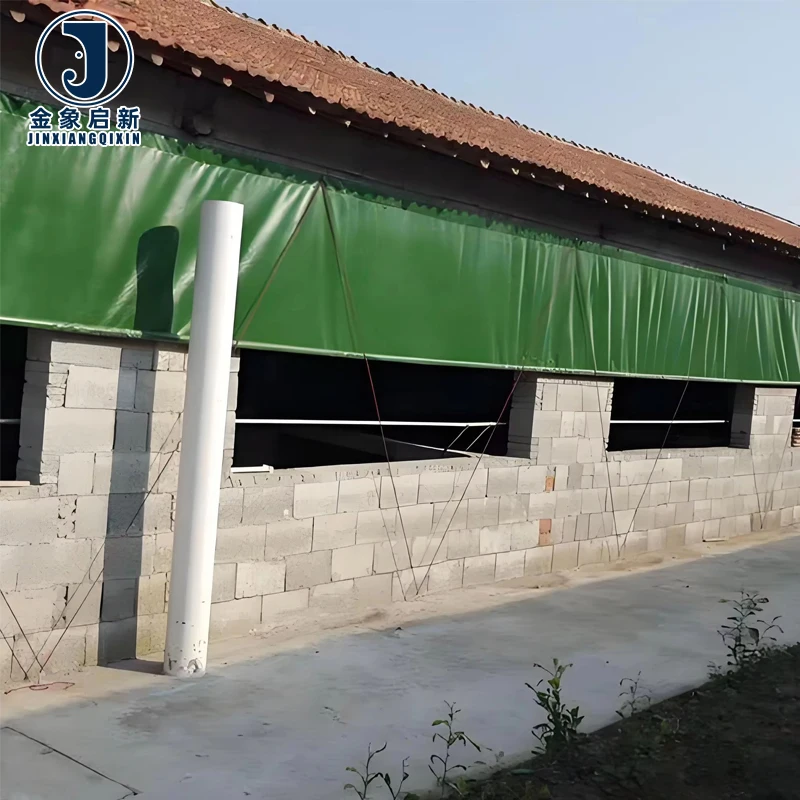
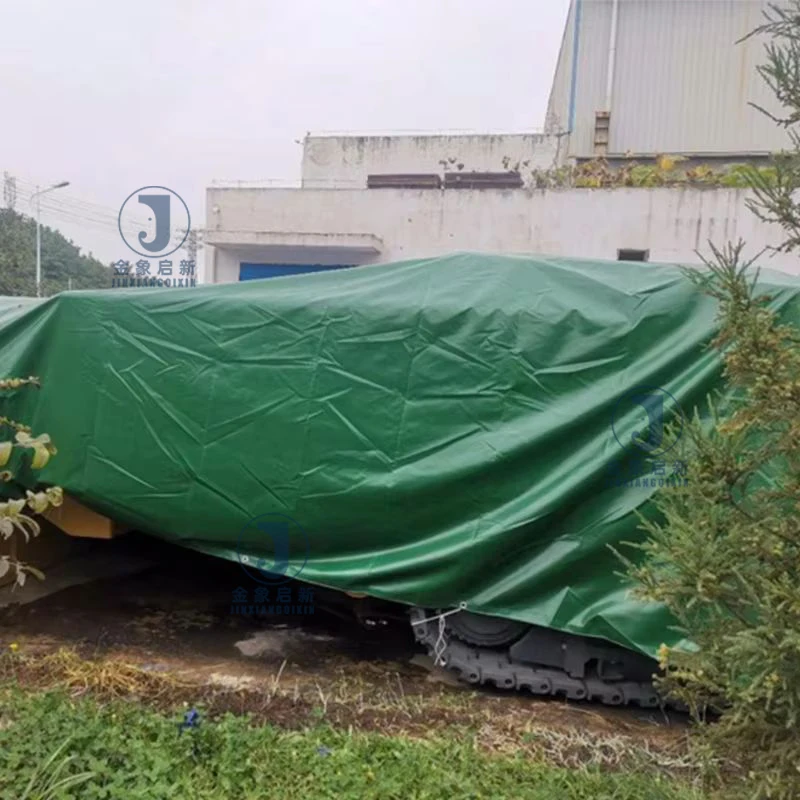
Coating Process Mastery — nearly three decades of focused PVC coating development ensures consistent adhesion and surface performance across every roll produced for farm shelter applications.
Technical Specifications
| Parameter | Value |
|---|---|
| Product Type | PVC Coated Tarpaulin |
| Coating Material | PVC |
| Base Fabric | Warp Knitted Polyester |
| Style | Plain / Woven |
| Waterproof | Yes |
| Anti-Static | Yes (grade not stated — confirm required surface resistance for your market) |
| Tear Resistance | High (test basis not stated — request test report before specification) |
| Finish | Plain |
| Color | Customizable |
| Grade | Industrial / Heavy-Duty |
| Certifications | ISO, CE |
Application Suitability
| Application | Exposure & Requirement |
|---|---|
| Poultry and broiler house covers | Continuous moisture, ammonia atmosphere, dust accumulation, static charge risk in dry ventilation cycles |
| Pig shelter side curtains | Mechanical stress from wind loading, frequent rolling and unrolling, contact with organic acids |
| Sheep enclosure windbreaks | Abrasion from pen structures, rain and snow exposure, tensioning across frame joints |
| Agricultural temporary tent structures | Field assembly and disassembly, UV and weather exposure, welded seam integrity under tension |
| Industrial farm storage enclosures | Dust and particulate exposure, forklift and equipment contact, static discharge in dry environments |
What "Anti-Static" Means Without Verified Surface Resistance Data
Anti-static claims protect livestock and workers only when backed by measured surface resistance values relevant to your operating environment.
Farm environments where dry air and dust circulate through ventilation systems create conditions for static charge accumulation on cover fabrics. A PVC coated tarpaulin roll marketed as anti-static without a documented surface resistance test leaves you guessing whether the material will actually dissipate charge in your specific humidity and dust conditions. We have seen procurement specifications list anti-static as a requirement, only for the supplied material to arrive with no test data confirming the claim [NEED_CITE: surface resistivity test methods for anti-static coated textiles per EN 1149].
The gap between a stated anti-static feature and a verified one becomes a compliance problem when livestock welfare audits or insurance inspections require documented evidence. Specifying the grade upfront and demanding the test report at sample stage prevents this gap from becoming a field failure.
Static Dissipation in Dry Farm Environments
Integrating anti-static treatment into the PVC coating formulation addresses the charge buildup that occurs when low-humidity ventilation air flows across synthetic fabric surfaces. For a PVC coated tarpaulin roll deployed in poultry houses or enclosed livestock shelters, this treatment must remain functional through repeated cleaning cycles and continuous exposure to ammonia-laden air. Confirming the surface resistance range with your supplier before production ensures the specification matches your facility’s electrical safety requirements.
Waterproof Coating Continuity Under Agricultural Exposure
Full-surface PVC coating coverage eliminates the pinholes and thin spots that allow moisture penetration in cheaper alternatives. Farm shelters experience condensation on the underside of covers during temperature swings, and any coating discontinuity becomes a drip point that affects livestock bedding and feed storage. The warp-knitted base fabric provides a stable substrate that holds coating weight evenly across the roll width, reducing the risk of localized thin areas that compromise waterproof integrity [NEED_CITE: PVC coating adhesion and continuity standards for agricultural membrane fabrics].
Reading the Specification Sheet Beyond GSM
Buyers often anchor their specification on GSM alone, but the warp-knitted base fabric structure matters equally for tensile and tear performance. A dense knit with lower coating weight can outperform a loosely woven base with heavier coating when it comes to puncture resistance at tensioning points. The PVC coating method — whether knife-over-roll, dip, or calender — determines the bond strength between coating and yarn, which directly affects how the material behaves at welded seams during tent fabrication. Surface finish, whether plain or treated, influences how dust and organic matter adhere to the cover during service, impacting cleaning frequency and long-term appearance. Colour consistency across rolls within a batch requires controlled pigment dispersion and curing temperature — a variable that becomes visible only when panels are installed side by side on large shelter structures.
The Field Cost of Under-Specified Farm Covers
Selecting a lighter grade to reduce roll cost often surfaces as seam failure within the first season. Welded joints on tensioned farm tent structures concentrate stress at flex points, and if the base fabric lacks adequate tear strength, the failure occurs at the weld line rather than the fabric body [NEED_CITE: weld seam peel strength requirements for tensioned PVC coated fabric structures]. Batch colour variation across rolls forces installers to reject or reposition panels on site, adding labour cost and delaying shelter commissioning. Anti-static treatment that degrades after cleaning cycles leaves the original specification unmet before the cover reaches its expected service life, creating compliance gaps during farm audits.
Why Source This Fabric Through Jinxiang
Process control built over nearly 30 years of PVC coating production means coating weight and adhesion are monitored at every stage rather than sampled at the end. Three full production lines with 36 sets of professional equipment support the volume requirements of large-scale farm projects without sacrificing the batch consistency that multi-roll installations demand. The 10-person R&D team develops custom colour matches and sample runs within days, allowing you to verify specification before committing to full production volume. Dedicated QA/QC inspection at each production stage, with 100% roll-by-roll pre-shipment check, catches GSM deviation and colour drift before material leaves the facility. ISO and CE certified processes provide the documentation trail that agricultural compliance and insurance audits require.
Documentation & Verification
- Material specification sheet stating PVC coating weight, base fabric type, and colour reference for each roll
- Anti-static surface resistance test report provided where anti-static grade is specified and confirmed
- UV stability test report available for outdoor-exposed farm shelter installations
- ISO and CE certificates supplied with each shipment for compliance documentation
- Pre-shipment inspection record with roll-by-roll GSM and visual check before dispatch
Fabrication, Handling & Storage
- Hot-air wedge welding compatible with the PVC coating for strong seams on farm tent panels
- Store rolls upright on pallets to prevent flat-spot deformation of the warp-knitted base fabric
- Clean with mild detergent to preserve the anti-static treatment integrated in the PVC surface
- Allow material to acclimatise before unrolling in cold conditions to prevent coating stiffness cracking
- Plan panel layout from roll width to minimise off-cuts and welded seam count on large shelters
Before You Send Your Inquiry
Provide the livestock type and shelter dimensions so we can recommend the appropriate grade and confirm anti-static performance meets your facility requirements. Specify target colour references and whether rolls will be fabricated into finished panels on your side or if you require pre-cut sizes with welded hems. Confirm the fire safety or agricultural building code applicable in your market so we can align the material certification with your compliance documentation.
Frequently Asked Questions
Q: What surface resistance test do you provide to verify anti-static performance for farm use?
A: Where anti-static grade is specified, we supply a surface resistance test report measured under controlled conditions. We recommend confirming the specific resistance range your facility requires based on livestock type and ventilation system design, as requirements vary between dry poultry houses and humid pig shelters. Request the test report at sample stage before confirming full production.
Q: How do you verify GSM and coating weight before the rolls ship?
A: Every roll undergoes individual GSM and coating weight measurement during our 100% pre-shipment inspection. Results are compared against the specification agreed in your quotation. Any roll falling outside tolerance is held and replaced before dispatch, so the material arriving at your site matches the documented specification.
Q: How is colour consistency maintained across multiple rolls for one farm installation?
A: Pigment formulation and coating temperature are locked for the entire batch run. Rolls from the same order are produced consecutively under identical curing conditions. We conduct side-by-side colour comparison during pre-shipment inspection to catch any batch variation before packing, ensuring uniform appearance when panels are installed adjacent to each other.
Q: What flame retardant grades are available if my local agricultural building code requires them?
A: Flame retardant treatment is available in multiple grades — confirm the specific classification required by your local building authority or insurance provider before sampling. We supply the corresponding fire test report with the material. Different markets reference different standards, so providing your compliance requirement at inquiry stage ensures the correct grade is specified.
Q: What is the minimum order and lead time for custom width or colour rolls?
A: Custom widths and colours carry minimums that vary by specification. Typical lead times for non-stock colours are multi-week from sample approval. Provide your required width, roll length, colour reference, and estimated annual volume at inquiry stage so we can confirm pricing tier, minimum, and production scheduling against our current line capacity.