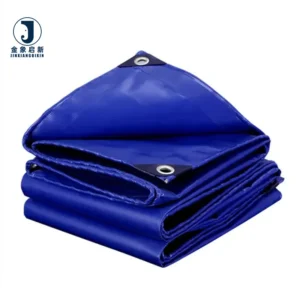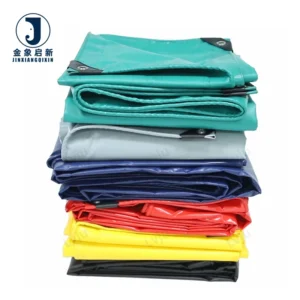



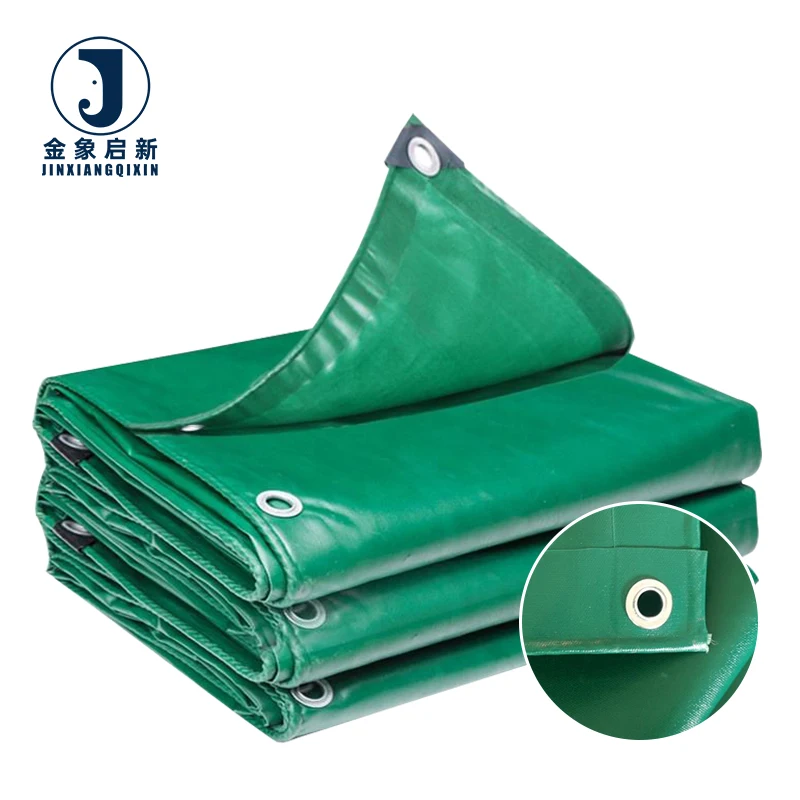
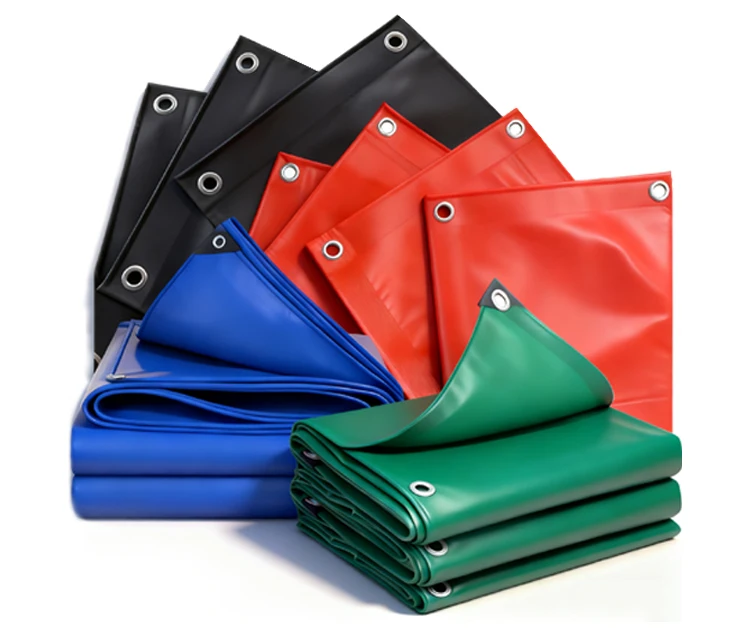
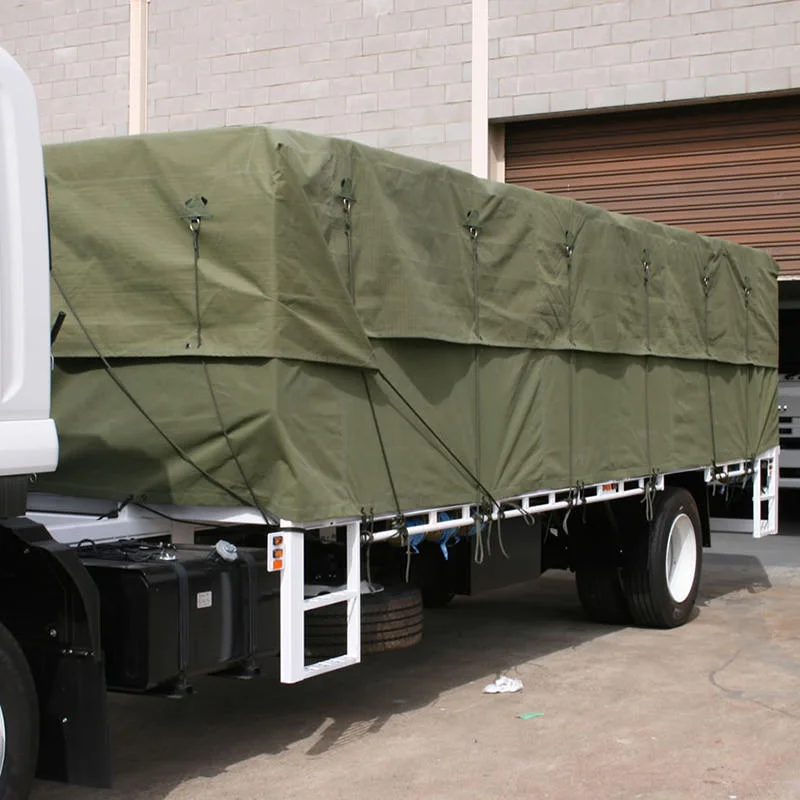
Coating Adhesion Control — Every roll of this PVC knife-coated fabric undergoes in-process peel strength checks, ensuring the hot-melt or laminated bond between polyester mesh and PVC coating holds through fabrication and field flex cycles.
Technical Specifications
| Parameter | Value |
|---|---|
| Product Type | PVC Knife-Coated Fabric |
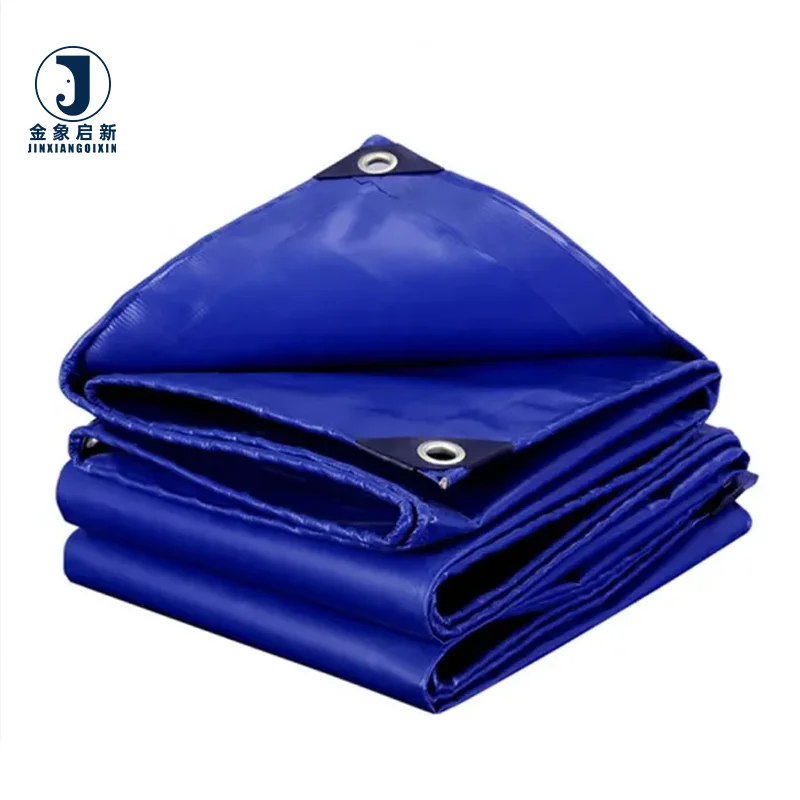
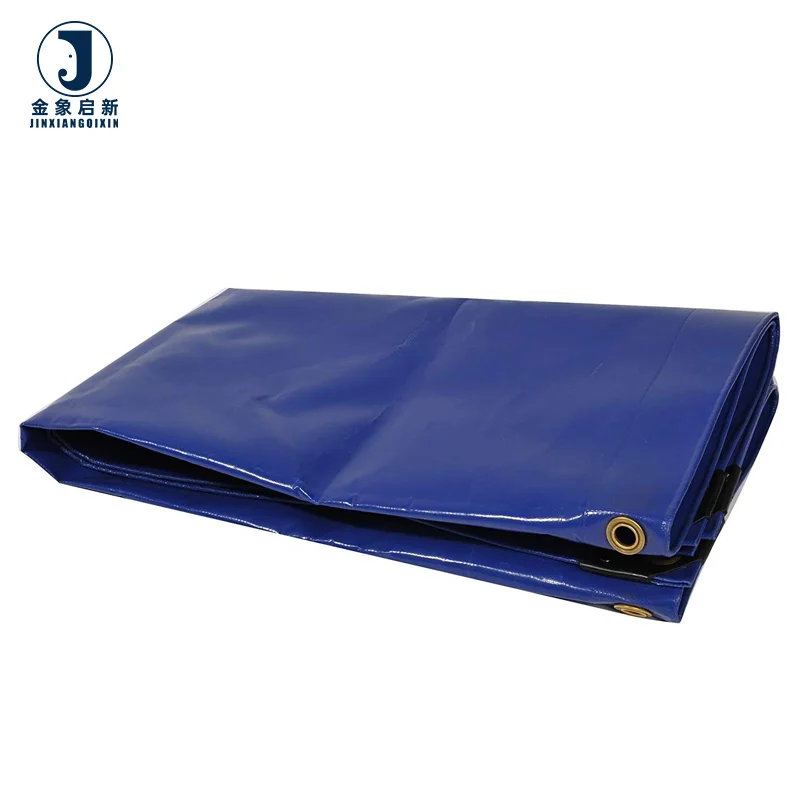
| Material | PVC + High-strength polyester mesh fabric |
| Coating Method | Laminated technology & Hot-melt Coating technology |
| Weight Options | 350gsm, 420gsm, 500gsm, 550gsm, 600gsm, 750gsm |
| Thickness Options | 0.32mm, 0.35mm, 0.4mm, 0.45mm, 0.5mm, 0.65mm |
| Roll Width | 2m, 2.1m |
| Roll Length | 75m (2m width), 50m (2.1m width) |
| Color Options | Blue, Red, Yellow, Light blue, Grey (custom colors available) |
| Key Features | Cold Crack Resistance, Anti-Mildew, Anti-Static (standard not stated), Waterproof, Sunproof (test basis not stated) |
| Certifications | ISO, CE |
Application Suitability
| Application | Exposure & Requirement |
|---|---|
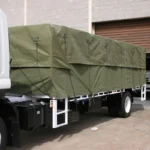
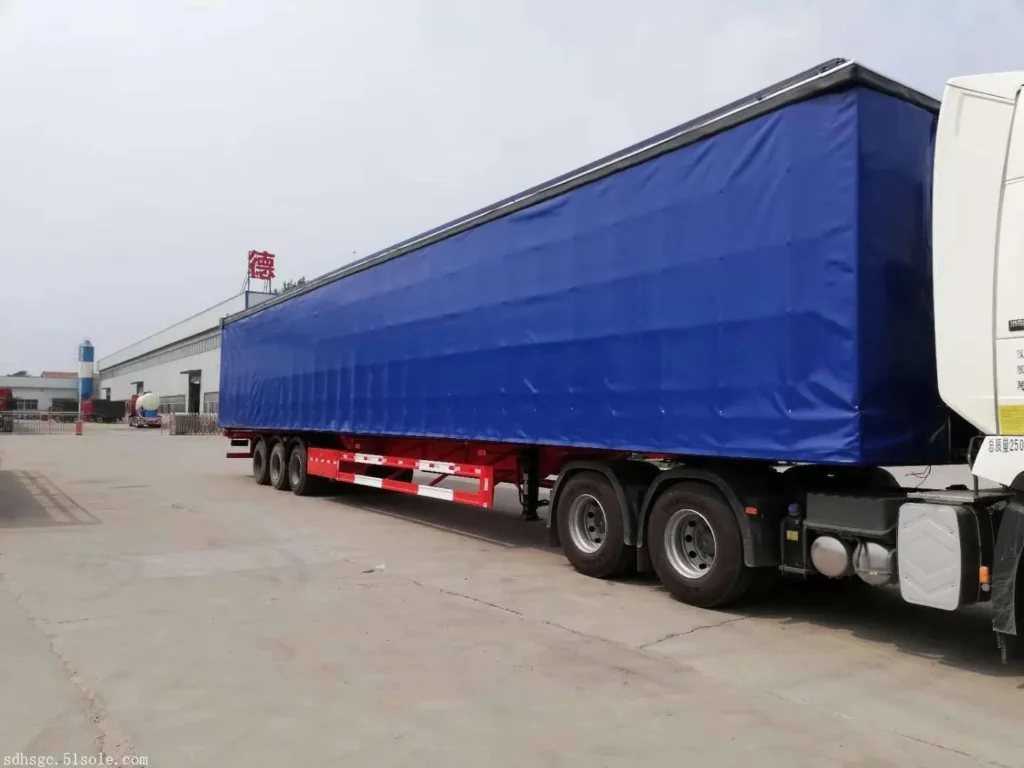
| Truck canopy and awning | Road vibration, constant flexing at frame joints, UV exposure, weather cycling |
| Tent and temporary structure cover | Wind load, repeated assembly and teardown, rain and sun exposure |
| Cargo ship deck cover | Salt spray, heavy water contact, abrasion from shifting loads |
| Fish tank and pool liner | Permanent water immersion, chemical contact, puncture risk from substrate |
What Happens When Anti-Static Claims Lack a Documented Standard
Anti-static treatment is available across select grades — confirm the surface resistance value or standard reference required for your site safety plan before committing production.
Ventilation duct and membrane structure contractors regularly receive fabric labeled anti-static with no measurable basis behind the claim. On a mining or tunnelling site where electrostatic discharge poses an ignition hazard, a missing test report is not a paperwork problem — it shuts down the installation [NEED_CITE: anti-static testing standards for ventilation duct fabrics in mining environments]. The PVC coated tarpaulin fabric you specify must carry a documented surface resistance reading tied to the grade you order. Without that, procurement is buying a label, not a performance guarantee.
Ventilation Duct and Membrane Structure Fabric Selection
Selecting PVC coated tarpaulin for ventilation duct or inflatable structure work demands attention beyond basic weight and colour. The coating method — whether laminated or hot-melt — directly influences how the fabric behaves during high-frequency welding and how it holds seam integrity under continuous positive or negative air pressure. Mining and tunnelling specifications often call for fire-retardant and anti-static properties together, and these must be verified grade by grade rather than assumed across the product family.
Matching Roll Dimensions to Technical Fabrication
Roll width and length choices affect material yield on the fabrication floor. A 2m width at 75m per roll suits long continuous duct sections, while the 2.1m width at 50m accommodates wider membrane panels where cross-seams weaken the structure. Contractors ordering PVC coated tarpaulin for specialist applications should map their cutting layout against available roll dimensions to reduce off-cut waste and limit the number of welded joints in high-stress zones [NEED_CITE: coated fabric roll width impact on fabrication yield and seam count].
Weight, Coating and Base Fabric: Reading Beyond the GSM Number
GSM tells you the total mass per square metre but reveals nothing about how that mass is distributed between base fabric and coating. A 500gsm grade built on a high-denier, tight-weave polyester mesh with a thinner coating layer will resist tear propagation better than a 500gsm grade achieved through heavy coating over a lighter base. Laminated coating bonds a pre-formed PVC film to the mesh under heat and pressure, producing strong peel resistance suited to welded seams. Hot-melt coating penetrates the mesh more deeply, filling interstices and improving adhesion at the cost of a stiffer hand feel. Thickness values from 0.32mm to 0.65mm correlate with these construction choices: a thicker specification typically indicates either a heavier base fabric, a heavier coating, or both — but the ratio between them determines whether the fabric fails at the yarn or at the coating layer under load. Cold crack resistance and anti-mildew treatment further narrow the selection, since a membrane structure deployed in sub-zero conditions requires a formulation that stays flexible well below the point where standard PVC goes brittle.
The Hidden Cost of Specifying Without Verification
A roll that arrives lighter than the quoted GSM is the most common starting point for field failure in coated fabric projects. The material handles the fabrication line but tears at the first stress concentration — a corner eyelet, a tie-down point, a welded seam under flex load. Anti-static treatment claimed without a supporting test report creates a different failure: not a physical tear but a compliance rejection at site handover, sending the entire duct run back to the workshop [NEED_CITE: compliance rejection rates for undocumented anti-static ventilation duct installations]. Colour drift between rolls in the same order surfaces only after panels are installed side by side on a structure, turning a material issue into a visible aesthetic defect that the end client will not accept.
Why Fabricators Source This PVC Knife-Coated Fabric Here
Three full production lines and 36 sets of professional equipment give this facility the capacity to run multiple GSM grades and widths without cross-contamination between coating formulations. The 10-person R&D team handles sample development for custom widths, colours and treatment combinations — with samples turned around in days rather than weeks. Every production stage carries dedicated QA/QC oversight, with 100% inspection of rolls before shipment rather than statistical sampling. Nearly 30 years of focus on coated fabric means process control extends to coating weight consistency and adhesion behaviour, not just surface appearance.
Documentation & Verification
- Material specification sheet stating GSM, base fabric denier and coating type for each roll
- Anti-static test report with surface resistance value per grade where treatment is specified
- Pre-shipment inspection record confirming weight and colour consistency roll by roll
- ISO and CE certificates covering the coated fabric product category shipped
- Cold crack resistance test data matched to specific thickness and GSM combination
Fabrication, Handling & Storage
- Hot-melt coated rolls accept high-frequency welding at standard power settings; test seam peel strength before full production runs
- Laminated grades require adjusted weld temperature to achieve full coating fusion at seam overlap
- Store rolls vertically on pallets to prevent flat-spot deformation on the 2m and 2.1m widths
- Allow cold-stored rolls to reach ambient temperature before unrolling to protect cold crack resistant coating
- Use neutral pH cleaners on anti-mildew treated surfaces to preserve the treatment layer
- Plan cutting layout around the 75m or 50m roll length to minimise transverse welds in long duct sections
Before You Request a Quote
Provide the specific ventilation duct diameter, membrane panel dimensions or cover size your project requires, along with the deployment environment and temperature range. If your site safety plan mandates a particular anti-static standard or fire-retardant grade, include that reference in your inquiry. Specify whether you need full rolls at stock widths or custom cut-to-size panels with finished edges [NEED_CITE: technical fabric inquiry documentation requirements for mining and tunnelling projects]. State your annual volume so the quotation reflects production scheduling accurately.
Frequently Asked Questions
Q: What anti-static standard or surface resistance value applies to each GSM grade?
A: Anti-static treatment is available across select grades in this PVC coated tarpaulin range, but the specific surface resistance value depends on the formulation for each weight. Request the test report for your chosen GSM grade before placing an order, and confirm whether your site requires a particular standard reference such as EN 1149 or a local mining regulation.
Q: Are flame retardant grades available for mining and tunnelling ventilation duct use?
A: Flame retardant grades can be produced for this PVC knife-coated fabric. The applicable classification — whether M2, B1, NFPA 701 or a regional mining standard — must be specified at inquiry stage so the correct formulation and test certification are prepared. Always confirm the target market requirement before sample development begins.
Q: What temperature threshold does the cold crack resistance cover for each thickness?
A: Cold crack resistance performance varies with the combination of GSM grade and total thickness. A 0.65mm heavy-duty specification will typically retain flexibility at lower temperatures than a 0.32mm light grade. Request cold crack test data matched to your specific thickness and GSM selection for your deployment climate.
Q: How should I plan roll width and length for container loading on specialist orders?
A: The 2m width ships at 75m per roll and the 2.1m width at 50m per roll. Container loading optimisation depends on the total linear metres required and whether your fabrication process favours fewer joints or wider panels. State your preferred roll dimension and total quantity so the packing plan maximises container utilisation.
Q: What are the minimums for custom colour and treatment combinations?
A: Custom colours beyond the standard Blue, Red, Yellow, Light blue and Grey range are available subject to production minimums. Treatment combinations such as anti-static with cold crack resistance also carry minimum roll quantities. Submit your full specification including colour reference and treatment requirements to receive the applicable minimum and lead time.