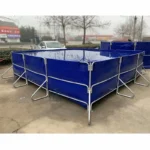
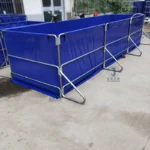

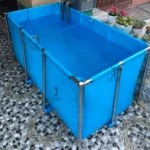
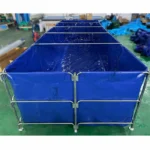
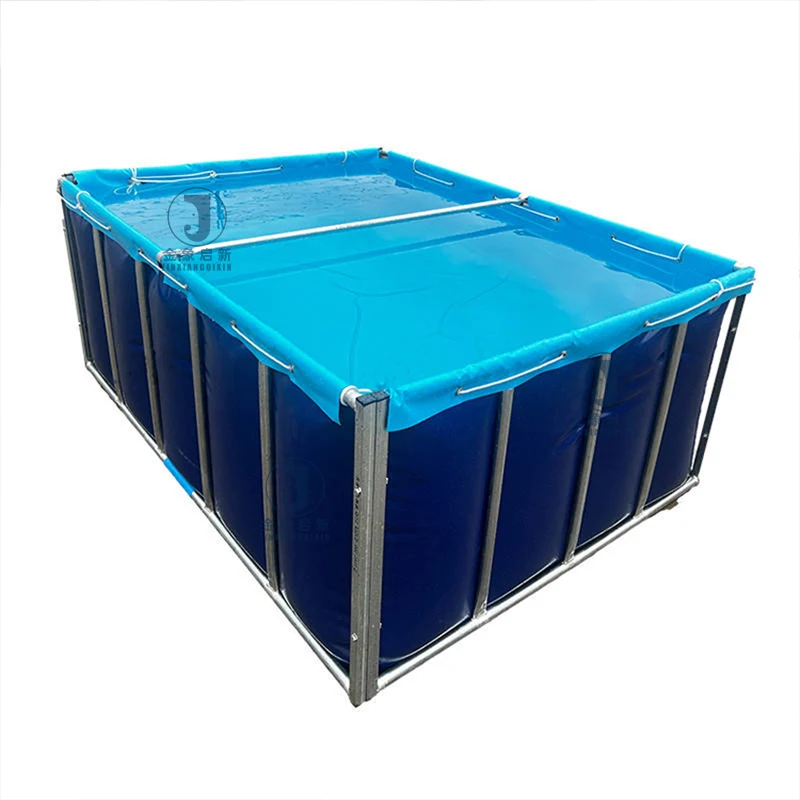
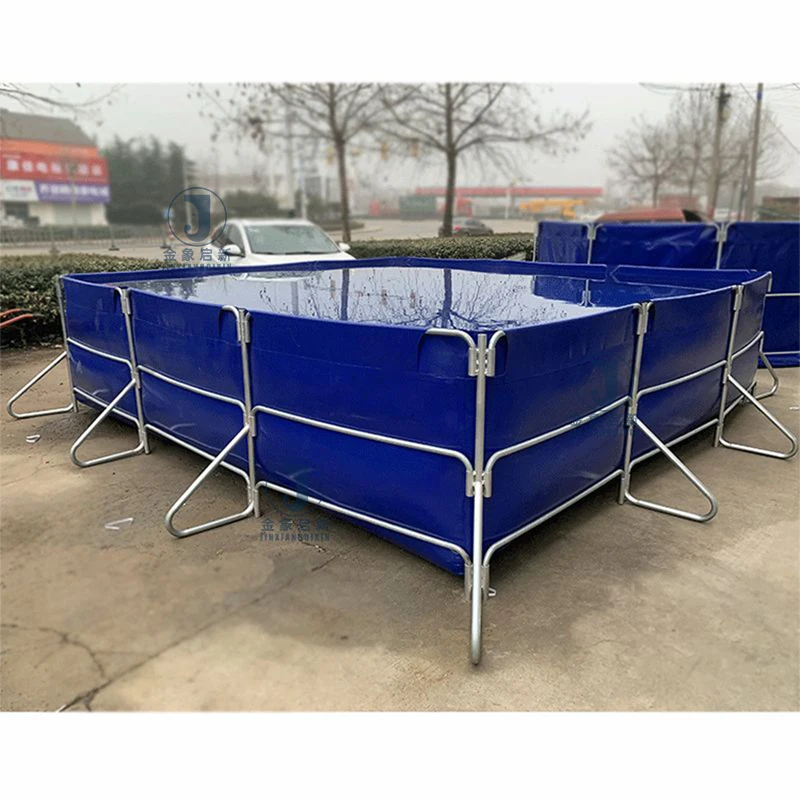
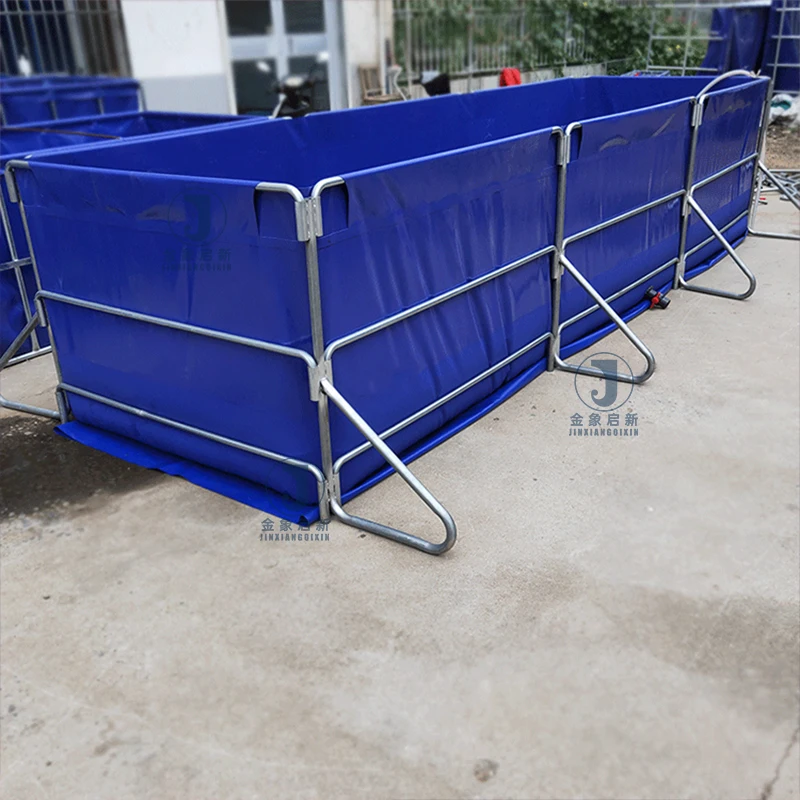
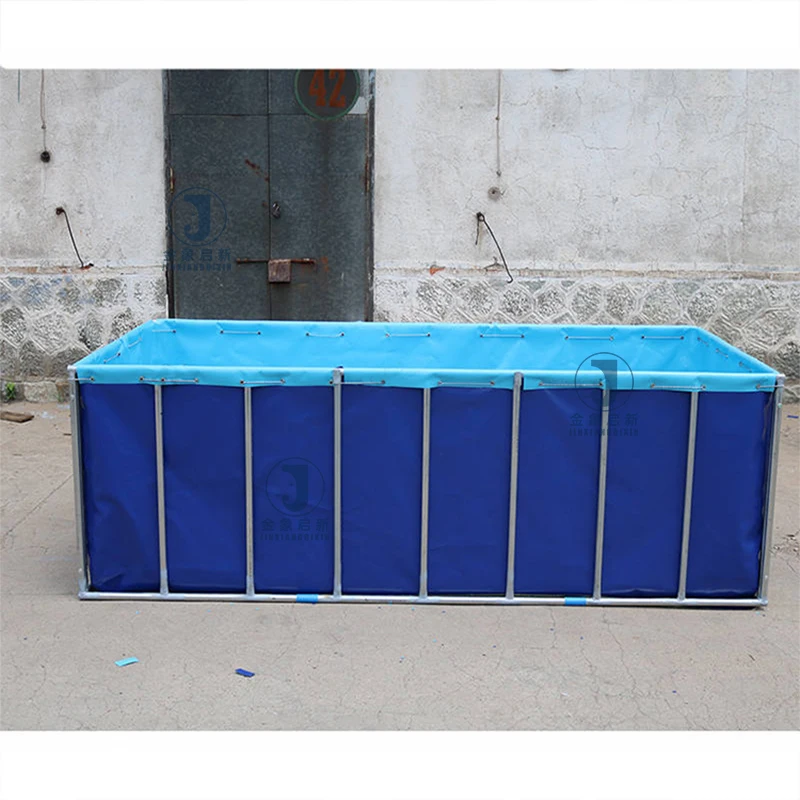
Process-Controlled Coating — 36 sets of professional equipment and 100% pre-shipment roll inspection ensure every roll of this PVC laminated tarpaulin meets the stated GSM, coating adhesion and weld strength before it leaves the factory.
Technical Specifications
| Parameter | Value |
|---|---|
| Product Type | PVC Coated Tarpaulin |
| Material | PVC + High-strength polyester mesh fabric |
| Coating Technology | Laminated technology & Hot-melt coating technology |
| Weight Options | 350gsm / 420gsm / 500gsm / 550gsm / 600gsm / 750gsm |
| Thickness Options | 0.32mm / 0.35mm / 0.4mm / 0.45mm / 0.5mm / 0.65mm |
| Roll Width | 2m / 2.1m |
| Roll Length | 75m / 50m |
| Colour Options | Blue / Red / Yellow / Light blue / Grey (Customized) |
| Flame Retardant | Treatment available (grade not stated) |
| Anti-Static | Treatment available (grade not stated) |
| Anti-Mildew | Stated |
| Cold Crack Resistance | Stated |
| Waterproof | Stated |
| Sunproof | Stated (test basis not stated) |
| Tearing Strength for Welding | Outstanding (test basis not stated) |
| Colour Fastness | Best colour fastness (test basis not stated) |
| Service Life | 3–7 years under normal circumstances (source value — verify) |
| Standards | ISO, CE |
Application Suitability
| Application | Exposure & Requirement |
|---|---|
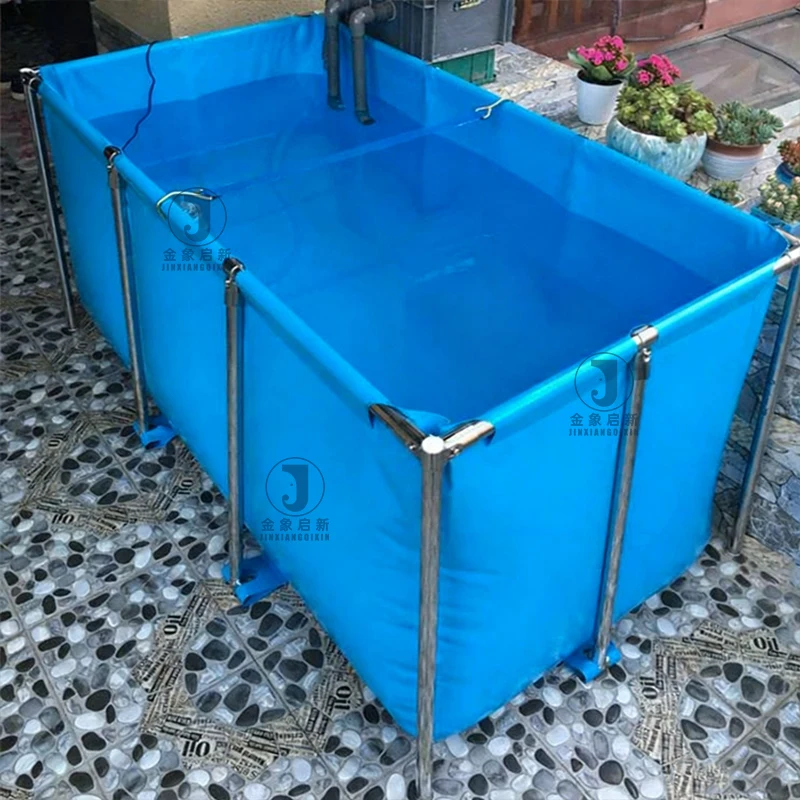
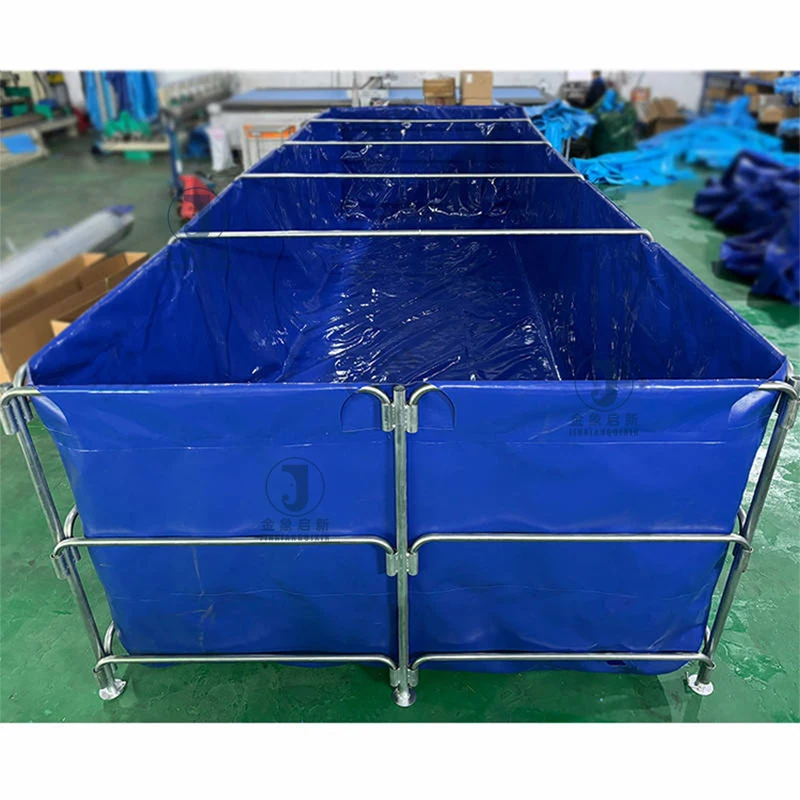
| Fish pond & aquaculture liner | Permanent water immersion, soil chemistry contact, puncture risk from substrate, UV exposure on exposed edges |
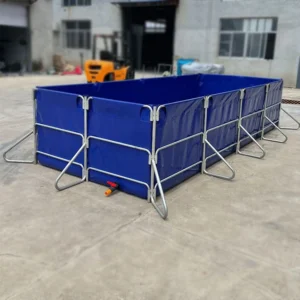
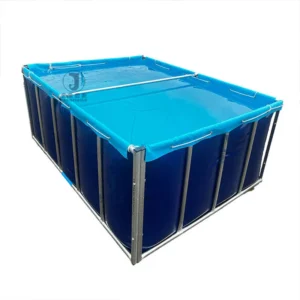
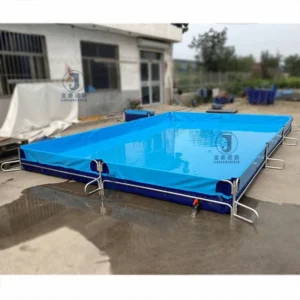
| Above-ground swimming pool | Hydrostatic pressure against metal frame, flexing at fold points, abrasion at frame contact zones |
| Industrial ventilation duct (mining / tunnelling) | Fire-retardant and anti-static compliance, continuous airflow abrasion, underground humidity and dust |
| Membrane & inflatable structures | Wind load tension, weld seam integrity under cyclic stress, certified fire performance for public assembly |
| Tent & awning cover | Repeated folding and unfolding, UV and rain exposure, colour consistency across panels |
What "Fire-Retardant" Means When No Grade Is Cited on Your Tarpaulin Order
Specifying PVC Coated Tarpaulin fire retardant without naming a standard leaves compliance to chance.
Mining and tunnelling sites routinely reject ventilation duct that arrives with a generic "flame retardant" label but no test certificate referencing the local regulation. The same problem appears in public-assembly membrane structures where the fire authority asks for a classification per a named standard and the fabric supplier cannot produce it. [NEED_CITE: fire classification standards for coated fabrics used in temporary structures]. When you are buying PVC Coated Tarpaulin fire retardant or anti-static for a regulated environment, the purchase order must state the exact standard your site requires, and the shipment must carry a test report that references that same standard by name and grade. Without this alignment, the material may pass a factory burn test yet still fail the inspector on site.
Hot-Melt Coating and Laminated Construction for Ventilation and Containment
The base fabric uses high-tenacity polyester yarns in a mesh weave, giving the PVC Coated Tarpaulin its dimensional stability under tension. Hot-melt coating drives the PVC compound into the interstices of the mesh under heat and pressure, producing a mechanical bond that resists delamination when the fabric flexes repeatedly inside a ventilation duct or against the metal frame of an above-ground pool. Laminated technology bonds a pre-formed PVC film to the base fabric, yielding a smoother surface that is easier to wipe clean in aquaculture tanks. Both methods are available in this range, and the choice depends on whether you prioritise weld peel strength or surface finish for your end product.
Flame-Retardant and Anti-Static Grades for Regulated Sites
This PVC Coated Tarpaulin fire retardant option is available in grades that should be confirmed against your local regulation before production begins. Underground mining operations typically require both flame-retardant and anti-static properties, and the two treatments are applied independently — one does not imply the other. For membrane structures in public spaces, the fire classification required by the building authority must be named on the inquiry so the correct additive package is compounded into the PVC. [NEED_CITE: anti-static test methods for coated fabrics in mining ventilation]. We supply the test report with the shipment, and the report references the specific standard and grade that was tested.
Reading GSM, Thickness and Coating Technology Together
GSM alone does not determine how the fabric behaves in a welded pond or a suspended duct. A 350gsm laminated grade at 0.32mm thickness suits lightweight temporary pond liners where the fabric lies flat on prepared ground, while a 750gsm hot-melt coated grade at 0.65mm provides the stiffness and tear resistance needed for a self-supporting above-ground pool wall. The coating method matters as much as the weight: hot-melt coating delivers higher peel strength at the weld line, which is critical when the fabric is heat-seamed into a cylindrical duct or a rectangular tank. Thickness correlates with puncture resistance against sharp substrate or metal frame edges. Specifying all three parameters — GSM, thickness and coating method — ensures the material matches the mechanical demands of your fabrication process rather than relying on weight alone.
The Cost of Specifying on Price Per Kilogram Instead of Performance
When a buyer selects PVC Coated Tarpaulin fire retardant purely on cost per kilogram, the material that arrives is often lighter than the agreed GSM, and the flame-retardant additive loading is reduced to match. Welded seams on a pond liner then fail before the fabric body does, because the coating adhesion was compromised to hold weight down. On a ventilation duct, insufficient anti-static loading means the surface resistivity sits above the threshold the mine safety officer requires, and the entire run is rejected at inspection. [NEED_CITE: relationship between coating weight consistency and weld seam integrity]. Colour can also drift between rolls in the same shipment when pigment dosing is not controlled per batch, making side-by-side panels visibly mismatched once installed.
Why Source This PVC Coated Tarpaulin From Jinan Jinxiang
Nearly 30 years of focused coated-fabric production gives the process engineers a deep reference library of GSM-to-adhesion relationships, so the weight on your specification sheet is the weight that arrives. Three full production lines and 36 sets of professional equipment support bulk roll orders without sacrificing lead-time reliability. A 10-person R&D team handles custom width, colour matching and sample development in-house, shortening the loop between your inquiry and a physical sample on your desk. Dedicated QA and QC stations at every production stage culminate in 100% roll-by-roll inspection before dispatch. ISO and CE certification underpin the quality system, and every treated roll ships with the documentation the end-user compliance file demands.
Documentation & Verification
- Material specification sheet stating exact GSM, base fabric denier, coating method and weight per roll
- Test reports for flame-retardant and anti-static grades referencing the specific standard and grade applied
- Pre-shipment inspection record confirming 100% roll-by-roll verification before dispatch
- ISO and CE certificates plus certificate of origin included with every shipment
- Roll packing list with batch reference for traceability across multiple rolls in one order
Fabrication, Handling & Storage
- Heat-seam temperature must be matched to coating method — hot-melt coated grades tolerate higher weld energy than laminated grades
- Store rolls upright on pallets to prevent flat-spot deformation on the 2m or 2.1m width
- Allow cold-stored rolls to acclimatise before unrolling to avoid cracking the anti-cold treated PVC surface
- Use a rotary cutter rather than shears on 750gsm grades to maintain a clean edge for welding
- Clean with mild detergent only; solvent-based cleaners attack the plasticiser in the PVC coating layer
- Plan cutting layout around 50m or 75m roll length to minimise cross-welds on large pond or duct panels
What to Include in Your Inquiry
Tell us the end-use environment — pond liner, ventilation duct or membrane structure — and the exposure conditions the fabric will face. State the fire-retardant or anti-static standard your local authority requires so we compound the correct treatment from the start. Confirm the roll width, GSM and colour you need, and whether you want raw roll stock or finished cut-to-size panels, so the quotation reflects your actual fabrication workflow.
Frequently Asked Questions
Q: Can you supply a fire-retardant test report that names the standard my country requires?
A: We offer flame-retardant treatment in grades matched to recognised test standards. Provide the specific standard and classification your local fire authority or site safety officer requires, and we will confirm whether our tested grade aligns before production. The test report ships with the roll documentation.
Q: How do you verify GSM on each roll before dispatch?
A: Every roll undergoes 100% pre-shipment inspection, including weight sampling against the stated GSM. The inspection record accompanies the shipment so you can cross-check the figures against your own incoming goods test without waiting for a third-party lab result.
Q: What is the difference between laminated and hot-melt coating for my application?
A: Hot-melt coating forces PVC into the polyester mesh under heat, producing higher peel strength at weld lines — important for ducts and tanks. Laminated technology bonds a pre-formed PVC film, giving a smoother surface suited to pond liners where easy cleaning matters. We recommend the method based on your fabrication process.
Q: How do you control colour consistency when I order multiple rolls?
A: Pigment is dosed per production batch, and rolls from the same batch are allocated to a single order. Our QC team checks colour reference at the coating stage and again at final inspection, so panels installed side by side match visually once deployed.
Q: What anti-static grade is available for mining ventilation duct?
A: Anti-static treatment is available and should be specified against the surface resistivity threshold your mine safety regulation requires. Confirm the target value with us at inquiry stage so the correct additive loading is compounded and the test report references the applicable standard.