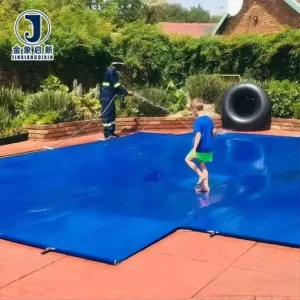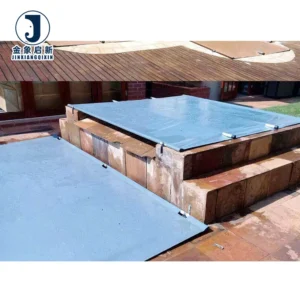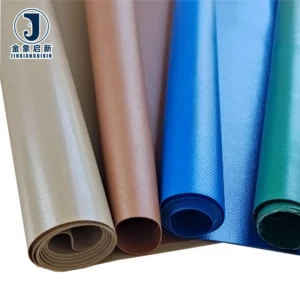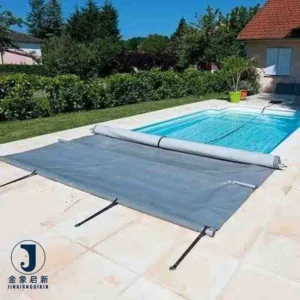
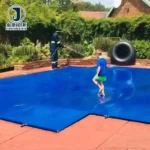
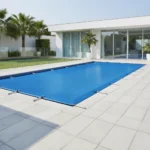
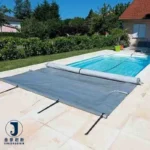
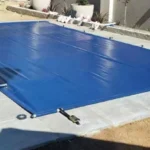
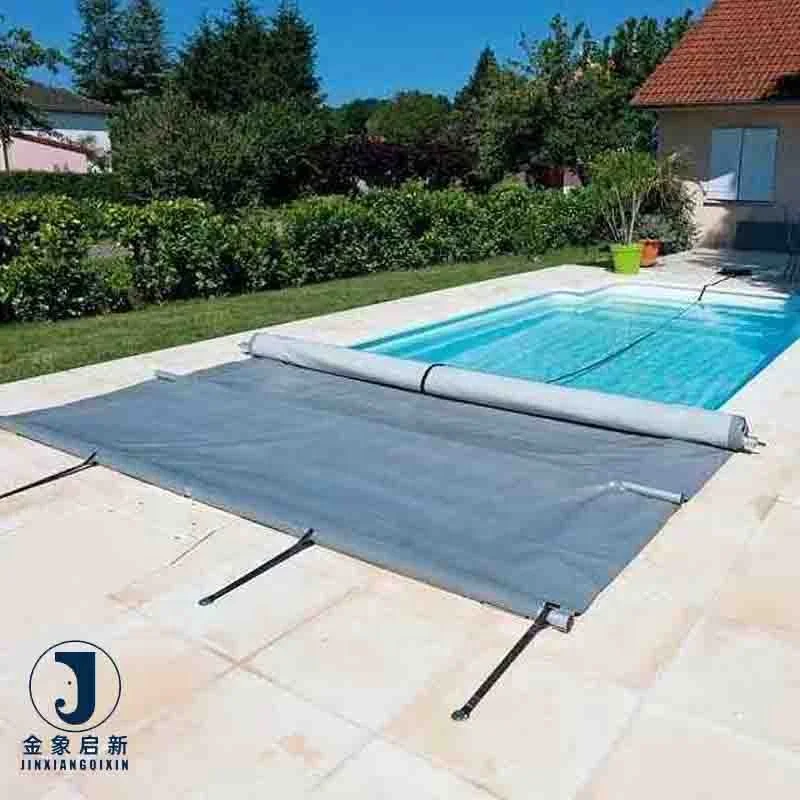
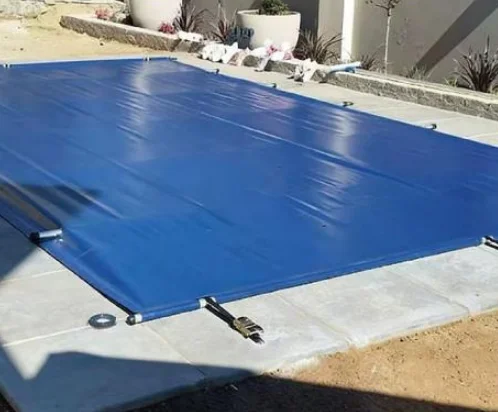
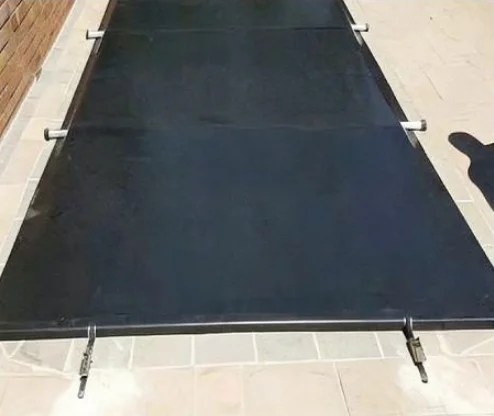
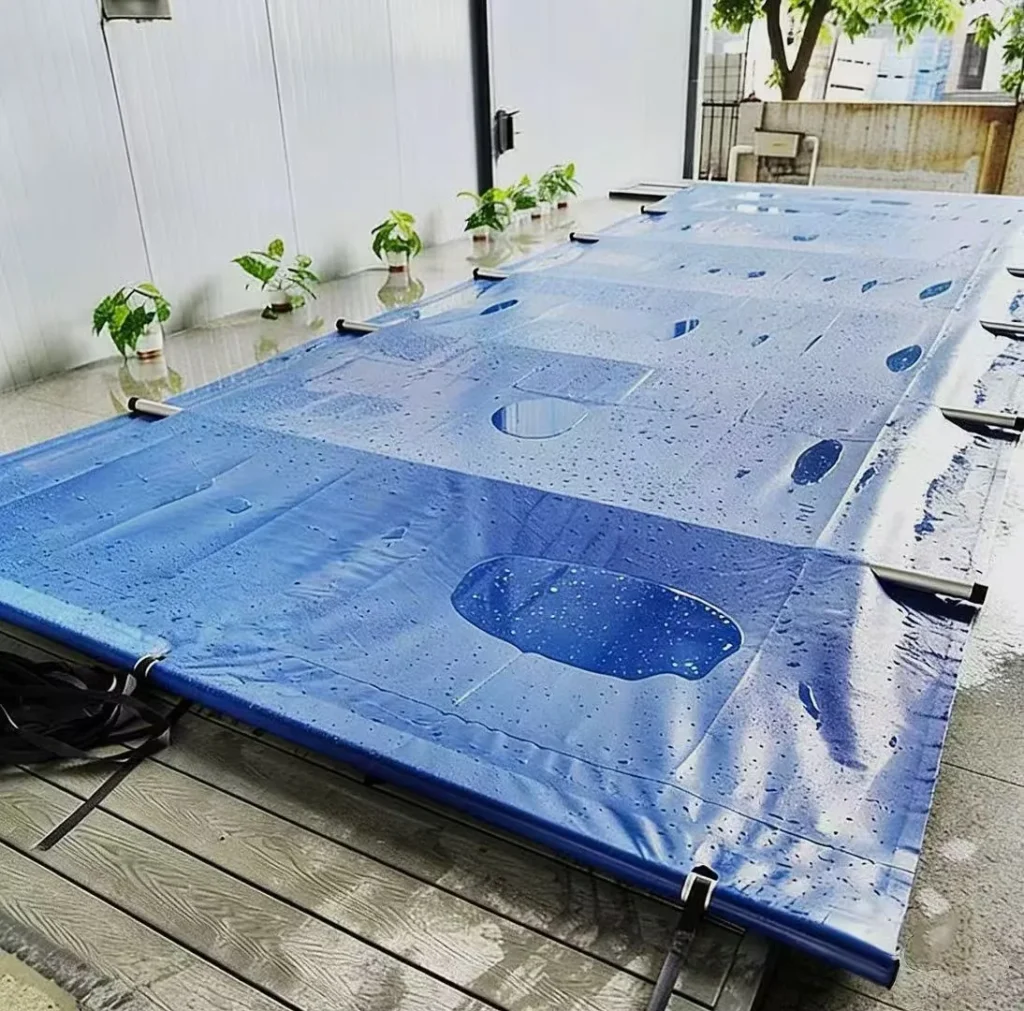
Deep Process Control — Three full production lines manage coating weight and adhesion on every roll of PVC laminated tarpaulin, ensuring seam integrity and structural reliability from the first metre to the last.
Technical Specifications
| Parameter | Value |
|---|---|
| Product Type | PVC Laminated Tarpaulin |
| Material | PVC + High-strength polyester mesh fabric |
| Coating Method | Laminated technology & Hot-melt Coating technology |
| Weight Options | 350gsm, 420gsm, 500gsm, 550gsm, 600gsm, 750gsm |
| Thickness Options | 0.32mm, 0.35mm, 0.4mm, 0.45mm, 0.5mm, 0.65mm |
| Roll Size | 2m × 75m / 2.1m × 50m |
| Finish Product Size | Custom cut sizes or inventory rolls |
| Color Options | Blue, Red, Yellow, Light blue, Grey (Customized) |
| Key Features | Waterproof, Anti-Mildew, Anti-Static treatment, Cold Crack Resistance |
| UV Treatment | Anti-UV (test basis not stated in source — confirm grade required) |
| Service Life | 3–7 years under normal circumstances |
| Standards | ISO, CE |
Application Suitability
| Application | Exposure & Requirement |
|---|---|
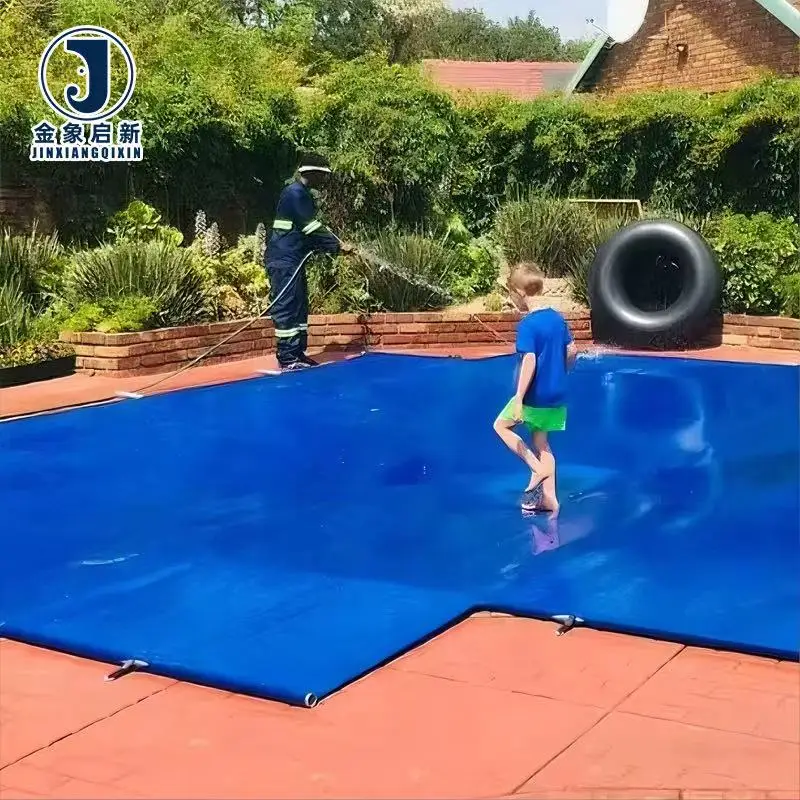
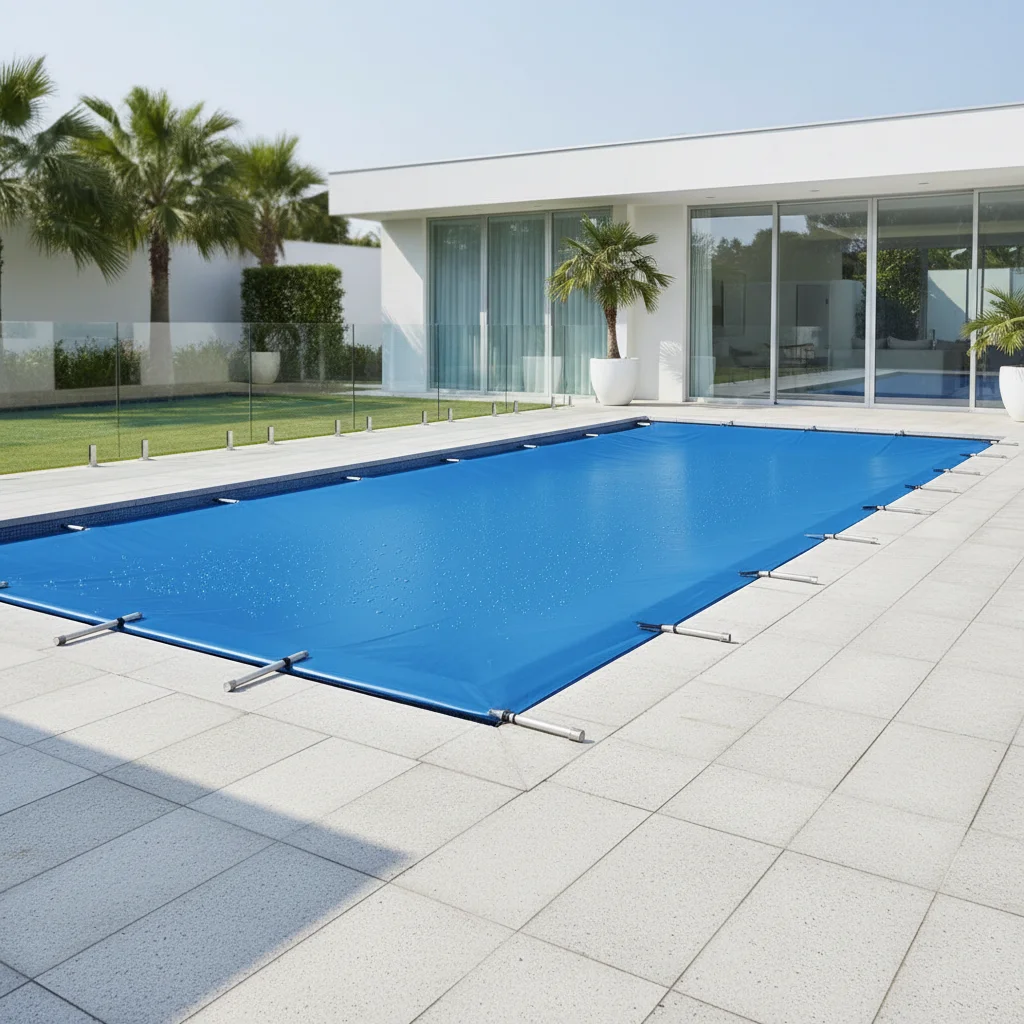
| Swimming pool covers | Prolonged water contact, chlorine and chemical splash, UV exposure, wind uplift at anchor points |
| Inflatable structures | Internal air pressure stress, repeated inflation-deflation cycles, seam weld integrity under flex |
| Membrane structures | Span tension, wind load, UV degradation over extended exposure, thermal expansion |
| Tent covers and awnings | Rain load, UV exposure, handling abrasion during assembly and teardown |
| Fish tank and aquaculture liners | Constant water immersion, biological fouling, anti-mildew demand |
Why Anti-Static and Fire-Retardant Grades Matter for Specialist Structures
Compliance documentation must be in place before the fabric reaches the site, not after.
Ventilation ducts and inflatable structures in mining, aviation or tunnelling environments demand verified fire-retardant and anti-static properties. Contractors routinely receive fabric that claims these treatments but arrives without supporting test reports, causing inspection failures and project delays [NEED_CITE: fire safety classification standards for temporary structures and ventilation ductwork]. Specifying the exact grade at inquiry stage — and receiving documented proof — eliminates costly rejections and keeps the project timeline intact. PVC Laminated Tarpaulin for ventilation and technical fabric applications must carry verifiable treatment data, not marketing statements.
Hot-Melt Coating Technology and Weld Performance
The laminated and hot-melt coating process bonds the PVC layers to the high-strength polyester mesh substrate under controlled heat and pressure. This method produces a coating-to-base-fabric adhesion that directly affects how well the material holds together at welded seams. For inflatable structures and pool covers where seam failure is a primary risk, the coating bond quality determines whether the weld line outlasts the fabric body or becomes the weakest point under tension [NEED_CITE: weld peel strength testing methods for coated technical textiles per ISO 1421].
Anti-Static Treatment and Environmental Compliance
Static charge accumulation on PVC surfaces creates hazards in confined spaces and near combustible dust. Anti-static treatment is available within this PVC Laminated Tarpaulin range, but the specific surface resistance value or test standard should be confirmed against your site requirements before ordering. Mining and aviation ventilation contractors need documented proof that the material meets the anti-static threshold specified in their safety management plan, and this documentation should accompany the shipment.
What GSM, Thickness and Coating Method Mean for Structural Load
Weight in grams per square metre and total thickness interact with the base fabric’s denier and weave density to determine how the material behaves under tension and puncture. A heavier GSM does not automatically mean higher tear resistance — a tightly woven base at a lower weight can outperform a loosely woven heavier fabric. The laminated and hot-melt coating method influences peel strength, which governs whether the PVC layer delaminates at fold lines or welded joints. For inflatable structures requiring repeated inflation cycles, coating adhesion matters as much as the base fabric’s tensile rating. Cold crack resistance ensures the material remains flexible during low-temperature installation without splitting at handled edges or fold creases [NEED_CITE: relationship between base fabric weave density and tear propagation in coated fabrics].
The Hidden Cost of Unverified Treatment Claims
When flame-retardant grades are specified on a quotation but not backed by test reports at delivery, the entire installation faces rejection at inspection. Batch colour variation across rolls becomes visible once panels are installed side by side on a large membrane structure or pool cover, forcing selective replacement. Weld seams failing before the fabric does — typically at flex points on inflatable structures — trace back to coating adhesion inconsistency between production batches [NEED_CITE: common failure modes in welded PVC coated fabric installations]. These issues compound project cost through rework and delay.
Why Procurement Teams Source This PVC Laminated Tarpaulin Here
The 10-person R&D team develops samples within days, allowing contractors to verify coating adhesion, colour match and treatment response before committing to bulk. Three full production lines and 36 sets of professional equipment support consistent output across large orders, with dedicated QA/QC at every stage and 100% inspection before dispatch. Custom widths, GSM grades and treatment combinations are handled in-house rather than outsourced, reducing specification drift between sample and production. The laminated and hot-melt coating process is controlled end-to-end, meaning the GSM stated on the quotation is verified on the roll.
Documentation & Verification
- Material specification sheet stating GSM, base fabric construction and coating method per roll
- Test reports for anti-UV and flame-retardant grades where applicable to your market
- Pre-shipment inspection record confirming colour consistency across the entire order
- Roll packing list with individual roll weight and dimensions for customs clearance
- ISO and CE certificates linked to the production facility and product range
Fabrication, Handling & Storage
- Hot-air welding parameters should be adjusted per GSM grade — test on off-cuts from the same roll first
- Cold crack resistance allows low-temperature handling, but unroll and lay flat before welding below recommended thresholds
- Store rolls upright on end-caps to prevent flat-spot compression marks on the PVC coating surface
- Anti-mildew treatment supports wet environments, but rinse chlorine residue from pool cover panels periodically
- Cut panels from the same production batch to minimise colour shift across adjacent welded sections
- Roll width options of 2m and 2.1m influence nesting layout — plan panel cutting to reduce off-cut waste
What We Need From Your Inquiry
Provide the installation environment — indoor, outdoor, submerged or pressurised — along with the specific fire-retardant or anti-static standard your site mandates. Confirm whether you need rolls in stock widths or custom cut sizes, and indicate the total area or roll count for your project. If colour matching across multiple rolls is critical for a visible membrane or pool cover, let us know so we plan production from a single coating batch.
Frequently Asked Questions
Q: What anti-static standard does the PVC laminated tarpaulin meet?
A: Anti-static treatment is applied during production, but the specific surface resistance value or test standard depends on the grade selected. Provide your site’s required threshold at inquiry stage so we confirm the appropriate treatment level and include the relevant test report with your documentation package.
Q: Are flame-retardant grades available for pool covers and inflatable structures?
A: Flame-retardant treatment is available across the PVC Laminated Tarpaulin range. The specific classification — such as B1, M2 or NFPA 701 — must be confirmed against your local building code or project specification. We supply the corresponding test report with the shipment when the grade is confirmed at order stage.
Q: How do I select the right GSM and thickness for an inflatable versus a membrane structure?
A: Inflatable structures require coating adhesion and weld integrity to withstand repeated flex cycles, while membrane structures prioritise tensile strength under sustained span load. Share your span dimensions, inflation pressure and expected wind load so our R&D team recommends the appropriate GSM grade and thickness from the available range.
Q: Can you guarantee colour consistency across multiple rolls for a large pool cover installation?
A: Colour consistency is managed by sourcing panels from the same production batch. For large-area covers where adjacent panels are visible, we plan roll production to minimise batch variation. Pre-shipment inspection includes visual colour comparison across rolls before dispatch.
Q: What lead time and minimum order apply to custom widths or cut sizes?
A: Custom widths and finished cut sizes are produced on our three full production lines. Lead time depends on the specification complexity and order volume — confirm your required dimensions and quantity at inquiry stage for a project-specific schedule. Samples are developed within days for approval before bulk production begins.