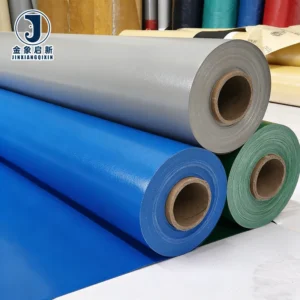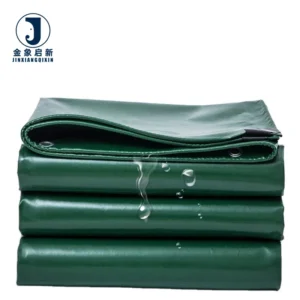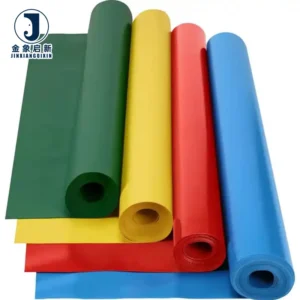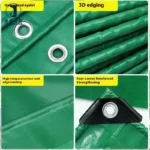
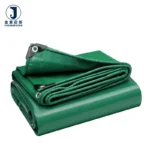
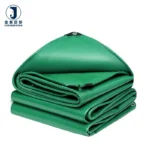
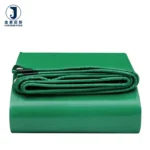
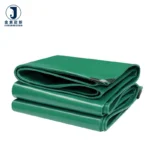
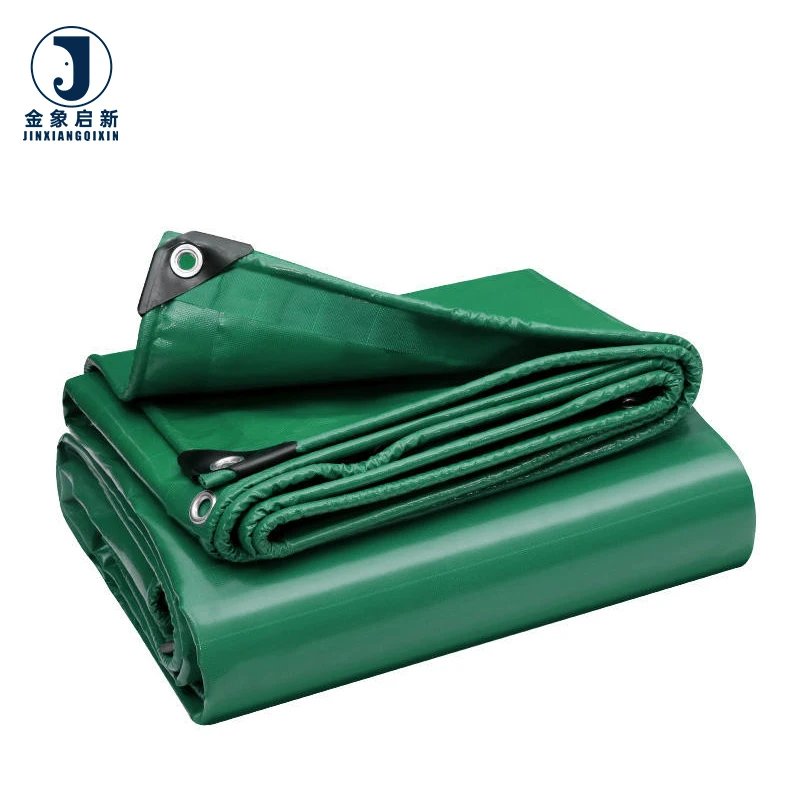
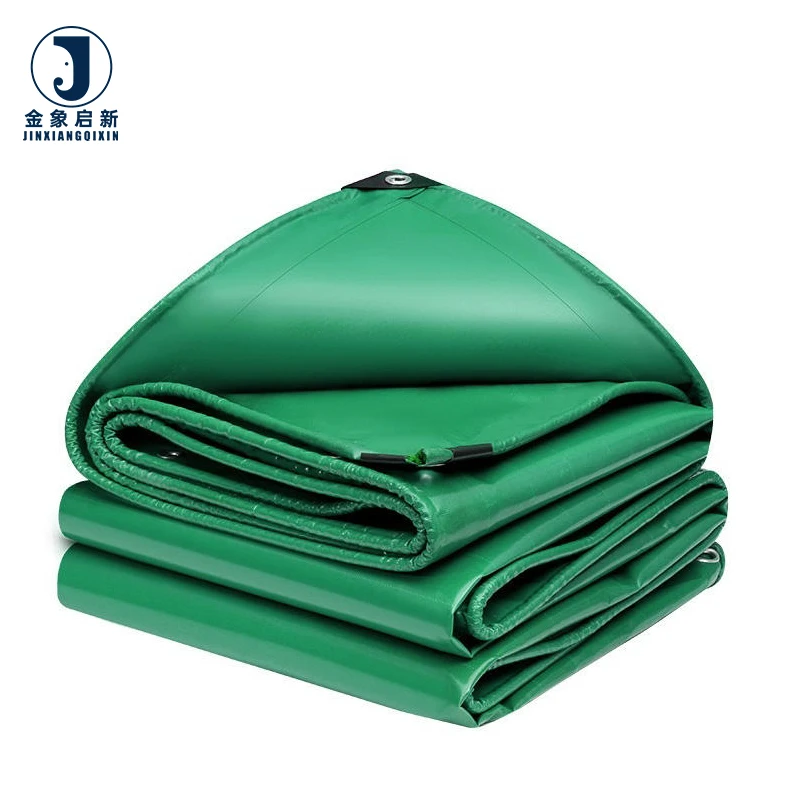
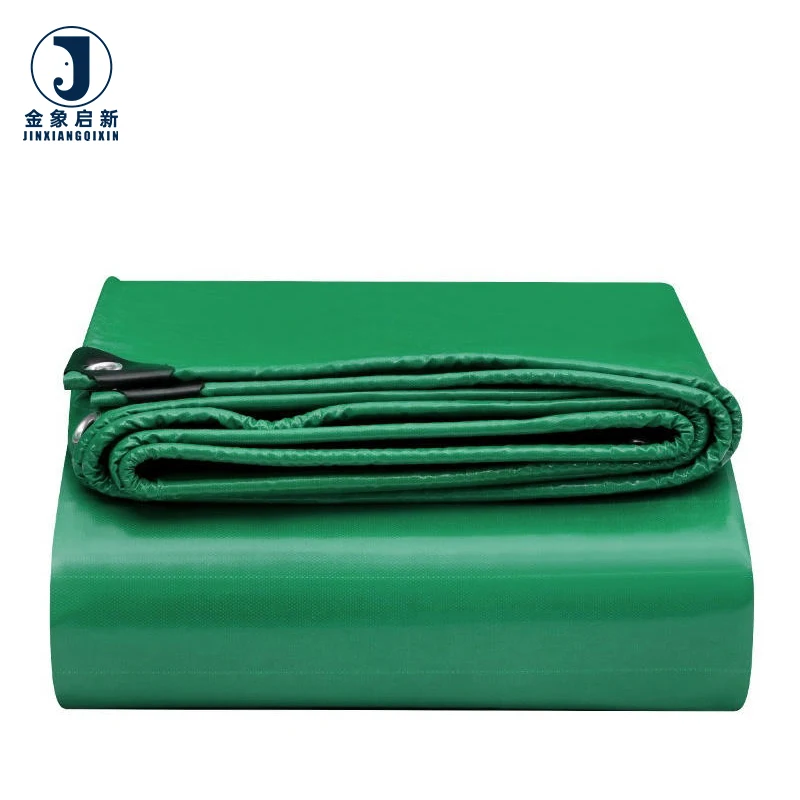
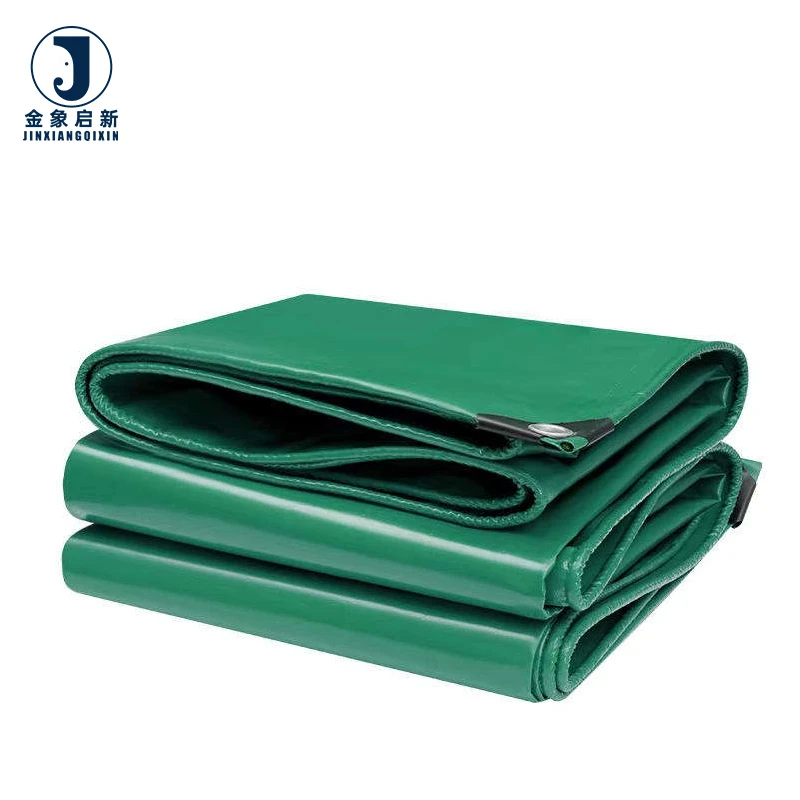
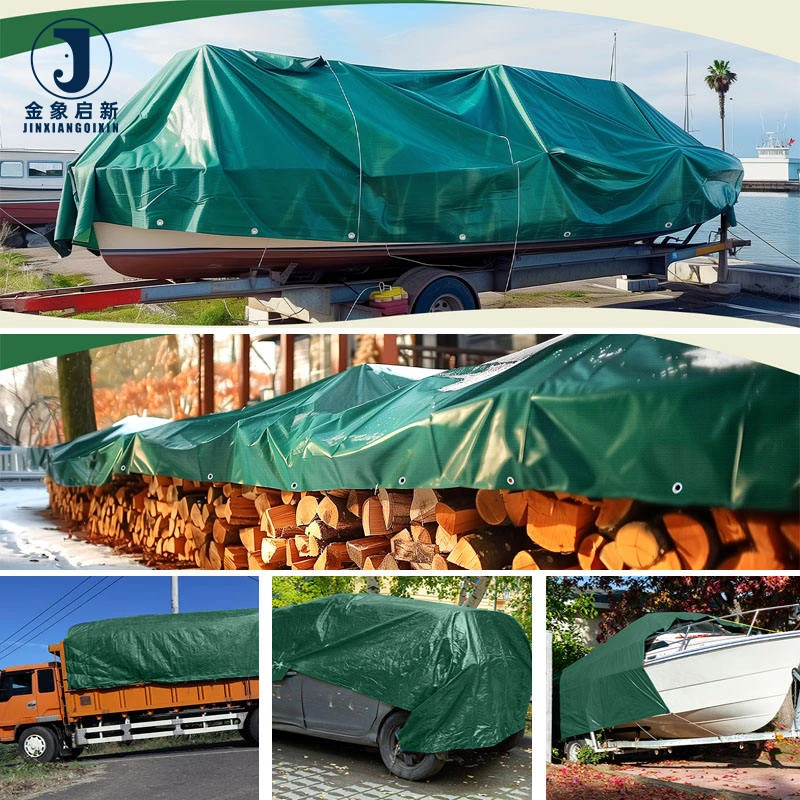
Process Control — nearly 30 years of coating weight and adhesion management applied to every PVC Coated Tarpaulin Roll leaving our facility.
Technical Specifications
| Parameter | Value |
|---|---|
| Product Type | PVC Tarpaulin Roll |
| Coating Material | PVC |
| Weight | 500 to 800 g/m² (range covers product family — confirm the grade for this item) |
| Waterproof Rating | Anti-permeable ≥20KPa |
| Flame Retardant | ≤10 seconds (grade not stated) |
| Low-Temperature Flexibility | Will not fracture at -30°C |
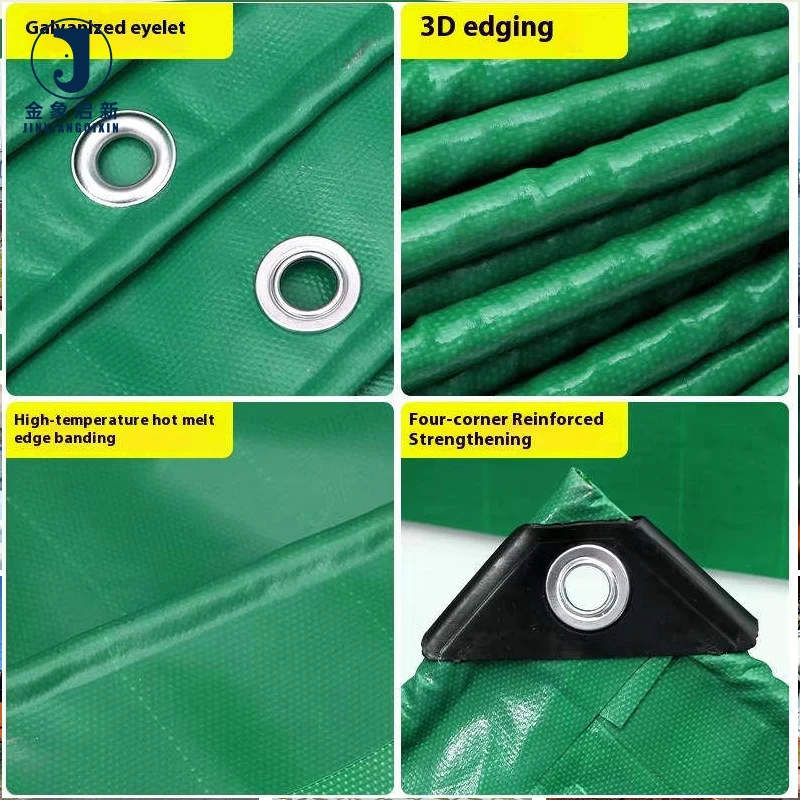
| Coating Method | High-frequency heat combined |
| Anti-Mildew | Stated (test basis not stated) |
| Anti-Corrosion | Acid, alkali and brine corrosion resistance |
| Water Absorption | Almost no absorbable of water |
| Tensile Strength | High strength of tensile (test basis not stated) |
Application Suitability
| Application | Exposure & Requirement |
|---|---|
| Mine and tunnelling ventilation duct | Constant airflow pressure, underground moisture, mandatory fire-retardant and anti-static compliance |
| Aviation ground support ventilation | Flexible duct routing, repeated deployment, fire safety regulation |
| Membrane and inflatable structures | Wind load stress, UV exposure, welded seam integrity at tension points |
| Industrial air duct fabrication | Internal pressure flex, abrasion at bends, chemical-laden air streams |
Why Certified Flame Retardancy Matters More Than a Generic Claim
A flame retardant statement without a named standard leaves your compliance audit exposed.
Ventilation duct fabric enters environments where a single spark carries catastrophic risk. Procurement teams frequently receive material labelled "flame retardant" with no supporting test report, and by the time the shortfall surfaces, the duct is already installed underground [NEED_CITE: fire safety classification standards for mining ventilation materials]. We see buyers discover the gap only when the site inspector asks for paperwork that does not exist. PVC Coated Tarpaulin fire retardant / anti-static certified fabric must ship with documentation that names the standard, the test laboratory and the batch reference — otherwise the claim is marketing, not engineering.
Ventilation Duct Compliance Starts at the Fabric Specification
Mining and tunnelling projects operate under ventilation regulations that reference specific fire-retardant grades — M2, B1, NFPA 701 or DIN 4102 depending on jurisdiction. When you source PVC Coated Tarpaulin fire retardant / anti-static certified material, the purchase order must name the exact standard your site requires so the correct additive package is compounded into the PVC coating. A generic flame retardant treatment may self-extinguish in a lab test yet fail the specific ignition protocol your regulator enforces.
Anti-Static Performance in Explosive Atmospheres
Underground environments with combustible dust or gas accumulation demand static dissipation across the duct surface. Anti-static variants within the PVC coated tarpaulin range address this requirement, but surface resistance values and test methods vary between markets [NEED_CITE: anti-static surface resistance measurement for industrial ventilation fabric]. Confirm the ohms-per-square threshold your safety officer requires before production begins, so the test report matches the specification on the day the duct arrives at the portal.
Reading the Specification Sheet Beyond the GSM Number
The weight range of 500 to 800 g/m² covers multiple grades within this product family, and selecting the correct one depends on duct diameter, operating pressure and deployment cycle. A higher GSM typically pairs with a denser base fabric to deliver the tensile strength needed for large-diameter ducts under sustained positive pressure, while smaller auxiliary ducts may perform adequately at a lighter grade. The coating method — high-frequency heat combined — produces a bond between PVC and base fabric that resists delamination at welded seams, which is critical because duct joints flex with every pressure pulse from the fan. Low-temperature flexibility rated to -30°C means the material will not embrittle during winter deployment or in high-altitude tunnelling where ambient temperatures drop sharply. Acid, alkali and brine corrosion resistance protects the coating surface when intake air carries chemical residue from blasting or processing operations upstream.
The Hidden Cost of Undocumented Compliance
When ventilation duct fabric arrives on site without a batch-specific test report, the contractor faces three outcomes — install and hope, send samples to a local lab at project expense, or reject the shipment and wait for replacement material while the ventilation schedule slips [NEED_CITE: pre-shipment inspection protocols for coated technical fabrics]. Each scenario costs more than specifying the correct documentation at the inquiry stage. Flame retardant grades that lack a named standard leave the buyer carrying the compliance risk, and in mining or tunnelling, that risk is not commercial — it is operational safety.
Why Source This Fabric Here
Deep process control over coating weight and adhesion ensures every PVC Coated Tarpaulin fire retardant / anti-static certified roll meets the GSM and flame-retardant specification stated on the quotation. Three full production lines with 36 sets of equipment support the volume required for large-scale duct fabrication projects without compromising lead time. The 10-person R&D team develops samples for custom duct diameters, joining methods and specialist treatments within days rather than weeks. Dedicated QA/QC at every production stage catches coating weight deviations and seam integrity issues before the roll is packed. Material specification sheets, test reports and pre-shipment inspection records ship with every dispatch so your documentation package is complete on arrival.
Documentation & Verification
- Material specification sheet stating GSM, base fabric denier and coating weight for this roll
- Flame-retardant test report referencing the specific standard and batch number
- Anti-static surface resistance certificate tied to the production lot
- Pre-shipment inspection record confirming weight and visual quality per roll
- Certificate of origin and customs documentation for cross-border dispatch
Fabrication, Handling & Storage
- High-frequency heat welding parameters must match the 500 to 800 g/m² coating weight to avoid seam delamination
- Store rolls upright on pallets to prevent creasing that weakens the PVC coating at fold lines
- Allow cold-stored rolls to reach ambient temperature before unrolling to protect low-temperature flexibility rating
- Use compatible PVC-based adhesives for field repairs to maintain corrosion resistance across the patch
- Plan cut patterns to minimise welded joints in high-flex zones of the duct circumference
What to Include in Your Inquiry
Provide the ventilation duct diameter, operating pressure and the fire-retardant or anti-static standard your site mandates so we recommend the correct grade within the PVC coated tarpaulin range. Specify whether you require rolls for your own fabrication line or finished duct sections with welded joints, and indicate annual volume so we can plan production slots accordingly.
Frequently Asked Questions
Q: Which fire-retardant standard can you certify this PVC coated tarpaulin against?
A: Available in flame retardant grades — confirm the standard required for your market such as M2, B1, NFPA 701 or DIN 4102. We supply the matching test report tied to your production batch, naming the laboratory, the standard and the result so your compliance documentation is complete before the duct is installed.
Q: How is anti-static performance measured and certified for ventilation duct fabric?
A: Anti-static variants within the PVC coated tarpaulin range are tested for surface resistance per the method your project specifies. Provide the ohms-per-square threshold required by your safety officer, and we include the batch-specific test certificate with the shipment documentation package.
Q: What GSM and base fabric denier should I specify for my duct diameter?
A: The 500 to 800 g/m² range covers multiple grades — the correct selection depends on duct diameter, operating pressure and deployment frequency. Share your duct dimensions and fan specifications so we recommend the grade that delivers the required tensile and tear strength without over-specifying weight.
Q: How do we verify the flame-retardant grade when the rolls arrive on site?
A: Every dispatch includes a pre-shipment inspection record and a batch-specific test report. For additional assurance, we support third-party lab re-testing from retained production samples — provide your sampling protocol at the inquiry stage and we accommodate it before the container ships.
Q: Can you develop samples for custom duct diameters and joining methods?
A: The 10-person R&D team produces samples for custom duct configurations within days, including welded joint designs and specialist treatments. Approve the sample before full production so the joining method, coating weight and fire-retardant grade are all confirmed against your fabrication process.