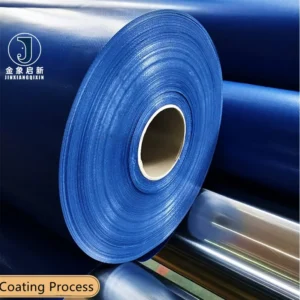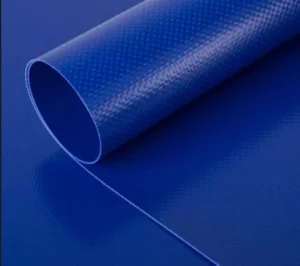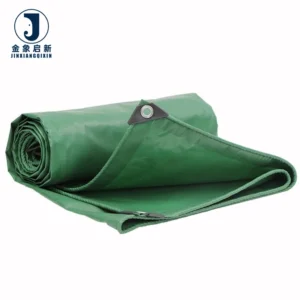
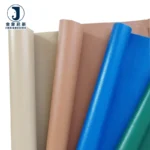
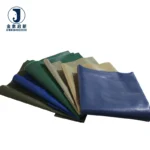
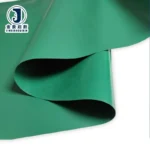

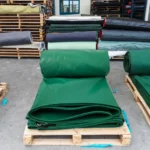
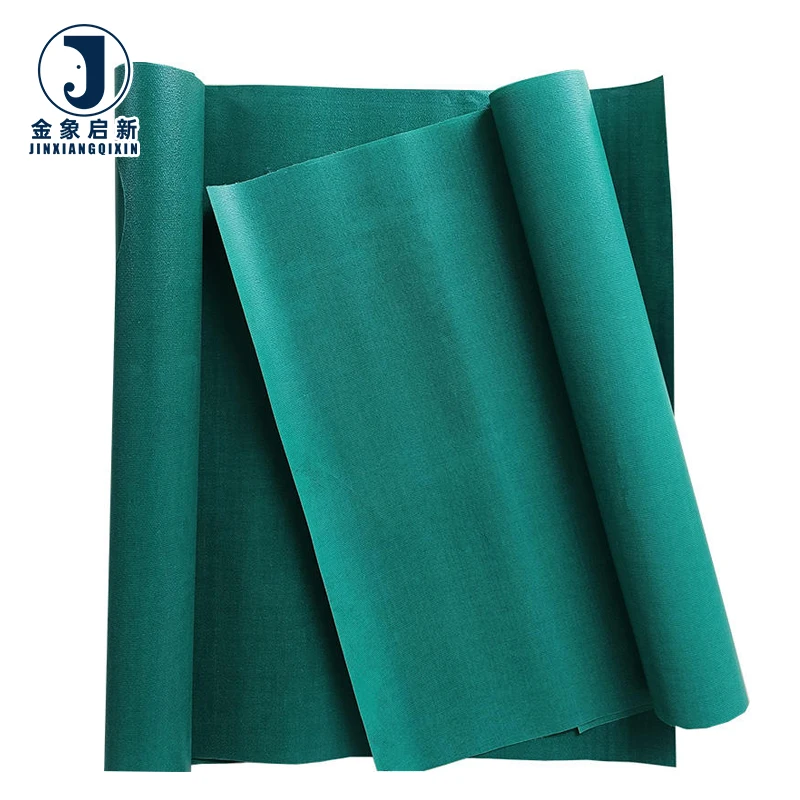
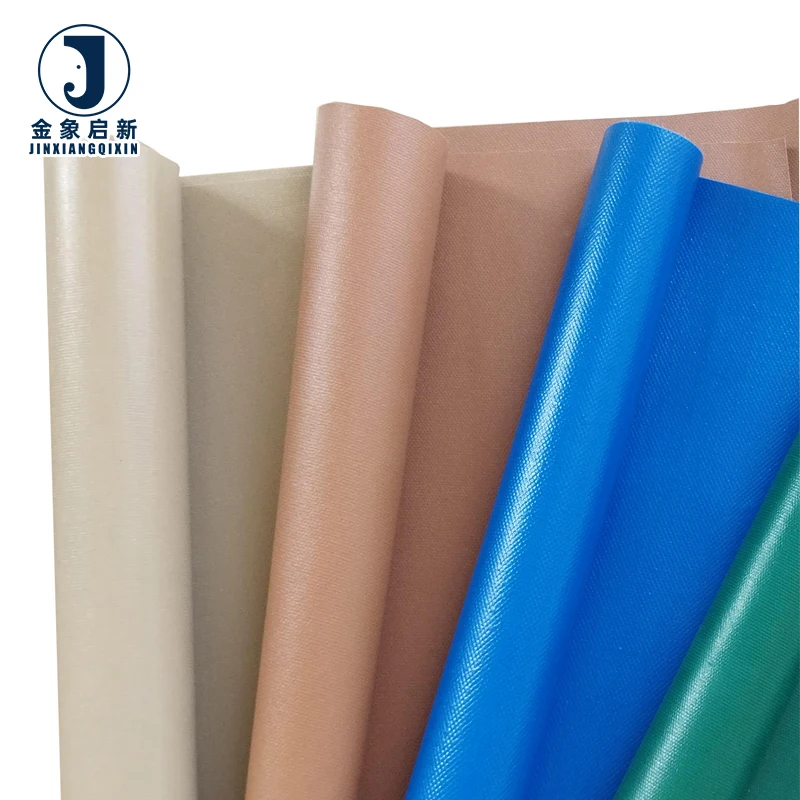
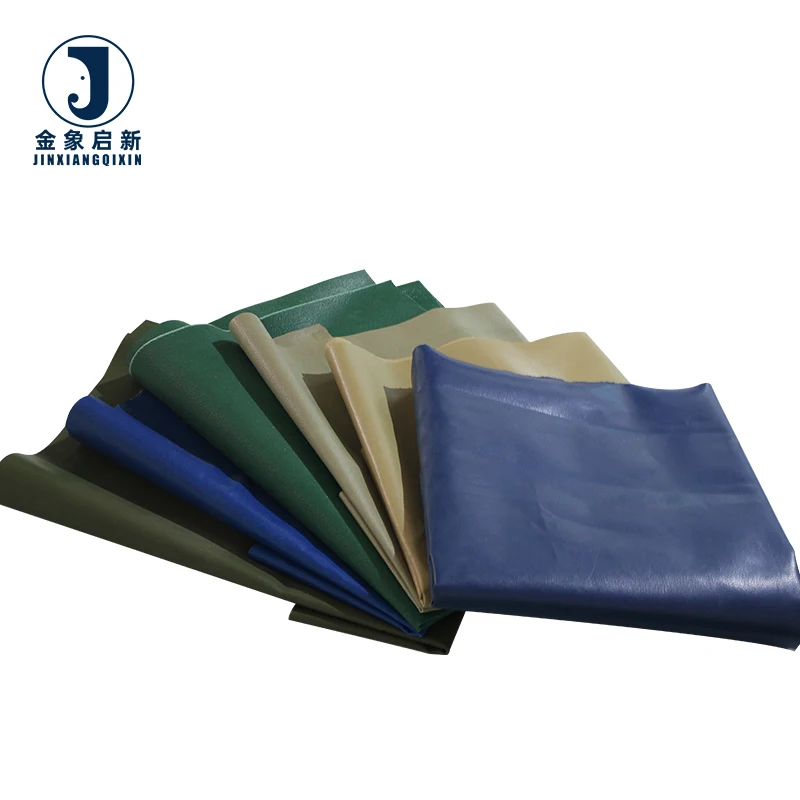
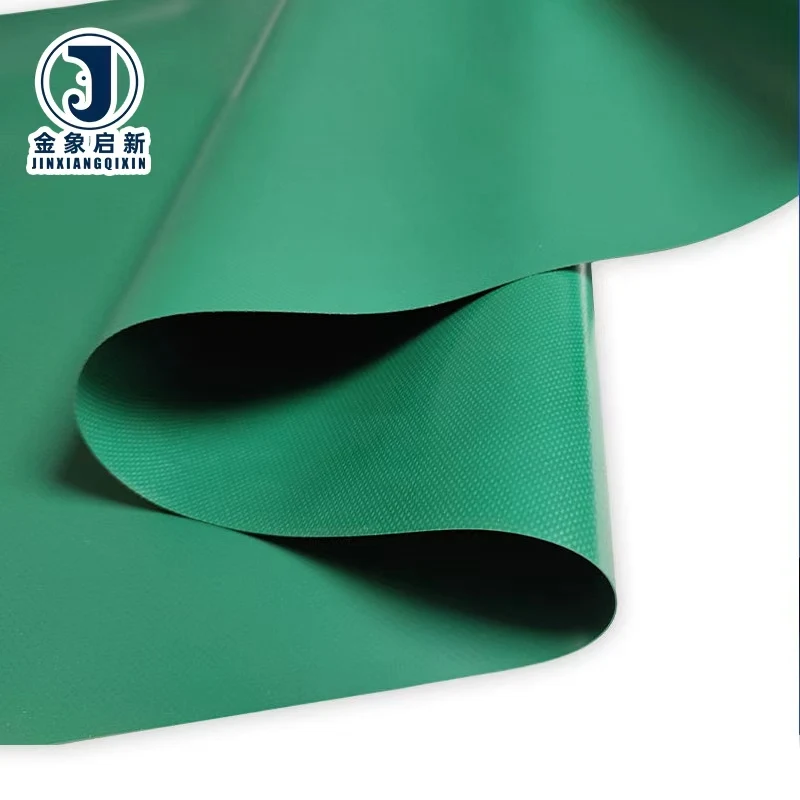
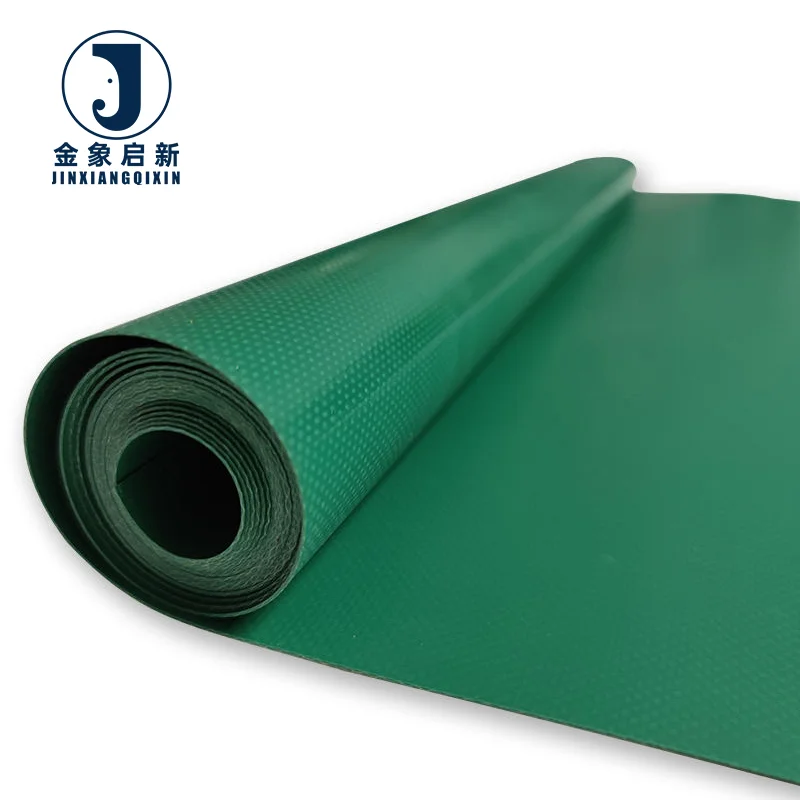
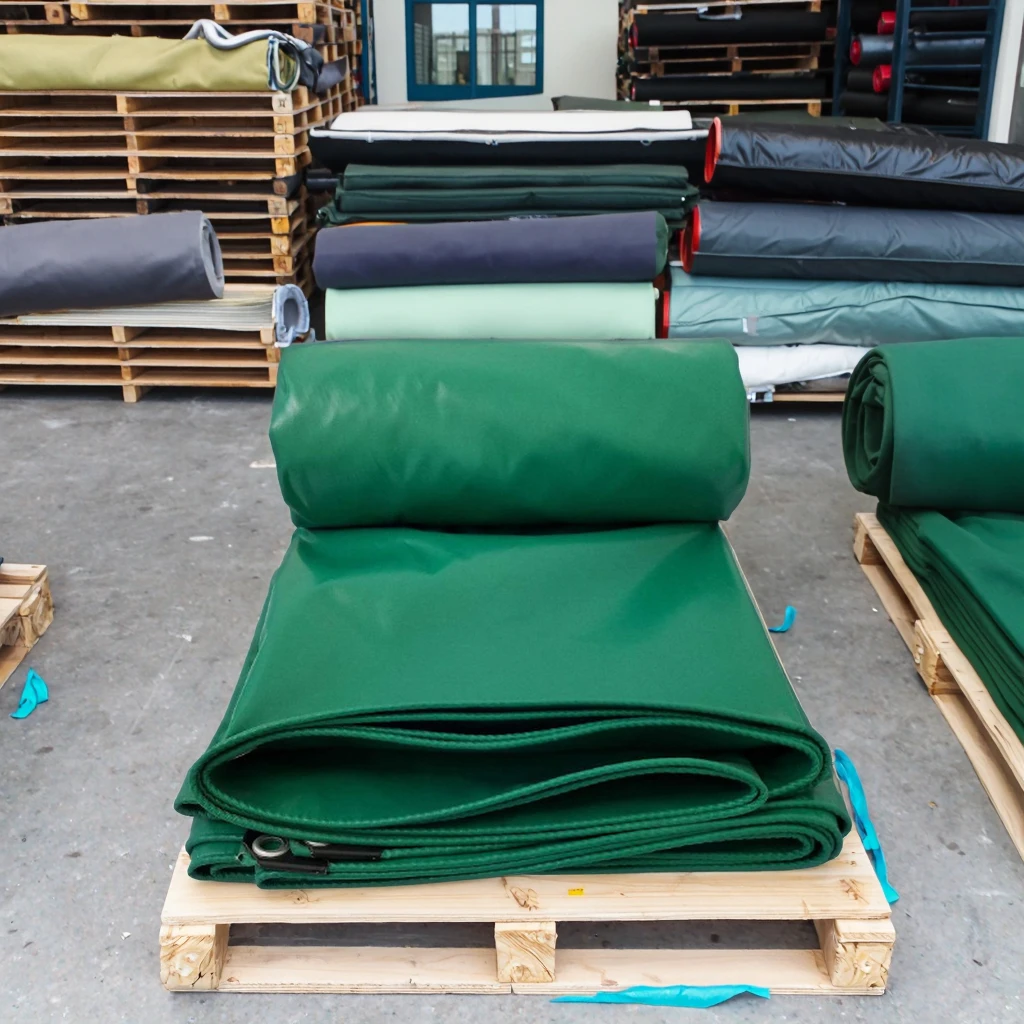
Coating Adhesion Control — Three full production lines with hot-melt and laminated coating technology ensure consistent PVC-to-polyester bonding across every roll, verified at each production stage before dispatch.
Technical Specifications
| Parameter | Value |
|---|---|
| Product Type | PVC Coated Tarpaulin Roll |
| Material | PVC + High-strength polyester mesh fabric |
| Coating Method | Laminated technology & Hot-melt coating technology |
| Weight Options | 350gsm / 420gsm / 500gsm / 550gsm / 600gsm / 750gsm |
| Thickness Options | 0.32mm / 0.35mm / 0.4mm / 0.45mm / 0.5mm / 0.65mm |
| Roll Width | 2m / 2.1m |
| Roll Length | 75m (for 2m width) / 50m (for 2.1m width) |
| Flame Retardant | Available in flame retardant grades — confirm the grade required for your market |
| Anti-Static | Anti-static treatment available — confirm surface resistance standard required |
| Cold Crack Resistance | Stated |
| Waterproof | Fully waterproof coated construction |
| Anti-Mildew | Stated |
| Standards | ISO, CE |
Application Suitability
| Application | Exposure & Requirement |
|---|---|
| Mine and tunnelling ventilation ducts | Continuous airflow pressure, fire-retardant and anti-static compliance mandatory underground |
| Aviation ground support ducting | Temporary ventilation under strict flame safety documentation, rapid deployment |
| Membrane and inflatable structures | Structural tension loads, UV and weather exposure, welded seam integrity |
| Construction site enclosures | Wind loading, scaffolding contact, puncture and abrasion resistance |
| Temporary industrial shelters | Rapid installation and dismantling, repeated folding without coating crack |
What "Fire-Retardant Certified" Means When No Test Report Arrives
A flame retardant claim without a cited grade and test standard leaves the site inspector with nothing to sign off on.
Ventilation ducts in mining, tunnelling and aviation environments operate under strict fire safety oversight. Fabric that arrives without a test report citing a recognised standard — whether M2, B1, NFPA 701 or DIN 4102 — cannot be approved for installation, regardless of what the quotation stated. Contractors face work stoppages, re-inspection costs and replacement orders when the documentation gap surfaces on site [NEED_CITE: fire classification standards for coated fabrics in underground and aviation environments]. The PVC coated tarpaulin roll fire retardant anti-static certified specification must be backed by paperwork that matches the compliance framework your project requires.
Coating Adhesion and Weld Integrity for Duct Fabrication
Ventilation duct fabrication depends on heat-welded seams carrying the full airflow pressure without delamination. The laminated and hot-melt coating technology used in this PVC coated tarpaulin roll fire retardant anti-static certified fabric produces strong adhesion between the PVC coating layer and the high-strength polyester base mesh. When a weld is applied, the coating melts into a continuous bond rather than peeling apart at the seam edge. This adhesion behaviour is critical for duct joints that flex under pressure cycling in underground or temporary installations.
Anti-Static Treatment for Ignition-Sensitive Environments
In mining and tunnelling operations, static discharge on fabric surfaces poses a documented ignition risk where combustible dust or gas may be present. Anti-static treatment is available for this PVC coated tarpaulin roll fire retardant anti-static certified range, but the surface resistance value must be confirmed against the specific standard your site safety plan references [NEED_CITE: anti-static surface resistance testing standards for ventilation duct fabric]. Request the test result before placing a roll order so compliance documentation is ready when the material arrives on site.
Reading the Specification Sheet Beyond GSM
Weight in grams per square metre tells you how much material is present, but tensile and tear performance depends on how that weight is distributed between the base fabric and the coating. A 550gsm roll with a dense high-tenacity polyester mesh and a thinner coating will typically outperform a 550gsm roll where most of the weight sits in the PVC layer. The hot-melt coating method used here drives PVC into the mesh structure, improving coating-to-yarn bonding and tear resistance at weld points. Thickness options from 0.32mm to 0.65mm correspond to different balances of flexibility and mechanical protection — thinner grades suit inflatable structures that fold frequently, while heavier grades handle the abrasion and puncture exposure of construction enclosures. Roll widths of 2m and 2.1m determine how many longitudinal welds a duct fabrication requires, directly affecting labour and seam failure risk.
The Hidden Cost of Specifying Without Documentation
Ordering PVC coated tarpaulin roll fire retardant anti-static certified fabric without verifying the test report creates a compliance gap that only surfaces when the inspector arrives. Fire-retardant grades vary between standards — a B1 rating under DIN 4102 is not interchangeable with an NFPA 701 classification, and specifying the wrong one means the entire duct run fails acceptance [NEED_CITE: DIN 4102 vs NFPA 701 fire classification differences for technical textiles]. Similarly, anti-static treatment without a measured surface resistance value leaves safety officers unable to confirm the fabric meets the threshold for ignition-sensitive zones. Batch-to-batch consistency in GSM and coating weight also matters: rolls that arrive lighter than quoted reduce tear strength and weld reliability, and the shortage is only discovered after fabrication has begun.
Why Source This Fabric Here
Deep process control over coating weight and adhesion is maintained across three full production lines, giving consistent PVC-to-polyester bonding from the first metre to the last on every roll. A 10-person R&D team handles material selection and sample development, so duct fabrication contractors can confirm weld parameters and colour match before committing to bulk. Dedicated quality inspection at every production stage means each roll is checked before packing, reducing the risk of GSM shortfall or coating defects reaching the site. The product range covers the specific requirements of ventilation duct, membrane structure and inflatable fabrication — not generic tarpaulin applications — so technical guidance matches the end use. Samples are developed within days for custom requirements, letting you verify hand feel, weld behaviour and colour before the production run starts.
Documentation & Verification
- Material specification sheet stating GSM, base fabric construction and coating weight for each roll grade
- Fire-retardant test report citing the specific standard and grade applicable to your market
- Anti-static surface resistance test result for ignition-sensitive site compliance
- Pre-shipment inspection record with roll-by-roll weight and dimension verification
- ISO and CE certificates supporting export documentation requirements
- Certificate of origin and customs support for international shipment
Fabrication, Handling & Storage
- Heat-weld parameters must be adjusted to the specific GSM grade selected, as coating thickness affects melt behaviour at the seam
- Store rolls upright on pallets to prevent flat-spot deformation that shows as a visible line after unrolling
- Allow cold-stored rolls to reach ambient temperature before unrolling to avoid coating crack in low-temperature grades
- Cut planning should account for 2m or 2.1m roll widths to minimise longitudinal welds in duct fabrication
- Clean surfaces with mild detergent only — solvent-based cleaners may degrade the anti-static treatment layer
Preparing Your Enquiry
Provide the ventilation duct diameter, duct run length and operating pressure range so the correct GSM grade and roll width can be recommended. State the fire-retardant standard and anti-static surface resistance threshold your project specification requires, along with the applicable compliance authority. Indicate whether you need rolls only or require custom cut sizes, and specify any colour or printing requirements for identification on site.
Frequently Asked Questions
Q: What fire-retardant grade does this fabric carry and which standard is it tested to?
A: Flame retardant treatment is available across this PVC coated tarpaulin roll fire retardant anti-static certified range, but the specific grade must be confirmed for your market. Standards such as M2, B1, NFPA 701 and DIN 4102 each define different test methods and pass criteria. Request the test report citing the exact standard before placing your order so site compliance is covered.
Q: What surface resistance value does the anti-static treatment achieve?
A: Anti-static treatment is available, and the surface resistance result depends on the formulation applied. Mining and tunnelling projects typically require a specific threshold documented in the site safety plan. Request the measured surface resistance value and the test method used so you can verify it matches your compliance requirement before the rolls ship.
Q: How is GSM verified on each roll before shipment?
A: Every roll undergoes weight verification as part of the pre-shipment inspection process. GSM is measured against the stated specification, and any roll falling outside tolerance is flagged before packing. The inspection record accompanies the shipment documentation so you can cross-reference the values on receipt.
Q: What roll widths and lengths are available for duct fabrication?
A: This fabric is supplied in 2m width at 75m roll length or 2.1m width at 50m roll length. The width selection affects how many longitudinal welds your duct fabrication requires. Custom widths may be available on request — confirm your duct diameter and fabrication layout so the most efficient roll width can be recommended.
Q: How does the fabric perform in welding and seam construction for duct joints?
A: The hot-melt and laminated coating technology produces strong adhesion between the PVC layer and the polyester base mesh, which is critical for weld integrity under airflow pressure. Tear strength at the weld line is supported by the high-tenacity yarn construction. Request a sample to confirm weld parameters on your equipment before committing to a production order.