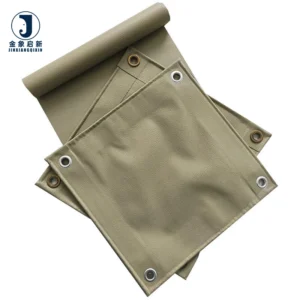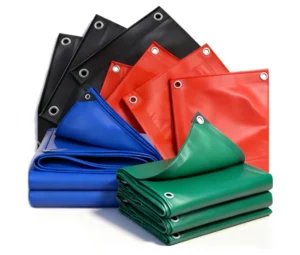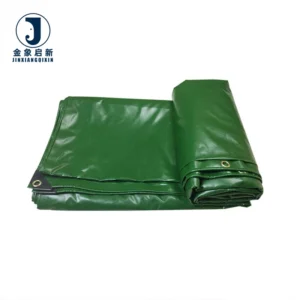



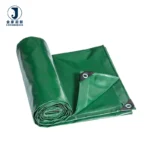
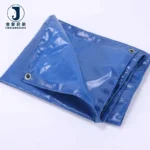
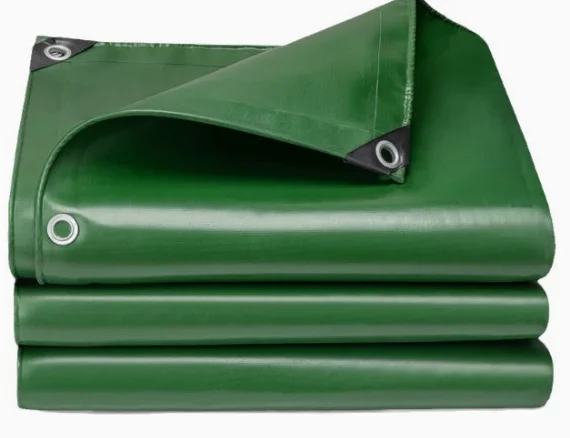
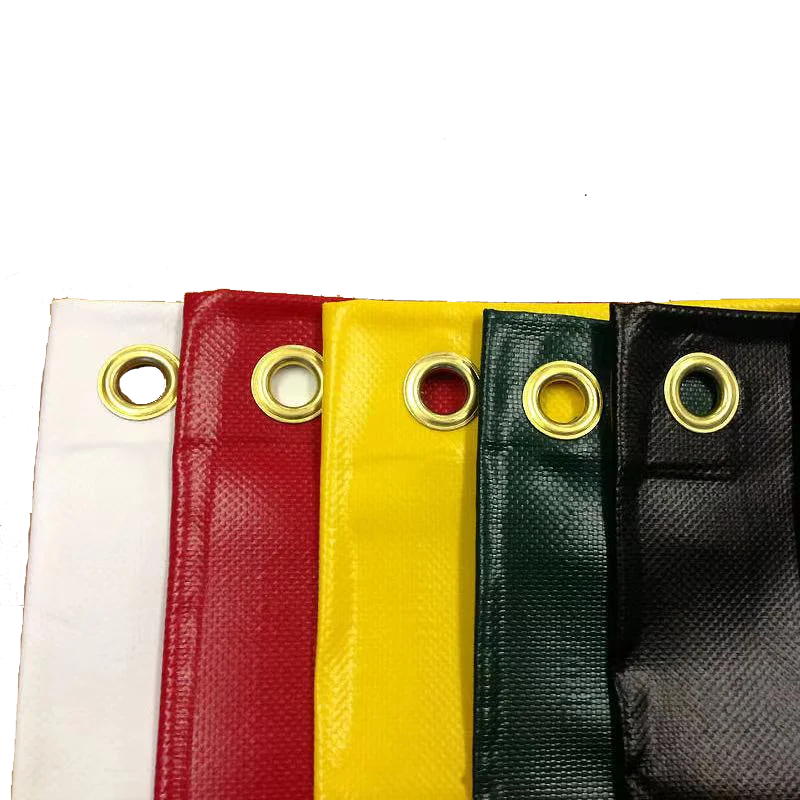
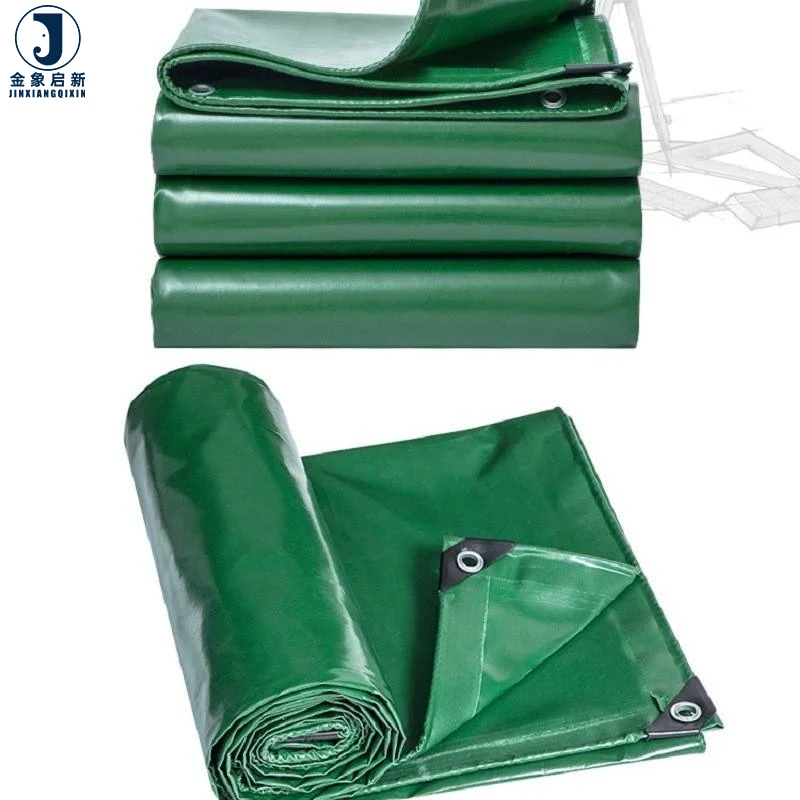
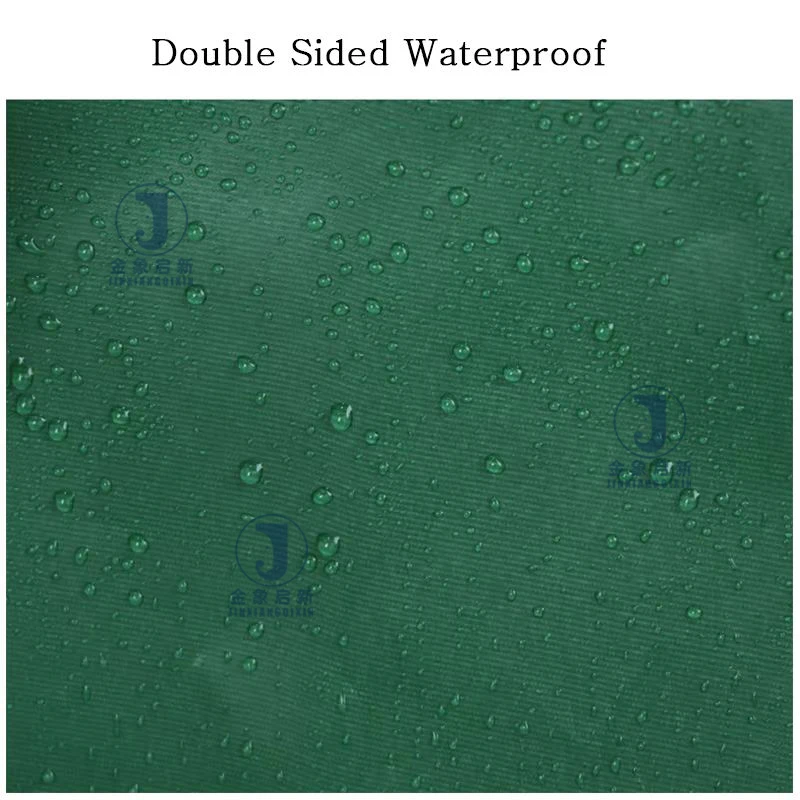
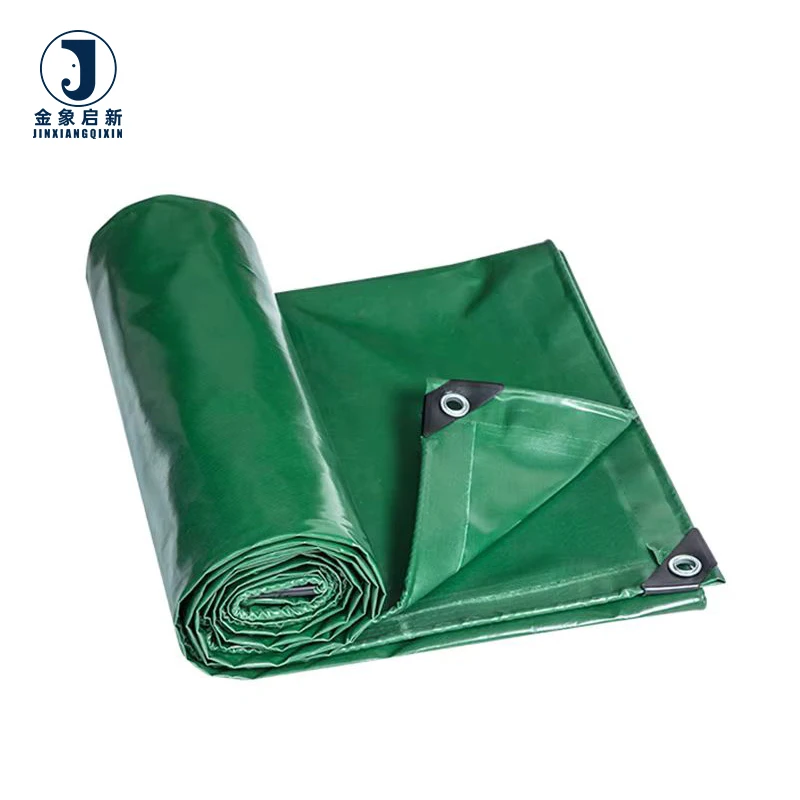
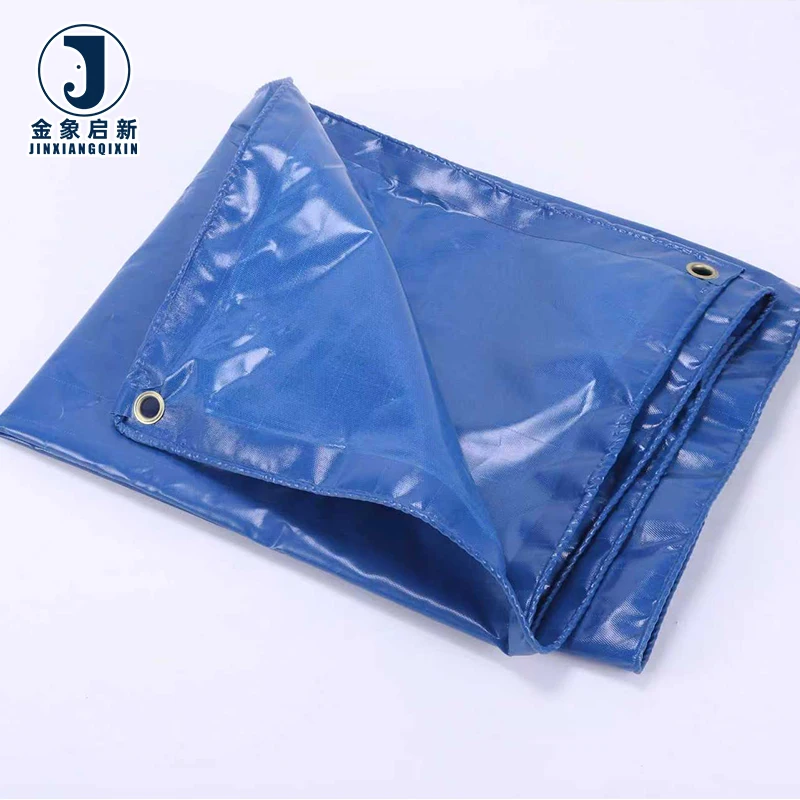
Deep Process Control Over Coating Weight and Adhesion — Nearly 30 years focused on coated fabric production ensures this PVC coated fabric is manufactured with verified GSM and consistent coating adhesion at every roll.
Technical Specifications
| Parameter | Value |
|---|---|
| Product Type | PVC Coated Fabric |
| Coating Material | PVC Vinyl |
| Base Fabric Type | Woven Fabric |
| Weight | At least 450 GSM |
| Waterproof | Yes |
| Key Features | Wear-resistant, tear-resistant |
| Customization Options | Width, length, colour, treatment options available |
| Standards | ISO, CE |
Application Suitability
| Application | Exposure & Requirement |
|---|---|
| Fire-retardant and anti-static ventilation ducts | Underground mining and tunnelling environments requiring certified flame and static performance |
| Inflatable and membrane structure fabric | Temporary and semi-permanent specialist enclosures exposed to weather and tension loads |
| Aviation ground support ducting | Airside operations demanding verified flame retardant and anti-static compliance |
| Industrial equipment covers | Outdoor storage against rain, snow, and weather elements requiring waterproof protection |
| Specialist structure panels | Membrane and tensile structures subject to wind load and sustained fabric tension |
What "Fire Retardant" Means Without a Grade Behind It
PVC coated fabric specified for ventilation ducts and membrane structures must carry a test report mapped to the exact standard your site inspector enforces.
Fabric arrives on a mining or tunnelling site labelled "flame retardant" but without documentation showing which classification it achieved. The inspector asks for B1 per DIN 4102 or M2 certification, and the paperwork does not exist. This delay halts ventilation installation and costs the project days of downtime. Available in flame retardant grades — confirm the grade required for your market before placing an order [NEED_CITE: DIN 4102 fire classification for building materials].
Woven Base Fabric and Dimensional Stability Under Tension
Ventilation ducts and membrane structures place sustained tensile loads on the fabric. The woven base fabric construction in this PVC coated fabric provides dimensional stability that non-woven alternatives cannot match. When the duct is pressurised or the membrane is tensioned, the weave resists elongation and maintains the engineered shape. This stability is critical at seam junctions where panels meet and stress concentrates.
Coating Adhesion and Heat-Welded Seam Integrity
The PVC vinyl coating is applied with process control that governs adhesion to the base fabric. When the fabric is heat-welded to form duct seams or structural panel joints, the coating must bond to itself without delaminating from the woven substrate. Weak adhesion causes the weld to peel under flexing or pressurisation, a failure mode that appears before the fabric itself reaches its mechanical limit [NEED_CITE: tensile and tear test methods for coated fabrics per ISO 1421].
Reading GSM in the Context of Base Fabric Density
Weight at least 450 grams provides a robust substrate, but GSM alone does not determine performance. The denier of the yarns and the weave density of the base fabric govern tensile and tear strength. A heavier coating on a loosely woven base may weigh more yet tear more easily than a lighter coating on a tightly woven substrate. Specifying PVC coated fabric for industrial applications requires examining the full construction, not just the weight figure on the quotation.
The Hidden Cost of Undocumented Certification
PVC coated fabric ordered for underground mining ventilation must meet anti-static requirements to prevent ignition in combustible atmospheres. When the fabric arrives without a surface resistance test report, the site safety officer rejects the shipment. The duct remains uninstalled, the mine ventilation schedule slips, and emergency air freight is arranged for replacement material. Anti-static grades are available with supporting test documentation — specify the surface resistance range your operation requires before production begins [NEED_CITE: anti-static surface resistance standards for mining ventilation ductwork].
Why This Fabric Source Supports Specialist Applications
Nearly 30 years of coating process control means the PVC coating weight and adhesion are governed at every production stage, not left to batch variation. Three full production lines and 36 sets of professional equipment support bulk roll output with reliable on-time delivery for project timelines. A 10-person R&D team handles material selection, custom sizing, and sample development with turnaround within days. Dedicated QA and QC inspect every roll before shipment, catching GSM deviations and coating inconsistencies before dispatch. Full documentation packages travel with each shipment, including test reports, certificates, and customs paperwork.
Documentation & Verification
- Material specification sheet stating base fabric denier, coating weight, and total GSM for independent verification on receipt
- Test report for fire-retardant grade and classification applicable to your project specification
- Anti-static surface resistance test report where underground or aviation compliance is required
- 100% pre-shipment inspection record confirming roll-to-roll consistency across the order
- Certificate of origin and customs documentation package for cross-border project supply
Fabrication, Handling & Storage
- Heat-weld PVC vinyl coating at temperatures matched to the at least 450 GSM substrate to avoid delamination at seam lines
- Store rolls upright on pallets to prevent flat-spotting and permanent creasing of the woven base fabric
- Allow cold-stored rolls to acclimatise before unrolling to avoid coating crack at low temperature
- Use compatible PVC solvent cement for field repairs on coated surface tears and punctures
- Plan panel cutting layout to minimise off-cuts and reduce seam count in membrane and duct fabrication
Preparing Your Specification Enquiry
Provide the ventilation duct diameter, length, and operating pressure so the correct fabric weight and construction can be recommended. Specify which fire-retardant standard your jurisdiction enforces and whether anti-static certification is required for the installation environment. Indicate whether you need rolls for in-house fabrication or finished duct sections with welded seams and flanges. Request samples to verify coating adhesion and weld performance on your own equipment before committing to production volume.
Frequently Asked Questions
Q: Which fire-retardant standard applies to my project and how is it documented?
A: Different jurisdictions enforce different classifications. Common standards include B1 per DIN 4102, M2, and NFPA 701. Confirm which standard your site inspector or regulatory authority requires. The test report supplied with the fabric states the classification achieved and the test method used, allowing direct mapping to your compliance documentation.
Q: How is anti-static performance verified for underground mining ventilation duct?
A: Underground mining and tunnelling operations require fabric with controlled surface resistance to prevent static discharge in combustible atmospheres. Specify the surface resistance range mandated by your mine safety regulations. The anti-static grade is confirmed through testing, and the report accompanies the shipment for site inspection purposes.
Q: How do I verify the stated GSM when rolls arrive at my facility?
A: Weigh a sample of known dimensions cut from the roll and calculate the grams per square metre. Compare this against the material specification sheet supplied with the shipment. Any deviation beyond acceptable tolerance should be reported before fabrication begins, as GSM affects weld parameters and structural load calculations.
Q: What weld temperature and seam construction work best with this PVC coated fabric?
A: Weld temperature depends on coating thickness and the at least 450 GSM substrate weight. Test welds on sample pieces establish the correct temperature and dwell time for your hot-air or wedge welder. Overheating degrades the PVC vinyl; underheating causes incomplete fusion and seam failure under duct pressurisation or membrane tension.