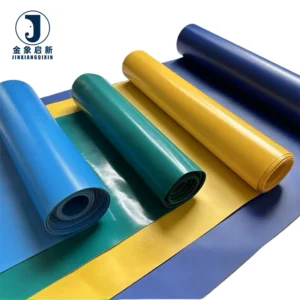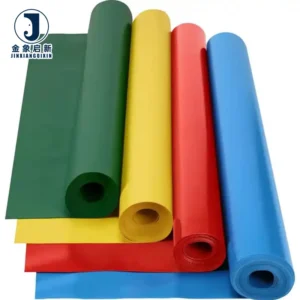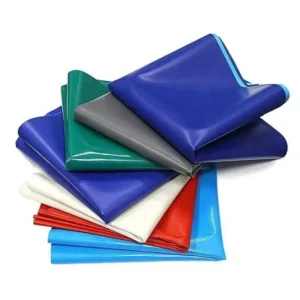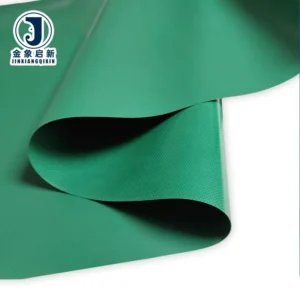

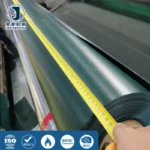
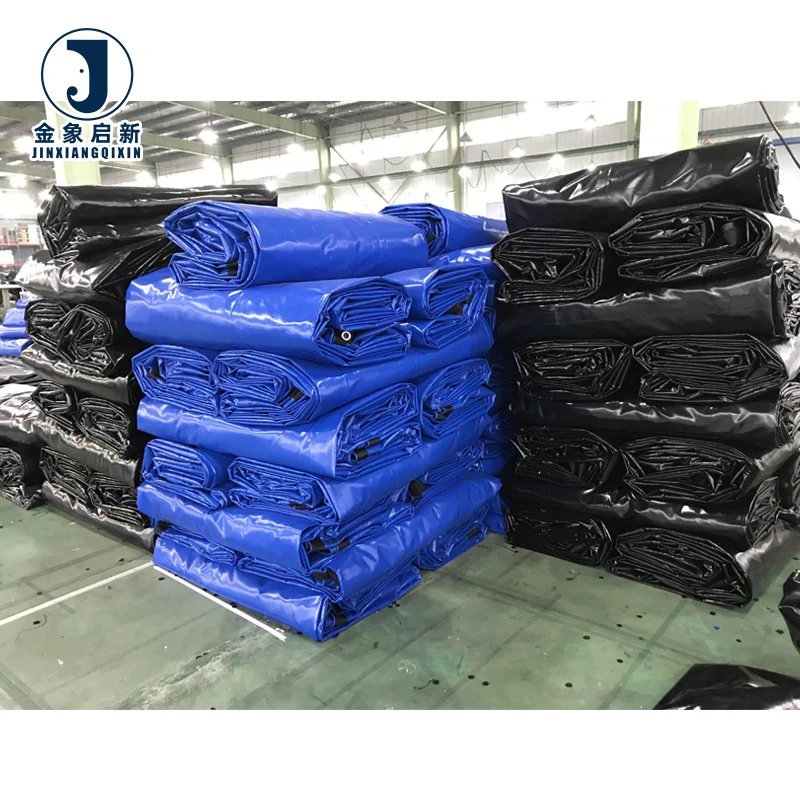
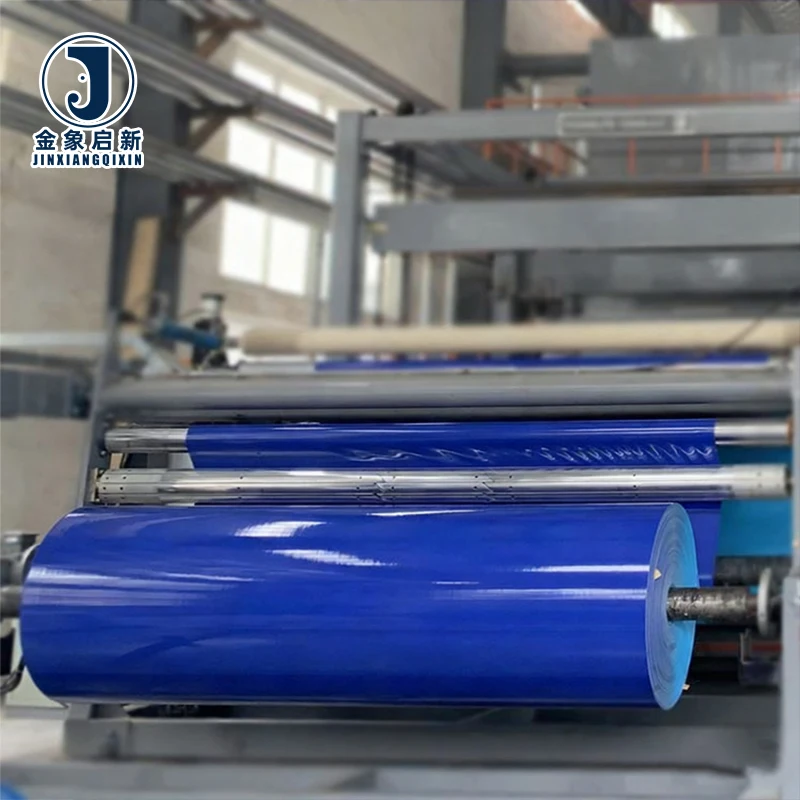
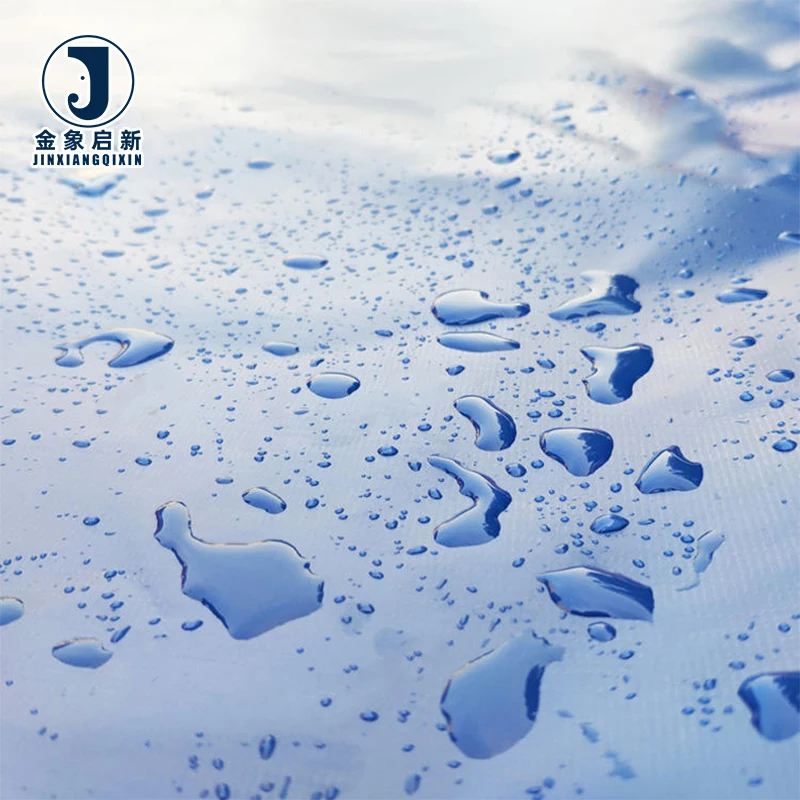
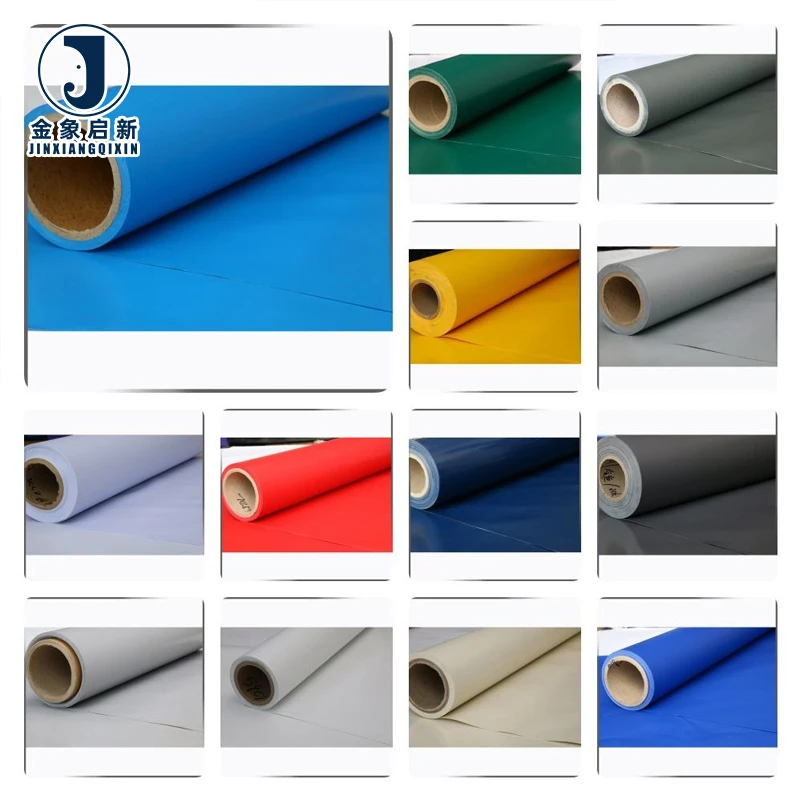
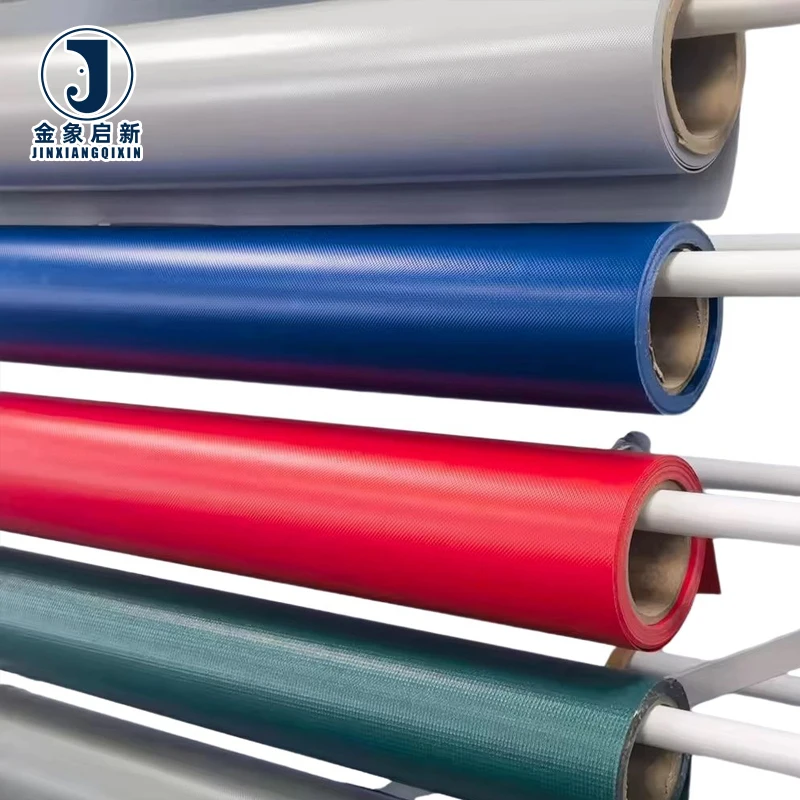
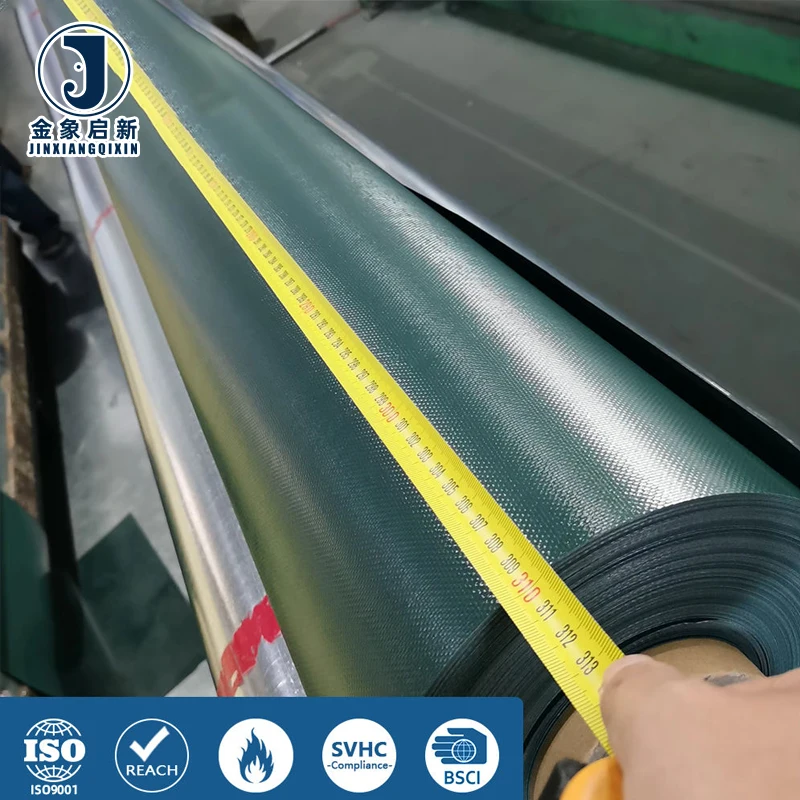
Specialist Fabric Engineering — coating weight controlled to specification across every roll, with test documentation supporting fire retardant and UV claims for membrane and inflatable structure projects.
Technical Specifications
| Parameter | Value |
|---|---|
| Product Type | PVC Coated Tarpaulin Roll |
| Weight | 650 GSM |
| Coating Material | PVC |
| Base Fabric | PVC Coated Polyester Fabric |
| Waterproof Rating | Waterproof (grade not stated in source) |
| Flame Retardant Grade | Fire retardant (grade not stated in source — confirm standard required) |
| UV Treatment | UV resistance (test basis not stated in source) |
| Anti-Mildew | Antibacterial and mildew proof |
| Oil and Stain Resistance | Yes |
| Acid and Alkali Resistance | Yes |
| Temperature Resistance | High temperature and cold resistance (range not stated in source) |
| Anti-Oxidation | Yes |
| Weather Resistance | Yes |
| Flexibility | Highly flexible, resistant to cracking |
| Self-Cleaning | Self-cleaning system |
| Welding Options | HF, Hot Air, Sewing |
| Tensile Strength | Excellent (test standard not stated in source) |
| Tear Strength | Excellent (test standard not stated in source) |
| Peeling Resistance | Excellent (test standard not stated in source) |
| Certifications | ISO, CE |
Application Suitability
| Application | Exposure & Requirement |
|---|---|
| Airport hangar membrane roofs | Continuous UV exposure, wind uplift load, fire code compliance for aviation facilities |
| Stadium architectural fabric | Long-span tensile load, weather cycling, self-cleaning surface for maintenance reduction |
| Portable storage structures | Repeated assembly stress, ground moisture contact, abrasion at frame contact points |
| Inflatable technical textiles | Constant internal pressure, flex fatigue at seam lines, airtight weld integrity |
| Shade systems and shadings | Direct solar exposure, thermal expansion, colour stability over large visible areas |
| Tensile structures | Biaxial tension, point loading at anchor hardware, long-term creep resistance |
Why Fire Retardant Claims Fail at Inspection Without a Test Report Behind Them
Specifying a 650 gsm PVC coated tarpaulin roll for a membrane structure or ventilation installation means the fire safety performance must be verifiable on site. Too often, fabric arrives with a fire retardant claim on the invoice but no test report matching the standard your local building or aviation authority requires — leaving the contractor holding material that cannot be signed off.
Confirm the fire retardant grade your project specification demands — M2, B1, NFPA 701, or DIN 4102 — before placing the order, and request the matching test report with your shipment documentation.
In our experience supplying fabric for aviation hangars and public-assembly tensile roofs, the gap between a supplier’s fire retardant statement and the standard the inspector checks is where projects stall. [NEED_CITE: DIN 4102 fire classification for building materials] The coating formulation and additive package differ between grades, and a roll produced for one market may not meet the classification another market mandates. Verifying alignment before production avoids costly material rejection after the fabric has already been cut and welded on site.
Fire Retardant Alignment Across Aviation and Public-Assembly Codes
Airport hangar membranes and stadium roof fabrics face scrutiny from authorities who reference specific fire classification systems. A 650 gsm PVC coated tarpaulin roll intended for these environments must carry documentation showing which standard was used to evaluate the material. Fire retardant grades available for this fabric cover common international requirements — the exact grade must be confirmed against your project specification before production begins, as additive loading and coating formulation vary between classifications.
Seam Integrity Under Structural Load and Flex Fatigue
Membrane and inflatable structures place sustained tension on every welded seam, and the point where panels join is typically where failure appears first. This fabric supports HF, hot air, and sewing processes, giving fabricators flexibility in choosing the method that matches their equipment and the structural demands of the installation. Peeling resistance between the PVC coating and the polyester base fabric directly determines whether a welded seam holds through years of wind loading and thermal cycling. [NEED_CITE: tensile and tear test methods for coated fabrics per ISO 1421] Specifying the correct welding parameters for the 650 GSM weight ensures the seam reaches full coating fusion without degrading the base fabric.
Reading the Specification Sheet Beyond Stated GSM
GSM alone tells you how much material is present per square metre, but it does not describe how that weight is distributed between base fabric and coating. A 650 GSM construction achieves its tensile and tear performance through the combination of polyester denier, weave density, and PVC coating weight applied to each face. The self-cleaning surface system on this fabric reduces particulate adhesion on large-span roofs where manual washing is impractical, while the anti-oxidation and temperature-resistant treatment extends serviceability across seasonal extremes. High temperature and cold resistance matters particularly for inflatable structures deployed in environments where thermal swings cause repeated expansion and contraction at anchor points. Coating adhesion — measured as peeling resistance — determines whether the protective PVC layer stays bonded to the structural yarns under these conditions.
What Happens When Fabric Specification Does Not Match the Structure’s Demand
Selecting a coated fabric without verifying that the fire retardant grade matches site requirements can result in a failed inspection after installation is complete, forcing removal and replacement of welded panels. Colour variation between rolls in the same order becomes visible once membrane panels are installed side by side on a stadium shade structure, triggering complaints from the client and potential rework. [NEED_CITE: batch colour consistency standards for architectural membrane fabrics] Welded seams that fail before the fabric itself reaches end of life typically trace back to incorrect temperature or speed settings for the specific GSM and coating formulation being joined. Requesting a weld trial sample before committing the full order to production allows the fabricator to dial in machine settings and verify seam peel strength on the actual roll stock that will ship.
How Production Control Supports Technical Fabric Projects
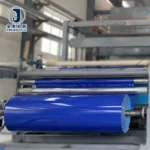
Coating weight consistency from the first roll to the last in an order ensures that tensile behaviour remains predictable across a multi-panel membrane installation. Three full production lines with 36 sets of professional equipment support the volume required for large-scale tensile and inflatable structure projects without sacrificing lead time reliability. [NEED_CITE: PVC coated fabric production quality control methods] A 10-person R&D team handles custom width development and sample preparation within days, allowing contractors to verify material suitability before bulk commitment. Dedicated QA and QC inspection at every production stage, including 100 percent pre-shipment review, catches weight deviation and surface defects before rolls are packed. This process discipline matters most when the fabric is destined for a public-assembly structure where failure carries safety consequences beyond material replacement cost.
Documentation & Verification
- Fire retardant test report matching your specified standard — M2, B1, NFPA 701, or DIN 4102 — included with shipment documentation
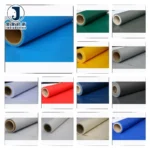
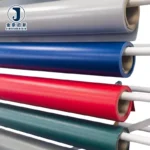
- Material specification sheet stating 650 GSM, base fabric construction, coating weight, and colour reference per roll
- ISO and CE certificates provided to support regulatory submissions for aviation and public-assembly structures
- Pre-shipment inspection record confirming weight, surface quality, and roll-to-roll consistency before dispatch
- UV resistance test documentation available on request to support outdoor exposure claims for stadium and hangar applications
Fabrication, Handling & Storage
- HF and hot air welding parameters must be calibrated to the 650 GSM construction to achieve full coating fusion without base fabric damage
- Sewn seams on this PVC coated polyester fabric should use UV-resistant thread matched to the fire retardant treatment level
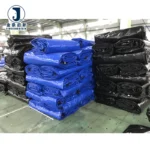
- Store rolls upright on pallets in a dry environment to prevent edge creasing that affects flat-panel membrane cutting accuracy
- Allow cold-stored rolls to reach ambient temperature before unrolling to prevent cracking in the PVC coating layer
- Clean self-cleaning surface membranes with mild detergent only — abrasive cleaners may degrade the anti-oxidation treatment
- Weld trial on actual roll stock recommended before full production to confirm seam peel strength at your machine settings
What to Include in Your Enquiry
Provide the fire retardant standard your project requires, the total square metreage and roll width needed, and whether the fabric will be used for a permanent membrane structure or a temporary inflatable installation. Share any colour specification or custom treatment requirements so that sample development can begin before the bulk order is scheduled. Indicate your target delivery date and whether you need rolls only or finished cut panels with welded hems.
Frequently Asked Questions
Q: Which fire retardant standards can this 650 GSM fabric meet?
A: This fabric is produced with fire retardant treatment, and the specific grade — such as M2, B1, NFPA 701, or DIN 4102 — must be confirmed against your project specification before production. Request the matching test report with your enquiry so we can align the coating formulation to the standard your local authority or aviation regulator requires for membrane and tensile structure approval.
Q: How is UV resistance verified for long-term outdoor membrane exposure?
A: UV resistance treatment is applied during coating, and the test basis should be reviewed against the expected exposure conditions of your stadium or hangar installation. Request the UV test documentation with your order to confirm the evaluation method used. For projects in high-irradiance climates, discuss specific exposure duration requirements with our technical team during the sample approval stage.
Q: What welding methods are compatible with this PVC coated fabric?
A: This 650 GSM fabric supports high-frequency welding, hot air welding, and sewing. The method you choose should match your fabrication equipment and the structural demands of the installation — HF welding typically produces the strongest peel-resistant seams for inflatable and membrane panels. Always run a weld trial on the actual roll stock to confirm temperature and speed settings.
Q: How do you ensure colour consistency across multiple rolls for a single structure?
A: Every roll in an order is produced from the same coating batch, and 100 percent pre-shipment inspection includes visual comparison for colour uniformity. The material specification sheet provided with shipment documentation records the colour reference used. For large membrane projects where panels are installed side by side, we recommend requesting a sample from the production batch for approval before dispatch.
Q: What custom widths and roll lengths are available for structural projects?
A: Custom width and roll length can be developed to match your panel cutting layout and minimise waste on large tensile or inflatable structure projects. Our R&D team prepares samples within days so you can verify dimensions and welding behaviour before committing to bulk production. Minimum order quantities vary by specification — include your total square metreage requirement in the enquiry.