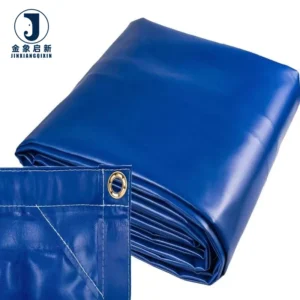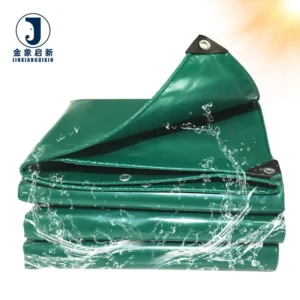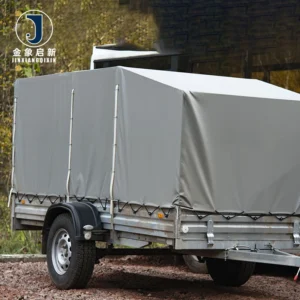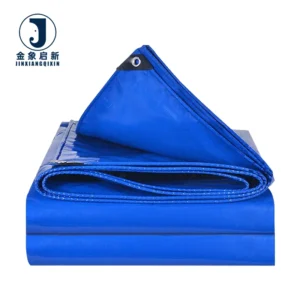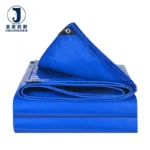
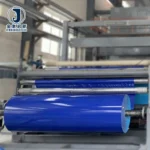
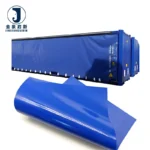
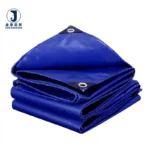
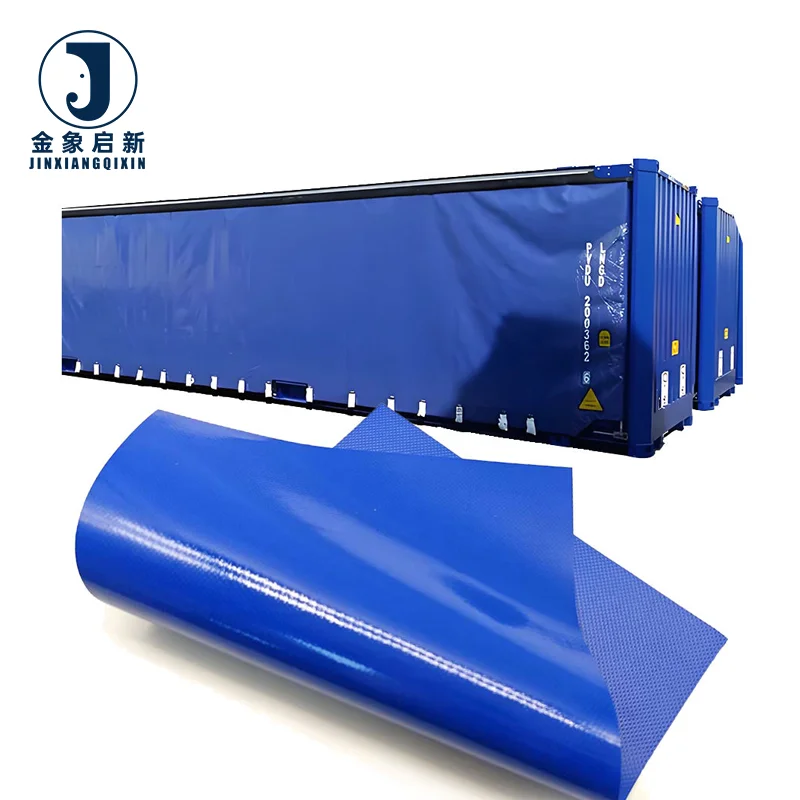
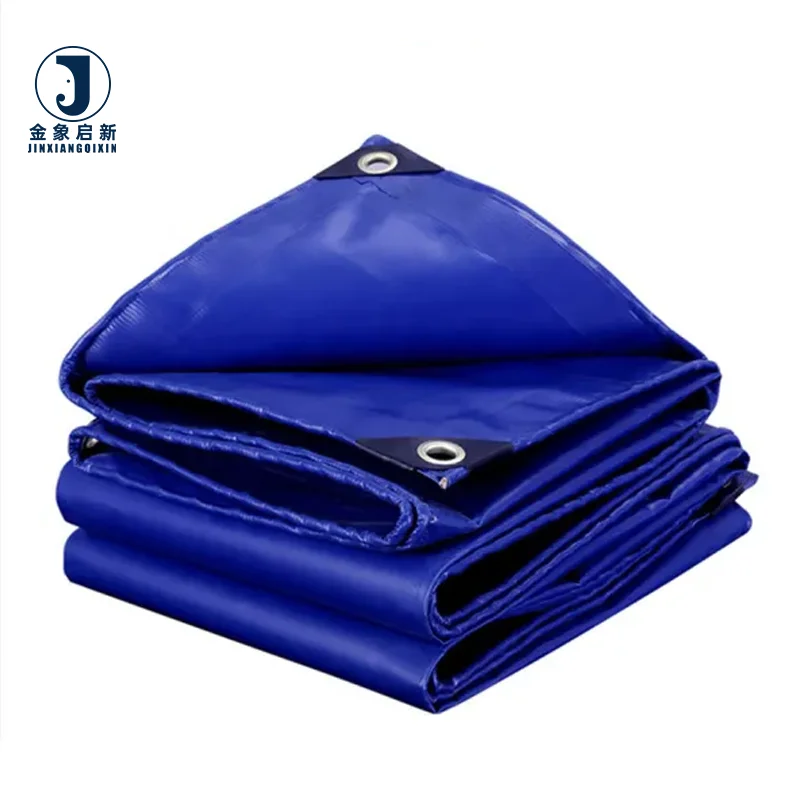
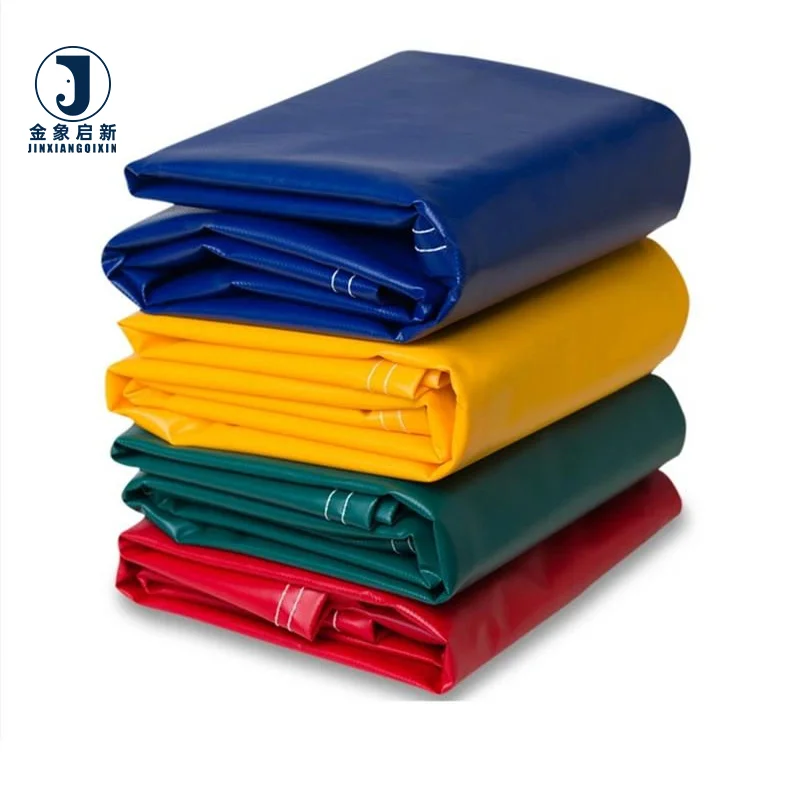
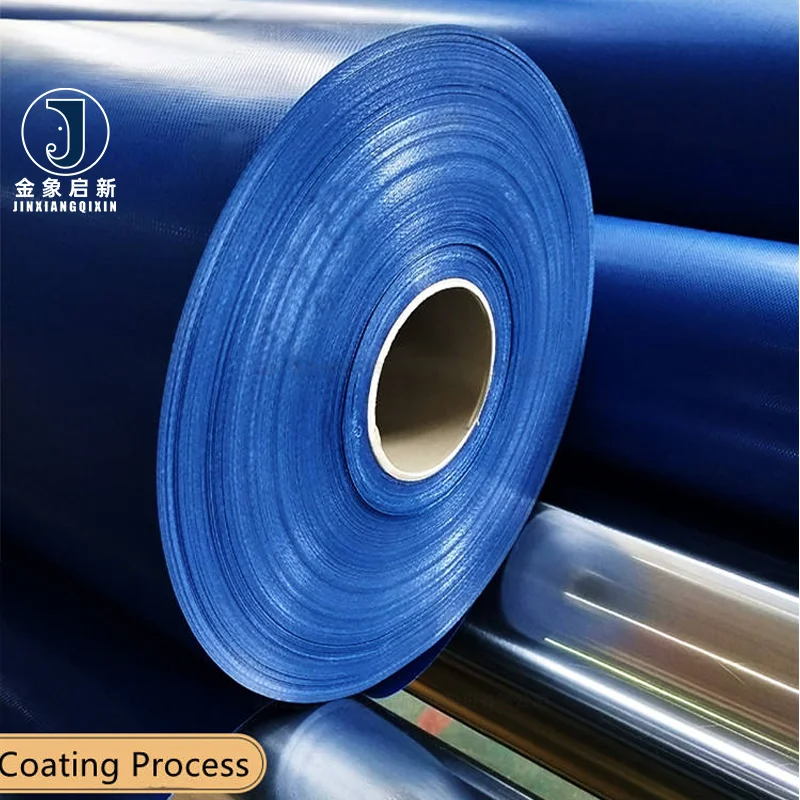
Coating Process Control — nearly 30 years of focused coating expertise delivering verified anti-static PVC coated tarpaulin with documented test results for ventilation and agricultural compliance.
Technical Specifications
| Parameter | Value |
|---|---|
| Product Type | PVC Coated Tarpaulin |
| Material | PVC + High-strength polyester mesh fabric |
| Coating Method | Laminated technology & Hot-melt Coating technology |
| Weight Options | 350gsm / 420gsm / 500gsm / 550gsm / 600gsm / 750gsm |
| Thickness Options | 0.32mm / 0.35mm / 0.4mm / 0.45mm / 0.5mm / 0.65mm |
| Roll Width | 2m / 2.1m |
| Roll Length | 75m (for 2m width) / 50m (for 2.1m width) |
| Surface Finish | Glossy Surface or Matt Surface |
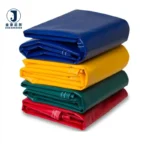
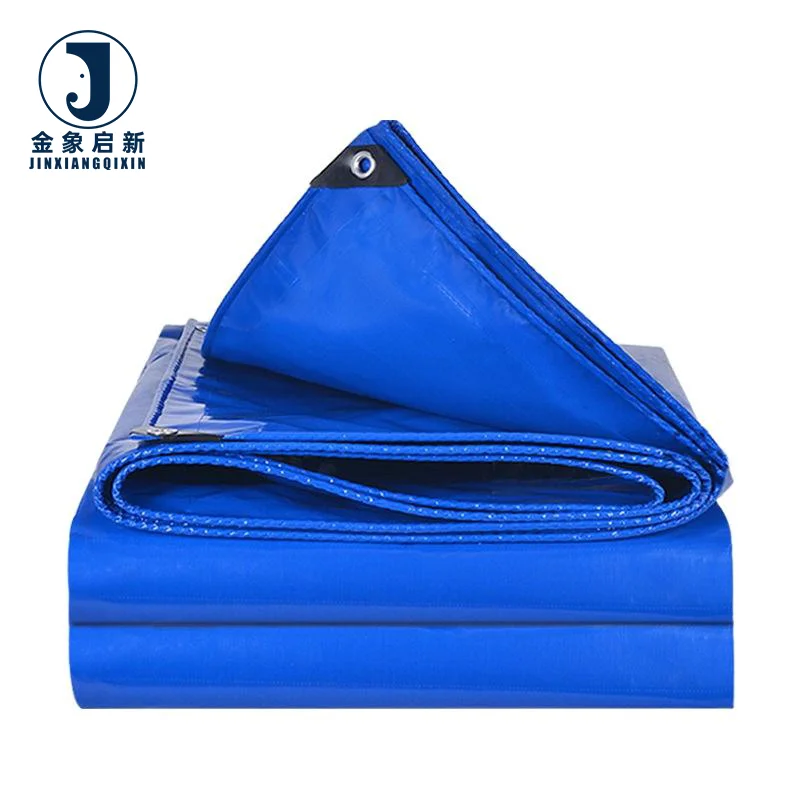
| Color Options | Blue / Red / Yellow / Light blue / Grey (Customized) |
| Anti-Static | Anti-static treatment applied (grade not stated — confirm the grade required for your market) |
| Anti-Mildew | Anti-mildew treatment stated |
| Cold Crack Resistance | Cold crack resistance stated |
| Waterproof | Double-sided fully waterproof coated construction |
| Service Life | Suited to extended use under normal environmental conditions |
Application Suitability
| Application | Exposure & Requirement |
|---|---|
| Poultry house curtains | Constant humidity, dust accumulation, ammonia exposure; requires anti-static surface to prevent dust adhesion and maintain air quality |
| Mine and tunnelling ventilation ducts | Confined airflows, particulate-laden atmospheres, mandatory anti-static compliance for safety certification |
| Industrial enclosure covers | Chemical vapour contact, moisture-laden environments, periodic washdowns; demands chemical and mildew resistance |
| Construction scaffolding wraps | Wind loading, UV exposure, abrasion from scaffolding contact points |
| Refinery and plant maintenance covers | Hydrocarbon atmosphere exposure, requirement for static discharge compliance in classified zones |
What "Anti-Static" Means Without a Test Report Behind It
Anti-static claims are meaningless without documented surface resistance values matched to your site’s compliance standard.
Purchasing a PVC coated tarpaulin with an anti-static designation on the quotation but no test data in the shipping documents is a recurring issue across ventilation and agricultural fabric procurement. Site inspectors reject ductwork or curtain installations when the surface resistance reading does not align with the facility’s safety protocol. The gap between a verbal assurance and a batch-specific test report is where project timelines stall. PVC Coated Tarpaulin anti-static certified supply must include verifiable documentation, not just a label on the invoice. [NEED_CITE: surface resistance testing standards for anti-static coated fabrics]
Coating Technology and Base Fabric Construction
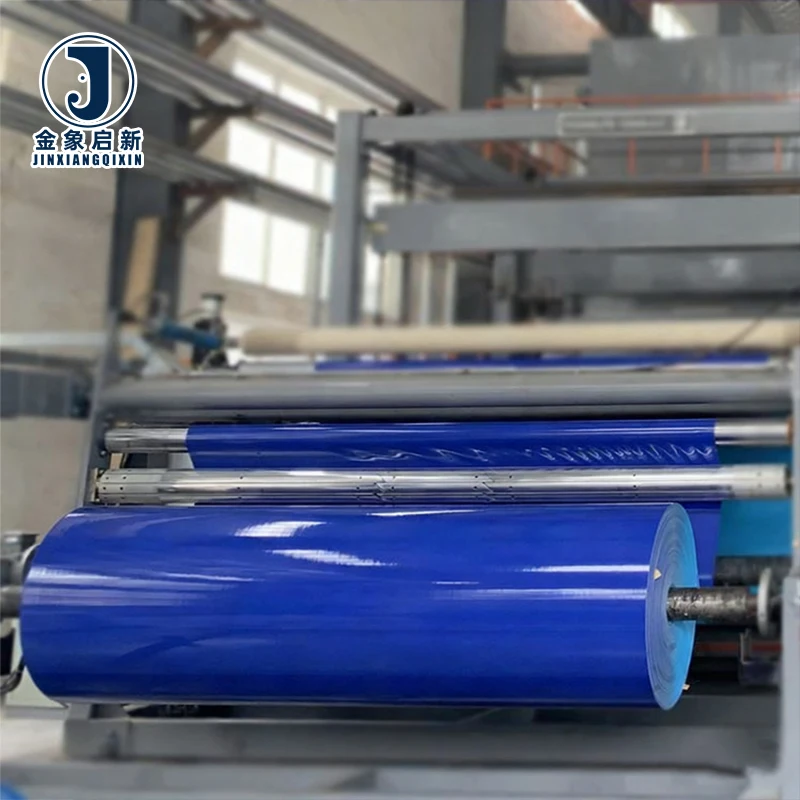
Laminated and hot-melt coating methods create a bond between the PVC layers and the high-strength polyester mesh that resists delamination under flexing and thermal cycling. The PVC Coated Tarpaulin anti-static certified specification uses this dual-method approach to ensure that the anti-static treatment remains functional across the service life of the installed fabric. Coating adhesion directly determines whether the treatment survives repeated cleaning cycles in poultry environments or particulate abrasion in mine ventilation runs.
Anti-Static Compliance in Controlled Environments
Poultry curtains accumulate dust rapidly when static charge builds on the fabric surface, reducing light transmission and complicating environmental control inside the house. In underground ventilation, static discharge poses an ignition risk in methane-bearing atmospheres. The anti-static treatment applied to this PVC Coated Tarpaulin anti-static certified range addresses both scenarios, but the required surface resistance value differs between agricultural and mining applications. Buyers must specify the standard their facility mandates so the correct grade is supplied and documented. [NEED_CITE: anti-static fabric requirements in underground mining ventilation regulations]
Matching GSM, Thickness and Coating Method to the Load
Weight grades from 350gsm to 750gsm correspond to thickness values from 0.32mm to 0.65mm, but GSM alone does not define mechanical performance. Base fabric denier and weave density interact with coating weight to produce the final tensile and tear characteristics. Hot-melt coating penetrates the mesh interstices more thoroughly than lamination, improving peel strength at welded seams. For poultry curtains subjected to daily roll-up cycles, a mid-range grade balances flexibility with durability, while mine ventilation ducts require heavier grades to resist negative pressure collapse and duct vibration fatigue. Surface finish — glossy or matte — influences cleanability in livestock environments and printability for branded industrial covers.
The Cost of Specifying the Wrong Grade
A ventilation duct installed at insufficient GSM will flex beyond its recovery limit under negative pressure, leading to crease cracking and eventual coating separation at the weld line. Selecting a lighter grade for a poultry curtain to reduce material cost results in frequent replacement cycles as the fabric loses dimensional stability after repeated exposure to ammonia and humidity. Batch-to-batch GSM inconsistency across a multi-roll order creates visible thickness variation once panels are hung side by side. Anti-static treatment applied without a corresponding test report forces the buyer to commission independent testing before the installation passes site inspection. [NEED_CITE: tensile and tear test methods for coated fabrics per ISO 1421]
Why Source This Material Here
Three full production lines and 36 sets of professional equipment support volume output with consistent coating weight control across every roll. The 10-person R&D team handles material selection and sample development for specialist anti-static and application-specific requirements, delivering samples within days. Dedicated quality control operates at every production stage with full inspection before dispatch, so GSM, coating adhesion and treatment application are verified before the material leaves the facility. Coating process experience accumulated over nearly three decades of focused production provides the depth of control needed to hold tight specification tolerances. Customisation of width, colour, printing and finished size is managed in-house rather than outsourced to secondary converters.
Documentation & Verification
- Material specification sheet stating exact GSM, base fabric, coating method and anti-static treatment applied
- Anti-static surface resistance test report matched to batch and shipped with the material
- Pre-shipment inspection record confirming coating weight and dimensional accuracy per roll
- ISO and CE certificates included in the documentation package for customs and site audit
- Roll packing list detailing individual roll weights, widths and lengths for intake verification
Fabrication, Handling & Storage
- Hot-melt coated grades respond well to high-frequency welding; confirm dwell time against the chosen GSM before production runs
- Store rolls horizontally on pallets to prevent edge compression marks on the 2m or 2.1m width
- Glossy surface finishes tolerate standard industrial cleaners; test solvent compatibility on matte surfaces first
- Allow cold-stored rolls to reach ambient temperature before unrolling to prevent coating crack at low temperatures
- Plan cutting layouts around standard 75m or 50m roll lengths to minimise transverse welds in long curtain or duct runs
- Reinforce eyelet zones with additional PVC patches when fabricating heavy-grade covers for wind-loaded installations
Before You Enquire
Specify the anti-static surface resistance standard your facility or site requires so the correct treatment grade can be quoted and documented. Confirm whether you need roll stock for in-house fabrication or finished panels cut to size, and provide the required width, colour and GSM range. If the application involves flame-retardant compliance alongside anti-static performance, state the relevant market standard so both treatments can be combined in a single specification.
Frequently Asked Questions
Q: What anti-static standard does your PVC tarpaulin meet, and is the test report included with shipment?
A: Anti-static treatment is applied during production with a surface resistance value measured per batch. The specific standard depends on the end-use environment — poultry, mining and refinery zones each have different thresholds. Provide your required standard at enquiry stage so we can confirm compliance and include the matching test report in your shipping documentation.
Q: How is GSM verified on arrival, and what tolerance do you guarantee against the quoted weight?
A: Every roll undergoes weight verification during pre-shipment inspection, and the recorded GSM is documented in the inspection record shipped with the order. This gives you a reference value to check against your own intake measurement. If a discrepancy appears on arrival, the inspection record provides the traceability needed to resolve it quickly.
Q: Which flame retardant grades are available for poultry and mining ventilation applications?
A: Flame retardant grades are available across the product range, but the required classification depends on your local fire code or site safety specification. State the standard applicable to your project — whether a building material classification or a mining safety regulation — and we will confirm the grade that meets it and provide the supporting test documentation with your shipment.
Q: What is the recommended GSM and thickness for poultry curtains versus mine ventilation ducts?
A: Poultry curtains typically use mid-range grades that balance flexibility for daily roll-up with resistance to humidity and ammonia exposure. Mine ventilation ducts require heavier grades to withstand negative pressure, vibration and particulate abrasion. Share your duct diameter, operating pressure and environmental conditions so we can recommend the GSM and thickness suited to your installation.
Q: How do you handle custom width, colour and certification requirements for specialist applications?
A: Custom widths, colours and printing are produced in-house on our own coating lines, allowing us to control treatment application and documentation as a single process. Provide your target width, colour reference and any certification requirements at the enquiry stage. Samples are developed for approval before full production begins, ensuring the finished material matches your specification.