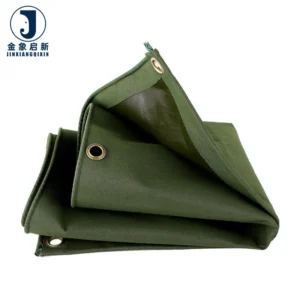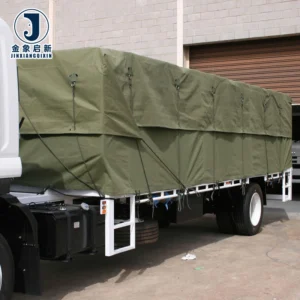
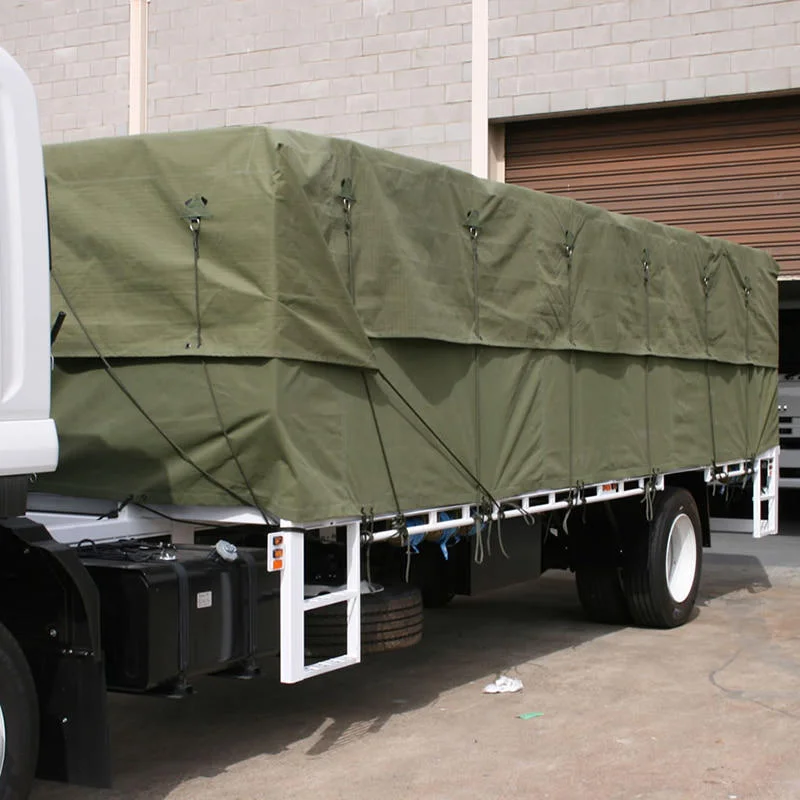
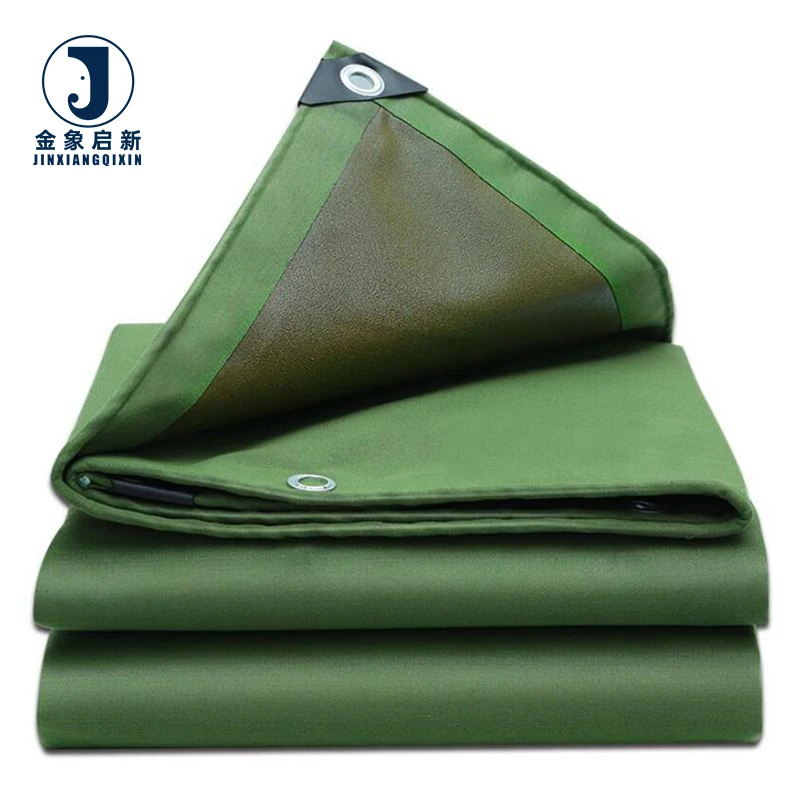
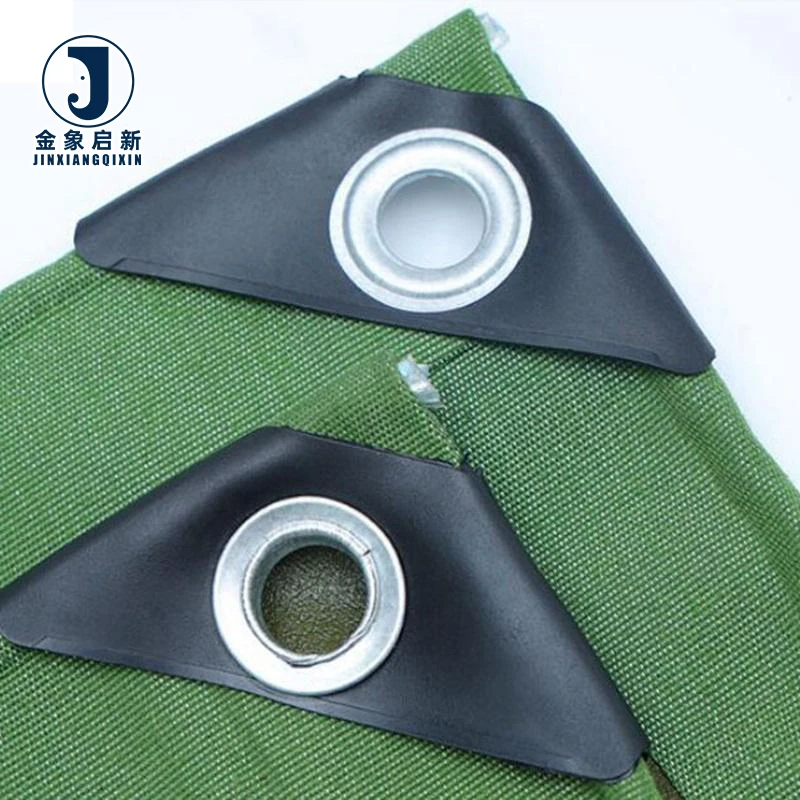
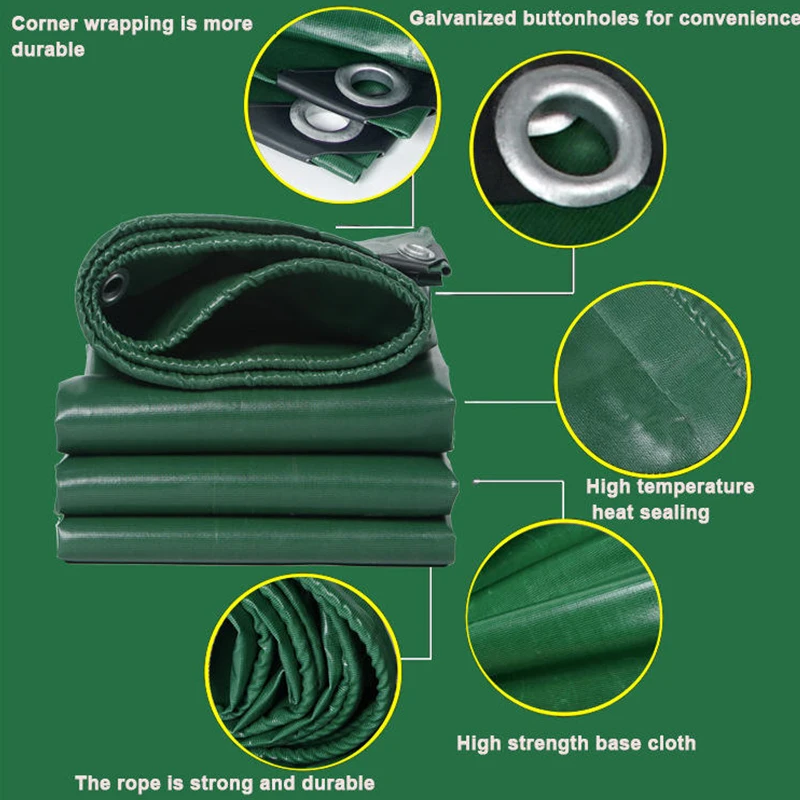
Coating Adhesion Control — three production lines and 36 sets of professional equipment maintain consistent PVC-to-polyester bonding across every roll, verified at every stage before dispatch.
Technical Specifications
| Parameter | Value |
|---|---|
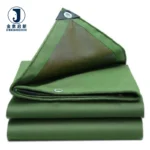
| Product Type | PVC Coated Tarpaulin |
| Base Fabric | High-strength polyester mesh fabric |
| Coating Material | PVC |
| Coating Technology | Laminated technology & Hot-melt Coating technology |
| Weight (GSM) | 350gsm / 420gsm / 500gsm / 550gsm / 600gsm / 750gsm (confirm the grade for your application) |
| Total Thickness | 0.32mm / 0.35mm / 0.4mm / 0.45mm / 0.5mm / 0.65mm (corresponds to selected GSM) |
| Roll Size | 2m × 75m / 2.1m × 50m |
| Finish Product Size | Custom cut-to-size or sold by roll inventory |
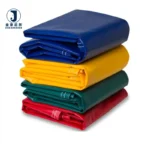
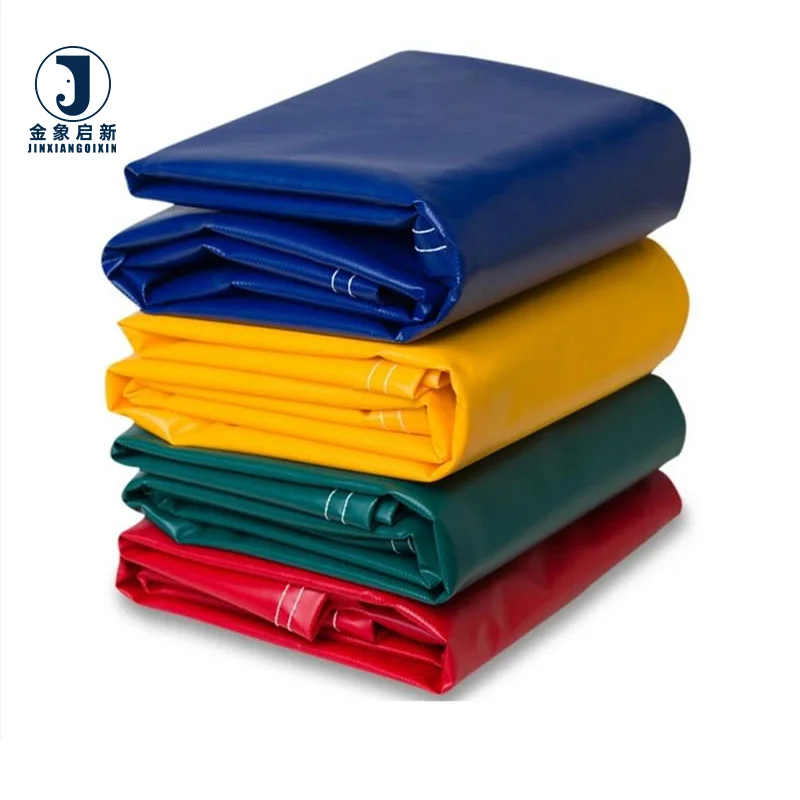
| Colour | Blue / Red / Yellow / Light blue / Grey (custom colours available on request) |
| Key Features | Cold crack resistance, anti-mildew, waterproof, sunproof treatment (test basis not stated), anti-static treatment (standard not stated), outstanding tearing strength for welding |
| Certification | ISO, CE |
Application Suitability
| Application | Exposure & Requirement |
|---|---|
| Mining and tunnelling ventilation duct outer wrapping | Continuous underground moisture, abrasive dust, mandatory anti-static and fire-retardant compliance |
| Aviation ground support ventilation enclosures | Jet blast proximity, fuel vapour exposure, anti-static surface requirement |
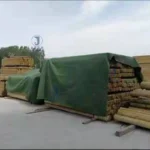
| Temporary construction site enclosures | Wind loading, UV exposure, rain ingress, fire safety inspection on site |
| Membrane and inflatable structure fabric | Tensile stress at inflated panels, welded seam integrity, colour consistency across panels |
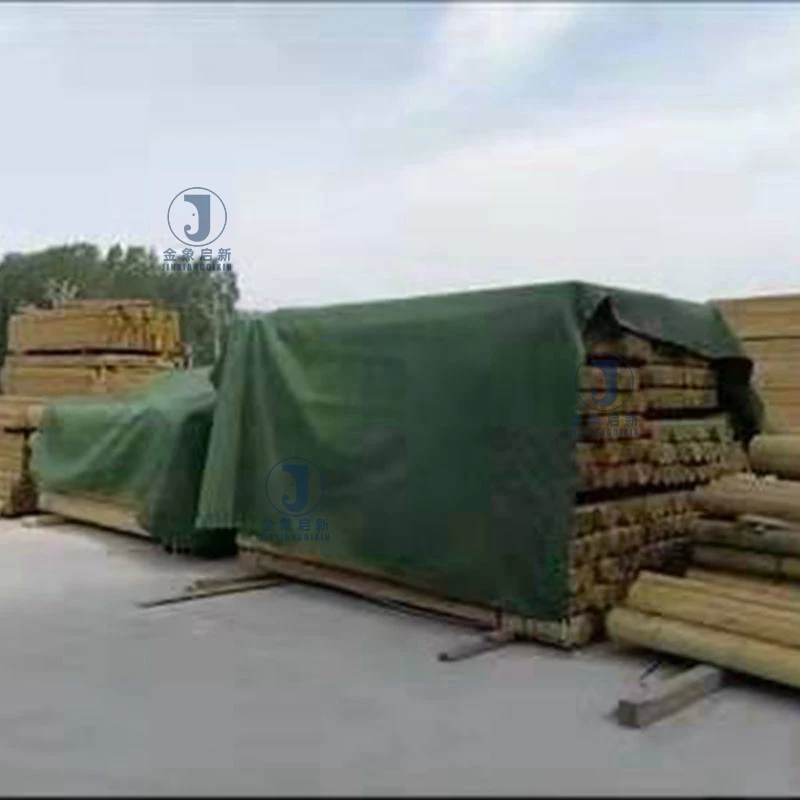
| Industrial equipment and stockpile covers | High-UV environments, thermal cycling, puncture from sharp edges |
Why "Fire-Retardant" Means Nothing Without the Test Report to Back It
Every shipment leaves with the fire-retardant and anti-static documentation the site inspector will ask for — not a claim on a data sheet.
Ventilation duct and specialist structure contractors regularly face a familiar problem: the PVC coated tarpaulin arrives on site labelled as fire-retardant, yet when the safety officer requests the test certificate, the supplier cannot produce one matching the batch delivered [NEED_CITE: fire classification test methods for coated fabrics in ventilation applications]. The material then sits idle while the project team scrambles for alternative documentation or, worse, removes installed fabric for replacement. This is not a material failure — it is a documentation failure that delays projects and triggers re-inspection costs.
When contractors specify PVC coated tarpaulin for mining or aviation ventilation environments, the fire-retardant grade must align with the jurisdiction’s regulatory framework. A grade accepted in one market may not satisfy the inspector in another [NEED_CITE: regional fire safety standards for underground ventilation duct materials]. Jinan Jinxiang supplies the material with test reports that name the standard, the grade achieved, and the batch reference — so the documentation matches the rolls on the pallet.
Anti-Static Treatment for Compliance-Sensitive Ventilation Environments
Mining and aviation ventilation installations operate in atmospheres where static discharge carries real ignition risk. The PVC coated tarpaulin supplied for these applications carries anti-static treatment designed to manage surface charge accumulation across the duct run. The critical point is verification: the treatment must be supported by surface resistance data measured to a recognised standard, not simply stated as a feature line on a quotation.
Request the anti-static test report with your sample so the specification can be validated against your site’s compliance requirements before committing to a production order. Jinan Jinxiang provides this documentation as part of the standard sample development process.
Hot-Melt Coating and Laminated Construction for Weld Integrity
Ventilation duct fabrication depends on welded seams that carry structural load at every flex point along the duct run. The laminated technology and hot-melt coating technology used in this PVC coated tarpaulin produce a bond between the PVC coating and the high-strength polyester mesh base fabric that resists delamination under thermal welding [NEED_CITE: coating adhesion test methods per ISO 1421 for PVC-coated polyester].
This matters because weld failures in duct applications almost never occur in the base fabric itself — they occur where the coating has separated from the yarn under the heat and pressure of the weld bar. Consistent coating adhesion across the roll width means the fabricator can set weld parameters once and maintain them through the entire production run, reducing scrap and rework at the seam.
How Coating Technology and GSM Interact to Determine Real-World Performance
The weight range from 350gsm to 750gsm with corresponding thickness from 0.32mm to 0.65mm reflects different balances of base fabric denier and PVC coating mass. A heavier GSM does not automatically deliver higher tensile strength if that weight comes predominantly from coating rather than from a denser polyester mesh. The hot-melt coating process drives PVC into the mesh structure under heat and pressure, producing deeper penetration and stronger mechanical bonding than laminated methods alone.
For ventilation duct applications where the fabric must withstand continuous inflation pressure and periodic flexing, the combination of base fabric density and coating penetration depth determines how the material behaves at welded seams and tie-off points. Selecting the correct GSM grade means matching the total weight to the structural demands of the duct diameter and operating pressure — not simply choosing the heaviest option available. Thicker grades in the 600gsm to 750gsm range suit large-diameter mine ventilation ducts where abrasion from rock contact is a factor, while lighter grades serve temporary enclosures and smaller-diameter aviation ducts where weight and pack-down volume matter.
The Hidden Cost of Specifying Without Verifying the Grade on Arrival
A contractor orders anti-static PVC coated tarpaulin for a mine ventilation installation, and the rolls arrive on schedule with the correct colour and width. The material goes up, the duct runs, and three weeks later the site safety audit flags that the batch delivered does not carry the anti-static surface resistance value required by the mine’s operating permit. The duct must come down, the material must be replaced, and the project timeline slips by weeks [NEED_CITE: compliance audit failures due to undocumented material treatments in mining ventilation].
This scenario repeats across projects where the quotation states a treatment but the shipment documentation does not include the supporting test result. Colour variation between rolls in the same order presents a different but equally costly problem — visible once panels are installed side by side on a membrane structure or enclosure wall, forcing selective replacement and additional freight. GSM that reads lighter on arrival than the value stated on the quotation means the base fabric is thinner than specified, and the fabricated duct or cover will not meet the tensile requirement the engineer designed for.
Why Specialist Contractors Source This Material Here
Nearly 30 years of focused coated fabric production means the coating weight, adhesion, and treatment application are controlled through process parameters refined over decades — not adjusted by trial on each new order.
Three full production lines and 36 sets of professional equipment provide the capacity to fulfil bulk ventilation duct and enclosure orders within typical multi-week lead times, with consistent roll-to-roll output.
A 10-person R&D team handles material selection, custom sizing, and sample development for compliance-specific applications, producing samples within days so fabricators can validate weld parameters and treatment documentation before committing to volume.
Dedicated QA and QC inspection at every production stage, with 100% inspection before shipment, catches GSM deviation, colour drift, and coating adhesion issues before the rolls leave the facility.
ISO and CE certified production with full documentation support means the paperwork package matches the regulatory expectations of mining, aviation, and construction safety inspectors in export markets.
Documentation & Verification
- Material specification sheet stating exact GSM, base fabric construction, coating method, and thickness for the grade ordered
- Fire-retardant or anti-static test report matching the production batch delivered, naming the standard and grade achieved
- ISO and CE certificates included in the shipment documentation package for site inspector review
- Pre-shipment inspection record confirming GSM, colour consistency, and coating adhesion verified roll by roll
- Roll packing list with individual roll weights and dimensions for receiving verification against the purchase order
Fabrication, Handling & Storage
- Set hot-air weld temperature and speed based on the selected GSM and thickness — heavier grades require higher heat input for full coating fusion at the seam
- Store rolls upright on end caps in a dry, shaded area to prevent flat-spot deformation on the PVC coating surface
- Allow cold-stored rolls to reach ambient temperature before unrolling to avoid cracking the PVC coating at low flex points
- Use a compatible PVC-based repair adhesive for field patching, matching the hot-melt coating chemistry for bond integrity
- Plan panel cutting layout to minimise cross-machine-direction seams, which carry less tear resistance than machine-direction welds
- Clean the PVC surface with mild detergent only — solvent-based cleaners can degrade the anti-static treatment layer
What to Include in Your Enquiry
Provide the ventilation duct diameter, operating pressure, and the fire-retardant or anti-static standard your jurisdiction requires so the correct GSM grade and treatment can be specified from the outset. State whether you need roll stock for your own fabrication line or finished cut-to-size panels, and include the target colour reference and total linear metre requirement to confirm lead time and production scheduling.
Frequently Asked Questions
Q: What fire-retardant grades are available and which test reports accompany shipment?
A: Fire-retardant grades are available — confirm the specific standard required for your market, such as B1, M2, or NFPA 701, and the matching test report will be supplied with the shipment. The report names the standard, the grade achieved, and the batch reference so it can be traced to the rolls delivered.
Q: How is anti-static performance verified and what data do you provide?
A: Anti-static treatment is available for this PVC coated tarpaulin range. Request the surface resistance test data during the sample stage so you can validate performance against your site’s compliance standard before placing a volume order. Documentation is batch-specific and included with every shipment.
Q: How do you ensure GSM and coating weight match the specification on arrival?
A: Every roll undergoes GSM verification during the 100% pre-shipment inspection, and the recorded value is documented in the inspection record supplied with your shipment. This means the weight you receive matches the weight you ordered, with evidence to confirm it.
Q: Can you supply material that meets mine ventilation duct compliance in our jurisdiction?
A: Compliance depends on the specific fire-retardant and anti-static standards enforced in your mining region. Provide your regulatory requirements with your enquiry, and the R&D team will confirm material suitability and supply the matching test documentation with production samples for approval.
Q: What is the lead time for custom width, colour, or treatment grade orders?
A: Custom orders involving specific width, colour matching, or fire-retardant and anti-static treatment grades carry typical multi-week lead times depending on volume and production scheduling. Request a quotation with your specification to confirm the timeline for your order quantity.