

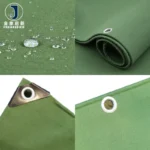
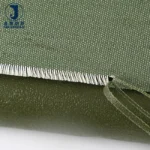

Specification Integrity — Every roll of Canvas Tarpaulin produced is backed by a pre-shipment inspection record confirming the 600gsm weight and coating adhesion before it leaves the facility.
Technical Specifications
| Parameter | Value |
|---|---|
| Product Type | Canvas Tarpaulin |
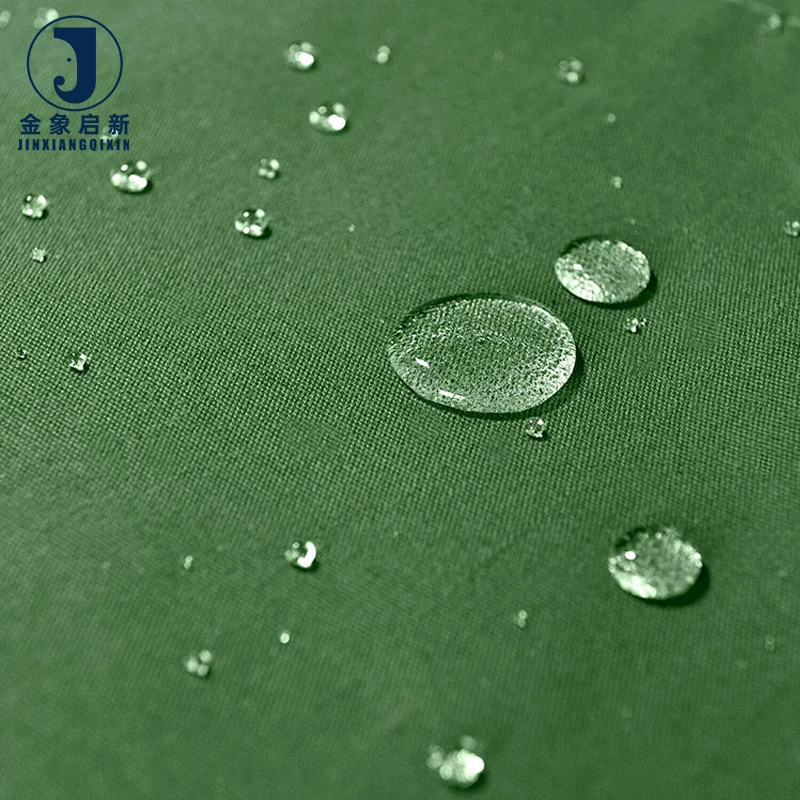
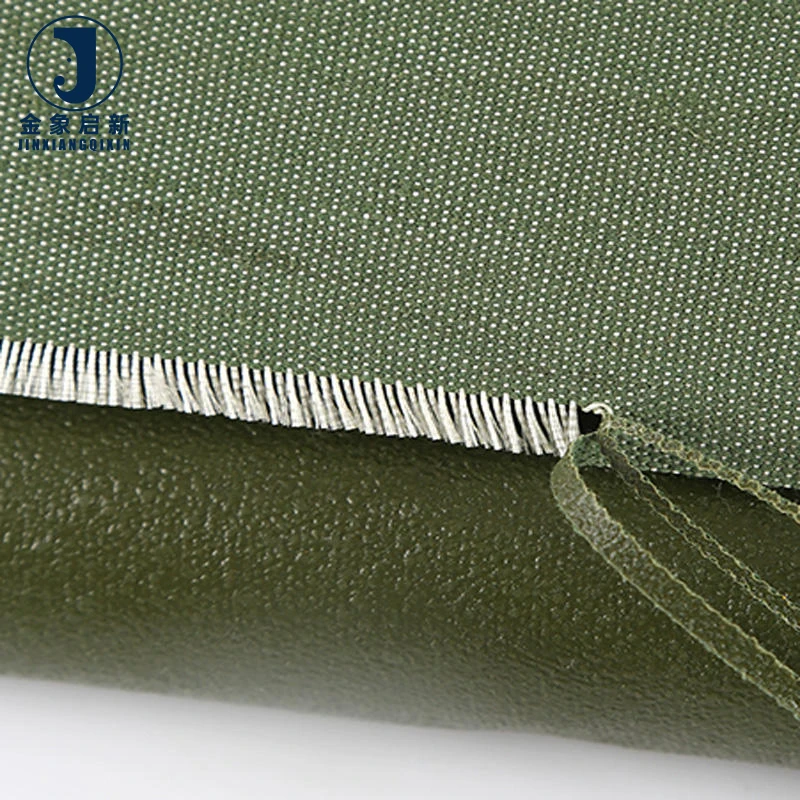
| Material | Polyester cotton industrial textile, 8-12 strands of fine cotton yarn |
| Weight | 600gsm |
| Total Thickness | 0.5mm / 0.6mm / 0.7mm |
| Roll Width | 2m |
| Roll Length | 100m |
| Color | Army Green Camouflage / Custom |
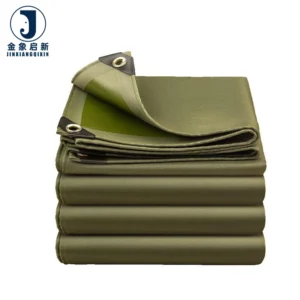
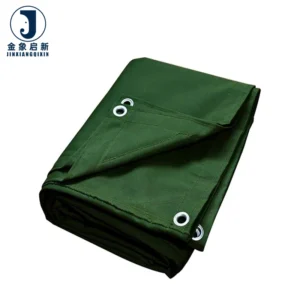
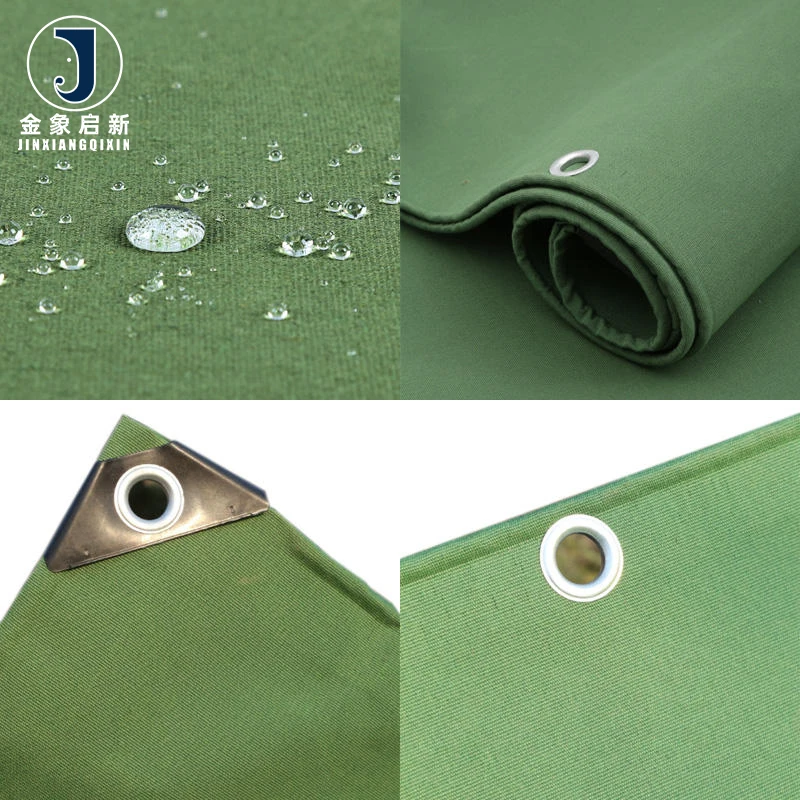
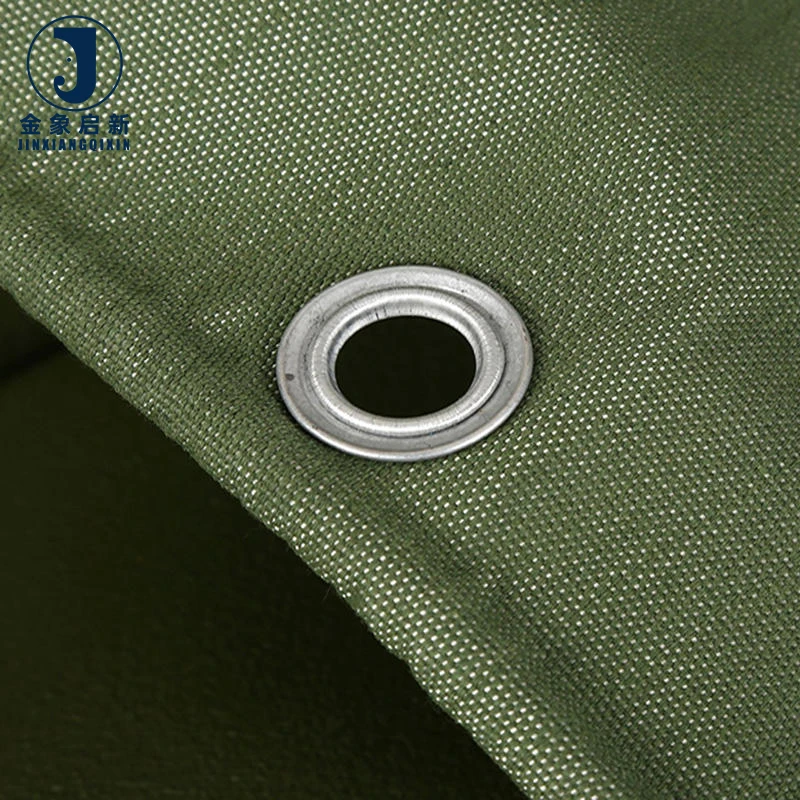
| Eyelet & Hem | Rust-proof aluminum holes every 1 meter at corners and hem; folding and seams welded and sewn with poly ropes |
| Key Features | Wear-resistant, corrosion-resistant, tensile-resistant, high- and low-temperature resistant |
| Waterproof Rating | Waterproof (test basis not stated in source) |
| UV Treatment | UV resistant (test basis not stated in source) |
| Anti-Mildew | Mold resistant (test basis not stated in source) |
| Standards | CE, ISO |
Application Suitability
| Application | Exposure & Requirement |
|---|---|
| Ventilation duct for mining and tunnelling | Continuous airflow abrasion, fire-retardant compliance, anti-static requirement, confined-space certification |
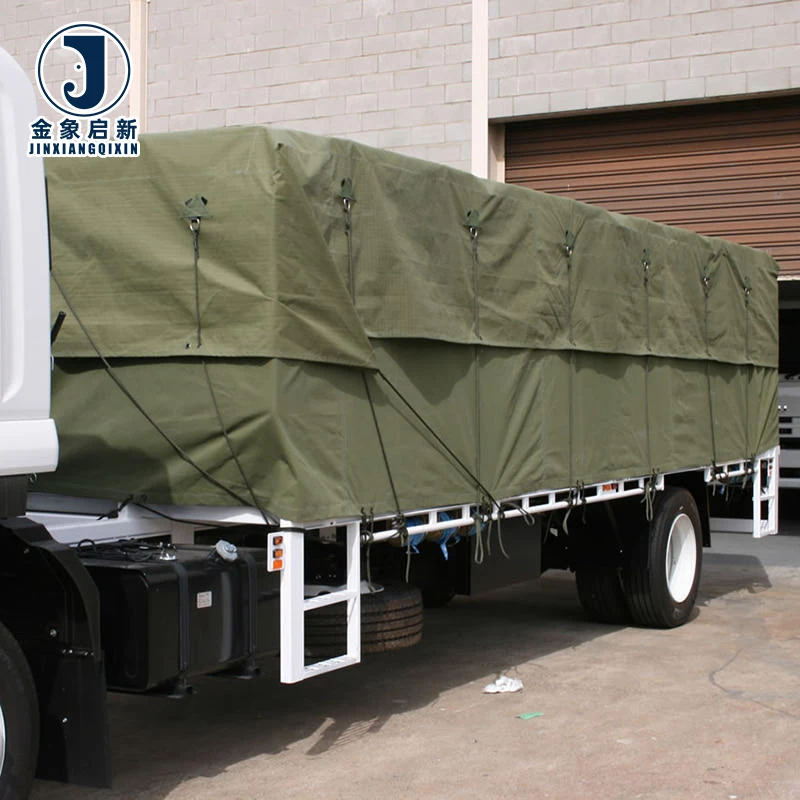
| Asphalt truck cover | High-temperature aggregate contact, constant flexing during transit, road debris impact, UV exposure |
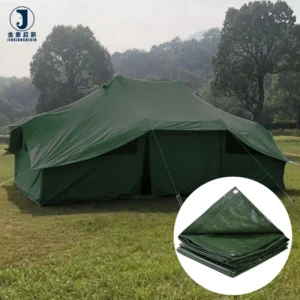
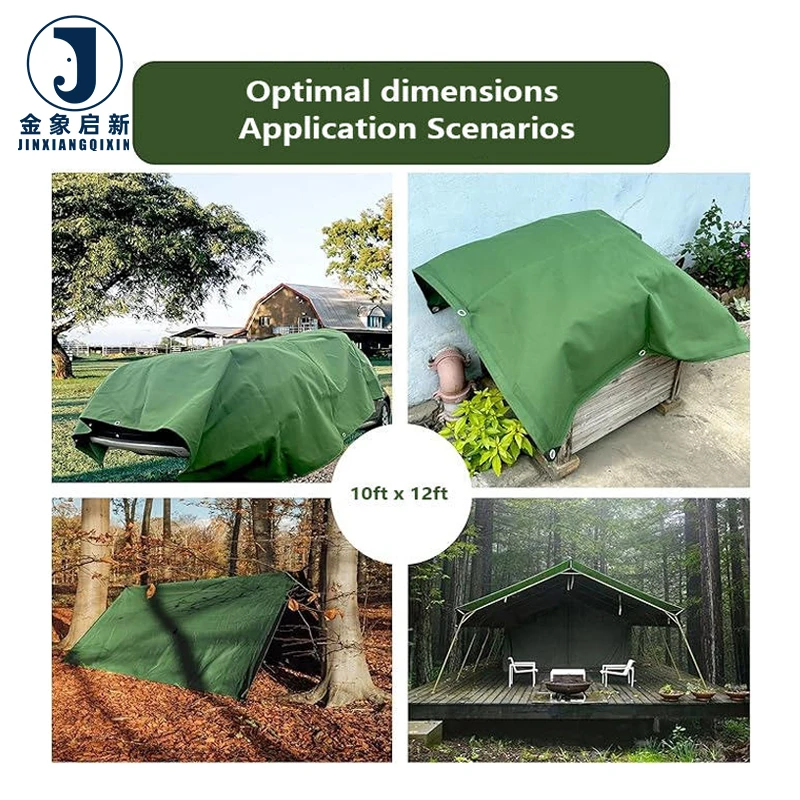
| Construction site equipment cover | Prolonged outdoor weathering, wind-driven rain, puncture from sharp edges, tie-down stress at eyelets |
| Inflatable and membrane structure fabric | Sustained internal air pressure, seam integrity under tension, UV degradation over extended deployment |
Why the Right Canvas Tarpaulin Specification Prevents Site Rejection
Compliance documentation must arrive with the fabric, not weeks after the shipment clears customs.
Ventilation duct and specialist cover contractors face a recurring problem: the canvas tarpaulin arrives on site, the inspector asks for fire-retardant or anti-static certification, and the supplier scrambles to produce a generic datasheet that does not match the material actually delivered. Mining and tunnelling operations enforce strict compliance gatekeeping, and a missing certificate can shut down an entire ventilation installation [NEED_CITE: fire safety compliance requirements for underground ventilation ductwork]. The cost of that delay extends far beyond the fabric itself — it includes idle crews, rescheduled inspections, and contract penalties that dwarf the material invoice.
Coating Consistency Across the Full 100m Roll Length
Maintaining a uniform 600gsm coating weight across a 2m by 100m roll demands precise tension control and coating-head calibration. When the coating thins at the edges or varies mid-roll, the canvas tarpaulin develops weak zones that fail under sustained wind load or mechanical stress. Our production lines run continuous QA sampling at intervals through every roll, checking both coating weight and adhesion to the polyester-cotton base fabric before the roll proceeds to finishing.
Welded and Sewn Hems at Critical Stress Zones
The junction where eyelets meet the hem is where most field failures originate. A grommet pulled through a single-layer hem under wind gust loading renders the entire cover useless. This Canvas Tarpaulin addresses that failure mode with folding and seams that are both welded and sewn with poly rope reinforcement, distributing tie-down load across a broader fabric area rather than concentrating it at individual puncture points [NEED_CITE: coated fabric seam strength testing per ISO standards].
Reading the Spec Sheet Beyond the Weight Number
The 600gsm weight of this canvas tarpaulin reflects the combined mass of the polyester-cotton base fabric and its coating, but weight alone does not predict field performance. The 8-12 strand fine cotton yarn construction determines the base fabric’s tensile and tear resistance — a denser weave pattern resists tear propagation more effectively than a loose weave at the same weight. The available thickness options of 0.5mm, 0.6mm, and 0.7mm allow selection based on the mechanical stress environment: thinner gauges for applications requiring flexibility and drapability, thicker gauges for high-abrasion contact surfaces like asphalt truck beds. The silicone canvas coating provides the waterproof barrier and contributes to the stated mold and UV resistant properties, though the specific test basis for these treatments should be confirmed for your project’s compliance requirements.
The Hidden Cost of Specifying on Price per Kilogram Alone
When procurement decisions rest primarily on unit cost, suppliers compensate by reducing coating weight while maintaining the stated base fabric specification — the roll arrives at the quoted 600gsm but with a thinner coating layer and compromised waterproof integrity. Welded seams on under-coated fabric delaminate under flex stress because the coating fails to bond adequately to the base yarn. Colour variation between rolls in the same order becomes visible once panels are installed side by side on a structure or truck fleet, forcing selective replacement or full re-order [NEED_CITE: batch-to-batch colour consistency in coated fabric manufacturing]. These downstream costs routinely exceed the initial material savings.
Sourcing Directly from a Coated Fabric Specialist
Production depth matters when your application demands compliance documentation and batch traceability. Our three full production lines and 36 sets of professional equipment support the volume requirements of bulk roll orders while maintaining lot-level quality records. The 10-person R&D team handles material selection and sample development for custom widths, colours, and treatment combinations specific to your project. Every roll undergoes 100% pre-shipment inspection against the agreed specification before dispatch. Custom samples are developed within days, allowing you to verify fit, colour, and treatment performance before committing to a production run. ISO and CE certified processes underpin the entire manufacturing sequence from base fabric intake to final roll packing.
Documentation & Verification
- Material specification sheet confirming 600gsm weight, polyester-cotton base fabric, and coating type for pre-approval
- Test reports for UV resistant and mold resistant treatments provided where applicable to your market
- Pre-shipment inspection record verifying GSM and roll dimensions against the purchase order
- Certificate of origin and customs documentation package for cross-border shipment clearance
- ISO and CE certificates covering the manufacturing process and quality management system
Fabrication, Handling & Storage
- Heat welding parameters must be adjusted for the 0.5mm to 0.7mm thickness range to ensure full coating fusion at seams
- Poly rope reinforcement in sewn hems distributes load away from individual aluminum eyelet puncture points
- Store rolls upright on end-caps to prevent flat-spot deformation of the 2m wide coating surface
- Allow cold-stored rolls to reach ambient temperature before unrolling to avoid coating micro-cracking
- Use the 100m roll length to plan cut patterns that minimize off-cuts and cross-seam joins on large covers
Requesting a Specification Match for Your Project
To ensure the Canvas Tarpaulin meets your site or fabrication requirements, provide the intended application and environmental exposure conditions, any fire-retardant or anti-static certification your local regulations demand, and the required roll width or finished dimensions. If your project involves multiple panels installed adjacent to each other, specify your colour consistency expectations so we can plan production from matched dye lots.
Frequently Asked Questions
Q: How is the 600gsm weight verified on arrival — do you provide a pre-shipment inspection record?
A: Every roll is weighed and measured during our 100% pre-shipment inspection before dispatch. The inspection record confirming actual GSM, roll width, and length accompanies the shipment documentation, so your receiving team can verify the specification matches the purchase order without waiting for a separate lab test.
Q: What fire-retardant or anti-static certifications are available for mining and tunnelling site compliance?
A: Available flame retardant and anti-static grades depend on the coating formulation selected for your order. Specify the compliance standard required by your site authority, and our R&D team will confirm which treatment option meets that requirement and provide the corresponding test report with your documentation package.
Q: Can the canvas tarpaulin be supplied in custom widths and cut sizes to fit specific equipment or duct dimensions?
A: Standard rolls are 2m wide by 100m long, but custom widths and finished cut sizes are available based on your project drawings. Our 10-person R&D team develops samples within days so you can verify dimensional accuracy and seam placement before the full production run begins.
Q: How do you control colour consistency across rolls in a bulk order for side-by-side installation?
A: Production for a single order is scheduled from matched base fabric and coating batches to minimize lot-to-lot colour variation. If your installation places panels adjacent to each other, flag this requirement during the inquiry stage so we can plan dye lot allocation and include colour reference samples with your shipment.
Q: What is the recommended seam and welding method for fabricating ventilation ducts or inflatable structures from this canvas?
A: The welded-and-sewn construction with poly rope reinforcement used on our hems provides a reference method for duct and structure fabrication. Specific heat welding temperature, dwell time, and pressure settings depend on the thickness option selected — 0.5mm, 0.6mm, or 0.7mm — and our technical team can provide recommended parameters with your material order.