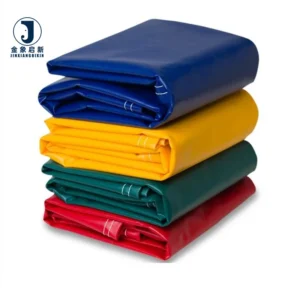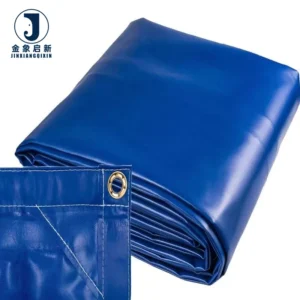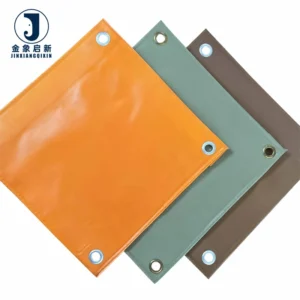
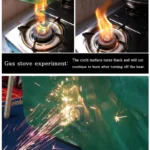
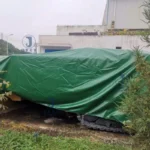
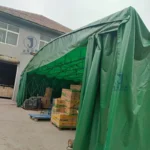

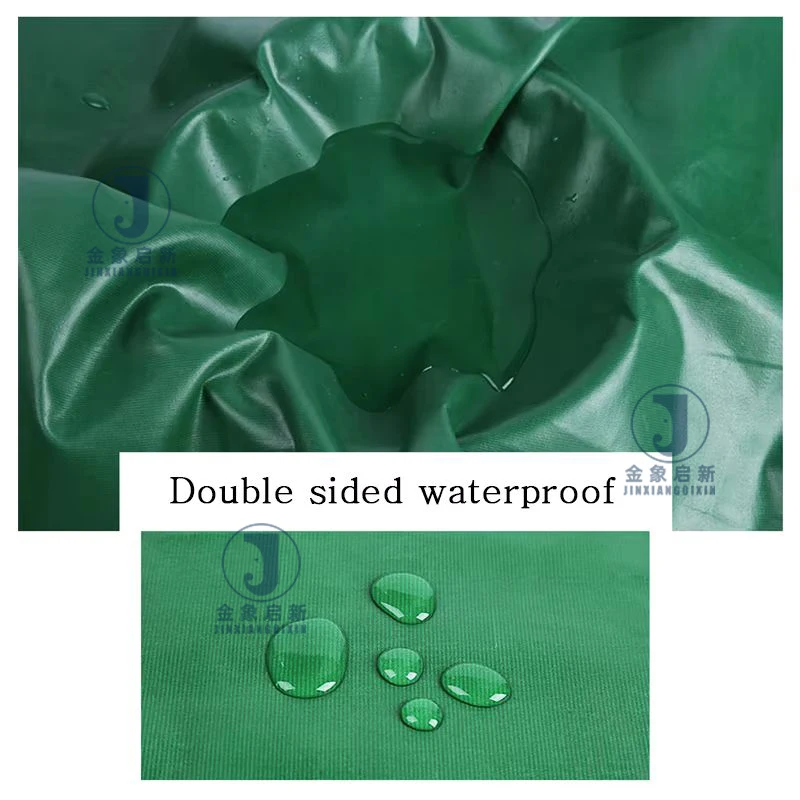
Process-Controlled Coating Weight — Nearly 30 years of knife coating process control ensures consistent GSM and adhesion across every roll of industrial ventilation fabric we produce.
Technical Specifications
| Parameter | Value |
|---|---|
| Product Type | PVC Coated Fabric |
| Material | PVC Vinyl |
| Base Fabric | Woven Fabric |
| Weight | At least 450 g/m² |
| Coating Method | Knife Coated |
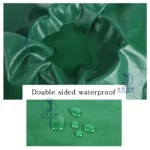
| Waterproof Rating | Fully waterproof |
| UV Treatment | Anti-UV (test basis not stated — confirm grade for your market) |
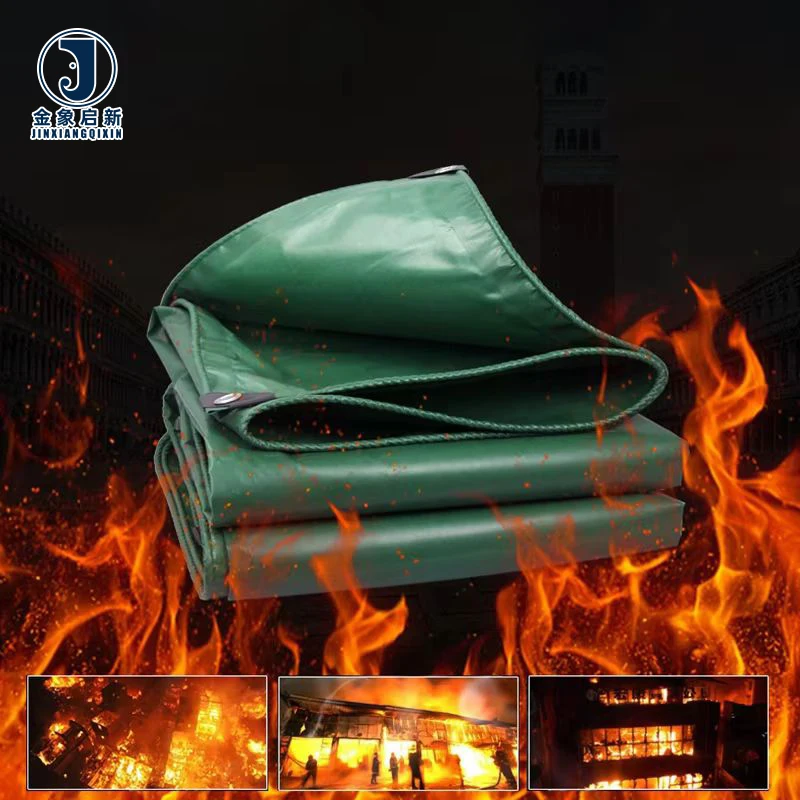
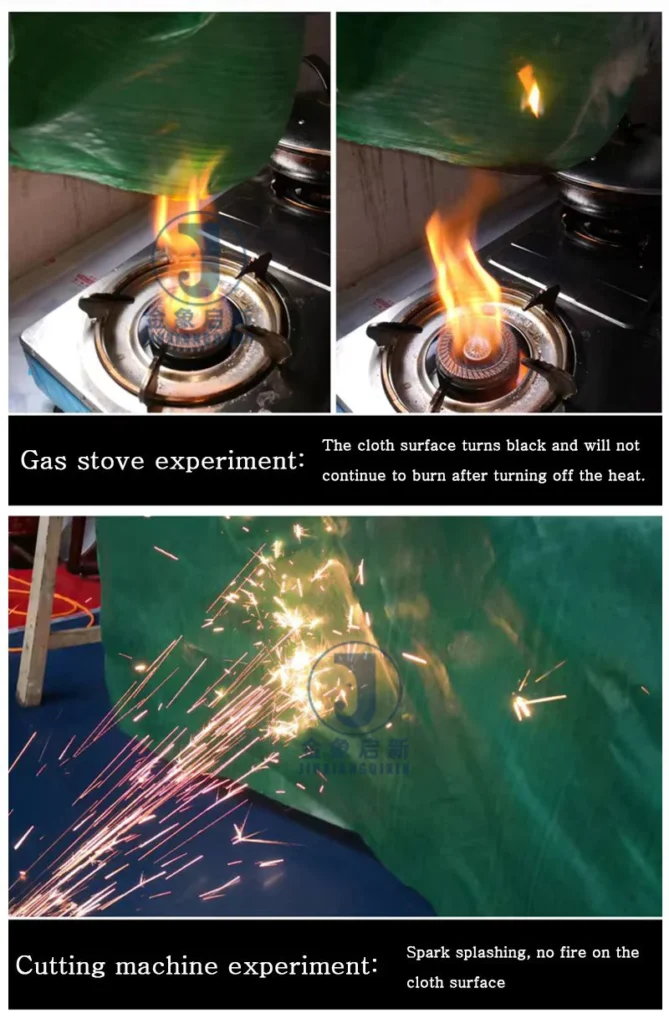
| Flame Retardant | Flame-retardant options available — confirm the grade required for your market |
| Finish Options | Glossy or matte finish |
| Colour Options | Single or double side colour, custom colours available |
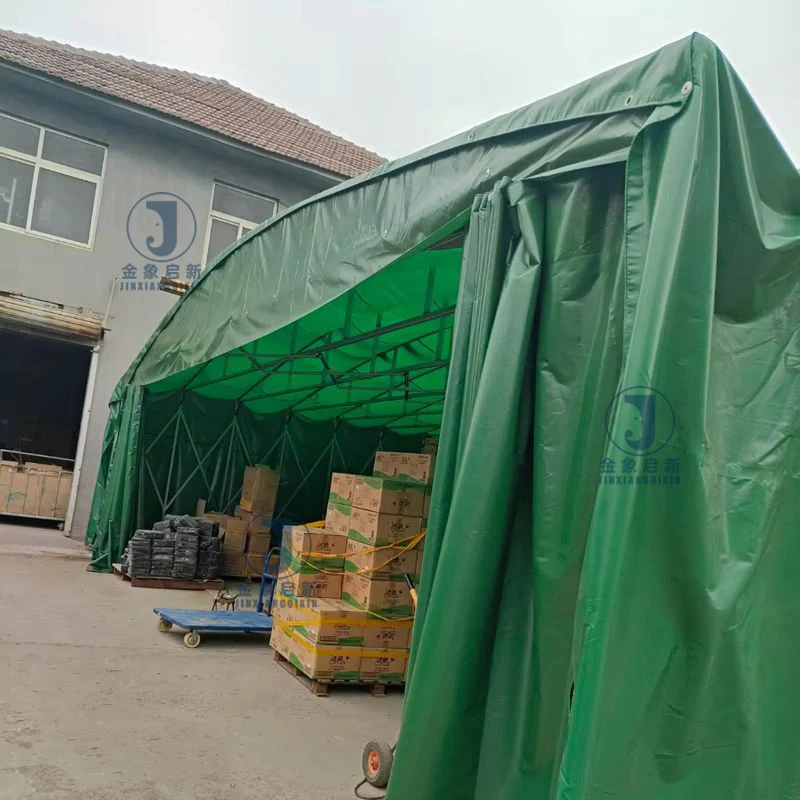
| Customisation | Custom width, length, eyelets, reinforced hems, pattern printing |
| Standards | ISO, CE |
Application Suitability
| Application | Exposure & Requirement |
|---|---|
| Mining ventilation duct | Underground airflow pressure, fire-retardant compliance, anti-static surface requirement |
| Tunnelling air distribution | Continuous flex under positive pressure, moisture, abrasive dust |
| Aviation ground support ducting | Regulatory fire classification, repeated deployment and packing |
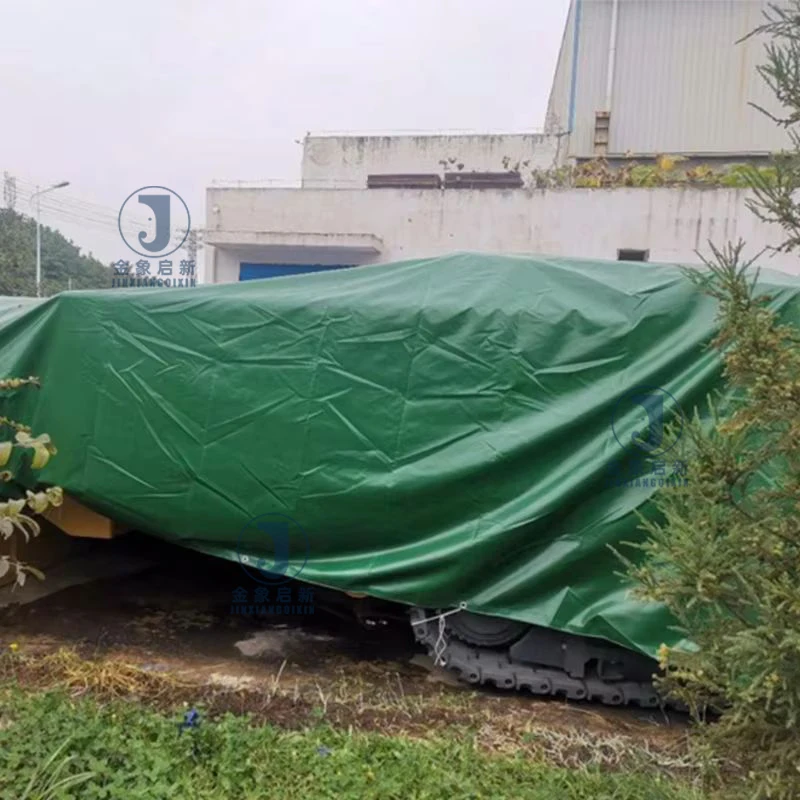
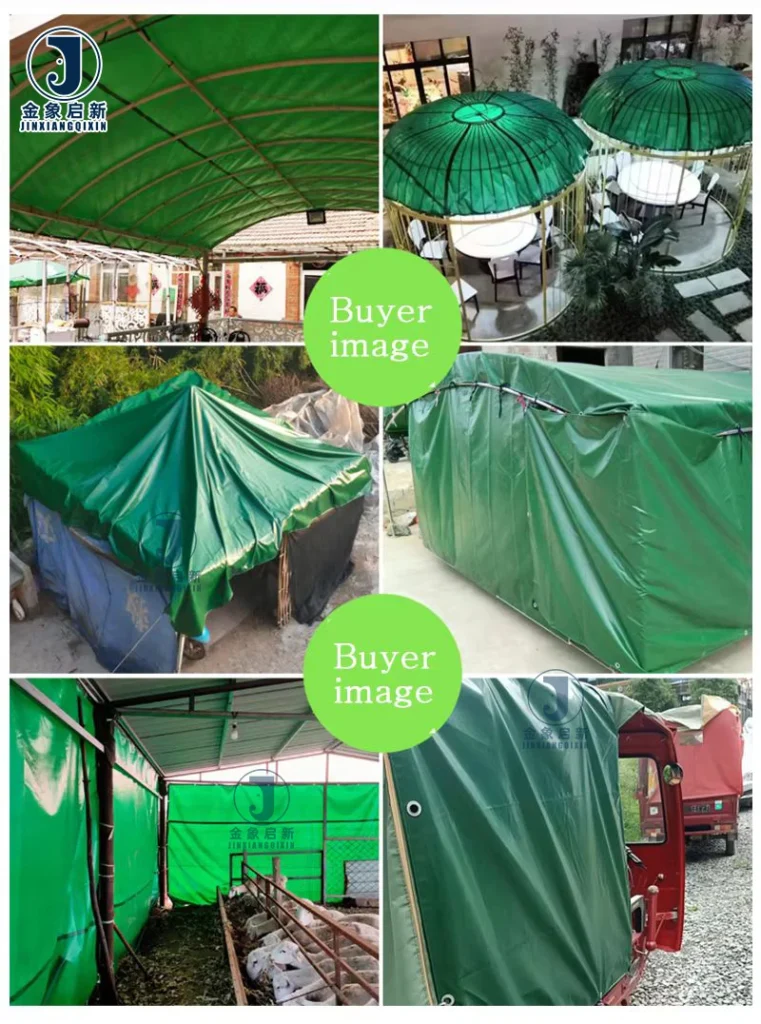
| Membrane and inflatable structures | Tensile load under wind, UV exposure, welded seam integrity |
| Industrial dust extraction ducting | Particulate abrasion, chemical-laden airstream, static dissipation |
Why Your Ventilation Duct Fails Inspection Before It Fails Physically
Certification documentation must match the fabric grade on the roll — not just the grade on the quotation.
Mining and tunnelling sites reject ventilation duct at commissioning because the fire-retardant or anti-static certificate does not cover the specific batch delivered. PVC coated fabric fire retardant compliance means nothing if the test report references a different GSM or coating formulation than what arrived on site [NEED_CITE: fire-retardant classification standards for ventilation textiles in underground mining]. We have seen entire duct runs stripped and replaced because the paperwork did not align with the material, costing contractors weeks of delay and re-fabrication expense.
Coating Adhesion Under Cyclic Airflow Pressure
Ventilation duct fabric flexes continuously under pulsing airflow, placing repeated peel stress on the coating-to-base-fabric bond. Knife coated PVC construction bonds the coating directly into the woven base fabric interstices, creating a mechanical lock that resists delamination under cyclic loading. This PVC coated fabric fire retardant option maintains coating integrity at weld seams where flexing concentrates, reducing the risk of seam failure before the fabric body reaches end of service.
Fire-Retardant and Anti-Static Compliance Documentation
Underground mining regulations and aviation maintenance facility standards require verifiable test reports tied to the specific material batch. Available flame-retardant grades should be confirmed against the standard enforced at your project site — whether M2, B1, NFPA 701 or DIN 4102 [NEED_CITE: DIN 4102 fire classification for flexible building and ventilation materials]. Anti-static surface resistance values must similarly be documented per the applicable standard for your jurisdiction. Request the test report before production begins, not after the rolls ship.
Reading the Specification Sheet Beyond GSM
Base fabric denier and weave density work together with coating weight to determine tensile and tear performance — a 450 g/m² fabric with a high-density woven base can outperform a heavier fabric with a loose weave in tear propagation resistance. Knife coating penetrates the woven structure rather than sitting on top as a laminated film, which improves peel strength and allows reliable heat welding at fabrication seams. Glossy finish supports easier cleaning in dusty mining environments, while matte finish reduces glare in aviation hangar duct installations. Custom width selection directly affects how many longitudinal welds your duct fabrication requires — wider stock means fewer seams, fewer potential leak paths, and faster fabrication throughput [NEED_CITE: tensile and tear test methods for coated fabrics per ISO 1421].
What Happens When the Specification Is Only Partially Correct
A ventilation duct fabric that meets the fire-retardant grade but lacks anti-static treatment will pass the flame test and fail the resistivity test at site acceptance. Colour inconsistency between rolls in a single order becomes visible once duct sections are installed side by side in a tunnel or hangar, triggering aesthetic rejection even when performance is compliant. Welded seams fabricated without accounting for the specific coating formulation can fail under airflow pressure before the fabric body shows any wear [NEED_CITE: weld seam peel strength testing for PVC coated ventilation fabric]. These specification gaps surface at the worst possible moment — during commissioning, when replacement lead time is measured in weeks.
Why Fabricators Source Industrial Duct Fabric Here
Three full production lines and 36 sets of professional equipment support the batch consistency that large-diameter duct fabrication demands, roll after roll. A 10-person R&D team develops samples within days when your duct diameter or membrane panel dimension requires a non-standard width or specific fire-retardant grade. Dedicated QA/QC inspection at every production stage means coating weight and adhesion are verified in-process, not just at final roll. One hundred percent pre-shipment inspection ensures every roll leaving the facility matches the specification sheet you approved, with test documentation matched to the batch [NEED_CITE: pre-shipment inspection protocols for industrial coated textiles].
Documentation & Verification
- Material specification sheet stating GSM, base fabric denier, coating method and coating weight per roll
- Fire-retardant test report matched to the grade and batch supplied
- Anti-static surface resistance certificate where applicable to site requirements
- Pre-shipment inspection record with roll-by-roll weight verification
- Certificate of origin and packing list for international customs clearance
- ISO and CE certificates covering the production facility
Fabrication, Handling & Storage
- Heat welding parameters must match the knife coated PVC formulation to avoid seam delamination under airflow pressure
- Store rolls horizontally on padded cradles to prevent permanent creasing in the woven base fabric
- Allow cold-stored rolls to reach ambient temperature before unrolling to avoid coating micro-cracking
- Select glossy finish for duct runs in high-dust mining environments where wipe-down cleaning is routine
- Plan cutting layout to minimise longitudinal seams when fabricating large-diameter ducts from standard width rolls
- Reinforced hems and eyelets at duct suspension points distribute tie-down load across the woven base structure
Specifying the Right Grade for Your Project
Provide the ventilation or structure application, the fire-retardant and anti-static standards enforced at your site, and the duct diameter or panel dimensions you are fabricating. Confirm whether you need rolls in standard stock width or a custom width to reduce seam count, and whether colour matching across multiple rolls is required for visible installations. If you need samples to validate heat welding parameters with your fabrication equipment, request them before committing to full production volume.
Frequently Asked Questions
Q: What fire-retardant standards can this PVC coated fabric meet?
A: Flame-retardant grades are available across multiple classification systems including M2, B1, NFPA 701 and DIN 4102. The specific grade must be confirmed against the standard enforced at your mining, tunnelling or aviation project site. We provide the corresponding test report matched to the batch supplied, so your compliance documentation aligns with the material delivered.
Q: Can you provide anti-static certification for mining ventilation duct applications?
A: Anti-static treatment is available with surface resistance values documented per the applicable mining safety standard. Specify the resistivity range required by your site regulator during the inquiry stage. The test certificate is matched to the production batch and included with shipment documentation for site inspection.
Q: How do you ensure weight and colour consistency across multiple rolls?
A: Every roll undergoes in-process coating weight checks and 100% pre-shipment inspection against the approved specification sheet. Colour is controlled through batch formulation records so that rolls produced for a single order maintain visual consistency when installed side by side in tunnel or hangar duct runs.
Q: What custom widths are available for duct fabrication?
A: Custom widths can be produced to match your duct diameter, reducing the number of longitudinal weld seams required during fabrication. Provide your target diameter and fabrication method during inquiry so the R&D team can confirm the optimal roll width and provide a sample for weld parameter validation.
Q: Is the anti-UV treatment suitable for long-term outdoor duct exposure?
A: Anti-UV treatment is available as an option for ventilation ducts and membrane structures installed outdoors. The specific UV test basis should be confirmed against the exposure duration and climate at your installation site. Request the UV test documentation during the specification stage to verify suitability for your project.