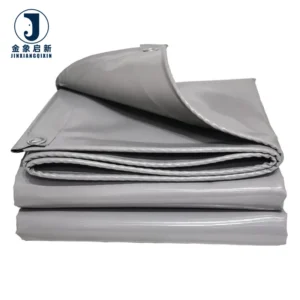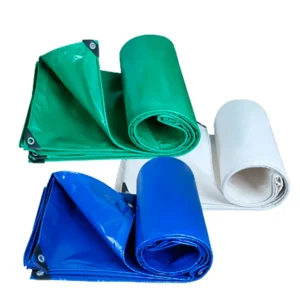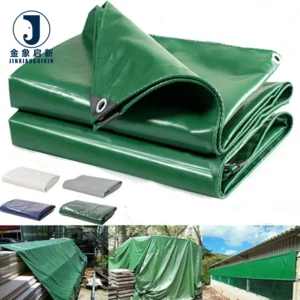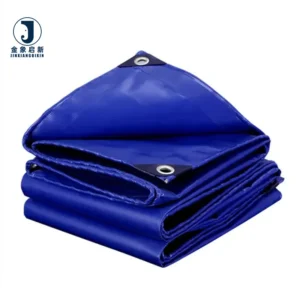

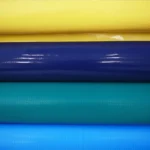
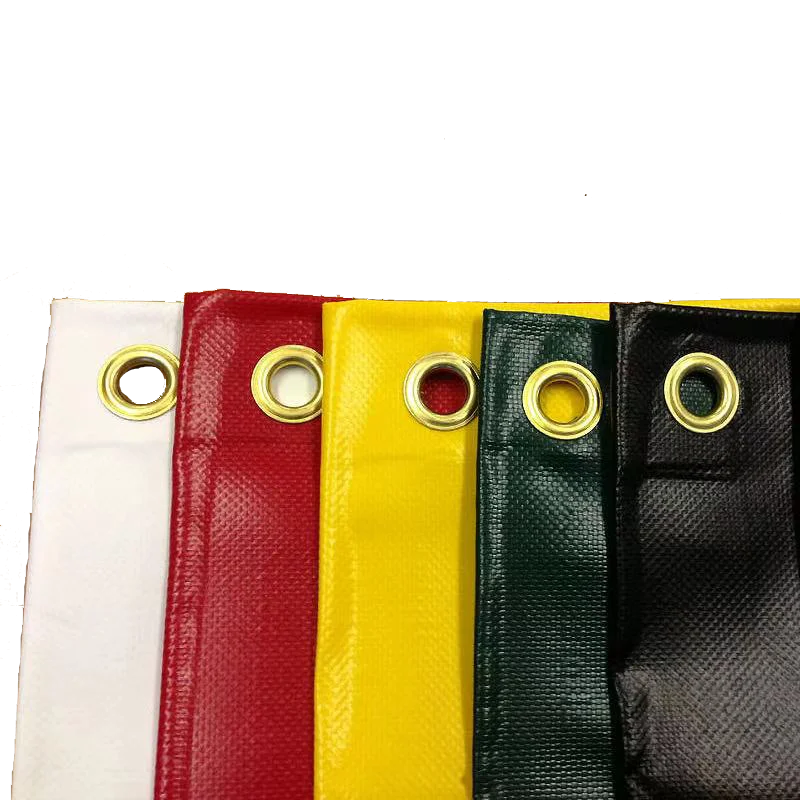
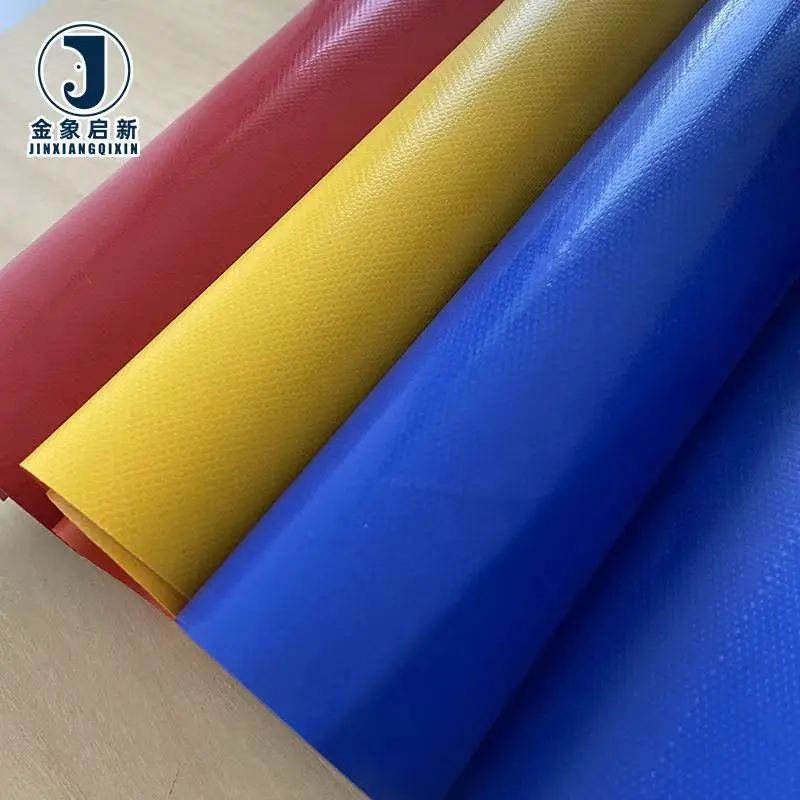
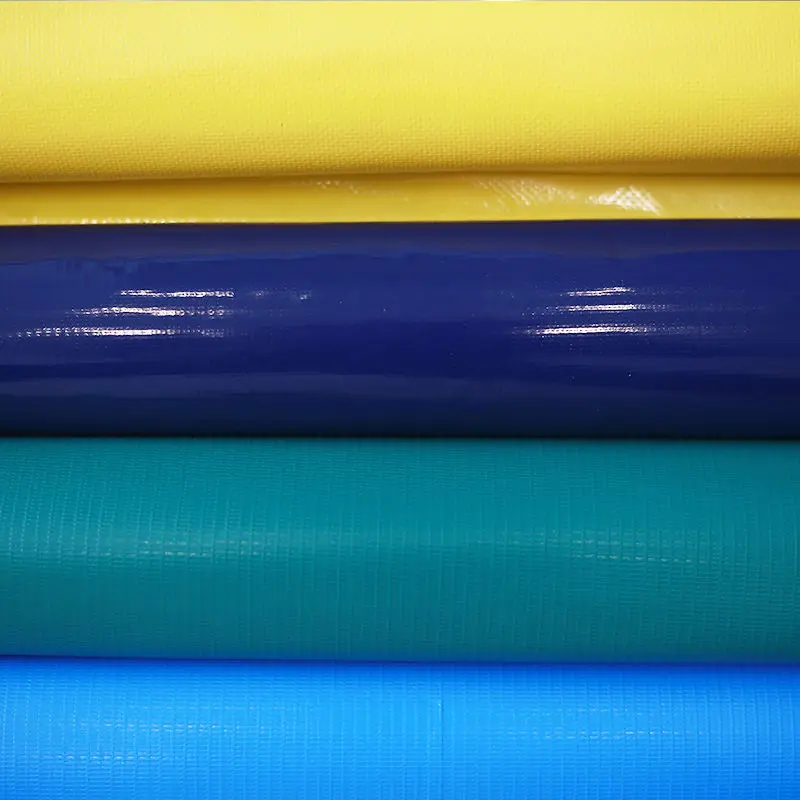

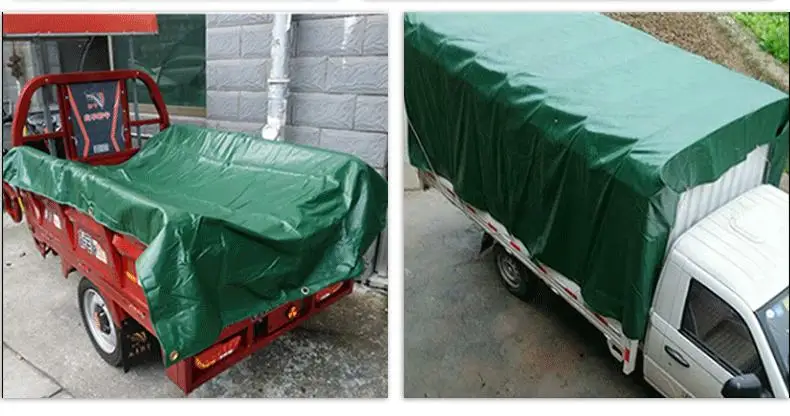
Coating Process Mastery — Every roll of PVC knife-coated fabric undergoes dedicated QA/QC at each production stage, ensuring coating weight consistency and adhesion integrity critical for ventilation duct and membrane structure compliance.
Technical Specifications
| Parameter | Value |
|---|---|
| Product Type | PVC Knife-Coated Fabric |
| Weight Range | 300-600 GSM (grade confirmation required per project) |
| Coating Method | Knife coated |
| Coating Material | PVC |
| Flame Retardant | Available in flame retardant grades — confirm the grade required for your market |
| Anti-Static | Available — surface resistance value to be specified at inquiry |
| Anti-Cold Treatment | Available |
| Anti-Mildew Treatment | Available |
| UV Treatment | Anti-UV treatment available — test basis to be confirmed per market requirement |
| Waterproof | Fully waterproof coated construction |
| Outdoor Service Life | Suited to extended outdoor exposure (confirm expected service life against your project specification) |
| Certifications | ISO, CE |
Application Suitability
| Application | Exposure & Requirement |
|---|---|
| Underground mining ventilation duct | Constant airflow abrasion, high humidity, mandatory fire-retardant and anti-static certification for site compliance |
| Tunnelling ventilation systems | Mechanical stress during duct installation, moisture ingress, flame propagation risk in confined spaces |
| Aviation ground-support membrane structures | UV exposure, wind loading, fire safety compliance on airfield premises |
| Inflatable temporary enclosures | Repeated inflation and deflation cycles, flex stress at seams, weather exposure during deployment |
| Specialist industrial covers | Chemical-laden atmospheres requiring documented flame-retardant performance and anti-static control |
What Certified Fire-Retardant and Anti-Static Really Means on a Duct Fabric Spec Sheet
A PVC knife-coated tarpaulin fire retardant anti-static certified claim only holds weight when backed by a named standard and an accompanying test report issued against the specific roll you receive.
Ventilation duct fabric frequently arrives on site without the documentation the compliance officer requires — the quotation states "flame retardant" but the roll carries no test report referencing a recognised standard such as DIN 4102 or NFPA 701. Mining and tunnelling projects in particular face shutdowns when inspectors cannot verify the fire classification of installed duct material [NEED_CITE: DIN 4102 fire classification for building materials]. Anti-static performance presents a similar gap: the fabric is described as anti-static, yet no surface resistance measurement is provided, leaving site engineers unable to confirm suitability for environments where electrostatic discharge must be controlled. This PVC knife-coated tarpaulin fire retardant anti-static certified fabric is produced with the understanding that documentation is not optional — it is the product.
Ventilation Duct Compliance Starts at the Coating Line
When fabric is destined for underground mining or tunnelling ventilation, the coating formulation must accommodate both fire-retardant additives and anti-static treatment without compromising the knife-coated PVC adhesion to the base fabric. Each treatment interacts with the coating chemistry differently, and balancing them requires process control developed over decades of coated fabric production. This PVC knife-coated tarpaulin fire retardant anti-static certified material is manufactured on dedicated lines where treatment parameters are set and verified per production run.
Membrane and Inflatable Structure Fabric — Beyond Generic Tarpaulin
Inflatable and membrane structures demand fabric that holds welded seams under repeated flex cycles while meeting the fire safety classification specified by the venue or regulatory authority. Generic tarpaulin rolls cut to stock dimensions rarely satisfy both requirements simultaneously. The PVC knife-coated tarpaulin fire retardant anti-static certified range supports custom widths and lengths so that membrane fabricators can minimise seam count and align weld lines with lower-stress zones of the structure [NEED_CITE: tensile and tear test methods for coated fabrics per ISO 1421]. Anti-mildew treatment further protects structures deployed in humid climates where biological growth on fabric surfaces degrades both appearance and coating integrity over time.
Reading the Specification Sheet — What GSM, Coating Weight, and Treatment Grade Actually Tell You
GSM alone does not define how a coated fabric will perform in a ventilation duct or membrane application. A 450 GSM fabric with a loosely woven base scrim may tear more easily than a 400 GSM fabric with a higher-denier yarn and tighter weave, because tensile and tear resistance depend on the base fabric construction as much as the total coated weight. Knife coating — as opposed to dip coating or calendering — deposits a controlled PVC layer on each side of the scrim, producing higher peel strength at the coating-to-yarn interface, which directly affects how well welded seams hold under flex load. Flame retardant grades are classified differently across markets: B1 per DIN 4102 in European construction, M2 in French standards, and NFPA 701 in North American applications. Confirming which classification your project specifies before ordering ensures the test report accompanying your shipment matches the compliance framework your site inspector will reference.
When the Wrong Specification Reaches the Job Site
Receiving fabric that does not match the specification on the quotation creates consequences that compound quickly. A ventilation duct installed underground with a flame-retardant grade that does not align with the mine’s safety standard forces a complete removal and replacement — at significant cost in both material and downtime. Anti-static fabric supplied without a surface resistance test report may pass initial visual inspection but fail the compliance audit, delaying project handover. Rolls with inconsistent coating weight from one to the next can produce weld seams that vary in strength along a single duct run, creating failure points that appear only after the system is pressurised [NEED_CITE: weld seam failure patterns in coated ventilation duct fabric]. Colour variation between rolls intended for a visible membrane structure becomes apparent only after panels are installed side by side, when correction is most expensive.
Why Source This Fabric Through a Dedicated Coating Facility
Three full production lines and 36 sets of professional equipment support bulk volume while maintaining coating consistency across every roll in a batch — critical when a membrane project requires multiple rolls of matched colour and weight. A 10-person R&D team handles material selection and treatment formulation, developing samples within days so you can verify fire-retardant grade and anti-static performance before committing to a production run. Dedicated QA/QC at every production stage means coating weight, adhesion, and treatment application are checked in-process, not only at final inspection. Full documentation — including test reports, pre-shipment inspection records, and certificates of origin — ships with every dispatch so your compliance package is complete on arrival.
Documentation & Verification
- Material specification sheet stating GSM, base fabric denier, and coating weight per roll
- Flame-retardant test report issued against the applicable standard for your market
- Anti-static surface resistance measurement documented per recognised test method
- Pre-shipment inspection record confirming 100% check before dispatch
- ISO and CE certificates alongside certificate of origin for customs clearance
Fabrication, Handling & Storage
- Hot-air welding temperature must be calibrated to the PVC knife-coated layer thickness to achieve full seam adhesion
- Store rolls upright on pallets to prevent permanent creasing across the coated surface
- Allow cold-stored rolls to reach ambient temperature before unrolling to avoid coating micro-cracking
- Clean with mild detergent only — solvents can degrade the anti-mildew and anti-static surface treatment
- Plan panel cutting layout to place weld seams away from high-flex zones in duct and membrane assemblies
- Repair minor field damage with compatible PVC patch material heat-bonded to the knife-coated surface
Preparing Your Inquiry
Provide the ventilation duct diameter, run length, and operating environment so the correct GSM grade and treatment combination can be recommended. Specify the fire-retardant classification your site requires — whether DIN 4102, NFPA 701, or another standard — along with any anti-static surface resistance target. Indicate the roll widths and lengths your fabrication setup handles, and confirm whether you need raw rolls or pre-cut panels with welded hems.
Frequently Asked Questions
Q: What fire-retardant grades are available and which test report will accompany my shipment?
A: Flame retardant treatment is available in multiple grades. The specific classification — such as B1 per DIN 4102, M2, or NFPA 701 — must be confirmed at inquiry so the correct test report is issued against your production batch and included in the dispatch documentation package.
Q: How is anti-static performance measured and what surface resistance value is certified?
A: Anti-static treatment is applied during coating and the resulting surface resistance is measured per the applicable test standard. The measured value is documented on the test report that ships with your rolls, allowing your site compliance team to verify suitability for controlled-discharge environments.
Q: Can you supply duct fabric in custom widths and lengths to match my ventilation system layout?
A: Custom widths and lengths are available to match your duct diameter and run configuration. Provide your dimensions and annual volume at inquiry so the production team can confirm lead time and minimum order for your specific cutting requirements.
Q: How do you ensure batch-to-batch colour and coating consistency across multiple rolls?
A: Dedicated QA/QC checks coating weight and colour at every production stage. Rolls within a single order are produced under matched process parameters and undergo 100% pre-shipment inspection to verify consistency before dispatch.
Q: What documentation is included for site compliance audits?
A: Each shipment includes a material specification sheet, flame-retardant and anti-static test reports, pre-shipment inspection record, ISO and CE certificates, certificate of origin, and packing list — providing a complete compliance package for your site auditor.