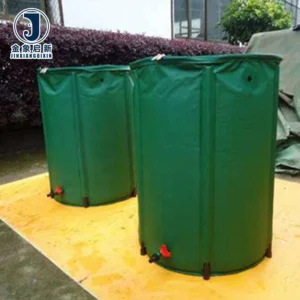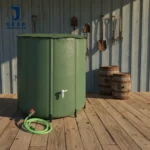

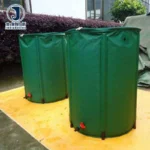
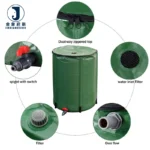
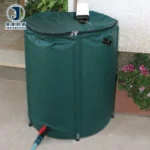
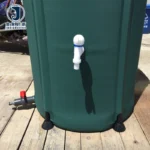
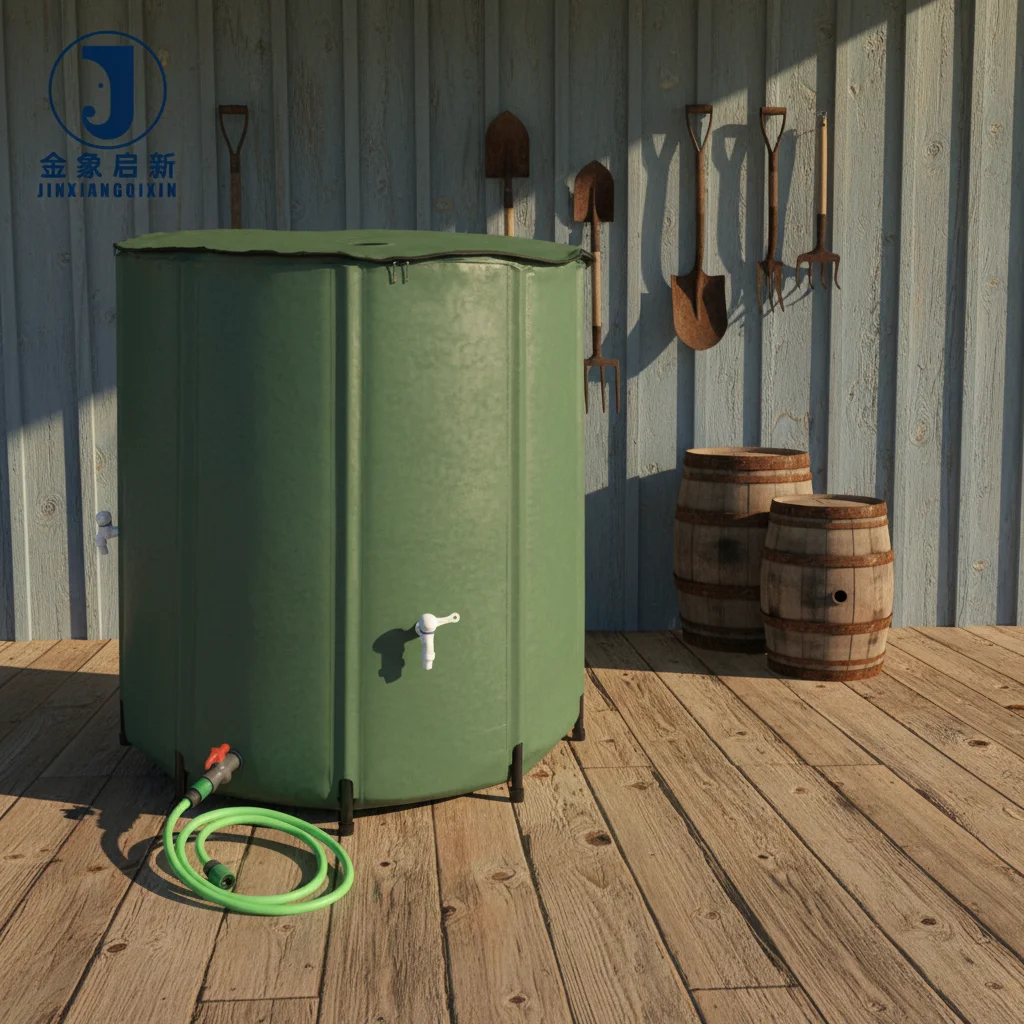
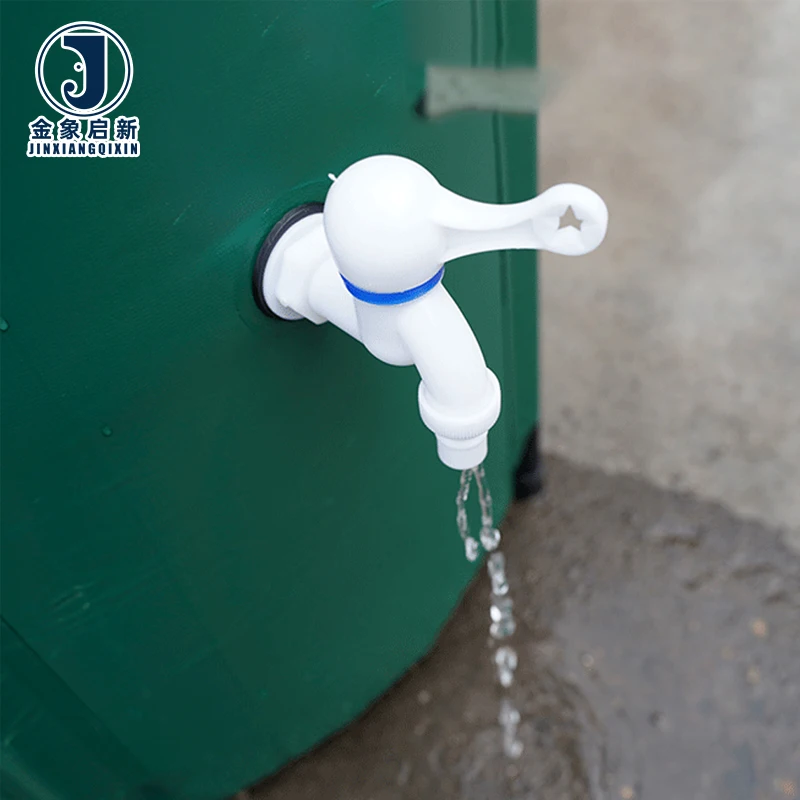
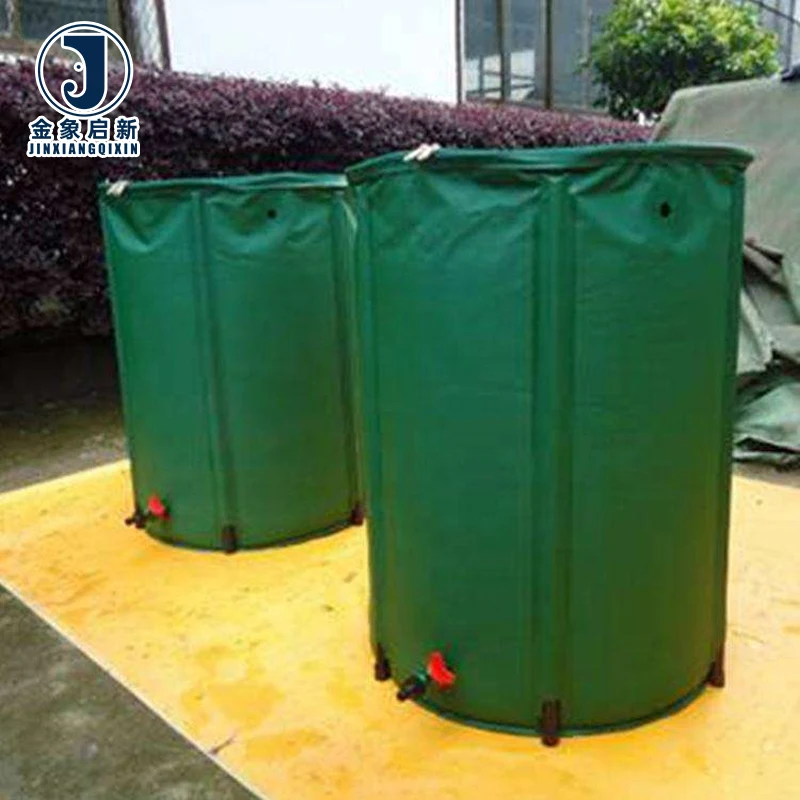
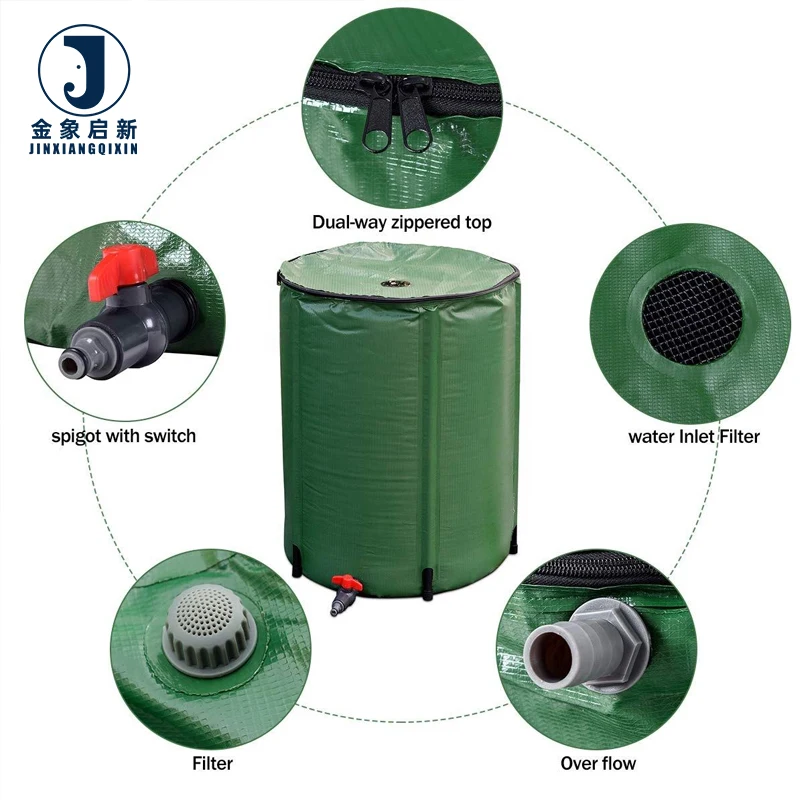
Deep Coating Process Control — nearly 30 years of PVC coating expertise applied to every collapsible rain barrel we produce, ensuring consistent adhesion between the base fabric and coating layer so seams hold under repeated fill-and-drain cycles.
Technical Specifications
| Parameter | Value |
|---|---|
| Product Type | Collapsible Water Storage Tank |
| Capacity Options | 200L / 380L / 500L / 750L |
| Base Fabric | PVC Mesh Cloth, 500D / 1000D Denier |
| Coating Material | PVC |
| Support Structure | PVC Support Rod |
| Waterproof | Yes — fully coated construction |
| Anti-Mildew | Yes |
| Tear-Resistant | Yes |
| Abrasion-Resistant | Yes |
| Anti-Bacteria | Yes |
| Shrink-Resistant | Yes |
| Assembly | Collapsible / Foldable |
| Flame Retardant | Available in flame retardant grades — confirm the grade required for your market |
| Anti-Static | Available in anti-static grades — surface resistance standard to be confirmed at inquiry |
| Anti-UV | Available with anti-UV treatment — test basis to be confirmed at inquiry |
Application Suitability
| Application | Exposure & Requirement |
|---|---|
| Garden rainwater harvesting | Continuous UV exposure, seasonal temperature swings, algae and mildew risk from standing water |
| Agricultural and aquaculture water reserve | Remote-site deployment, abrasion from soil contact, repeated filling and draining cycles |
| Temporary industrial water storage | Portable setup and teardown, wind loading on filled barrel, chemical exposure from runoff surfaces |
| Sustainable water management installations | Long-term outdoor placement, municipal compliance for water contact materials, public-access environments |
Why Coated Fabric Rain Barrels Fail at the Seam Before the Fabric Gives Way
Seam failure on a collapsible PVC rain barrel almost always traces back to insufficient heat-weld penetration at the coating-to-base-fabric interface, not the fabric strength itself.
I have watched buyers specify a heavy-denier base cloth for their collapsible PVC rain water storage tank orders, assuming thicker yarns solve every durability problem. The barrel fabric itself survives seasons of sun and rain while the welded joints split open at the flex zone — the exact point where the barrel wall bulges outward under hydrostatic pressure. The root cause sits in how the PVC coating bonds to the mesh during production. When coating weight and weld temperature are not matched to the base fabric denier, the heat-weld seam becomes the weakest link in the entire assembly [NEED_CITE: tensile and tear test methods for coated fabrics per ISO 1421].
How the PVC Mesh Cloth Base Determines Barrel Structural Integrity
A Collapsible PVC Rain Barrel manufacturer working with 500D and 1000D mesh cloth options must match the denier selection to the intended fill volume and deployment environment. The 500D base fabric suits lighter-duty garden installations where the barrel sits on a level surface and sees moderate wind loading. The 1000D variant provides the additional tear resistance needed when barrels are placed on uneven ground or exposed to sustained wind that pushes against the filled wall.
The PVC mesh construction al*e rather than sitting only on the surface. This through-coating adhesion is what keeps the heat-welded seams intact when the barrel flexes during filling and draining. Without this mechanical lock between coating and base yarn, the welded joint delaminates under hydrostatic pressure long before the fabric itself reaches its tensile limit.
Why the PVC Support Rod Framework Matters for Collapsible Design
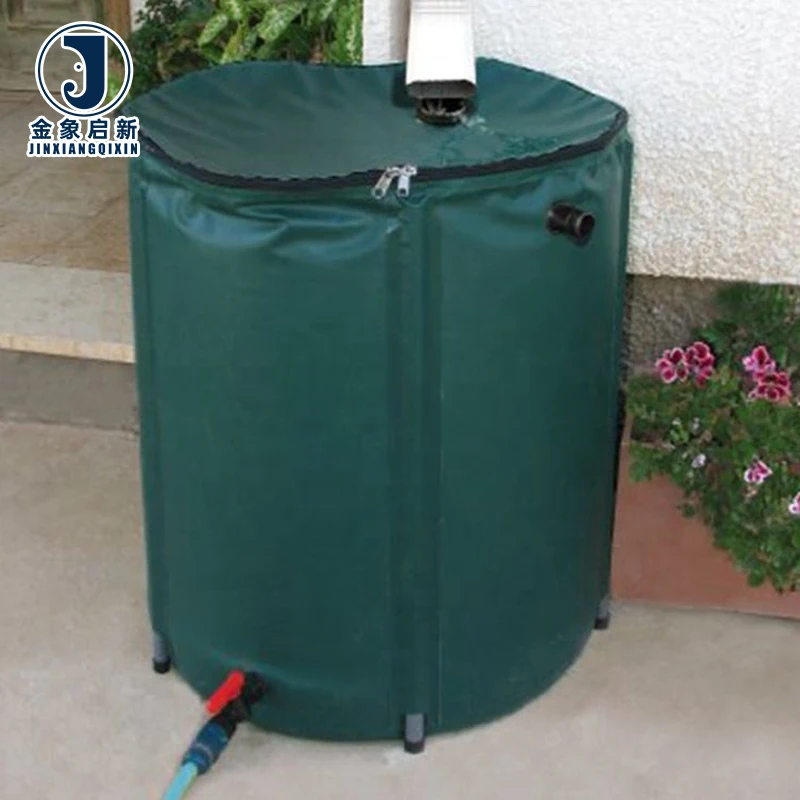
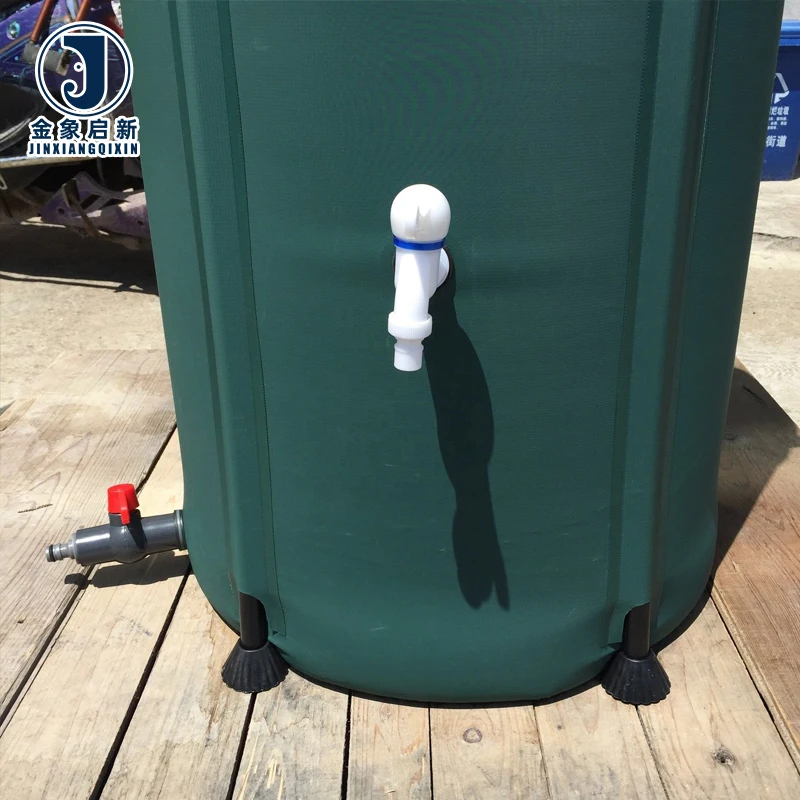
The support rod system is what separates a functional collapsible water storage tank from a simple fabric bag. Each PVC rod slides into dedicated sleeves integrated into the barrel wall, maintaining the cylindrical shape when the tank is filled to capacity. When the barrel is drained, the rods can be removed or folded with the fabric, allowing the entire unit to pack flat for off-season storage or container shipping.
This framework carries the vertical load that would otherwise stress the welded side seams. By distributing hydrostatic pressure through the rod structure rather than relying solely on the fabric tension, the barrel wall experiences lower localized stress at every welded joint. The result is a collapsible rain barrel that holds its shape reliably across hundreds of fill cycles without seam creep or distortion at the base [NEED_CITE: structural load distribution in flexible water storage vessels].
Reading the Specification Sheet Beyond Capacity Numbers
The capacity rating — 200L through 750L — tells you how much water the barrel holds, but the base fabric denier and coating adhesion quality determine whether it holds that water reliably over time. A 750L barrel filled with rainwater carries substantial weight, and every welded seam along the barrel wall must resist constant outward pressure. The 500D and 1000D denier options address different load profiles, but denier alone does not tell the full story.
The PVC coating method matters equally. A coating that penetrates the mesh weave creates a mechanical bond with the base yarns, which directly improves heat-weld seam strength during fabrication. Surface-only coating produces a smoother finish but sacrifices peel strength at the weld line. For a collapsible rain barrel that flexes with every fill-and-drain cycle, coating penetration depth is the parameter that predicts seam longevity far better than base fabric weight alone.
Anti-mildew and anti-bacteria treatments address the biological reality of standing rainwater. Organic debris enters the barrel through the collection system, and without these treatments the interior coating surface becomes a growth medium that degrades the PVC compound over time. Shrink-resistant construction ensures the barrel dimensions remain stable across seasonal temperature changes, preventing the support rod sleeves from tightening around the framework.
What Happens When You Ignore the Coating-to-Base-Fabric Bond
Buyers who specify capacity and denier but never ask about coating adhesion methodology frequently discover the gap between specification and performance only after deployment. The barrel arrives looking correct, holds water during initial testing, and then begins weeping at the vertical seams after several weeks of outdoor use. The leak does not appear at a puncture point or a manufacturing defect — it appears at every heat-welded seam simultaneously, because the coating never fully bonded to the base mesh during production [NEED_CITE: common failure modes in heat-welded PVC coated fabric assemblies].
Batch-to-batch inconsistency compounds the problem. A second order may perform differently from the first because the coating line temperature or dwell time shifted between production runs. Without in-process quality checks at the coating stage, the buyer receives barrels that meet the written specification on paper but fail in the field at different rates across shipments. This is the hidden cost of sourcing collapsible water tanks from suppliers who treat coating as a commodity step rather than a controlled process.
Why Sourcing Collapsible Rain Barrels Here Reduces Field Failures
Coating weight and adhesion are controlled at every production stage, with dedicated QA checks verifying that the PVC compound penetrates the mesh base fabric rather than sitting on the surface. This process discipline directly addresses the seam-splitting failure mode that plagues collapsible rain barrels in the field.
A 10-person R&D team handles material selection, custom capacity sizing, and sample development, meaning a buyer requesting a non-standard barrel dimension or a specific denier grade gets a purpose-built solution rather than a compromise from existing stock. Sample development runs within days, allowing buyers to weld-test and fill-test before committing to production volume.
Three full production lines with 36 sets of professional equipment support bulk orders while maintaining the coating consistency that keeps batch-to-batch colour and performance uniform. Every barrel undergoes 100 percent inspection before dispatch, with welded seams checked for peel strength and support rod sleeves verified for correct fitment.
Documentation & Verification
- Material specification sheet confirming base fabric denier, PVC coating type, and rated capacity for each barrel size ordered
- Pre-shipment inspection record covering welded seam integrity and support rod fitment on every unit
- Test reports for anti-UV, flame retardant, or anti-static treatments where these grades are specified at inquiry
- Certificate of origin and customs documentation supporting international shipment and port clearance
- Roll-level coating weight verification records available for buyers requiring batch traceability
Fabrication, Handling & Storage
- Heat-weld temperature must match the 500D or 1000D base denier to ensure full coating penetration at the seam line
- PVC support rods should be removed before folding the barrel for storage to prevent permanent crease marks on the coated fabric
- Store collapsed barrels in a dry, shaded environment to preserve the anti-mildew treatment on the PVC coating surface
- Avoid dragging filled barrels across abrasive surfaces — the PVC tarpaulin exterior resists abrasion but sustained contact wears the coating layer
- Clean interior surfaces with mild detergent only; solvent-based cleaners degrade the PVC compound and compromise waterproof integrity
- Field repairs on minor punctures require PVC-compatible adhesive patches applied to a clean, dry coating surface
What We Need to Quote Your Collapsible Rain Barrel Project
Provide the intended application environment — garden, agricultural, or industrial — along with the expected deployment duration and local climate conditions. If your market requires specific fire classification or anti-static compliance, state the standard you need met so we can confirm the appropriate treatment grade.
Specify your target capacity within the 200L to 750L range, or share the dimensions if your project calls for a custom size. Let us know whether you need the collapsible PVC rain water storage tank as a finished assembled unit or as a fabrication kit with fabric panels and support rods shipped separately. Indicate your annual volume requirement and whether you need samples for weld testing before production begins.
Frequently Asked Questions
Q: How is the PVC seam welding tested to prevent leaks at barrel flex points?
A: Every welded seam on our collapsible water storage tank undergoes peel-strength verification during pre-shipment inspection. We match weld temperature and dwell time to the specific 500D or 1000D base fabric denier, ensuring the PVC coating fuses through the mesh rather than bonding only at the surface. This prevents the seam-splitting failure that typically occurs at the barrel wall flex zone under hydrostatic pressure.
Q: What capacity options are available and can custom sizes be produced?
A: Standard capacities include 200L, 380L, 500L, and 750L. Our R&D team develops custom capacity barrels based on your dimensional requirements, with samples produced within days for fill testing and weld evaluation. Custom sizing accounts for the correct PVC support rod configuration to maintain barrel shape at your specified volume.
Q: What test evidence supports the anti-UV and anti-mildew claims?
A: Anti-mildew treatment is confirmed as standard across all barrel configurations. For anti-UV treatment, we supply test documentation based on the specific grade selected for your market and climate exposure. State your regional UV stability requirement at inquiry so we can match the treatment package and provide the corresponding test report with your shipment documentation.
Q: How is batch-to-batch colour and coating consistency controlled across orders?
A: In-process QA checks monitor coating weight and colour reference at every production stage across our three full production lines. Pre-shipment inspection includes visual comparison against approved samples from your initial order. This ensures that repeat orders of collapsible PVC rain barrels arrive with uniform coating thickness and colour consistency, eliminating the visible variation that causes rejection when barrels are installed side by side.
Q: What documentation is provided for export and customs clearance?
A: Each shipment includes a material specification sheet, pre-shipment inspection record, packing list, certificate of origin, and applicable treatment test reports. For orders requiring flame retardant or anti-static grades, we provide the corresponding certification documentation. All customs paperwork is prepared to support smooth port clearance in your destination market.