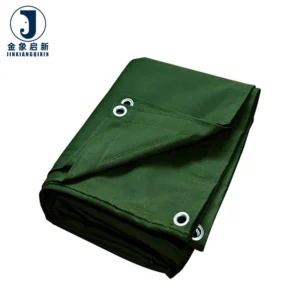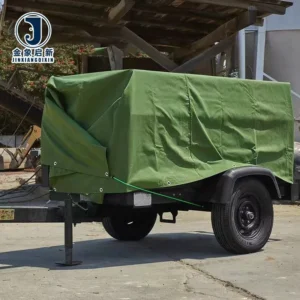


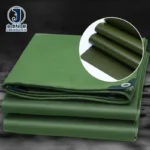
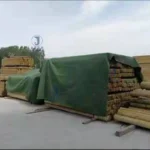
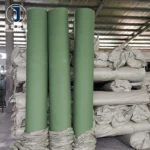
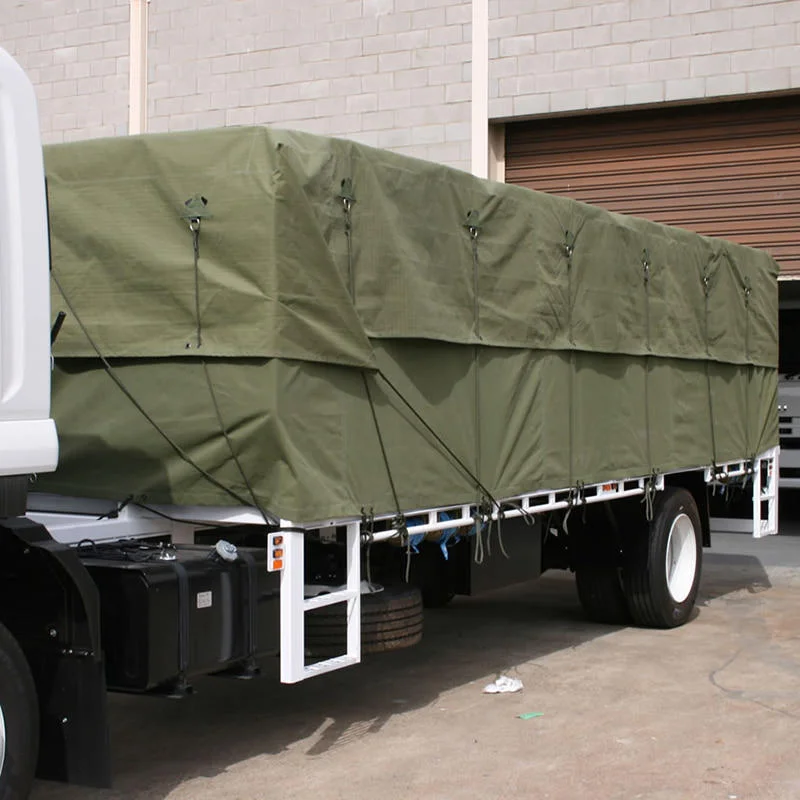
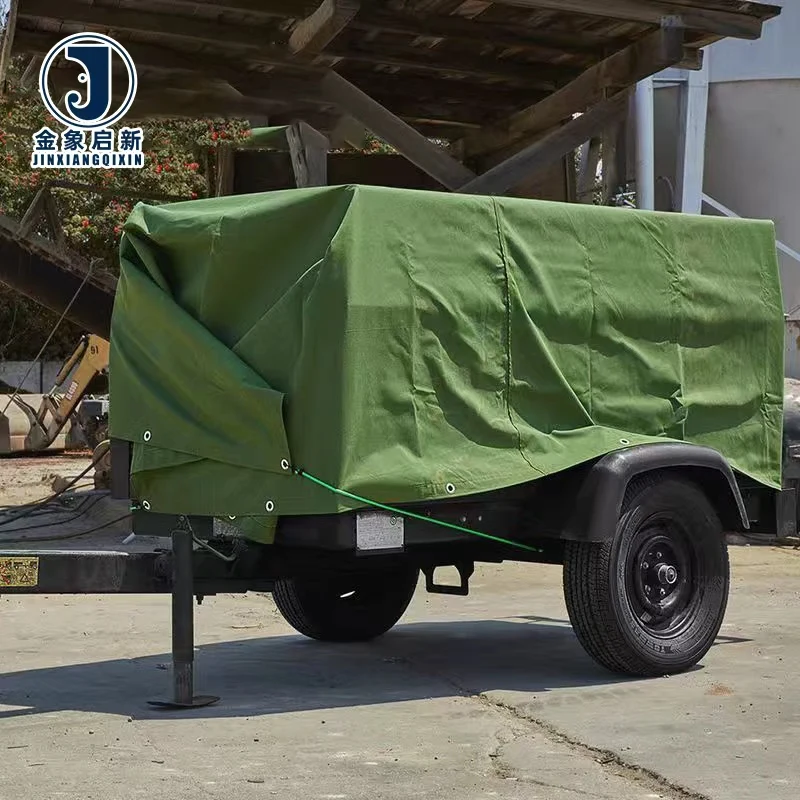
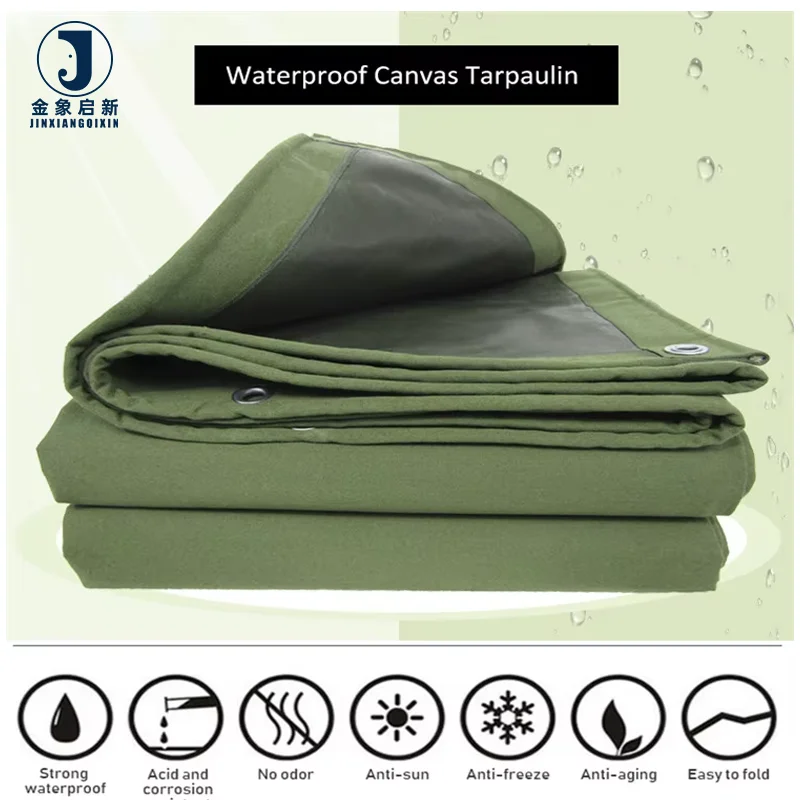
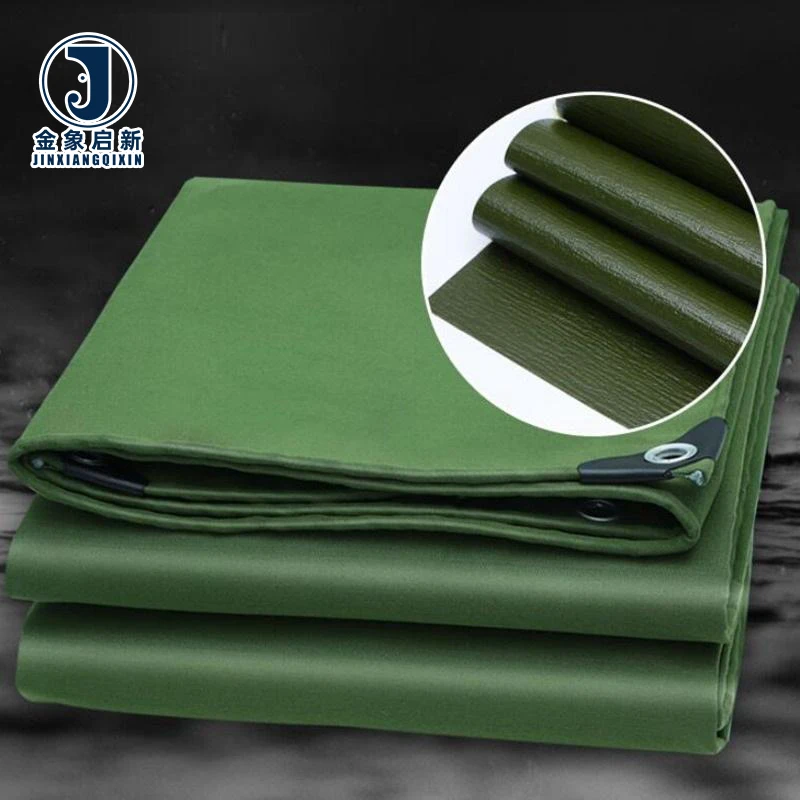
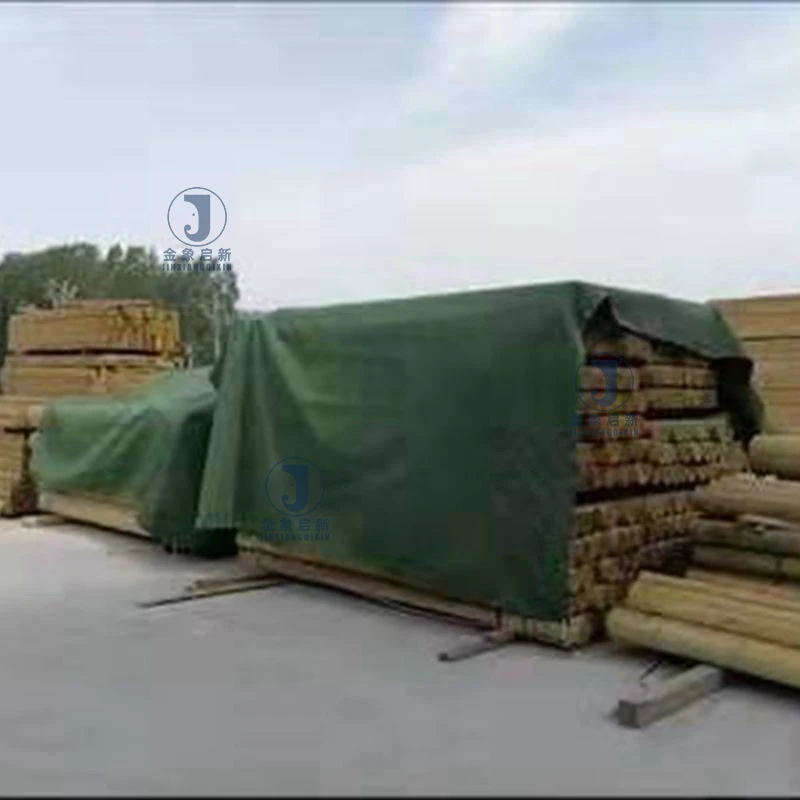
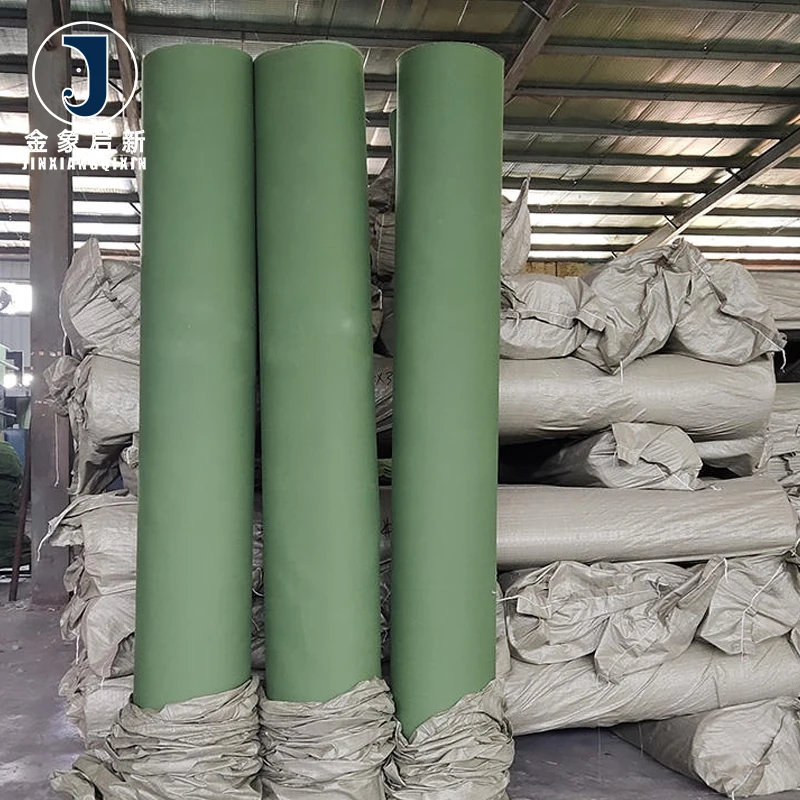
Specialist-grade durability — Custom silicone-coated canvas truck tarps engineered for retractable cargo protection systems, with full edge reinforcement and exact trailer model fitment to prevent fabric failure at high-stress flex points.
Technical Specifications
| Parameter | Value |
|---|---|
| Product Type | Truck Tarpaulin |
| Coating Material | Silicone-coated canvas |
| Weight Range | 250gms–600gms (confirm specific grade for your application) |
| Available Width | 0.2m–0.4m (confirm roll width options for your order) |
| Finish/Feature | Waterproof, wear-resistant, scratch resistant, tensile resistant |
| Color | Customizable per fleet requirements |
| Custom Fabrication | Edge wrapping, punching, buttonhole, custom size |
| Certification | ISO, CE |
Application Suitability
| Application | Exposure & Requirement |
|---|---|
| Flatbed trailer retractable tarp systems | Continuous flexing at deployment joints, road debris abrasion, wind load tension at tie-down points |
| Curtain-side trailer cargo covers | Lateral fabric movement during transit, repeated opening and closing cycles, UV exposure on long-haul routes |
| Tricycle and light truck load protection | Tight turning radius stress, frequent manual handling, urban environment soiling and abrasion |
| Automated tarp deployment mechanisms | Precision fitment to roller and track systems, fabric memory after retraction, tension consistency across the panel |
Why Exact Trailer Fitment Matters More Than Fabric Weight Alone
A truck cover cut to your specific trailer model eliminates the loose fabric, wind flap damage, and cargo exposure that generic-sized tarps cause from the first trip.
Fleet operators regularly receive Heavy Duty Truck Tarpaulin aftermarket supplier products cut to standard dimensions that do not match their trailer’s actual deck length, side height, or roller track geometry. The resulting excess fabric flaps in highway wind, accelerating wear at the hem and eyelet line. Worse, undersized covers leave cargo exposed at the edges, defeating the purpose of the tarp system entirely. [NEED_CITE: trailer dimension variance across standard fleet configurations]
Silicone Coating Performance in Transport Environments
Silicone-coated canvas delivers a distinct performance profile for retractable tarp applications where the fabric must flex repeatedly without cracking or losing waterproof integrity. Unlike PVC coatings that can stiffen in cold weather and soften in high heat, silicone maintains flexibility across a broader temperature range, making it suited to fleets operating across seasonal climates. The coating bonds to the canvas base fabric to produce a fully waterproof barrier that resists surface scratching during loading and unloading operations.
Custom Edge Wrapping and Buttonhole Reinforcement
Retractable tarp systems place concentrated stress at the edges where the fabric meets the track or roller mechanism. Standard hemming fails at these points because the load transfers through a narrow band of material. Edge wrapping distributes the tension across a wider fabric area, while buttonhole reinforcement at punching points prevents tear propagation from the fastener holes outward. [NEED_CITE: stress concentration at tarpaulin fastener points in retractable systems] These fabrication options are configured to match the specific track and deployment hardware used in your fleet’s trailer equipment.
Reading the Specification Sheet Beyond GSM
When evaluating Heavy Duty Truck Tarpaulin aftermarket supplier options, the stated GSM tells you the total coated weight per square metre but reveals nothing about how that weight is distributed between base fabric and coating. A 500gsm material with a heavy coating layer over a light base fabric will tear more easily than a 450gsm product with a denser canvas weave and thinner coating. The base fabric denier and weave density determine tensile and tear resistance, while the coating weight governs waterproof performance and surface durability. Silicone coating adhesion to canvas also affects how well the material withstands heat sealing during fabrication — poor adhesion leads to delamination at welded seams before the fabric itself fails. Surface finish selection between smoother and textured finishes influences how easily road grime releases during cleaning and how well the fabric slides through track systems during retraction.
The Cost of Specifying Without Application Context
Ordering a heavy-grade tarpaulin without confirming that the weight suits your specific retractable mechanism can lead to operational problems beyond premature failure. Overweight fabric may exceed the roller system’s tension capacity, causing motor strain or track jamming during automated deployment. Colour inconsistency across rolls in a single fleet order becomes visible when panels are installed side by side on adjacent trailers, forcing selective replacement or full re-order. [NEED_CITE: batch colour variation in coated fabric production runs] Material that arrives lighter than the quoted GSM means you paid for protection you did not receive, and the thinner coating will abrade through faster at high-wear contact points. Fire-retardant or anti-static grades required for specific transport compliance may not be available in the exact weight and width you specified, creating documentation gaps at site inspection.
Why Procurement Teams Source This Product Here
Our 10-person R&D team develops custom sizing samples within days, confirming trailer model fitment with dimensional drawings before production begins — eliminating the guesswork that leads to generic-size failures. Three full production lines with 36 sets of professional equipment support volume orders for fleet-wide tarp replacement programmes while maintaining roll-to-roll consistency. Dedicated QA/QC inspection at every production stage includes weight verification per roll against the stated GSM, ensuring the material arriving at your dock matches the quotation specification. Silicone coating process control addresses adhesion consistency across the full production run, which directly affects fabrication yield when your workshop cuts and finishes the panels. [NEED_CITE: coating adhesion test methods for silicone canvas materials] Full documentation including material specification sheets, pre-shipment inspection records, and certificates of origin ships with every order to support cross-border fleet procurement and customs clearance.
Documentation & Verification
- Material specification sheet stating exact GSM, base fabric denier, and silicone coating weight for each roll
- Pre-shipment inspection record with weight verification per roll against quoted specification
- Custom sizing confirmation with trailer model dimensional drawings approved before production
- Certificate of origin and customs documentation package for cross-border fleet procurement
- ISO and CE certification records available for compliance submission
Fabrication, Handling & Storage
- Heat sealing parameters must account for silicone coating adhesion properties to prevent delamination at seams
- Edge wrapping should extend beyond buttonhole points to distribute tension across the canvas base fabric
- Store rolls vertically on cores to prevent flat spots that cause tracking issues in retractable mechanisms
- Allow silicone-coated canvas to reach ambient temperature before unrolling in cold conditions to avoid crease damage
- Use non-solvent cleaners compatible with silicone surfaces to preserve waterproof coating integrity
Specifying the Right Tarpaulin for Your Fleet
To receive an accurate Heavy Duty Truck Tarpaulin aftermarket supplier quotation, provide your trailer model numbers, deck dimensions, and the type of retractable or fixed deployment system in use. Specify the GSM range suited to your operating environment, any fire-retardant or anti-static compliance requirements for your transport corridors, and your annual volume to confirm production scheduling. If fleet branding or specific colour matching is required, include Pantone or RAL references along with the panel count per order to ensure batch consistency across all units.
Frequently Asked Questions
Q: How do you ensure exact trailer model fitment for custom truck covers?
A: We request your trailer model number and deck dimensions, then produce dimensional drawings for your approval before cutting begins. Edge wrapping, punching, and buttonhole placement are configured to match your specific track and roller hardware. This eliminates the loose fabric and wind damage caused by generic-sized covers that do not account for model-specific geometry.
Q: What reinforcement options are available at high-stress flex points for retractable systems?
A: Edge wrapping distributes tension across a wider fabric area at track contact points, while buttonhole reinforcement prevents tear propagation from fastener holes. We configure these reinforcements based on your deployment mechanism type and the specific stress points identified during fitment review, ensuring the reinforcement matches the actual load path in your system.
Q: Can you provide GSM verification test results upon delivery?
A: Every roll undergoes weight verification during pre-shipment inspection, and the inspection record ships with your order. The material specification sheet states the exact GSM, base fabric denier, and coating weight for each roll produced. This documentation confirms the material received matches the specification you approved at quotation stage.
Q: Do you supply fire-retardant or anti-static grades for specialized transport compliance?
A: Fire-retardant and anti-static grades are available — confirm the specific grade and test standard required for your market and transport corridors. We provide applicable test reports with your shipment documentation, ensuring compliance verification at site inspection. Availability depends on the weight and width combination specified for your order.