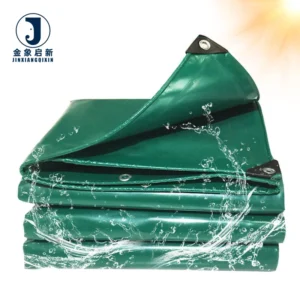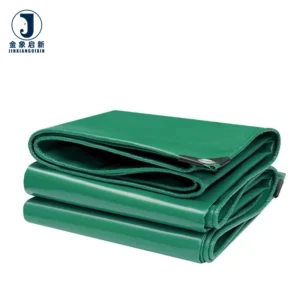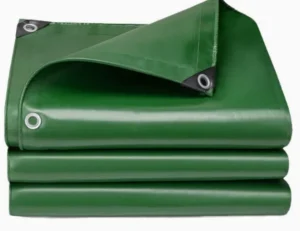
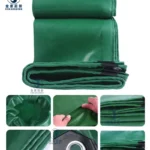

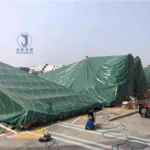
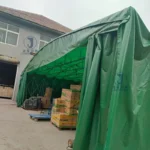
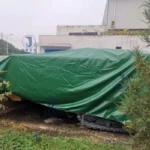
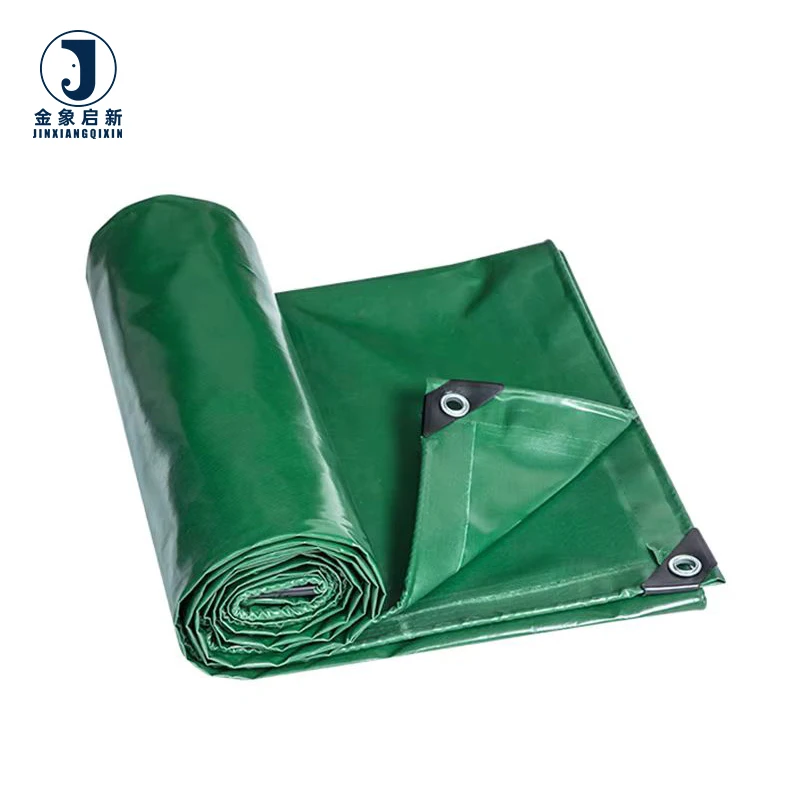
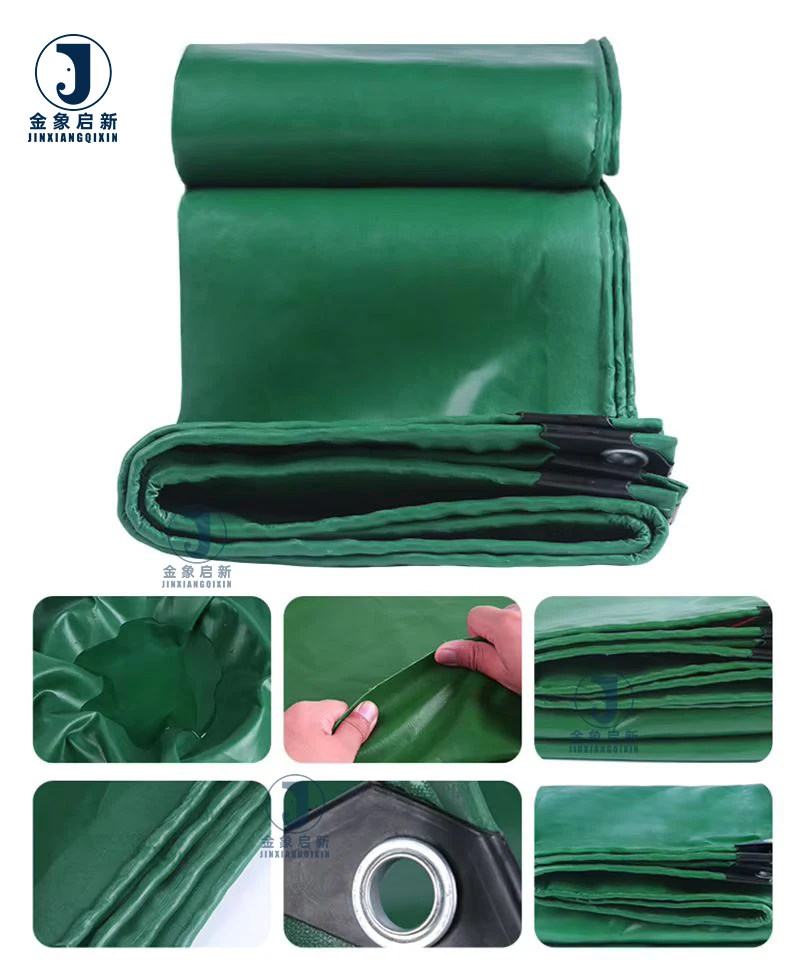
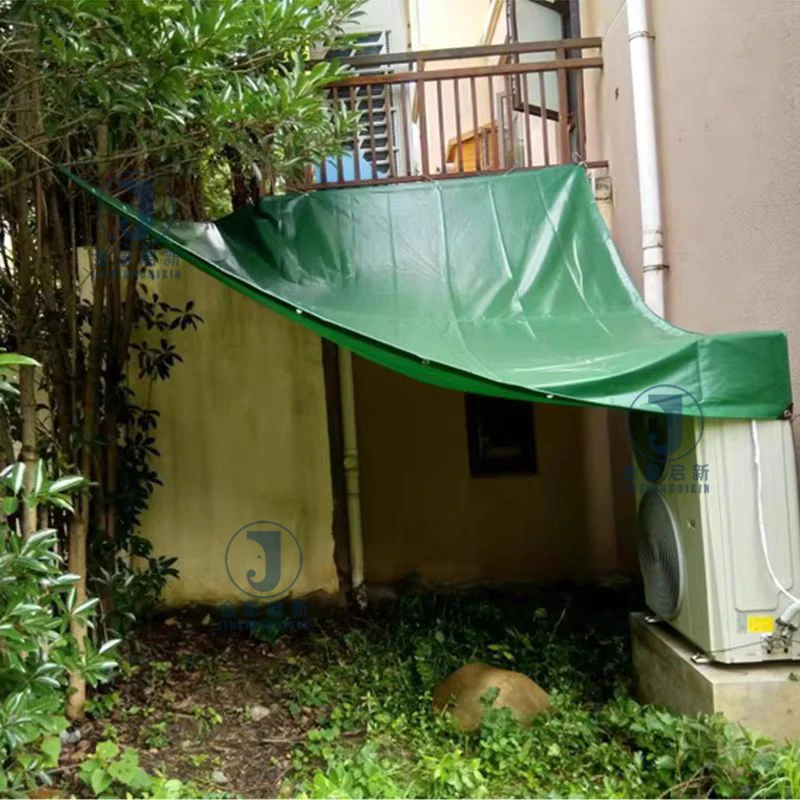
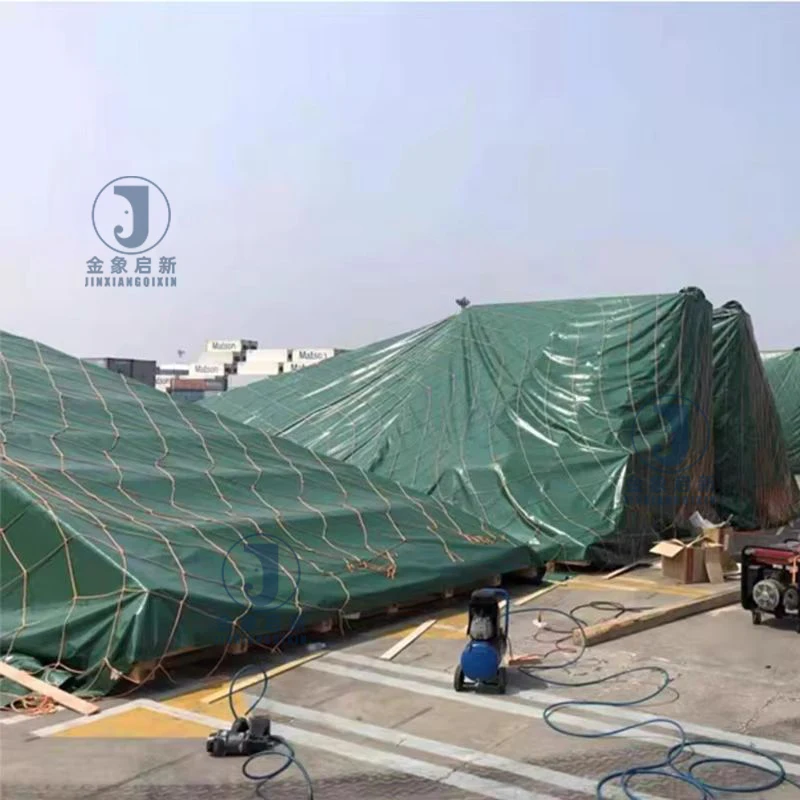

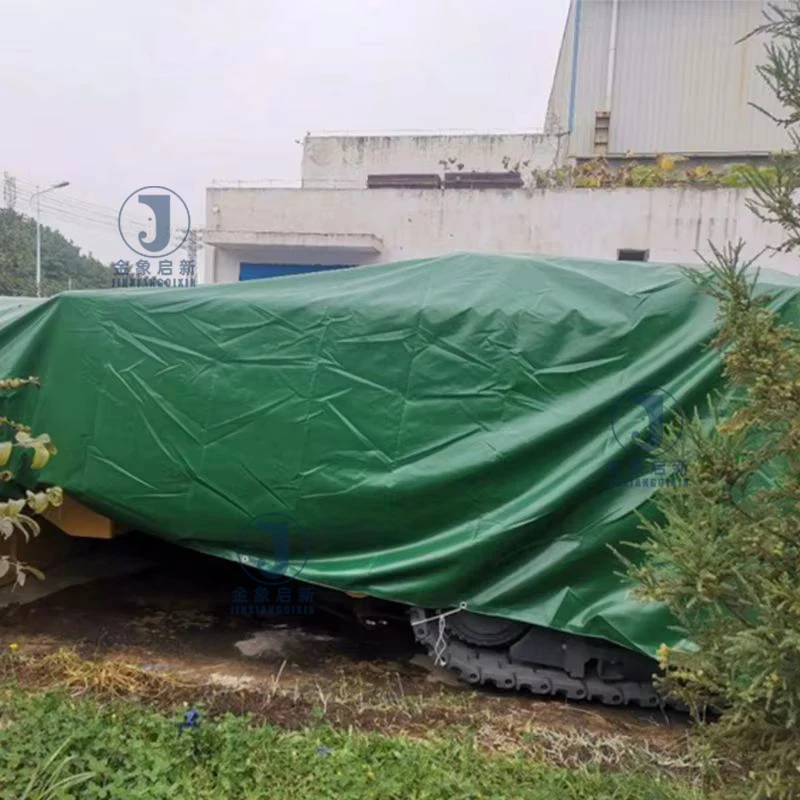
Proven Coated Fabric Expertise — Three decades of PVC coating process control translate directly into roll-to-roll consistency for ventilation duct and membrane structure fabricators who cannot afford batch variation on certified projects.
Technical Specifications
| Parameter | Value |
|---|---|
| Product Type | PVC Coated Tarpaulin |
| Coating Material | PVC |
| Base Fabric | Woven construction |
| Weight | At least 450 grams per square metre |
| Waterproof Barrier | Yes — continuous PVC coating |
| Fire Retardant | Available in flame retardant grades — confirm the grade required for your market |
| Anti-Static | Available with anti-static treatment — request surface resistance data for your application |
| Certifications | ISO, CE |
Application Suitability
| Application | Exposure & Requirement |
|---|---|
| Mining and tunnelling ventilation ducts | Underground moisture, mechanical abrasion against ribs, mandatory fire retardant and anti-static compliance for site safety audits |
| Aviation hangar ductwork | Suspended air handling systems requiring documented fire classification and long-run dimensional stability |
| Inflatable and membrane structures | Repeated inflation cycles creating cyclic stress at seam lines, UV and weather exposure on outdoor enclosures |
| Industrial air handling | Continuous airflow pressure, condensation, and particulate contact in manufacturing environments |
When Certification Paperwork Fails at the Gate
Every mining and tunnelling contractor has faced the same scene: the ventilation duct fabric arrives on site, the safety officer asks for the fire retardant test report, and the supplier sends a generic data sheet that cites no standard. The load gets rejected before installation begins.
A PVC coated fabric fire retardant or anti-static grade is only as reliable as the test report that accompanies it.
Fabricators working on aviation, mining, and construction ventilation projects operate under audit regimes that demand traceable documentation — not marketing claims. When the specification calls for a particular fire classification or surface resistance value, the shipment must carry a report citing the exact standard the site inspector will reference [NEED_CITE: DIN 4102 fire classification for building materials]. Without that paper trail, even perfectly manufactured rolls sit idle while the project schedule slips. The cost of a documentation gap far exceeds the cost of specifying the correct grade at inquiry stage.
Dimensional Stability Under Duct Fabrication Loads
Ventilation duct construction demands that PVC coated fabric holds its shape through cutting, welding, and suspension. The woven base fabric construction in this material provides the dimensional stability required when fabricators produce long-run duct sections that must maintain uniform diameter under positive or negative air pressure. Any stretch or distortion during fabrication creates uneven airflow and stress concentrations at welded joints.
The PVC coating bonds to the woven substrate to form a composite that resists deformation during both manufacturing and installed service. For inflatable and membrane structure applications, this same stability ensures that panel geometry remains predictable when the structure is pressurised. Fabricators working with this PVC coated fabric fire retardant grade can set welding parameters with confidence that the material will not shift or shrink unpredictably at the seam.
Coating Integrity in Underground and Suspended Environments
Mining ventilation ducts operate in conditions where moisture, dust, and mechanical contact are constant. The continuous PVC coating creates a waterproof barrier that prevents moisture ingress into the base fabric, which would otherwise degrade tensile performance over time. In aviation hangar ductwork, condensation forms on the interior surface during temperature cycling — the coating must resist delamination under these repeated wet-dry conditions [NEED_CITE: tensile and tear test methods for coated fabrics per ISO 1421].
For membrane structures exposed to weather, the PVC coating shields the woven substrate from UV degradation and water penetration simultaneously. The coating weight and adhesion quality determine whether the fabric performs as a unified composite or begins to separate at high-stress zones after sustained exposure.
How Base Fabric and Coating Weight Interact in Practice
The stated weight of at least 450 grams per square metre reflects the combined mass of the woven base fabric and the PVC coating applied to it. This figure alone does not define performance — a fabric with a heavy coating over a low-density weave will behave very differently from one with a moderate coating over a tightly woven high-denier base. Tensile strength and tear resistance depend on the base fabric construction, while waterproofing, weldability, and surface durability depend on the coating formulation and thickness.
For ventilation duct applications, the balance between these two elements determines how the fabric handles both fabrication stress and in-service air pressure. A coating that is too thin relative to the base fabric weave will allow moisture penetration at the yarn crossover points. A coating that is too thick relative to the substrate may crack when the duct flexes during installation. The fire retardant and anti-static treatments, when specified, must be integrated into the coating formulation without compromising adhesion to the base fabric.
What Happens When the Wrong Grade Reaches the Site
A ventilation duct fabric specified without the correct fire retardant grade creates a compliance failure that halts the entire installation. Mining operations require documented proof that duct materials meet the fire safety standards enforced by the relevant jurisdiction — a generic material certificate does not satisfy the inspector [NEED_CITE: fire safety requirements for underground ventilation materials]. The rejected rolls must be removed, replacements sourced, and the project timeline absorbs the delay.
Anti-static compliance operates under the same logic. In environments where combustible dust or flammable gases are present, the surface resistance of the duct fabric must fall within the range specified by the site safety protocol. Fabric that lacks documented anti-static testing introduces an ignition risk that no contractor can accept. Beyond compliance, batch-to-batch inconsistency in coating weight or colour forces fabricators to rework panels that do not match, adding waste and labour cost to projects that were already specified correctly on paper.
Why Fabricators Source This Material Here
Deep process control over coating weight and adhesion means that PVC coated fabric for duct and membrane applications leaves the production line with consistent coating integrity across every roll in the order.
Three full production lines and professional equipment sets support bulk volume requirements without compressing lead times for custom widths or certified grades.
A dedicated R&D team handles material selection for project-specific fire retardant and anti-static requirements, developing samples within days so fabricators can validate before committing to production volume.
QA and QC checkpoints at every production stage, with full pre-shipment inspection, ensure that the fabric weight, coating adhesion, and roll consistency match the specification documented at inquiry stage.
Nearly 30 years of focused coated fabric production provides the process knowledge required to match fire retardant grades and anti-static formulations to the compliance frameworks that mining, aviation, and construction sites enforce.
Documentation & Verification
- Material specification sheet stating verified GSM, base fabric construction, and PVC coating details
- Fire retardant test report citing the specific standard matched to project specification
- Anti-static surface resistance measurement with test documentation for site safety audit
- ISO and CE certificates included in the shipment documentation package
- Pre-shipment inspection record confirming fabric weight and coating integrity per roll
- Roll packing list and certificate of origin for customs clearance
Fabrication, Handling & Storage
- Heat welding parameters should be calibrated to the PVC coating thickness to ensure seam strength matches the base fabric tensile capacity
- Cut panels with allowance for the woven base fabric grain direction to maintain duct geometry under air pressure
- Store rolls upright on a flat surface to prevent permanent creasing in the PVC coating layer
- Allow cold-transported rolls to reach ambient temperature before unrolling to avoid coating crack at low flexibility
- Use compatible PVC repair adhesive for field patching of minor abrasion damage on installed duct sections
- Plan cutting layout to minimise offcuts and reduce the number of welded joints per duct section
What We Need to Quote Your Project
Provide the ventilation duct diameter, run length, and air pressure specification so we can recommend the appropriate fabric weight and construction for your application. Specify the fire retardant standard or anti-static surface resistance range required by your site safety protocol, and the volume of rolls or linear metres needed.
If the project requires custom width, colour matching across multiple rolls, or finished panels rather than roll stock, note these requirements at inquiry stage so we can develop a sample for your approval before production begins.
Frequently Asked Questions
Q: What fire retardant grades are available and which standard does each meet?
A: We supply PVC coated fabric in multiple flame retardant grades aligned to standards including M2, B1 per DIN 4102, and NFPA 701. Confirm the specific standard your project specification or site safety protocol requires, and we will provide the corresponding test report with your shipment documentation.
Q: How is anti-static performance measured and what surface resistance is achieved?
A: Anti-static performance is measured by surface resistance testing, and the target value depends on your site safety requirements. We provide documented surface resistance data with every anti-static grade shipment so your safety officer can verify compliance against the project specification before installation proceeds.
Q: Can the fabric be supplied with certification documentation for mining or aviation audits?
A: Yes. Every shipment includes the applicable fire retardant test report, anti-static measurement data, ISO and CE certificates, and a pre-shipment inspection record. These documents are prepared to satisfy the audit requirements of mining, tunnelling, and aviation site inspectors.
Q: What GSM and base fabric options are available for duct and membrane fabrication?
A: We offer fabric starting from at least 450 grams per square metre with woven base fabric construction. For projects requiring higher weight or specific denier, share your tensile and tear performance targets so we can recommend the appropriate base fabric and coating combination for your fabrication process.
Q: How is batch consistency controlled across multiple rolls for a single project?
A: Each production run is monitored for coating weight, colour uniformity, and adhesion quality at every stage. Pre-shipment inspection covers all rolls in the order, and the inspection record is included in your documentation package so you can verify consistency before fabrication begins.