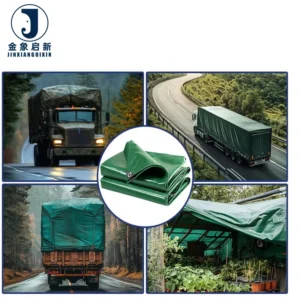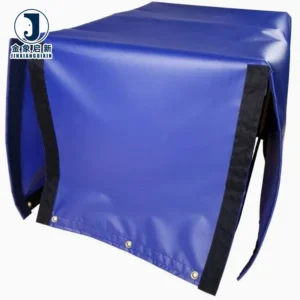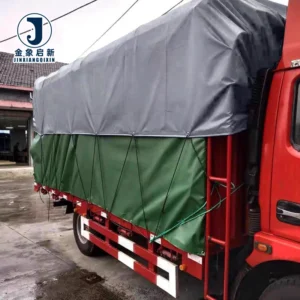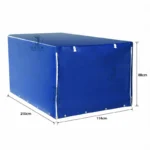
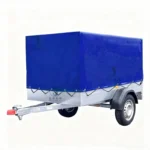
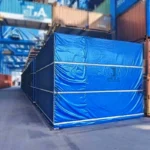
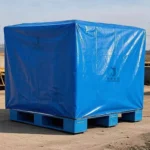
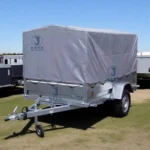
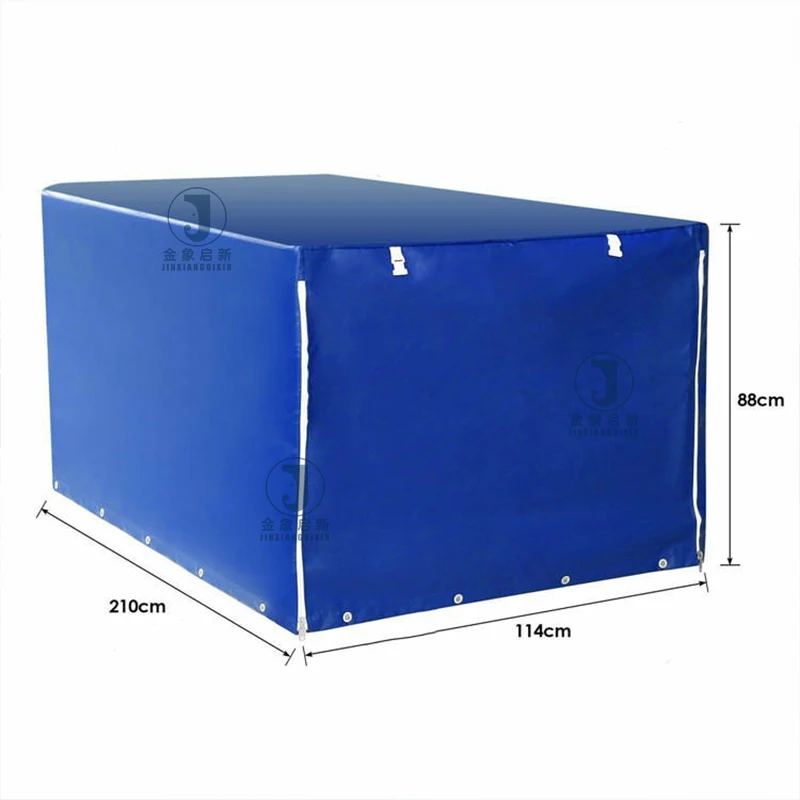
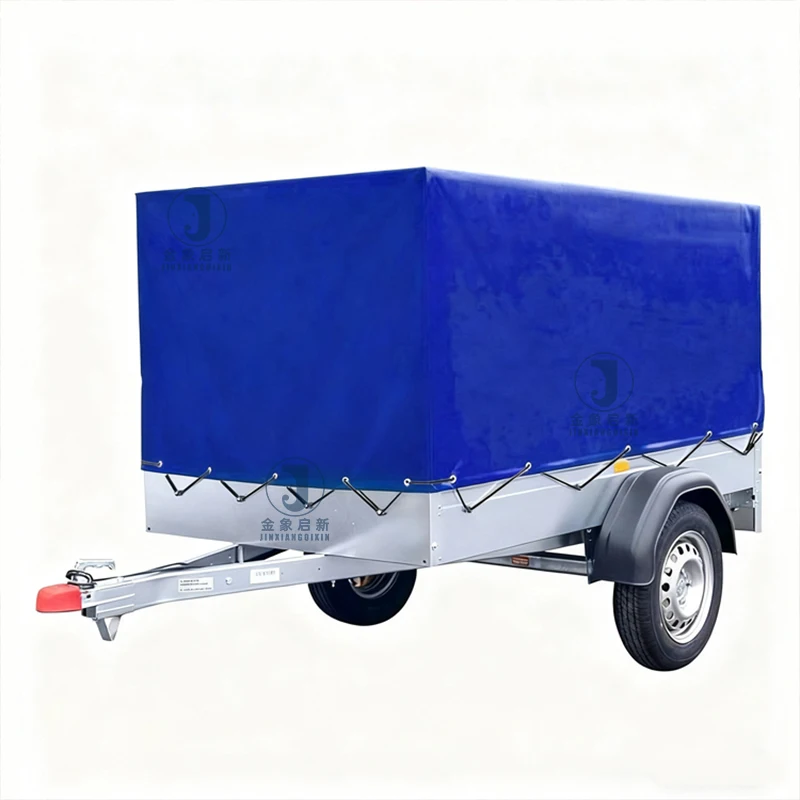
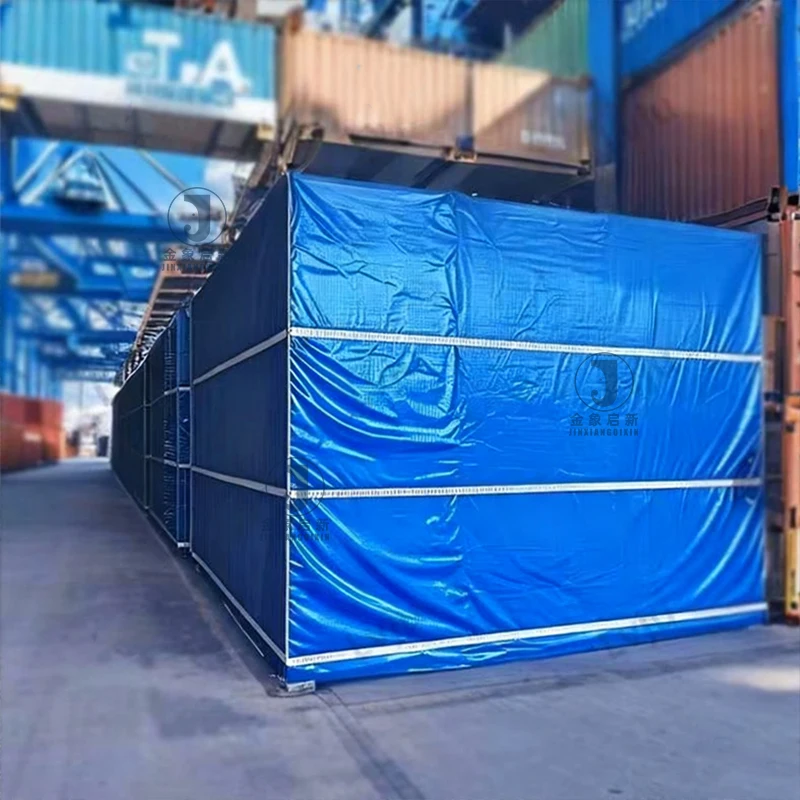
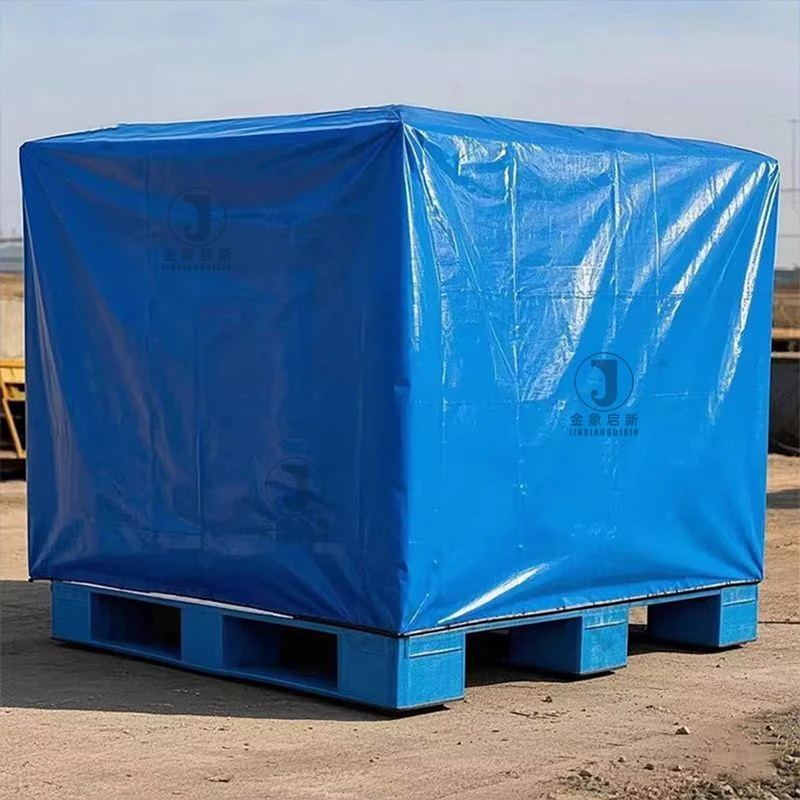
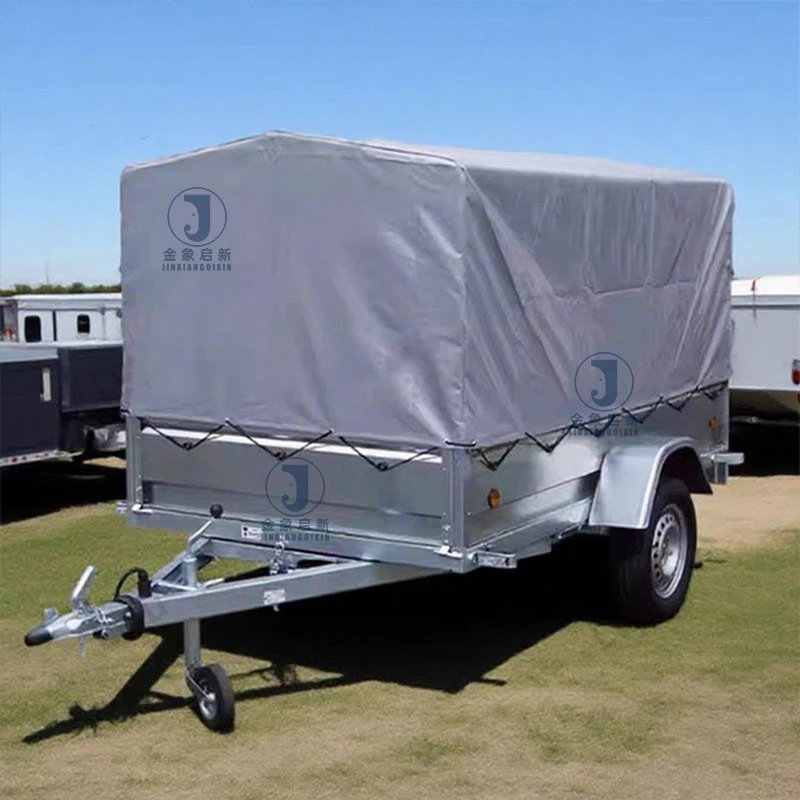
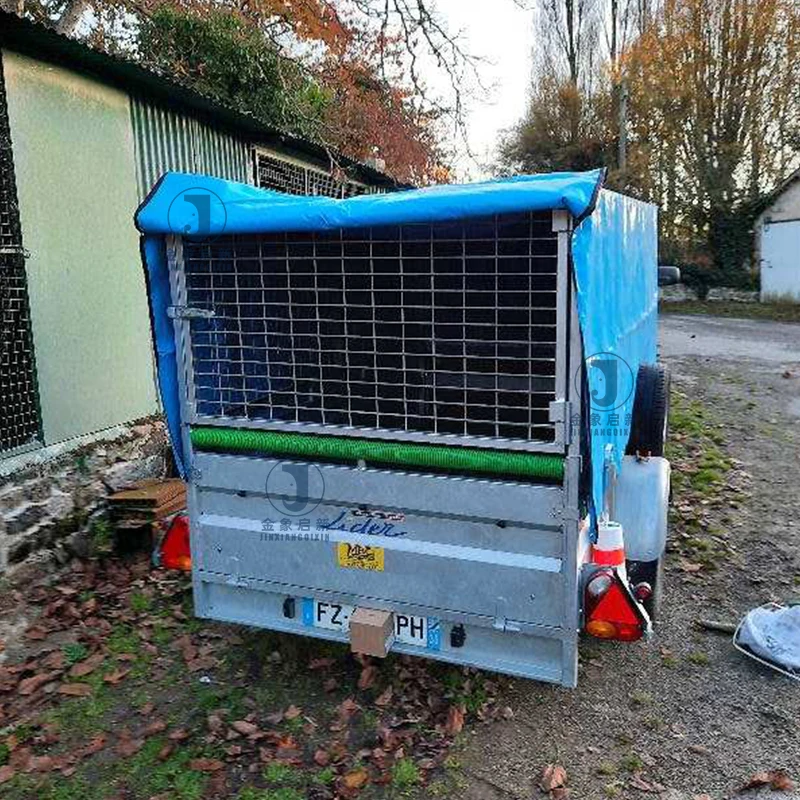
Deep Coating Process Control — Hot-melt coating and laminated technology bond PVC to high-tenacity polyester mesh with consistent adhesion across every square metre, verified at each production stage for industrial and specialist applications.
Technical Specifications
| Parameter | Value |
|---|---|
| Product Type | PVC Truck Cover |
| Material | PVC + High-strength polyester mesh fabric |
| Coating Method | Laminated technology & Hot-melt Coating technology |
| Weight Options | 350gsm / 420gsm / 500gsm / 550gsm / 600gsm / 750gsm |
| Total Thickness | 0.32mm / 0.35mm / 0.4mm / 0.45mm / 0.5mm / 0.65mm |
| Color Options | Blue / Red / Yellow / Light blue / Grey (Customized) |
| Flame Retardant | Available in flame retardant grades — confirm the grade required for your market |
| UV Treatment | UV treated material — request test report for your exposure class |
| Anti-Static | Anti-static treatment available — surface resistance standard to be confirmed |
| Waterproof Rating | Fully waterproof coated construction with overall coating sealing |
| Key Features | Cold crack resistance, anti-mildew, outstanding tearing strength for welding, best color fastness, hot welded hem at bottom |
| Finishing Options | Eyelets, zipper, velcro as option |
| Printing Option | Custom printing of brand available |
| Certifications | ISO, CE |
Application Suitability
| Application | Exposure & Requirement |
|---|---|
| Trailer side curtain covers | Constant flexing at tie-down points, road abrasion, UV and weather exposure, wind load cycling |
| Flatbed truck covers | Heavy cargo loads shifting during transit, rain ingress risk, dust contamination, repeated tensioning |
| Cargo ship deck covers | Salt spray, permanent UV exposure, mechanical abrasion from rigging, prolonged water contact |
| Tent and temporary structure covers | Long-term weathering, wind uplift stress, fire safety compliance at event venues, repeated assembly |
| Mining and tunnelling ventilation enclosures | Anti-static requirement in explosive atmospheres, fire-retardant compliance, particulate and dust containment |
Why a Stated GSM Does Not Guarantee Fire or Static Compliance on Your PVC Truck Cover
A cover that meets your weight spec but lacks the right certification paperwork is still a failed delivery.
Fleet operators and terminal safety officers increasingly demand documentation, not just datasheet claims. When a PVC truck cover arrives on site without a test report tied to a recognised flame-retardant or anti-static standard, the load stays uncovered and the schedule slips. I have watched transport managers reject entire consignments because the material specification sheet listed a treatment but no grade or test method behind it [NEED_CITE: fire classification standards for transport and industrial coverings].
The gap between "treated" and "certified" is where procurement risk sits. Hot-melt coating and laminated technology deliver strong adhesion between the PVC layer and the polyester base fabric, but the chemical additives that provide flame retardancy or anti-static dissipation must be validated independently for the regulatory environment where the truck or trailer operates.
Ventilation and Containment Demands Beyond Simple Weather Protection
Industrial and specialist applications require more than waterproofing. Mining ventilation ducting, aviation ground support enclosures, and tunnel construction barriers all call for a PVC truck cover fabric that manages airflow, resists particulate ingress, and meets site-specific fire and static safety rules. The hot-melt coating process ensures the PVC layer fully encapsulates the polyester mesh, reducing the chance of delamination under continuous air pressure cycling.
When Anti-Static Treatment Becomes a Compliance Gate
In environments where combustible dust or flammable vapours are present, surface charge accumulation on a standard PVC truck cover becomes an ignition risk. Anti-static treatment modifies the surface resistivity of the coating, but without a measured value tied to a recognised standard, safety auditors will flag the material. Always confirm the surface resistance range and the test method before committing to a production run [NEED_CITE: anti-static surface resistance testing for coated fabrics].
How Coating Method and Base Fabric Determine Weld Integrity
The laminated and hot-melt coating technologies used here produce different adhesion profiles between the PVC skin and the high-strength polyester mesh base. Laminated coatings bond through heat and pressure, creating a uniform film suitable for wide-panel applications. Hot-melt coating penetrates the mesh structure more deeply, which improves peel strength at welded seams — critical where hems, eyelets, and tie-down reinforcements concentrate stress. The tearing strength of the base fabric determines how far a puncture propagates before the weld line arrests it, which is why denier and weave density matter as much as GSM when specifying material for high-flex trailer applications [NEED_CITE: tensile and tear test methods for coated fabrics per ISO 1421].
Thickness options from 0.32mm to 0.65mm correlate with coating weight and influence both cold crack resistance and the temperature window for hot-air welding. Thinner gauges weld faster but demand tighter temperature control to avoid burning through the PVC layer. Heavier gauges tolerate a wider welding parameter range and hold eyelet pull-out strength under repeated tie-down tensioning.
The Real Cost of Specifying Without Test Documentation
A cover that fails a fire inspection on arrival means the truck sits idle while replacement material is sourced — a delay measured in weeks, not days. Colour variation between rolls in the same order becomes visible the moment panels are installed side by side on a fleet of trailers, forcing a full re-order. Welded seams that part before the fabric itself wears through typically indicate a mismatch between the welding temperature profile and the coating formulation, not a defect in the fabric. Each of these failures traces back to a specification that relied on claims rather than verified test data [NEED_CITE: pre-shipment inspection protocols for coated fabric consignments].
Why Sourcing This PVC Truck Cover Through Jinxiang
Nearly 30 years of focused production on coated fabric means the process variables that control coating adhesion, colour consistency, and weld performance are managed in-house rather than outsourced. Three full production lines with 36 sets of professional equipment handle bulk volume without sacrificing the batch-to-batch consistency that fleet operators require across multiple trailer covers in one order.
A dedicated 10-person R&D team develops samples within days for custom sizing, colour matching, and finishing configurations — eyelet spacing, zipper placement, velcro closure layouts — so you validate the fit on your specific trailer model before bulk commitment. QA inspection at every production stage, with 100% pre-shipment checking, catches GSM drift, coating weight deviation, and colour variance before the material leaves the facility.
ISO and CE certification underpins the documentation package that accompanies each dispatch, supporting customs clearance and on-site compliance audits.
Documentation & Verification
- Material specification sheet stating GSM, base fabric denier, coating method, and colour reference for each roll or cut piece
- Test report for flame retardant and UV grades where applicable, citing the test standard and measured result
- Pre-shipment inspection record confirming weight, thickness, and visual consistency across the full order
- Roll packing list with piece count, dimensions, and gross weight for customs and warehouse receipt
- Certificate of origin and customs support documentation for destination country clearance
Fabrication, Handling & Storage
- Hot-air weld temperature must match the coating method — laminated and hot-melt coatings require different heat profiles to avoid delamination at hem joints
- Eyelet insertion points on heavier gauges (600gsm and 750gsm) require reinforced patches to distribute tie-down load without tearing the PVC layer
- Store rolls upright on pallets in a shaded, ventilated area to prevent flat-spot deformation and surface blocking between PVC layers
- Cold-weather unfolding below the material’s cold crack threshold risks surface micro-cracking — allow rolls to acclimatise before tensioning on a trailer frame
- Clean with mild detergent and soft brush only; solvent-based cleaners degrade the anti-static surface treatment and compromise UV stabiliser migration
What to Provide When Requesting a Quotation
Share your trailer model or enclosure dimensions, the regulatory environment for fire and anti-static compliance at your operating sites, and your annual volume forecast. Specify whether you need finished covers with eyelets, zippers, and velcro already installed, or roll stock for your own fabrication line. If colour matching to an existing fleet livery or brand print is required, send the reference swatch or Pantone code so we can develop a sample for approval before production.
Frequently Asked Questions
Q: How is the GSM verified before my PVC truck cover order ships?
A: Every roll and cut piece undergoes weight verification against the stated GSM during our 100% pre-shipment inspection. The inspection record is included in your documentation package so you can cross-check on arrival. If your receiving process requires independent re-inspection, we provide sample swatches from each production batch for your own lab testing.
Q: What fire-retardant grade is available and does it meet transport safety regulations?
A: Flame retardant grades are available, but the specific grade required depends on your destination market and application — transport, mining, and event venue regulations differ. Provide the standard your site or terminal mandates, and we will supply the matching test report. Confirm the grade early in the sampling stage to avoid delays at compliance review.
Q: How are welded seams reinforced at high-flex tie-down and hem points?
A: Hot welded hems are applied at the bottom edge and stress zones where the load flexes most during transit. The coating method — laminated or hot-melt — determines the peel strength at the weld line. We adjust welding parameters to match the coating formulation so the seam outlasts the fabric under repeated tensioning and road vibration.
Q: How is batch colour consistency maintained across multiple covers in one order?
A: Colour is controlled at the coating stage with reference to your approved sample swatch. Every roll in the same production run is checked for shade variance during in-process QA and again at pre-shipment inspection. This prevents the visible mismatch that occurs when panels from different batches are installed side by side on adjacent trailers.
Q: What eyelet, zipper, and velcro options are available for specific trailer fitment?
A: Eyelets, zippers, and velcro closures are all available as finishing options. Provide your trailer model dimensions and tie-down configuration so we can position hardware to match your fleet’s existing tensioning system. Samples with full finishing are developed within days for fit verification before you commit to bulk production.