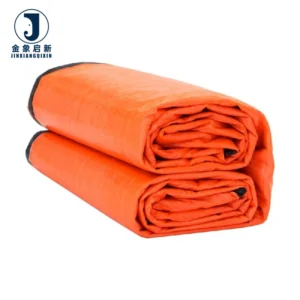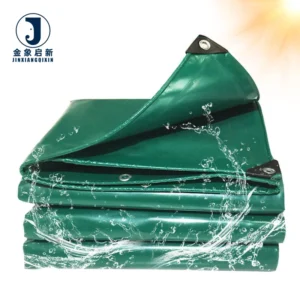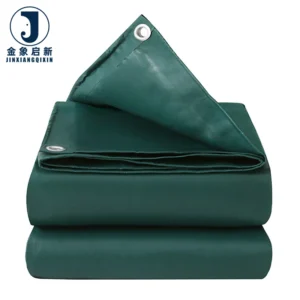
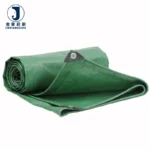
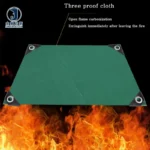
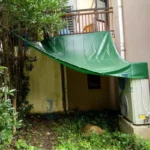
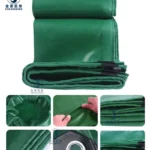
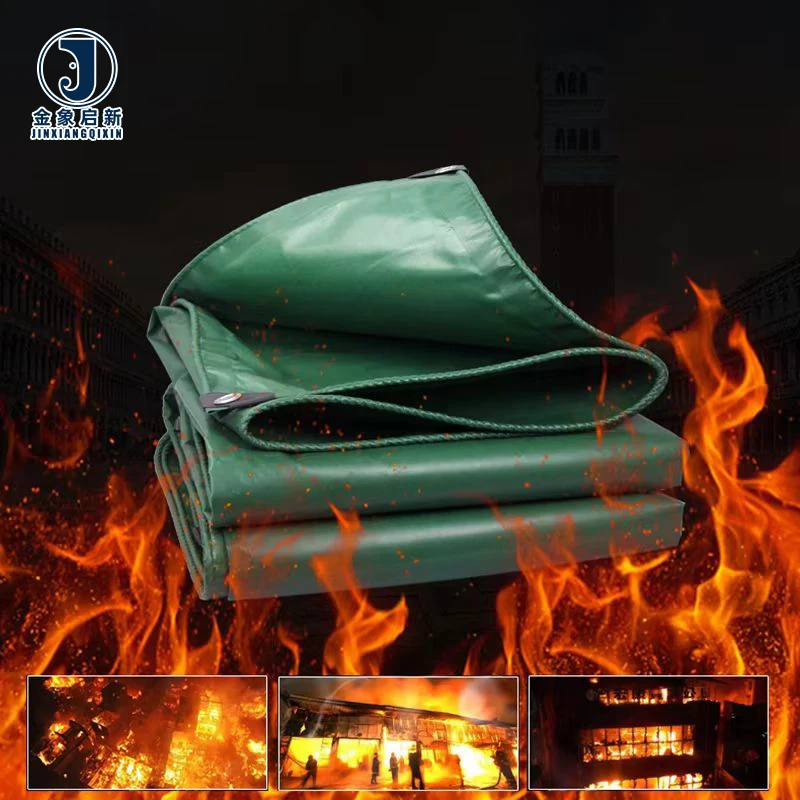
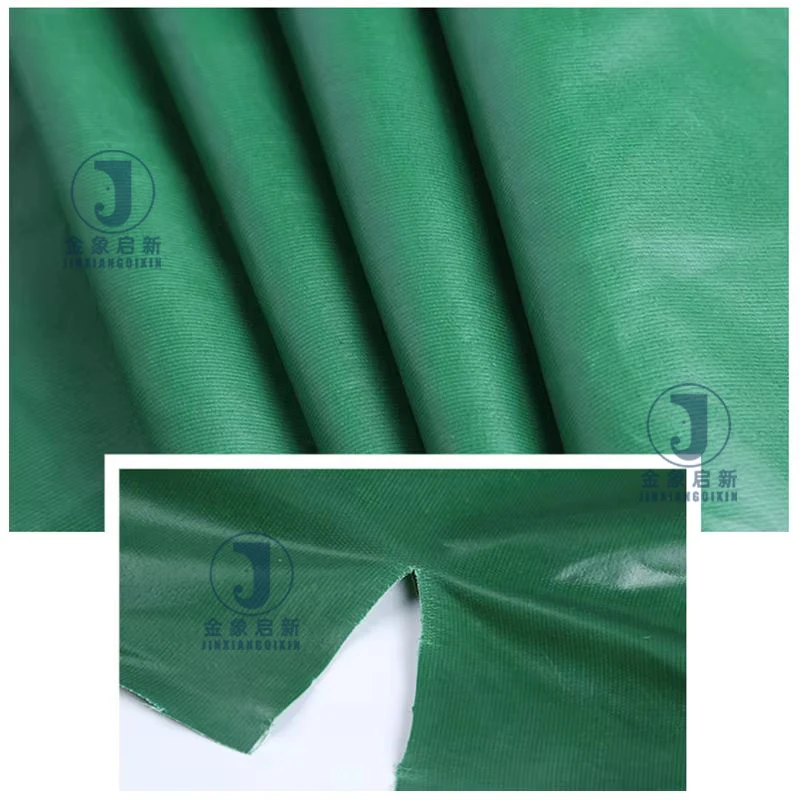
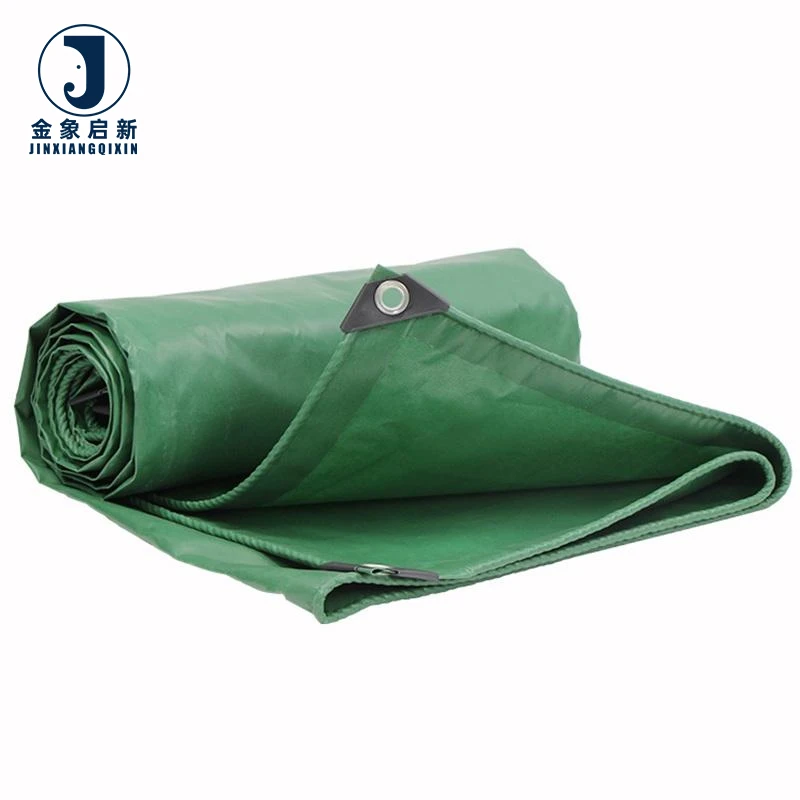
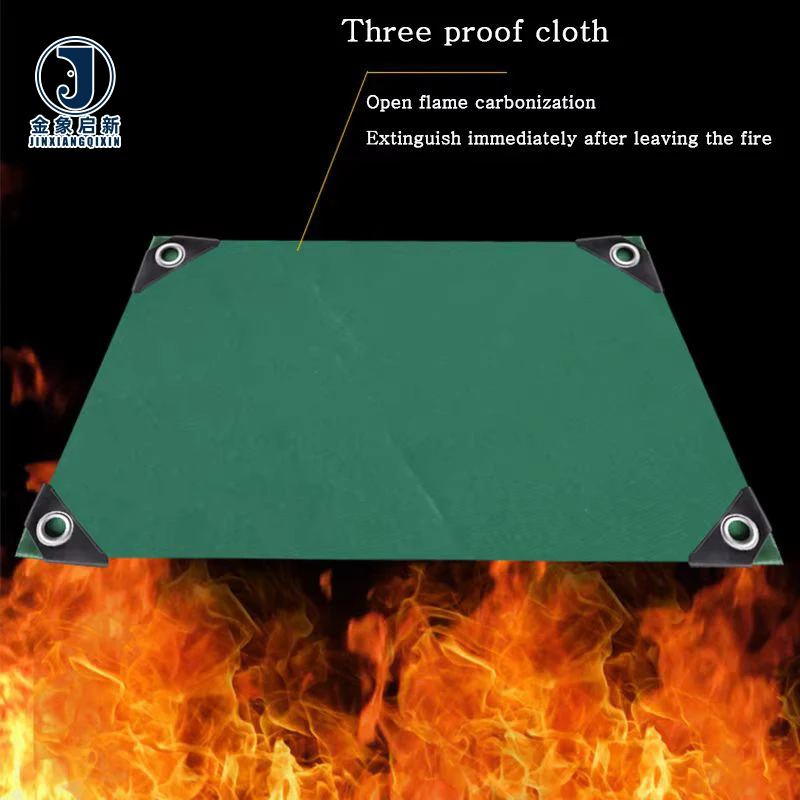
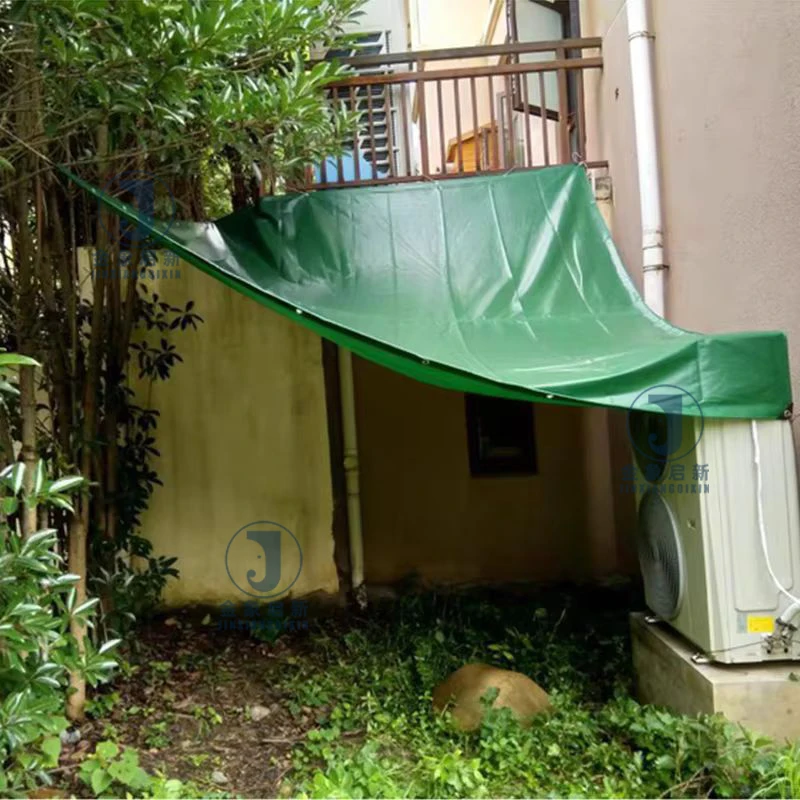
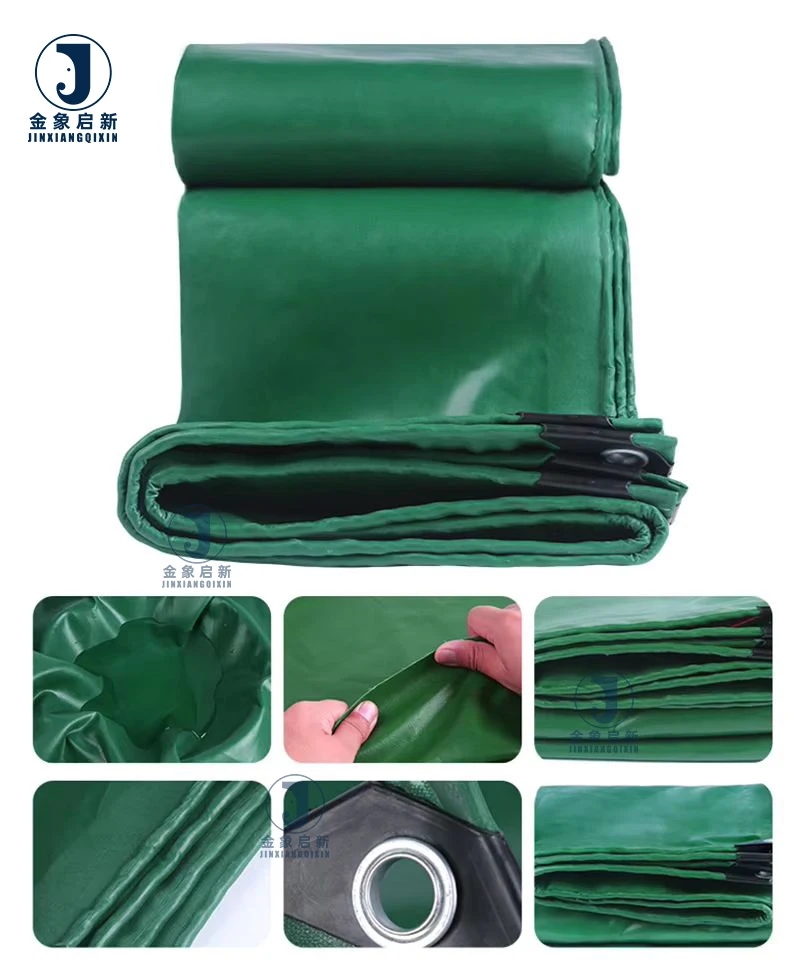
Deep Process Control — Nearly 30 years focused on coated fabric, with dedicated QA/QC at every production stage ensuring flame retardant grades meet site-specific compliance for ventilation and membrane structures.
Technical Specifications
| Parameter | Value |
|---|---|
| Product Type | PVC Coated Tarpaulin |
| Yarn Count | 500D-500D |
| Material | PVC & Polyester |
| Weight Range | 450-900 g/m² |
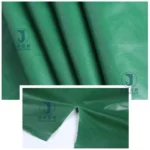
| Surface Characteristics | Smooth and soft surface with a leather-like texture |
| Key Features | Water Resistant, Flame Retardant, Waterproof, Anti-UV |
| Service Life | 3-5 years |
| Repairability | Repairable by hot air welding |
| Standards | ISO, CE |
Application Suitability
| Application | Exposure & Requirement |
|---|---|
| Mining and tunnelling ventilation ducts | Continuous positive air pressure, rock dust abrasion, strict fire safety compliance underground |
| Aviation facility temporary enclosures | Fuel vapour exposure, rapid deployment, mandatory flame retardant certification for airside operations |
| Inflatable and membrane structures | Sustained tensile load, wind uplift, UV degradation, welded seam integrity under tension |
| Industrial air duct systems | Airflow friction, temperature fluctuation, anti-static requirements in explosive atmospheres |
What "Flame Retardant" Means Without a Grade Behind It
A flame retardant claim without a test standard is a liability, not a specification.
Mining and tunnelling contractors specify fire retardant PVC coated fabric based on site regulations — M2, B1, NFPA 701, or local mining codes. When the fabric arrives with only a generic "flame retardant" label and no corresponding test report, safety audits fail and operations halt. This is not a paperwork issue; it is a compliance gate that stops work on site. We have seen projects delayed because the fabric supplier could not produce a test result matching the grade the contractor’s safety plan required. Available in flame retardant grades — confirm the grade required for your market before placing the order. [NEED_CITE: fire classification standards for coated fabrics in mining ventilation]
Base Fabric Construction and Structural Stability
The 500D-500D polyester base fabric provides the structural backbone for this fire retardant PVC coated fabric. In ventilation duct applications, the fabric must withstand sustained internal pressure without stretching or deforming at the seams. Polyester yarn at this denier delivers the dimensional stability needed for long duct runs in tunnelling operations, where a sagging or distorted duct reduces airflow efficiency and creates maintenance hazards.
Customizable Flame Retardant Treatment
Flame retardant treatment is applied during the coating process and can be configured to meet specific regulatory frameworks. Mining operations typically require certification aligned with national mining safety codes, while aviation facility enclosures must meet airside fire safety standards. The treatment is integrated into the PVC coating rather than applied as a surface finish, which means the fire retardant PVC coated fabric maintains its protective properties through welding, flexing, and extended field exposure.
Double-Sided PVC Coating for Environmental Sealing
Both sides of the polyester base receive a PVC coating, creating a fully sealed barrier against moisture, dust, and chemical exposure. In underground ventilation, this prevents rock dust and moisture from penetrating the fabric structure and degrading the base yarn over time. For membrane and inflatable structures, the double-sided coating ensures consistent performance regardless of which face is exposed to weather or internal pressure. [NEED_CITE: coating adhesion and peel strength test methods for PVC coated polyester]
Welding Behaviour and Seam Integrity
Hot air welding is the primary fabrication method for joining panels of this PVC coated tarpaulin fabric into ducts, membranes, and inflatable forms. The smooth, leather-like surface texture supports consistent heat transfer across the weld zone. The 450-900 g/m² weight range allows fabricators to select a grade that balances weldability with the structural demands of the end application — lighter grades weld faster and suit temporary duct runs, while heavier grades provide the tensile mass needed for permanent membrane tensioning.
How Weight and Yarn Count Interact to Determine Performance
Weight alone does not define fabric strength. The 450-900 g/m² range in this fire retardant PVC coated fabric reflects varying coating thickness applied to the 500D-500D polyester base. A heavier coating adds mass and improves puncture resistance but does not increase the tensile strength contributed by the base yarn. For ventilation ducts operating under high static pressure, the 500D yarn count provides the tear resistance that prevents a small puncture from propagating into a longitudinal split. Specifiers should evaluate both the GSM and the base fabric denier together rather than selecting on weight alone.
Coating Method and Peel Strength
PVC coating applied to polyester base fabric must achieve sufficient peel strength to prevent delamination under repeated flexing. In ventilation ducts, every pressure cycle flexes the fabric at folds and junction points. If the coating separates from the base yarn, the exposed polyester absorbs moisture and loses structural integrity. The coating process used for this PVC coated tarpaulin fabric is designed to achieve adhesion levels appropriate for the tensioned and flexed conditions found in duct and membrane applications. [NEED_CITE: ISO 1421 tensile and tear test methods for coated fabrics]
Selecting the Wrong Grade: Hidden Costs in Technical Applications
A ventilation duct fabricated from a grade that is too light for the operating pressure will show early signs of stress at welded seams and tie-off points. Conversely, specifying a heavier grade than necessary increases roll weight, makes handling and installation more difficult underground, and raises material cost without delivering proportional performance gains. When flame retardant certification does not match site requirements, the entire duct run must be replaced — a cost that dwarfs the initial fabric savings. Batch colour inconsistency across rolls can also force rework when sections of duct installed side by side show visible variation during client inspection.
Why Procure This Fabric Here
Three full production lines and 36 sets of professional equipment support consistent output of fire retardant PVC coated fabric at volumes required for large-scale mining and infrastructure projects. A 10-person R&D team handles material selection and sample development, enabling fabricators to confirm weld parameters and flame retardant grades before committing to a production run. Dedicated QA/QC inspection at every production stage, with 100% pre-shipment verification, ensures the GSM, flame retardant grade, and colour match the purchase order. Samples are developed within days for custom requirements, reducing the risk of specification errors reaching the fabrication floor.
Documentation & Verification
- Material specification sheet stating exact GSM, base fabric denier, and coating weight for the ordered grade
- Test report for flame retardant grade matched to the regulatory standard specified on the purchase order
- ISO and CE certificates covering the specific fabric grade and production batch
- Pre-shipment inspection record confirming weight, colour, and flame retardancy verification per roll
- Roll packing list with individual roll weights and dimensions for receiving verification
Fabrication, Handling & Storage
- Hot air welding temperature and speed must be calibrated to the specific GSM within the 450-900 g/m² range for consistent seam strength
- Store rolls horizontally on racking to prevent permanent creasing that compromises the smooth leather-like surface texture
- Allow cold-stored rolls to reach ambient temperature before unrolling to prevent cracking of the PVC coating layer
- Use compatible PVC-based repair patches and hot air welding for field repairs on duct and membrane installations
- Plan panel cutting layout to minimise offcut waste, particularly when working with heavier grades near 900 g/m²
- Clean fabricated ducts with mild detergent only; avoid solvent-based cleaners that may degrade the PVC coating surface
Preparing Your Enquiry
To specify the correct fire retardant PVC coated fabric for your project, provide the end-use application, the operating environment, and the fire safety standard required by your site or jurisdiction. Indicate the target GSM range, required roll width, and annual volume so we can confirm production capacity and lead time. If you need fabricated panels or finished duct sections rather than roll stock, share dimensional drawings and weld specifications so our R&D team can assess feasibility and prepare samples.
Frequently Asked Questions
Q: What fire-retardant standards can this fabric meet?
A: This fire retardant PVC coated fabric is available in grades formulated to meet various international standards including M2, B1, and NFPA 701. The specific grade must be confirmed against your project’s regulatory requirement before production. Provide your target standard and we will match the formulation and supply the corresponding test report.
Q: How is flame retardancy verified before shipment?
A: Every production run undergoes 100% pre-shipment inspection that includes flame retardancy verification. The test result is documented and included in the shipping documentation package. The test report references the specific standard and grade stated on your purchase order, providing a traceable compliance record for site safety audits.
Q: Can you provide certified test reports for mining and tunnelling compliance?
A: Yes. When you specify the mining or tunnelling fire safety code applicable to your project, we formulate the PVC coating to meet that standard and provide a test report from the production batch. This report accompanies the shipment documentation and serves as your compliance evidence for regulatory inspections underground.
Q: What is the minimum order for custom flame retardant grades?
A: Minimum order quantities for custom flame retardant grades depend on the specific formulation and the roll width required. Custom grades require a dedicated coating run, so minimums are set to ensure production efficiency. Share your target grade, roll width, and estimated volume, and we will confirm the minimum and lead time.
Q: How does the fabric perform in high-temperature ventilation applications?
A: The PVC coating on this polyester base fabric performs within standard PVC operating temperature boundaries. For ventilation ducts carrying heated air, confirm the maximum operating temperature against the specific grade selected. Our R&D team can review your thermal requirements and recommend the appropriate formulation or advise if a specialist coating is needed.