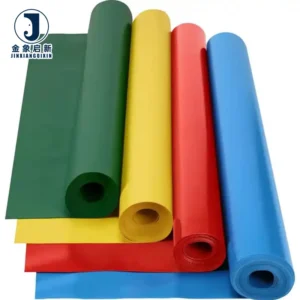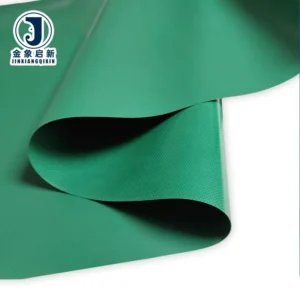
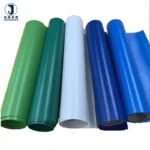


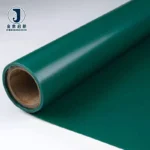
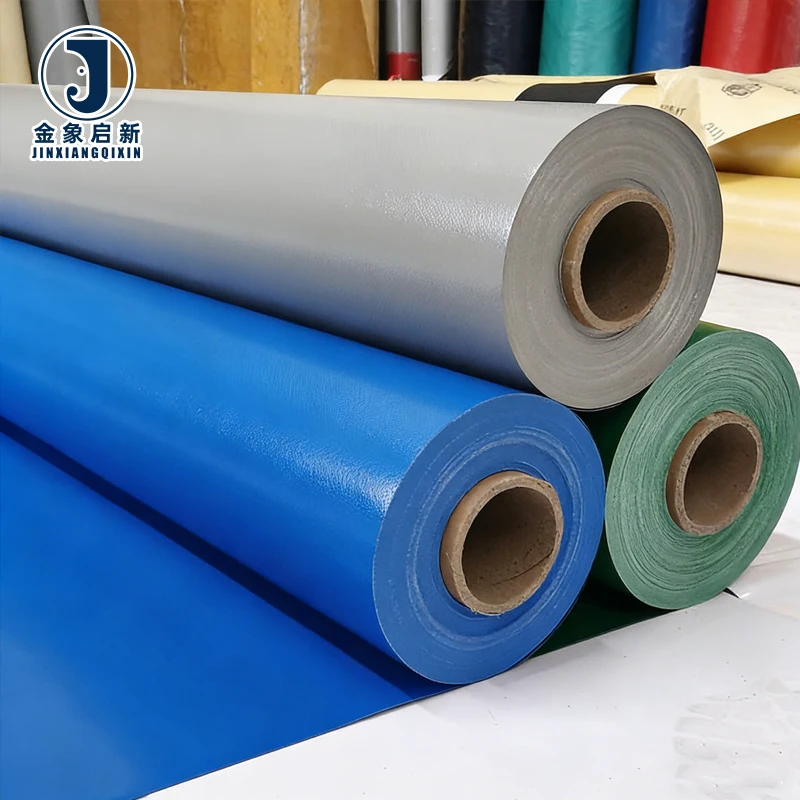
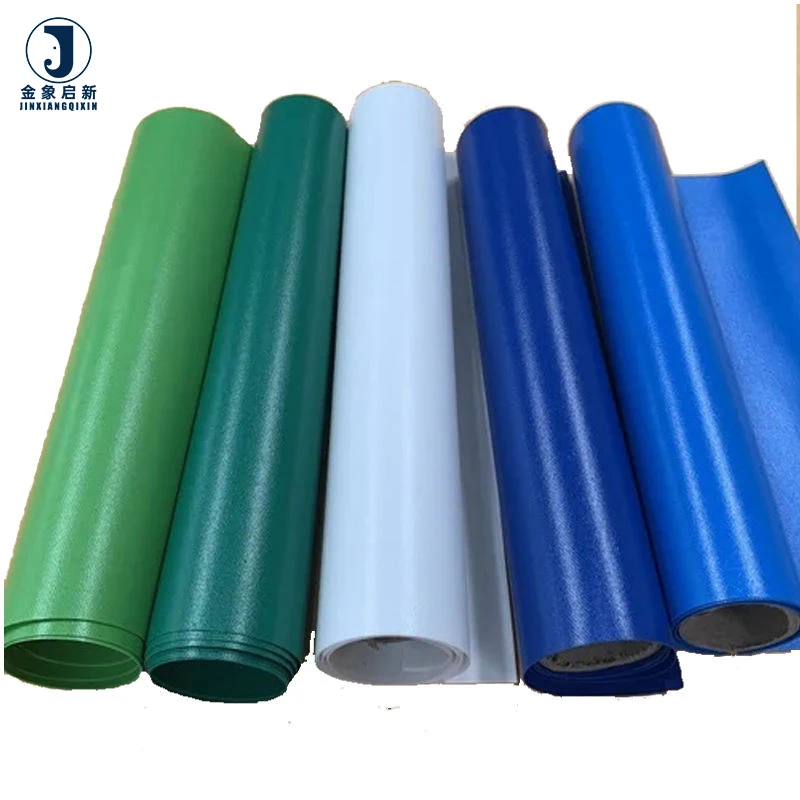
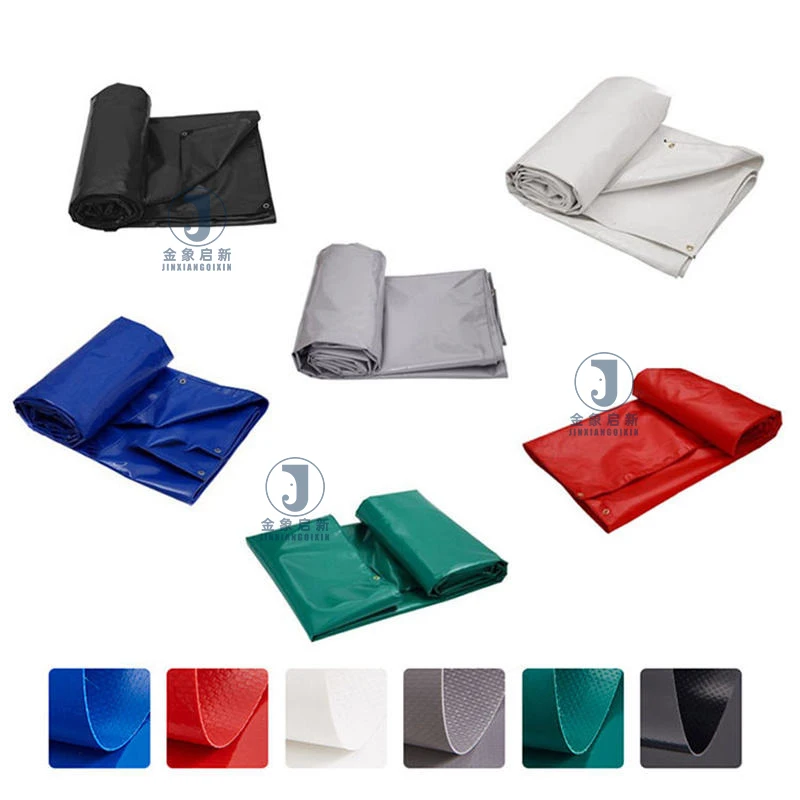
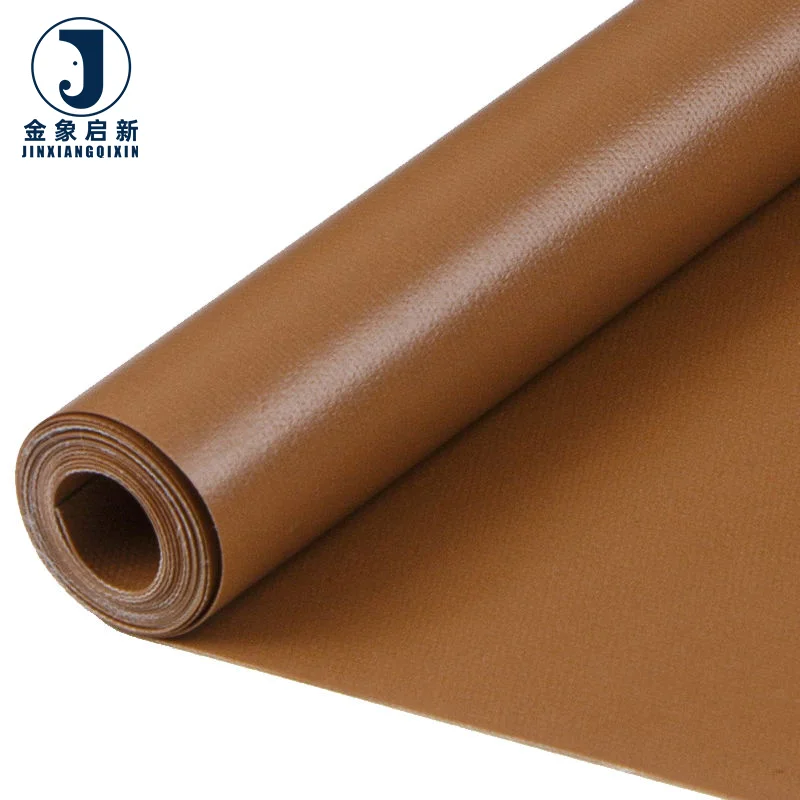
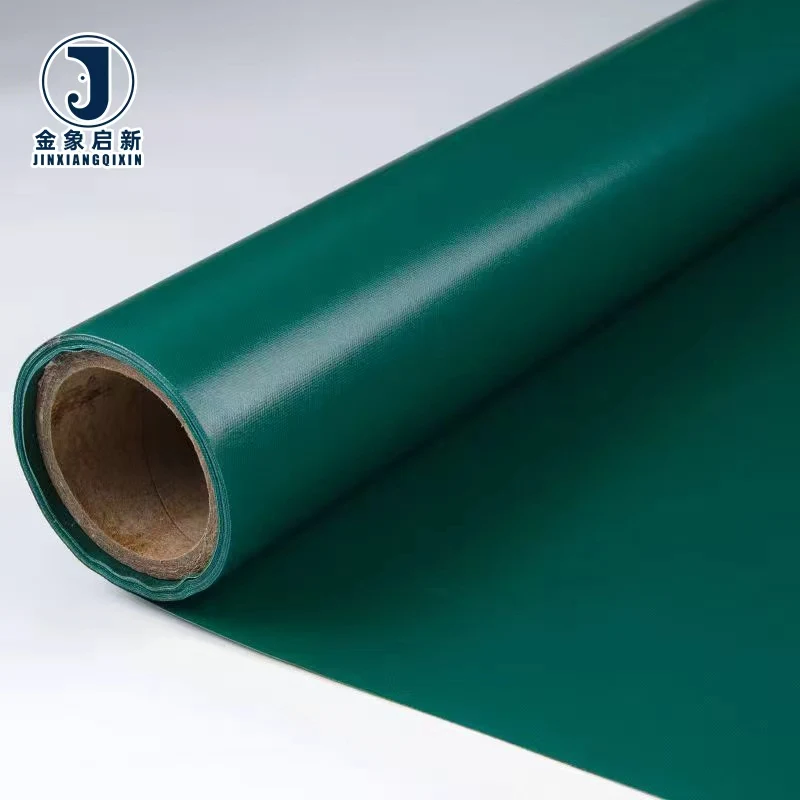
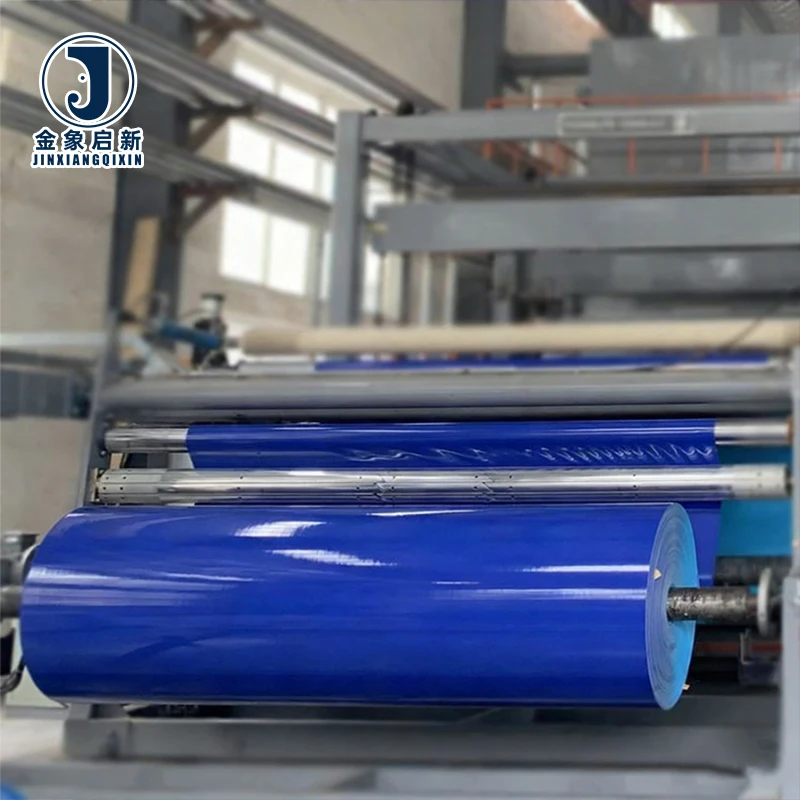
Coated Fabric Consistency — roll-to-roll GSM and colour verification at every production stage ensures the PVC coated tarpaulin roll you specify is the material you receive on site.
Technical Specifications
| Parameter | Value |
|---|---|
| Product Type | PVC Coated Tarpaulin Roll |
| Weight (GSM) | 610gsm / 650gsm / 800gsm |
| Coating Material | PVC |
| Water Resistance | Fully waterproof coated construction |
| Flame Retardant | Available in flame retardant grades — confirm the grade required for your market |
| Anti-UV Treatment | Available with anti-UV treatment — request UV test hours report before specifying |
| Tensile Strength | High tensile strength base fabric (test standard available on request) |
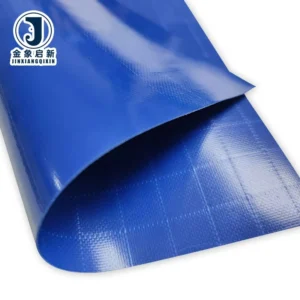
| Pattern Options | Ripstop woven pattern available for reinforced tear resistance |
| Surface Finish | Waterproof PVC coating |
| Roll Format | Supplied in roll stock for fabrication |
| Standards | ISO and CE certified production facility |
Application Suitability
| Application | Exposure & Requirement |
|---|---|
| Membrane and inflatable structures | Sustained wind load, UV exposure, fire compliance for public venues |
| Awning and tent fabrication | Repeated assembly and teardown, sun and rain exposure, flame retardant codes |
| Industrial air duct and ventilation | Airflow pressure, flex cycles, fire retardant and anti-static certification for mining or aviation sites |
| Specialist covers for regulated sites | Mandatory fire classification, chemical or abrasion contact, compliance documentation |
What "Fire Retardant" Means When No Grade Is Stated on the Data Sheet
A fire retardant claim without a named standard is a compliance gap waiting to stop your project.
Ventilation duct or membrane structure fabric arrives on site, and the safety auditor asks for the fire classification certificate. The supplier’s data sheet says "flame retardant" but lists no standard — no DIN 4102 class, no NFPA 701 result, no M2 rating. Work halts until documentation catches up, or the material is rejected outright. [NEED_CITE: fire classification requirements for temporary structures and ventilation systems vary by jurisdiction] This is a recurring issue on mining, tunnelling and aviation projects where the site safety plan references a specific fire performance standard and the PVC coated tarpaulin roll delivered does not map to it. The cost is not just the material — it is the idle crew, the resubmission cycle, and the schedule slip that follows.
Fire Retardant and Anti-Static Compliance for Regulated Sites
Mining and tunnelling ventilation ductwork operates under strict fire safety and explosive atmosphere regulations. The PVC coated tarpaulin roll used in these environments must carry a fire retardant grade that matches the site safety plan, and where methane or combustible dust is present, anti-static treatment becomes equally critical. We supply fire retardant grades across the 610gsm, 650gsm and 800gsm range — confirm which classification your market or site requires, whether that is B1 per DIN 4102, M2, NFPA 701 or another standard, and we will provide the corresponding test documentation with shipment.
GSM-to-Tensile Relationship in Ventilation and Membrane Fabric
Airflow pressure inside a ventilation duct places continuous tensile load on the fabric, and every flex cycle at bends or couplings tests the seam as much as the material itself. In membrane and inflatable structures, wind load and internal pressure create biaxial stress across the panel. Higher GSM alone does not guarantee higher tensile or tear performance — the base fabric denier, weave density and coating adhesion all contribute. [NEED_CITE: tensile and tear test methods for coated fabrics per ISO 1421] When specifying PVC coated tarpaulin roll for these technical applications, request the full test data set so you can match the grade to the actual structural load.
Reading the Specification Sheet Beyond the Weight Number
The GSM figure tells you how much material is in each square metre, but it does not tell you how that weight is distributed between base fabric and coating. A heavy coating on a light base fabric may show high GSM yet underperform in tensile strength compared to a balanced construction. The ripstop woven pattern option addresses tear propagation — the reinforcement grid limits the spread of a puncture or cut, which matters in inflatable structures where a single tear can deflate an entire panel. Surface finish affects more than appearance: a glossy face sheds dirt and water more readily in awning use, while a matte face may be preferred for printing or for reducing glare on event structures. Flame retardant chemistry interacts with the PVC coating formulation, and different grades target different regulatory frameworks — specifying the correct one at the inquiry stage avoids rework later. [NEED_CITE: relationship between coating weight, base fabric denier and tensile performance in PVC coated textiles]
The Hidden Cost of Specifying on Price Alone
When the quotation lists a target GSM but the roll arriving on site measures lighter, the tensile and tear performance drops with it. A ventilation duct that should hold pressure through a two-year contract begins to sag or split at the seam within months. A membrane structure specified with flame retardant fabric fails the fire marshal’s inspection because the test report references a standard the local authority does not recognise. Colour variation between rolls in the same shipment becomes visible once panels are welded side by side on a tensile structure, forcing a full reorder to maintain appearance. These failures share a common root: specification was based on a single number or a verbal claim rather than verified documentation. [NEED_CITE: pre-shipment inspection practices for coated fabric rolls in industrial supply]
Why Technical Buyers Source This PVC Coated Tarpaulin Roll Here
Three full production lines and 36 sets of professional equipment allow us to hold tight control over coating weight and adhesion across every roll in your order. A dedicated 10-person R&D team handles material selection, custom width development and sample builds, so you can validate the grade before committing to volume. Every roll undergoes 100% inspection before dispatch — GSM, colour and surface quality are verified individually, not by batch sampling. ISO and CE certified production processes back the documentation package that ships with your order. Samples for custom requirements are developed within days, not weeks, keeping your project timeline intact.
Documentation & Verification
- Material specification sheet stating exact GSM, base fabric denier and coating weight for the grade ordered
- Fire retardant test report referencing the specific standard required by your site or market
- Anti-UV test data confirming treatment hours for long-term outdoor membrane and awning use
- Pre-shipment inspection record with roll-by-roll weight and colour verification
- ISO and CE certificates included in the shipping documentation package
- Certificate of origin and customs support documents for international dispatch
Fabrication, Handling & Storage
- Heat welding parameters vary by GSM — request recommended temperature and dwell time for 610gsm, 650gsm or 800gsm grades before first production run
- Ripstop woven pattern rolls require alignment of the reinforcement grid at seam overlaps for maximum tear resistance
- Store rolls upright on pallets in a dry, shaded area to prevent permanent creasing of the PVC coating
- Allow cold-stored rolls to acclimatise to workshop temperature before unrolling to avoid coating crack at low temperature
- Use PVC-compatible cleaners only — solvent-based products may soften the coating and compromise fire retardant treatment
- Plan panel cutting layout to minimise off-cuts and reduce the number of heat-welded seams in high-stress zones
What to Include in Your Inquiry
Provide the application type and the specific exposure conditions the fabric will face — wind load, chemical contact, continuous airflow pressure or public access. State the fire retardant or anti-static classification your local authority or site safety plan requires. Confirm the roll width and total linear metres needed, and whether you require finished panels or roll stock only. If colour matching or a specific surface finish is important, note this at the inquiry stage so we can develop a sample for your approval.
Frequently Asked Questions
Q: Which fire retardant standards can you supply test reports for?
A: We offer PVC coated tarpaulin roll in flame retardant grades and can provide test documentation aligned to standards commonly required in mining, aviation and construction sectors. Specify the classification your site demands — such as B1 per DIN 4102, M2, NFPA 701 or DIN 4102 — and we will confirm availability and include the matching report with your shipment.
Q: How do I verify the GSM matches what was quoted when the rolls arrive?
A: Every roll is inspected individually before dispatch, and we include a pre-shipment inspection record with your documentation. On receipt, you can cross-check the weight using a scale and a measured sample cut. If any discrepancy appears, the inspection record provides the baseline for a claim.
Q: Can anti-static treatment be combined with fire retardant grades?
A: Yes, anti-static and fire retardant treatments can be applied together on the same PVC coated tarpaulin roll. This combination is typically specified for underground mining and tunnelling ventilation ducts where both explosive atmosphere compliance and fire safety are mandatory. Confirm both requirements at the inquiry stage.
Q: What roll widths are available for large-format inflatable and tent fabrication?
A: Roll width options depend on the GSM grade selected. Wider rolls reduce the number of heat-welded seams in large panels, improving both appearance and structural integrity. State your target panel dimensions and we will recommend the most efficient roll width for your cutting layout.
Q: How does heat welding perform on these PVC coated grades?
A: PVC coated fabric is well suited to hot-air and wedge welding. Seam strength depends on correct temperature, speed and pressure settings matched to the specific GSM. We recommend running test welds on sample material before full production and can provide guidance on parameters for each grade.