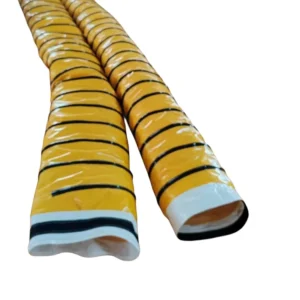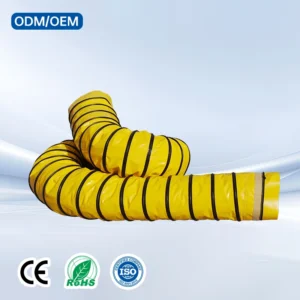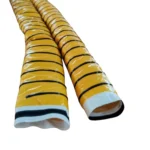



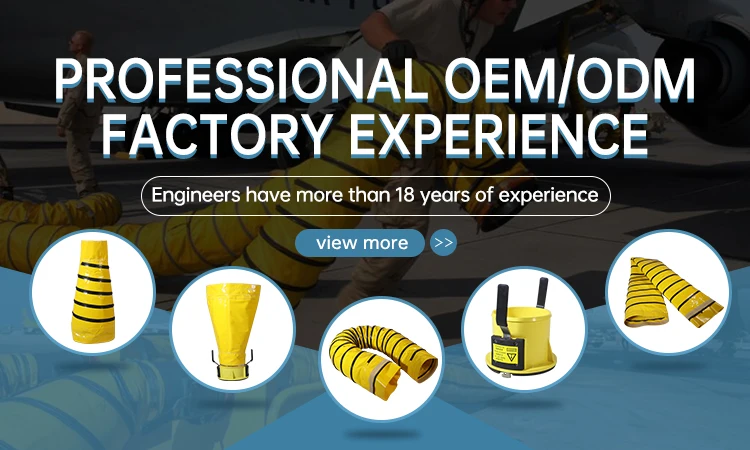

Process-Controlled Coating — Three full production lines maintain consistent PVC adhesion and insulation layer integrity across every Flexible PCA Air Conditioning Hose Aviation Cooling Duct run.
Technical Specifications
| Parameter | Value |
|---|---|
| Product Type | Aviation Air Conditioning Duct |
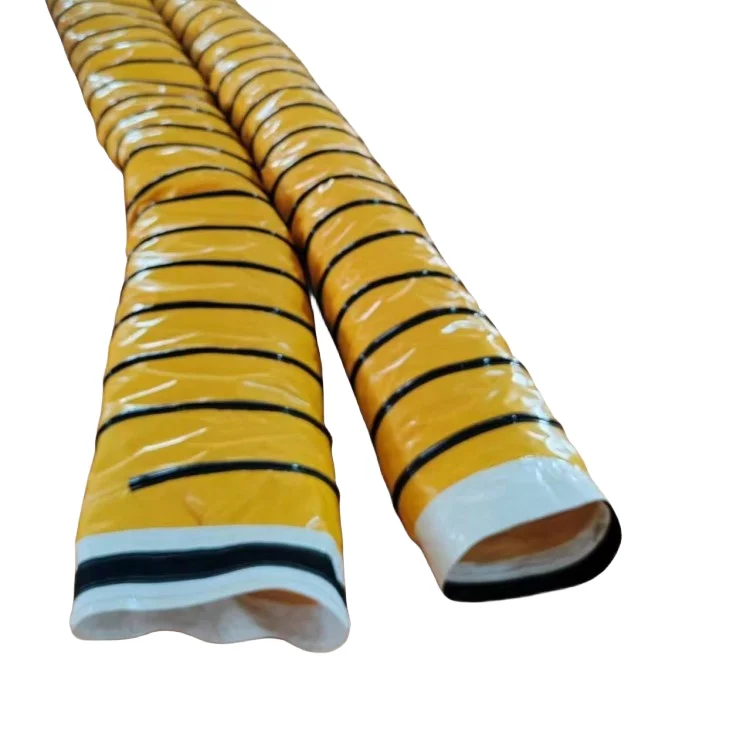
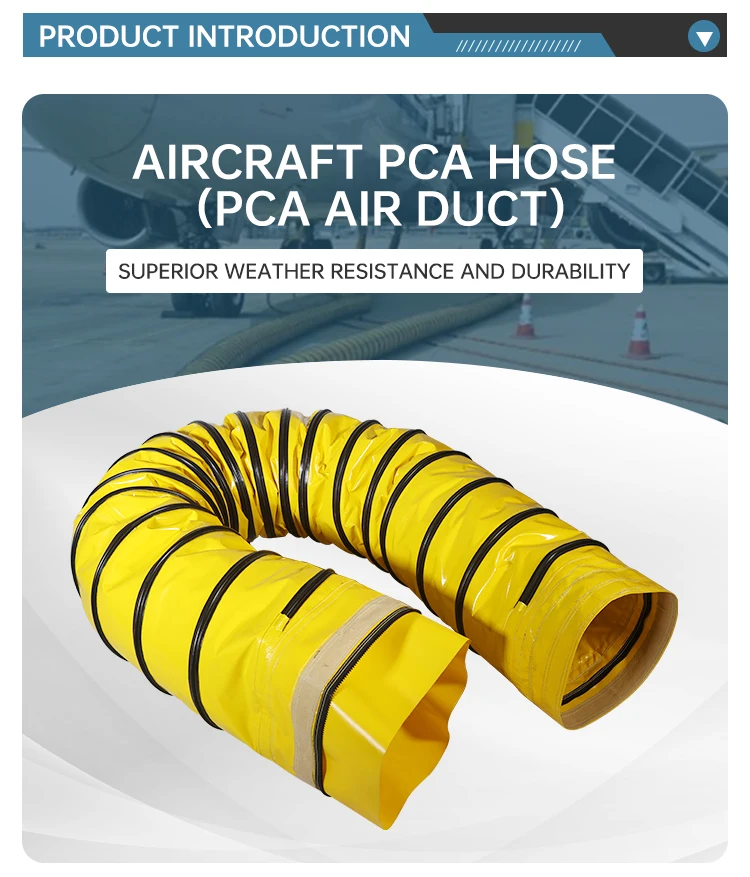
| Material | PVC coated cloth with fabric-reinforced layer |
| Insulation Layer | Built-in aluminum foil bubble film |
| Temperature Range | -30°C to 150°C |
| Connection Method | Zipper and Velcro link for disassembly |
| Outer Color | Yellow-black alternating protective coloring |
| Mildew Resistance | Available — confirm grade required for your application |
| Water Resistance | Available — confirm rating required for your application |
| Flame Retardant Grade | Available in flame retardant grades — confirm the grade required for your market |
| Anti-Static | Available — confirm anti-static certification required for your site |
| Logo Customization | Supported, MOQ 100 |
| Pattern Customization | Supported, MOQ 100 |
| Outer Packaging Customization | Supported, MOQ 100 |
Application Suitability
| Application | Exposure & Requirement |
|---|---|
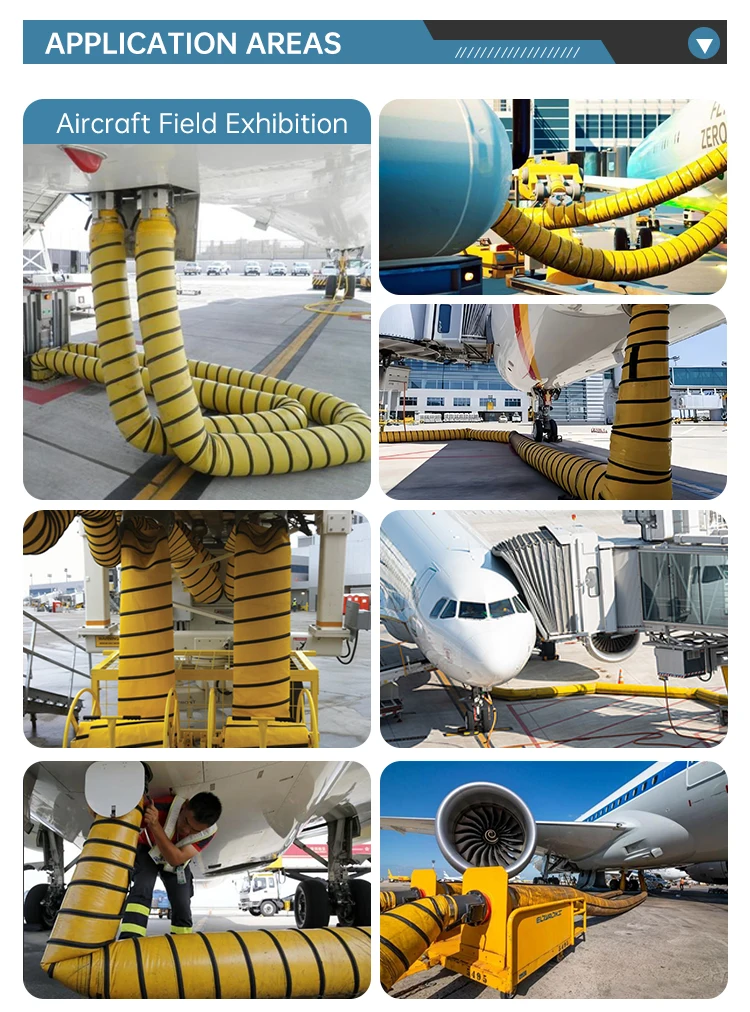
| Airport apron PCA unit to aircraft cabin connection | Jet blast, fuel vapour, UV, frequent deployment and teardown cycles |
| Aviation maintenance temporary conditioned air supply | Indoor-outdoor transitions, confined hangar spaces, rapid connection needs |
| Military and private airfield ground support | Extended outdoor storage, variable climate, rugged terrain handling |
When "Certified" Duct Arrives Without the Certificate
Always request the fire-retardant and anti-static test report before confirming the order, not after delivery.
Ground handling teams regularly discover that the Aircraft PCA Air Duct fire retardant / anti-static certified specification they quoted does not match the documentation in the shipping crate. Airport authorities halt apron operations until compliance is verified, and the replacement cycle can ground multiple flights. [NEED_CITE: ICAO and local airport authority fire safety requirements for ground support equipment ventilation ducts] Sourcing teams under pressure often accept supplier declarations without cross-checking the test standard named on the certificate against the airport’s mandated grade, creating a gap that only surfaces during an audit or incident investigation.
Modular Connection System for Apron Efficiency
The zipper and Velcro link system on this Aircraft PCA Air Duct fire retardant / anti-static certified product allows ground crews to deploy and retract duct sections within minutes between aircraft turnarounds. Unlike bolted flange connections that require tools and alignment time, the hook-and-loop overlap seals the joint while remaining accessible for quick release. This matters most on busy commercial aprons where PCA units cycle through multiple gates per shift and every minute of connection time directly affects gate occupancy.
Thermal Insulation Across Extreme Apron Climates
The built-in aluminum foil bubble film layer provides a continuous thermal barrier between the PVC-coated outer shell and the pre-conditioned air stream. On a Middle Eastern apron in summer or a northern European airfield in winter, the duct must transmit air from the PCA unit at a stable temperature regardless of ambient conditions. The -30°C to 150°C range covers both extremes, and the foil layer reflects radiant heat gain from direct sun exposure on the tarmac while retaining warm air temperature during cold-weather operations. [NEED_CITE: thermal resistance testing methods for insulated flexible ducting per relevant aviation ground support standards]
Reading the Specification Sheet Correctly
The PVC-coated fabric-reinforced outer construction provides the structural backbone, but the insulation performance depends entirely on the aluminum foil bubble film integrity beneath it. Temperature range ratings are meaningful only when the insulation layer remains intact through repeated flexing and compression cycles during storage and deployment. The yellow-black alternating outer coloring serves a practical function beyond aesthetics — it provides high-visibility positioning cues for ground crew and vehicle operators working around the duct run on a busy apron. Connection method selection directly affects pressure loss at joints; zipper and Velcro joints must be checked for air leakage under operating pressure to ensure cabin delivery temperature stays within tolerance.
The Cost of Undocumented Compliance
Specifying a PCA duct without verified fire-retardant and anti-static documentation creates downstream risk that multiplies quickly. If an airport authority audit finds non-compliant ducting on the apron, the ground handling company faces operational suspension until replacement stock arrives and is certified. [NEED_CITE: aviation ground support equipment compliance enforcement procedures] Anti-static properties matter particularly around fuel vapour zones on the apron, where static discharge from duct surfaces could present an ignition hazard. Teams that skip pre-shipment inspection of insulation layer continuity may discover thermal bridging only after cabin temperature complaints begin, by which point the duct is already installed and the operational disruption of replacement is significant.
Why This Supply Chain Works for Aviation Buyers
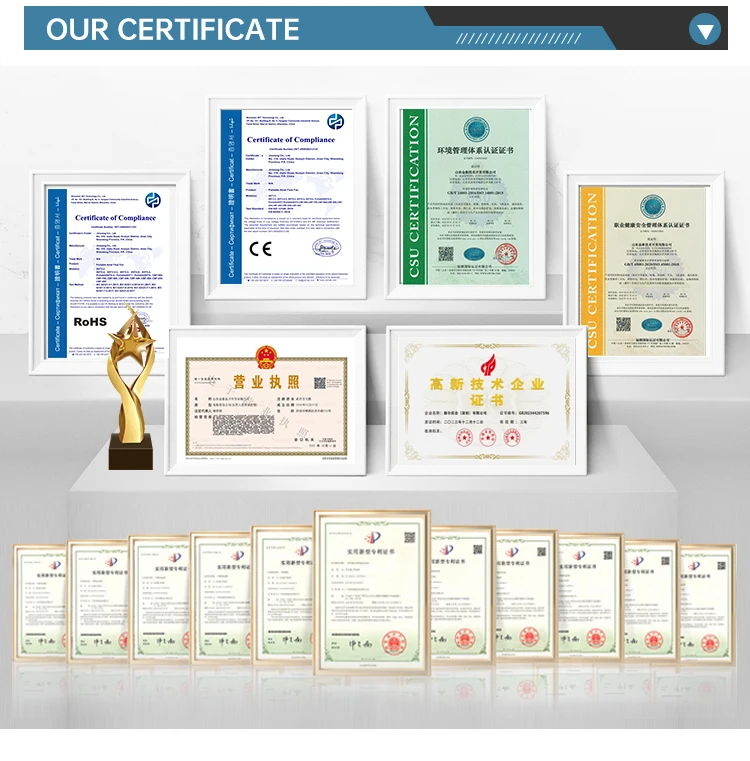
Deep process control over PVC coating weight and adhesion ensures the outer fabric layer maintains its bond to the base cloth through the flex cycles of daily apron deployment. Three full production lines with 36 sets of professional equipment support volume requirements for fleet-wide PCA duct replacement programs without splitting orders across subcontractors. The 10-person R&D team develops custom diameter and length configurations and produces samples within days so buyers can verify fitment before committing to production volume. Dedicated QA/QC at every production stage includes inspection of insulation layer continuity and seam weld quality at flex points, with 100% inspection completed before any shipment leaves the facility. ISO and CE certification provides the documentation framework that regulated aviation markets require for ground support equipment components.
Documentation & Verification
- Material specification sheet stating PVC base fabric construction, coating weight, and aluminum foil insulation composition
- Fire-retardant and anti-static test reports matching your airport authority’s mandated compliance standard
- Pre-shipment inspection record covering insulation layer integrity and seam weld quality at all flex points
- ISO and CE certificates supporting export to regulated aviation markets
- Roll and section packing list with dimensional verification per unit
Fabrication, Handling & Storage
- Heat-weld PVC-coated seams at manufacturer-recommended temperature to preserve insulation layer adhesion
- Avoid compressing stored sections beyond the duct’s recovery limit to prevent permanent foil bubble film deformation
- Clean outer PVC surface with mild detergent only to protect the yellow-black alternating coloring from chemical fading
- Inspect zipper and Velcro joints before each deployment to ensure air-tight seal under PCA operating pressure
- Store coiled sections in dry, shaded conditions to prevent UV degradation of the outer PVC layer between assignments
What to Include in Your Inquiry
Specify the PCA unit model and aircraft types you service so the diameter and connection interface can be matched precisely. State the fire-retardant and anti-static grade your airport authority mandates, including the test standard reference number. Indicate whether you need standard sections or custom lengths, and whether custom branding or outer packaging is required for fleet identification.
Frequently Asked Questions
Q: What fire-retardant and anti-static certifications does this PCA duct carry?
A: Fire-retardant and anti-static grades are available and must be confirmed against your airport authority’s specific standard before production. Request the test report citing the applicable standard during the quotation stage so compliance can be verified before order confirmation. Different airports and jurisdictions reference different standards, so early alignment avoids delivery rejection.
Q: How is insulation performance verified for the aluminum foil bubble layer?
A: Insulation integrity is checked during pre-shipment inspection, covering continuity of the foil bubble film and its bond to the PVC outer shell. Thermal resistance testing data for the aluminum foil layer is available upon request. Confirm your operating temperature requirements so the appropriate test documentation can be prepared alongside your order.
Q: What custom diameters and lengths are available beyond the standard configuration?
A: Custom diameters and section lengths are developed by the R&D team with samples produced within days for fitment verification. Logo, pattern, and outer packaging customization are supported with minimum order quantities of 100 units. Provide your PCA unit interface dimensions and required section lengths at the inquiry stage for accurate specification.
Q: How do zipper and Velcro joints perform under operating pressure?
A: The zipper and Velcro connection system is designed for rapid apron deployment while maintaining an air seal at joint overlaps. Pressure rating and leak behaviour depend on correct alignment during field connection. Ground crews should inspect joint engagement before each pressurization cycle and report any visible separation for immediate section replacement.
Q: What service life can be expected under daily apron conditions?
A: Service life depends on UV exposure intensity, jet fuel vapour contact frequency, and handling care during deployment and storage cycles. The PVC-coated outer layer and high-visibility coloring are designed for apron environments, and regular inspection of flex points and joints helps identify wear before failure occurs. Maintenance schedules should align with your ground support equipment program.