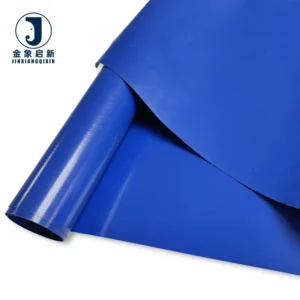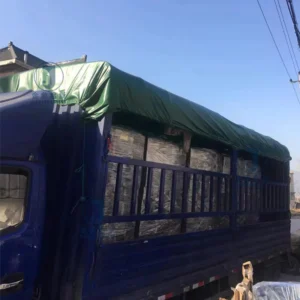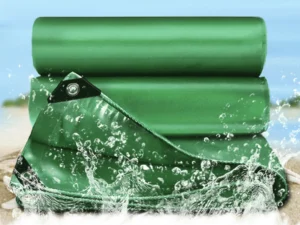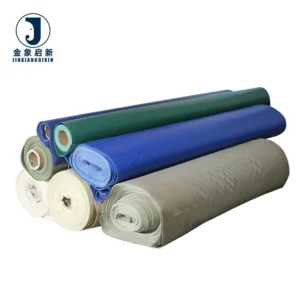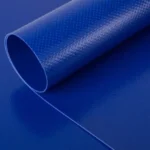
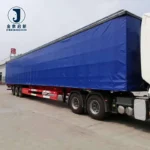
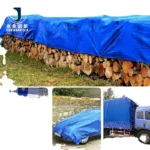
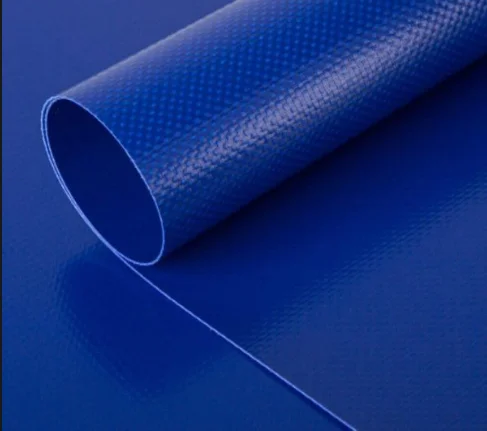
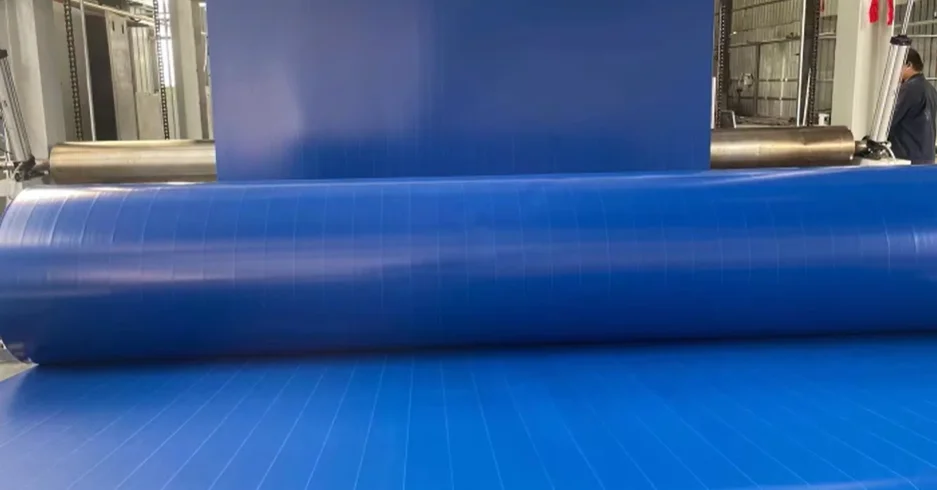
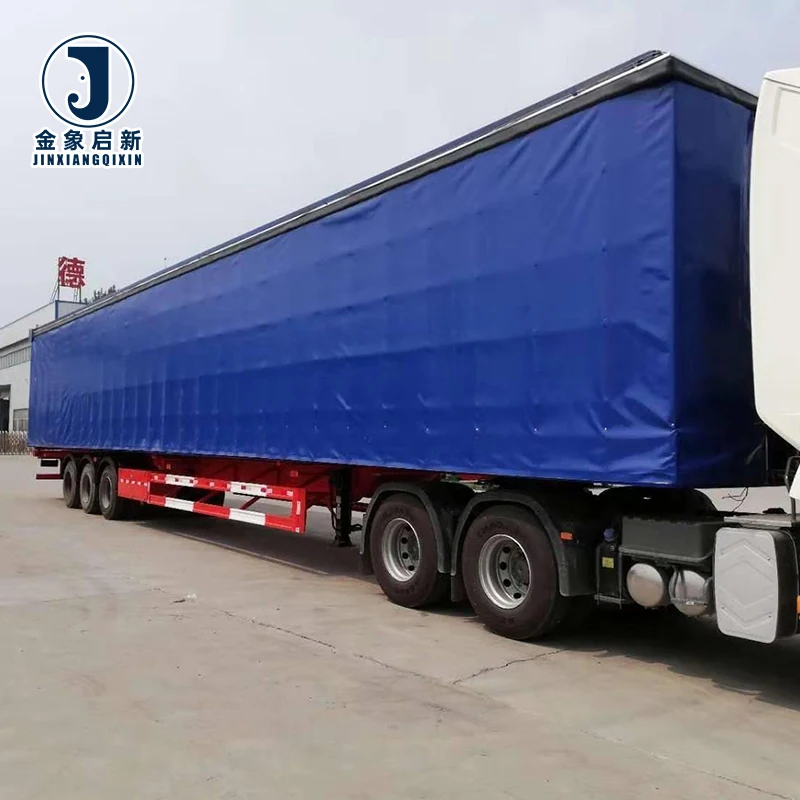
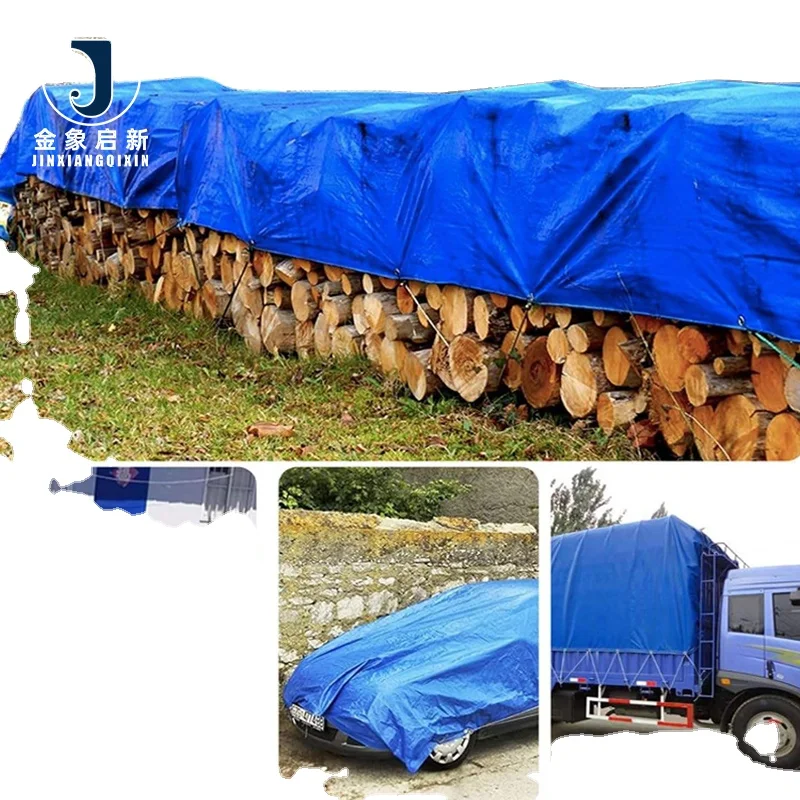
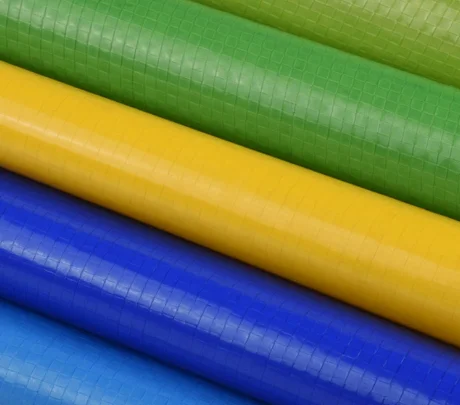
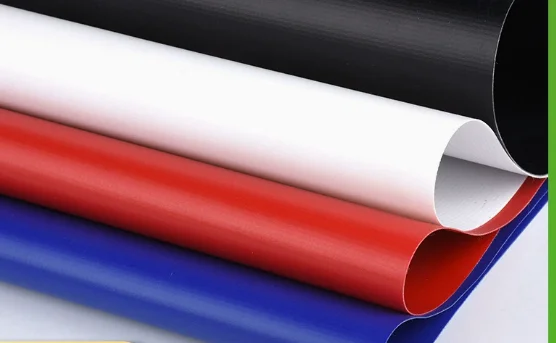
Coating Process Control — Every roll of PVC knife coated tarpaulin undergoes dedicated QA checks at each coating stage to maintain GSM and adhesion consistency across the entire batch.
Technical Specifications
| Parameter | Value |
|---|---|
| Product Type | PVC Knife Coated Tarpaulin Roll |
| Coating Method | Knife coated |
| Coating Material | PVC |
| Welding Compatibility | HF, Hot Air, Sewing |
| Fire Retardant Grade | Available in multiple grades — confirm the grade required for your market |
| UV Treatment | Available with test documentation — test basis to be confirmed per order |
| Anti-Static | Available for mining and tunnelling compliance — surface resistance to be confirmed |
| Anti-Mildew | Antibacterial and mildew proof treatment available |
| Oil and Stain Resistance | Treated surface claimed — verify test basis for your application |
| Acid and Alkali Resistance | Chemical resistant formulation available |
| Temperature Range | High temperature and cold resistant — specific operational range to be confirmed |
| Surface Finish | Self-cleaning surface claimed |
| Weather Resistance | Anti-oxidation and weather resistant |
| Flexibility | Highly flexible, resistant to cracking under repeated flex cycles |
Application Suitability
| Application | Exposure & Requirement |
|---|---|
| Mining and tunnelling ventilation duct | Continuous airflow, abrasive particulate, mandatory fire-retardant and anti-static compliance underground |
| Airport hangar and aviation membrane structures | Large-span tensile load, UV exposure, strict aviation fire safety codes |
| Stadium and tensile architectural structures | Permanent outdoor installation, wind load, UV and weather durability, public safety fire codes |
| Portable storage and temporary shelters | Repeated assembly and disassembly, flex stress at fold points, weather exposure |
| Shade systems and shading structures | Sustained solar radiation, thermal expansion and contraction, colour stability |
| Large format technical textiles and inflatables | Internal pressure stress, seam integrity under load, airtight fabrication requirements |
What "Certified" Means When Your Site Inspector Asks for the Test Report
We ship the fire-retardant and anti-static test reports with the roll — not after the installation fails inspection.
Ventilation duct and membrane fabric often arrives on site with a generic claim of flame retardancy but no grade-specific documentation. When the safety officer asks whether the material meets DIN 4102 B1 or NFPA 701, the answer is rarely available. This delays project handover and can force costly replacement mid-build. With PVC knife coated tarpaulin fire retardant anti-static certified options, the documentation must match the regulation before the fabric leaves the factory. [NEED_CITE: fire classification standards for textile building materials and underground ventilation]
Engineering the Fabric for Ventilation and Structural Loads
Industrial ventilation duct in mining and tunnelling operates under continuous negative or positive pressure, with abrasive dust carried in the airstream wearing the inner surface over time. The knife coated PVC construction delivers the tensile and peel strength needed to hold welded seams under this sustained load. HF, hot air and sewing compatibility gives fabricators flexibility in choosing the joining method that suits their production line and the duct geometry.
Matching the Certification to the Compliance Environment
Different jurisdictions and project owners specify different fire-retardant grades. An airport hangar membrane in Europe may require classification to EN 13501-1, while a mine ventilation duct in another region demands a specific anti-static surface resistance threshold. [NEED_CITE: anti-static surface resistance requirements for underground ventilation ductwork] The PVC knife coated tarpaulin fire retardant anti-static certified range is supplied with test documentation referencing the specific standard your project specification calls for — confirmed at the quotation stage, not left to chance at delivery.
How Coating Method and Base Fabric Define Real-World Behaviour
Knife coating applies a controlled layer of PVC compound directly onto the base fabric, filling the weave interstices and bonding under heat and pressure. This produces higher peel strength than laminated alternatives, which matters when a welded seam on a ventilation duct is subjected to repeated pressure cycling. The base fabric denier and weave density determine how the material resists tear propagation — a higher-denier yarn in a tight weave limits the distance a puncture or cut can spread before the load is redistributed across adjacent yarns. [NEED_CITE: tensile and tear test methods for coated fabrics per ISO 1421] Temperature range boundaries affect both installation and service: in cold conditions, any coated fabric stiffens and becomes more susceptible to cracking if folded or impacted, while high ambient temperatures can soften the PVC surface and reduce its resistance to abrasion. The self-cleaning surface formulation influences how quickly dust and biological growth accumulate on outdoor membrane structures, affecting both appearance and long-term light transmission in shade applications. Roll width and length directly determine how many fabrication seams a duct or membrane structure requires — wider stock reduces seam count and the associated labour and failure points.
When the Wrong Specification Costs More Than the Fabric Itself
A membrane structure specified without confirming the fire-retardant grade against local building codes can fail final inspection, requiring full removal and replacement of installed fabric at significant cost and programme delay. Ventilation duct fabricated from material lacking verified anti-static properties may be rejected at the mine safety audit, halting operations until compliant material arrives. Colour variation between rolls on a large tensile structure becomes visible once panels are installed side by side, forcing either acceptance of an inconsistent appearance or a costly selective replacement. [NEED_CITE: common causes of coated fabric rejection at project handover inspection] Weld parameters set for one coating formulation may not transfer to another, producing seams that fail under load well before the parent fabric reaches its tensile limit.
Why Technical Buyers Specify This Fabric Here
Three full production lines and 36 sets of professional equipment give the factory the capacity to hold delivery dates on bulk roll orders without splitting production across subcontractors. A 10-person R&D team handles material selection, custom width development and sample preparation, so non-standard specifications are developed in-house rather than deferred. Every production stage carries dedicated QA, with 100 percent inspection before dispatch — rolls are not sampled at random but checked individually. Custom width, colour and treatment samples are developed within days, allowing you to verify material suitability before committing to full production volume. [NEED_CITE: quality assurance protocols for coated technical textile manufacturing]
Documentation & Verification
- Material specification sheet stating exact GSM, base fabric denier, coating method and weight per roll
- Fire-retardant test report citing the specific grade matched to your site regulation
- Anti-static surface resistance test report for underground ventilation duct compliance
- Pre-shipment inspection record with individual roll weight and GSM verification
- Roll packing list with certificate of origin and customs documentation
Fabrication, Handling & Storage
- HF and hot air welding parameters should be calibrated to the specific knife coated PVC compound before production runs begin
- Sewn seams on ventilation duct should use thread rated for the same temperature and chemical exposure as the PVC fabric
- Store rolls upright on a clean, dry surface to prevent edge deformation and permanent creasing across the coated surface
- Allow cold-stored rolls to acclimatise to workshop temperature before unrolling to avoid coating cracking at low flexibility
- Clean self-cleaning surface membranes with mild detergent only — solvent-based cleaners can degrade the PVC top finish
- Plan cutting layouts to maximise yield from the available roll width and minimise offcut waste on large duct or membrane panels
Before You Request a Quote
Provide the application type, the environmental exposure conditions your fabric will face in service, and the fire-retardant or anti-static grade your project specification or local regulation demands. Confirm the roll width and length you need, and whether you require the material as stock roll or in pre-cut panels. If colour consistency across a large installation is critical, specify the colour reference and request a production sample before bulk release.
Frequently Asked Questions
Q: Which fire-retardant grade does my mining or aviation project require?
A: The required grade depends on your jurisdiction and project specification. Underground mining ventilation typically demands a specific classification with supporting test documentation, while aviation hangar membranes follow building material fire codes. Provide your project specification or target market, and we confirm the applicable grade with the matching test report before production begins.
Q: How is anti-static performance measured and certified for underground ventilation duct?
A: Anti-static performance is evaluated by measuring the surface electrical resistance of the coated fabric. The acceptable threshold is defined by the mining safety regulation in your region. We supply a test report stating the measured surface resistance value alongside the test method used, so your site safety team can verify compliance at delivery.
Q: What welding methods are compatible with this fabric for duct and membrane fabrication?
A: This PVC knife coated tarpaulin is compatible with high-frequency welding, hot air welding and industrial sewing. The knife coated construction supports strong peel resistance at welded seams. We recommend running test welds on sample material to dial in temperature, speed and pressure settings for your specific fabrication equipment before full production.
Q: Can you supply test reports for UV and flame retardancy matched to my target market?
A: Yes. UV and flame-retardant test reports are provided citing the specific standard and grade relevant to your destination market. Confirm which standards your project or local regulation requires at the inquiry stage, and we include the corresponding documentation with your shipment.
Q: What is the lead time for custom width and certified grades?
A: Lead time depends on the width, treatment specification and order volume. Custom widths and fire-retardant or anti-static certified grades require dedicated production scheduling. Provide your required dimensions, quantity and certification standard, and we confirm the production timeline with your quotation.