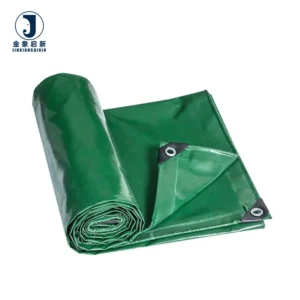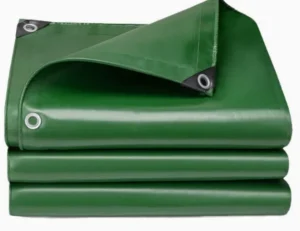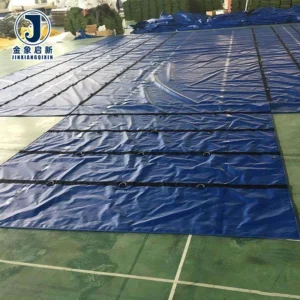
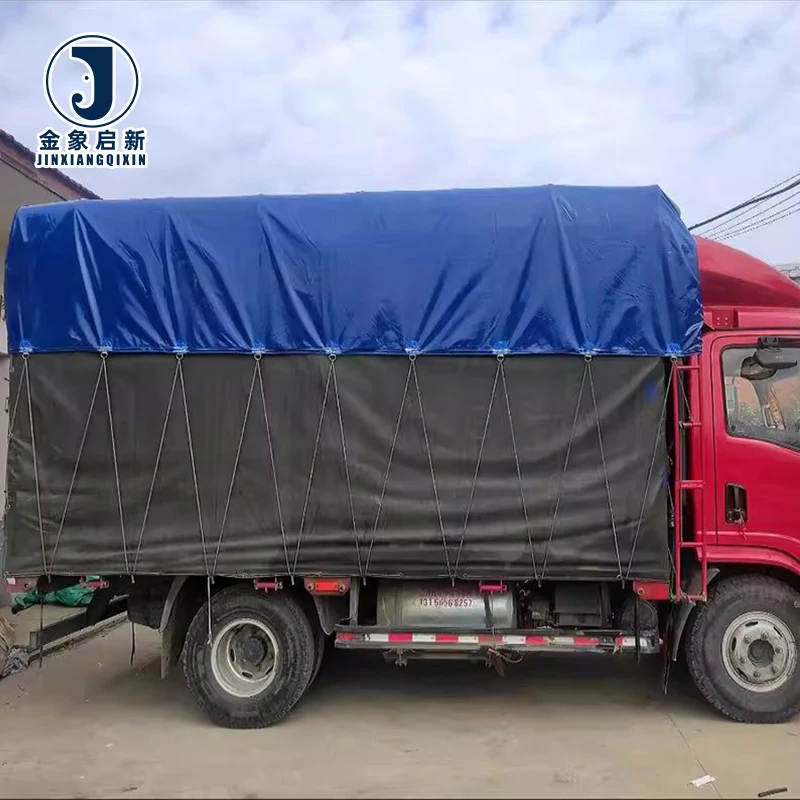
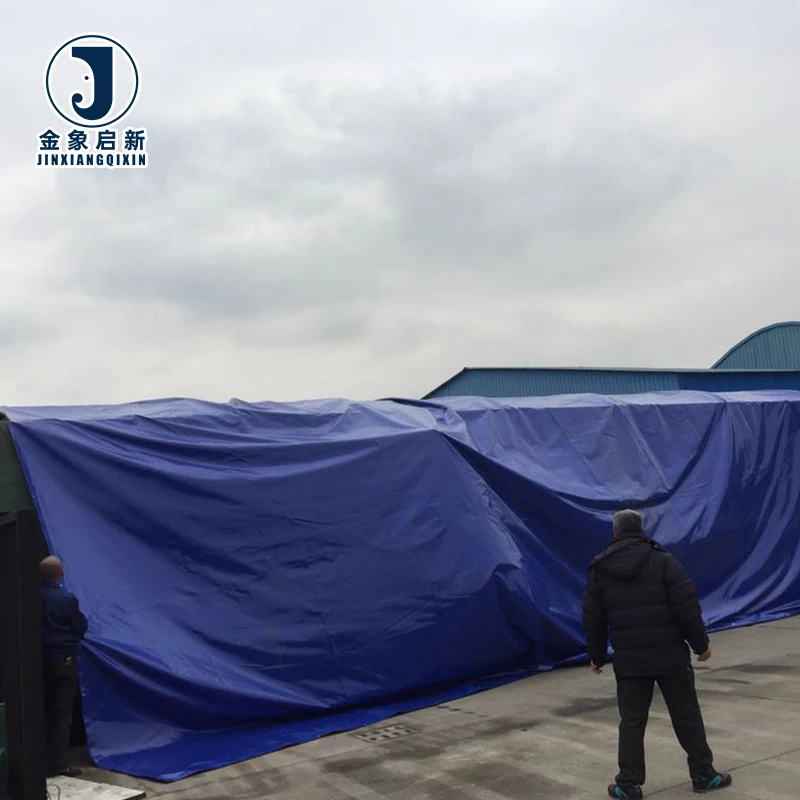
Dedicated QA at Every Stage — 100% inspection of coated fabric rolls and finished duct sections before dispatch, verifying GSM, coating adhesion and seam integrity against the specification sheet.
Technical Specifications
| Parameter | Value |
|---|---|
| Product Type | PVC Coated Fabric |
| Material | PVC coated polyester (knitting and plain weave), Vinyl-coated PES mesh |
| Base Fabric Denier | 500D / 1000D / 500D-2000D |
| Weight (GSM) | 400-500 / 700-1000 / 1100-1500 g/m² |
| Total Thickness | 0.35-0.45 mm / 0.70-1.0 mm / 1.2-1.5 mm |
| Tensile Strength (Warp/Weft) | 1500-2000 / 1200-1800 N/5cm up to 2500-3000 / 2200-2800 N/5cm |
| Roll Width Options | 2m, 4m, 6m (6ft, 8ft, 10ft, 12ft) |
| Roll Length | 100 yards, 100 meters, or custom |
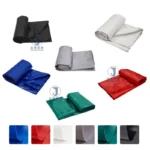
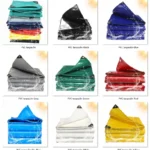
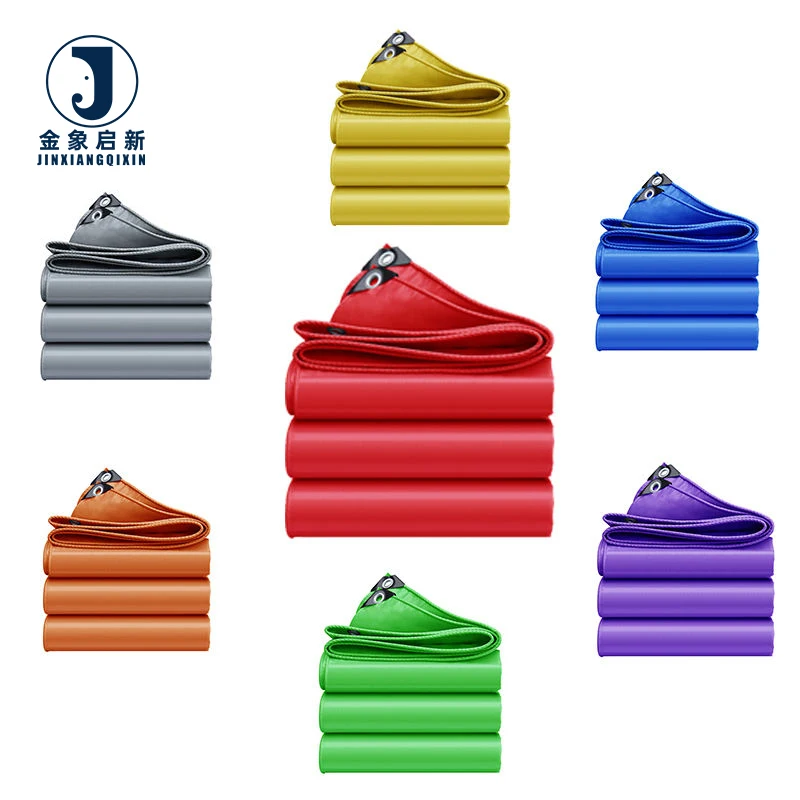
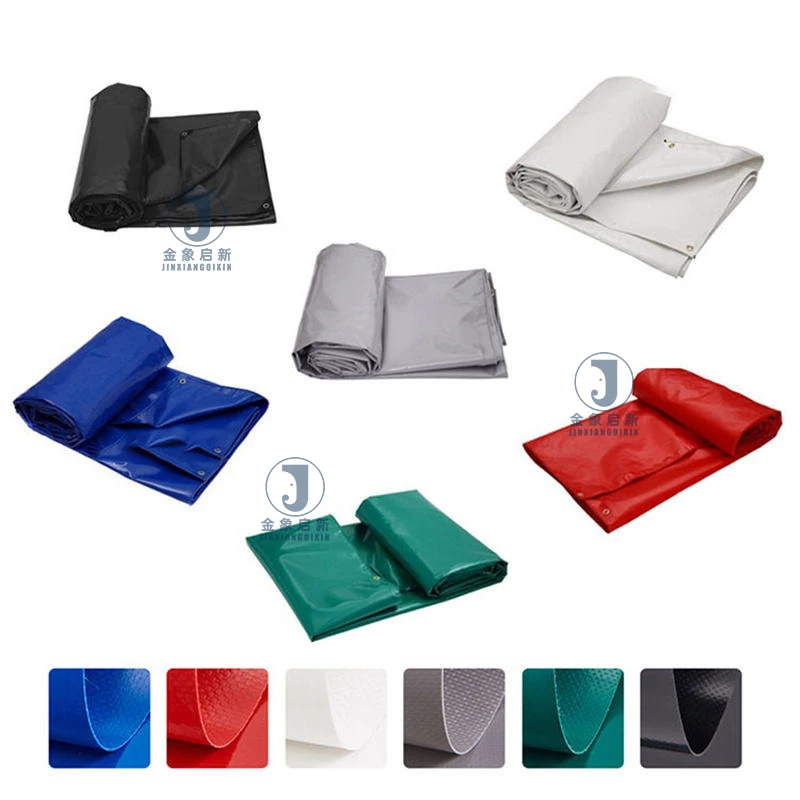
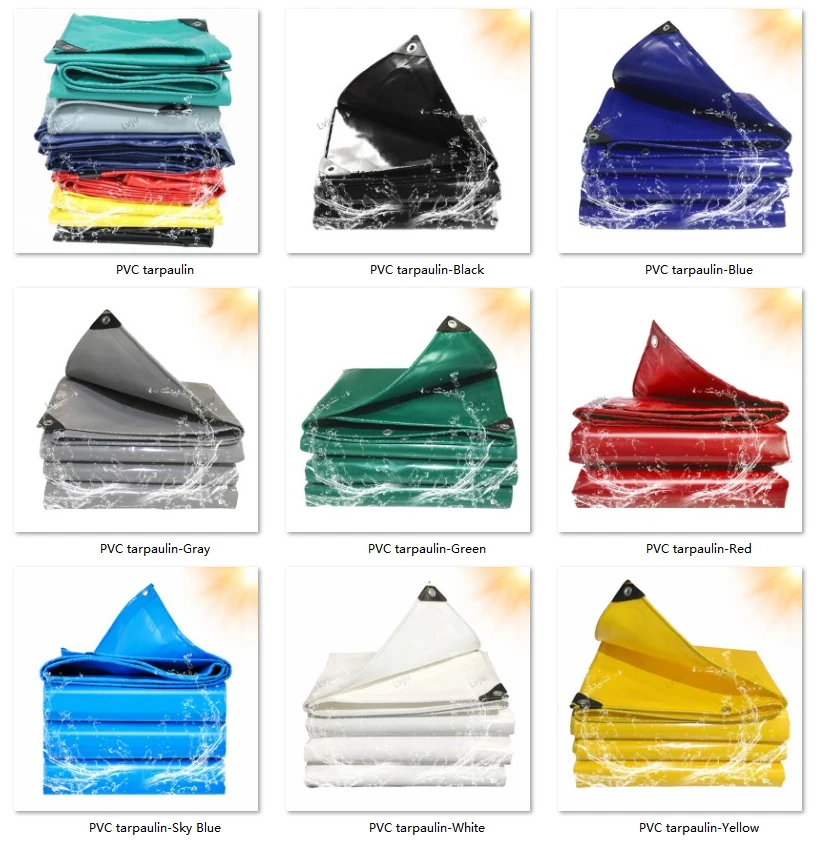
| Color Options | Blue, Blue/Orange, Green, Grey, Black, Clear, Grey/Green, Orange, custom |
| Waterproof | Yes |
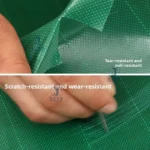
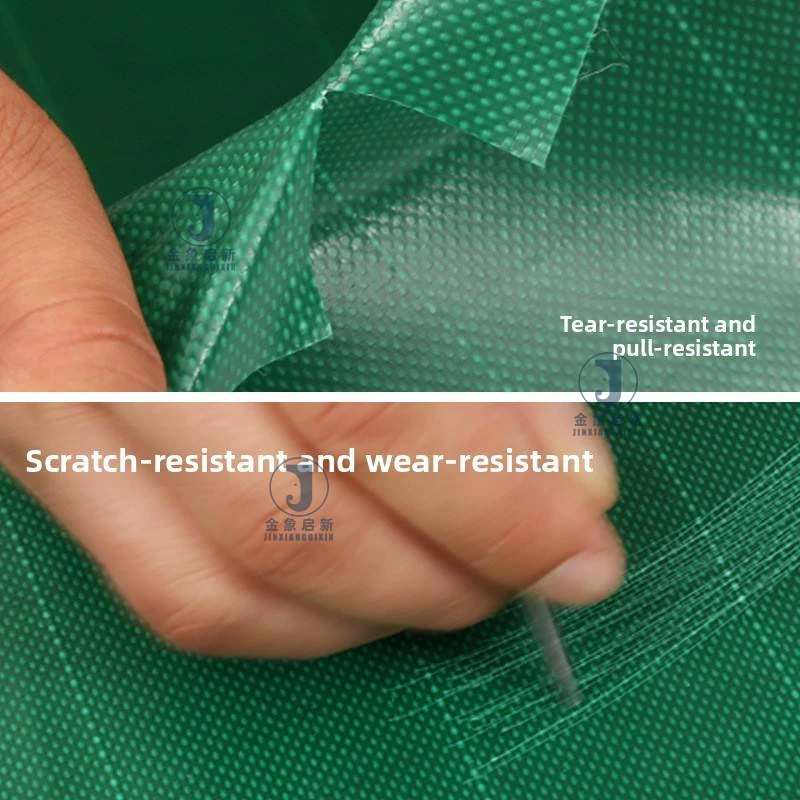
| Key Features | Tear resistant, anti-aging, washable, mildew proof, UV treatment available (test basis not stated in source) |
| Standards | ISO 9001, CE |
Application Suitability
| Application | Exposure & Requirement |
|---|---|
| Mine and tunnelling ventilation ducts | Constant airflow pressure, rock dust abrasion, mandatory certified fire-retardant compliance for underground use |
| Aviation facility air handling | Anti-static performance to prevent spark ignition in fuel-proximate zones, regulatory documentation required on site |
| Inflatable and membrane structures | Tensile loads at anchor points, wind-induced flexing, long-term UV and weather exposure |
| Industrial protective enclosures | Chemical-laden air contact, temperature fluctuation, frequent installation and dismantling |
| Construction site ventilation | Dust and moisture ingress, mechanical damage risk from site equipment, temporary deployment cycles |
What "Fire-Retardant" Means Without a Test Certificate on Site
A duct fabric is only as compliant as the paperwork that accompanies it to the inspection point.
Mining and tunnelling sites do not accept verbal assurances about fire safety. When ventilation ductwork arrives without a test certificate specifying the grade and standard, the entire installation can be halted until documentation is produced — or rejected outright. PVC Coated Tarpaulin fire retardant / anti-static / certified fabric must be matched to the specific classification required by the local authority: M2 in France, B1 per DIN 4102 in Germany, NFPA 701 in North America. Each standard uses a different test method, and a certificate for one does not satisfy an inspector looking for another [NEED_CITE: DIN 4102 fire classification for building materials]. The cost of a compliance gap is not the fabric — it is the downtime, the re-order and the project delay.
Matching Fabric Grade to Duct Diameter and Airflow Pressure
Ventilation duct construction places unique demands on PVC Coated Tarpaulin fire retardant / anti-static / certified material. A high-velocity forced-air system in a deep-shaft mine requires a fabric that resists ballooning and collapse under pressure differentials, meaning higher denier base fabrics such as 1000D or the 500D-2000D range deliver the tensile stability needed across both warp and weft directions. Lower-velocity extraction ducts for surface construction may perform adequately at 500D, reducing material cost without sacrificing duct integrity.
Anti-Static Compliance in Aviation and Fuel-Adjacent Environments
In aviation maintenance hangars and fuel storage ventilation zones, static charge accumulation on duct surfaces poses a measurable ignition risk. Anti-static PVC coated fabric must demonstrate surface resistance within the range specified by the site safety standard, and the test documentation must travel with the shipment. Procurement teams should request anti-static surface resistance test reports alongside fire-retardant certificates before approving production, ensuring both compliance streams are verified from a single batch [NEED_CITE: anti-static surface resistance test methods for industrial textiles].
How Denier, Coating Weight and Thickness Interact in Duct Fabric
The base fabric denier — 500D, 1000D or up to 2000D — determines the structural skeleton of the material, governing tensile strength and resistance to tear propagation. Coating weight and total thickness (from 0.35 mm to 1.5 mm) control air impermeability, abrasion resistance and the thermal mass available for heat-welded seams. A thicker coating does not automatically mean a stronger fabric; a 1.5 mm sheet built on a 500D base may tear more easily than a 0.7 mm sheet on a 2000D base. Selecting the right combination depends on whether the primary stress is tensile (long duct runs under tension), flexural (duct sections that expand and contract with airflow cycles), or abrasive (rock dust and particulate contact in mining environments) [NEED_CITE: tensile and tear test methods for coated fabrics per ISO 1421].
When the Wrong Specification Reaches the Site
Specifying fabric without verifying the fire-retardant grade against the site requirement is the most common compliance failure in ventilation duct procurement. Ductwork fabricated from material certified to a standard the inspector does not recognise will be rejected, regardless of the fabric’s actual performance. Colour inconsistency between rolls can also cause visible banding on membrane structures installed side by side, forcing costly panel replacement. Seam weld failures under flex loading — where the heat-welded joint separates before the base fabric reaches its tensile limit — are typically traced to incorrect temperature or dwell-time settings during fabrication rather than fabric quality, but the result on site is the same: a duct that fails at the connection point first [NEED_CITE: heat-weld parameters for PVC coated polyester fabrics].
Why Procurement Teams Source Ventilation Fabric Here
Three full production lines and 36 sets of professional equipment provide the capacity to fulfil large duct fabric orders on schedule, even when custom widths or fire-retardant grades extend lead times. A 10-person R&D team handles material selection and sample development, producing test panels within days so that fabricators can validate heat-weld settings and seam strength before committing to bulk. Dedicated QA/QC runs through every production stage, with 100% pre-shipment inspection covering GSM verification, coating adhesion and seam integrity. Nearly 30 years of focused coated-fabric manufacturing means the process controls behind consistent roll-to-roll colour and weight are embedded in the production system, not added as a final check.
Documentation & Verification
- Material specification sheet stating base fabric denier, coating weight, GSM and colour reference per roll
- Fire-retardant test certificate specifying grade and standard (M2 / B1 / NFPA 701 / DIN 4102) where applicable
- Anti-static surface resistance test report for aviation and fuel-adjacent duct applications
- Pre-shipment inspection record confirming roll weight, coating adhesion and visual consistency
- Roll packing list with net weight and linear meter count per roll for customs and receiving
- Certificate of origin and customs documentation for international dispatch
Fabrication, Handling & Storage
- Heat-weld seams at manufacturer-recommended temperature and dwell time; test on sample before production runs
- Store rolls vertically on pallets to prevent flat-spot deformation on the coating surface
- Unroll in temperatures above 5°C to avoid cold-cracking the PVC coating at the core
- Use compatible PVC-based repair patches and solvent cement for on-site duct puncture repair
- Cut panels with allowance for thermal expansion in outdoor membrane structure installations
- Clean with mild detergent; avoid solvents that attack the plasticiser in the PVC coating layer
Requesting a Quotation for Ventilation Duct Fabric
To ensure the correct specification is recommended, provide the duct diameter, run length, airflow velocity and the fire-retardant or anti-static standard required by your site authority. Specify whether you need rolls for in-house fabrication or finished duct sections, and indicate target colour, width and annual volume. Sample panels can be developed within days for weld-parameter validation before bulk production is confirmed.
Frequently Asked Questions
Q: What fire-retardant grades and test standards do you certify to?
A: We supply PVC coated fabric certified to multiple fire-retardant standards including M2, B1 per DIN 4102 and NFPA 701. The specific grade required depends on your local authority and site regulations. Confirm the standard your inspector requires, and we will match the certification and include the test report with your shipment documentation.
Q: How is anti-static performance measured and documented?
A: Anti-static performance is measured by surface resistance testing, and results are documented in a test report that accompanies the shipment. For aviation and fuel-adjacent ventilation applications, specify the surface resistance range your site safety plan requires so we can match the formulation and provide the corresponding documentation.
Q: What base fabric denier and coating weight combinations are available for duct construction?
A: Base fabric options include 500D, 1000D and up to 500D-2000D, paired with coating weights producing total thicknesses from 0.35 mm to 1.5 mm. Higher denier bases provide greater tensile and tear resistance for high-pressure duct runs, while thicker coatings improve abrasion resistance in mining environments.
Q: Can you supply custom duct diameters and lengths with certified compliance documentation?
A: Yes. Custom widths and roll lengths are produced to match your duct diameter and run length requirements. Fire-retardant and anti-static certifications are issued per batch and included in the shipment documentation package, ensuring traceability from production to site installation.
Q: What is the process for obtaining test reports and certificates before shipment?
A: Test reports and certificates are prepared during production and included with the pre-shipment inspection record. Request specific standards at the inquiry stage so that testing is scheduled within the production timeline and documentation is ready for review before dispatch.