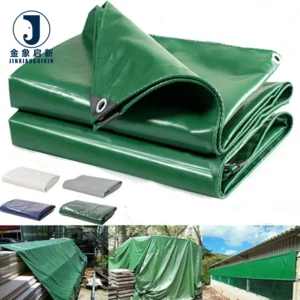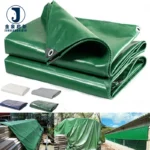
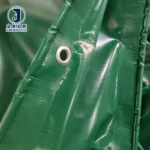
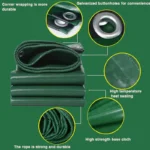

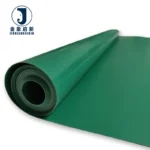

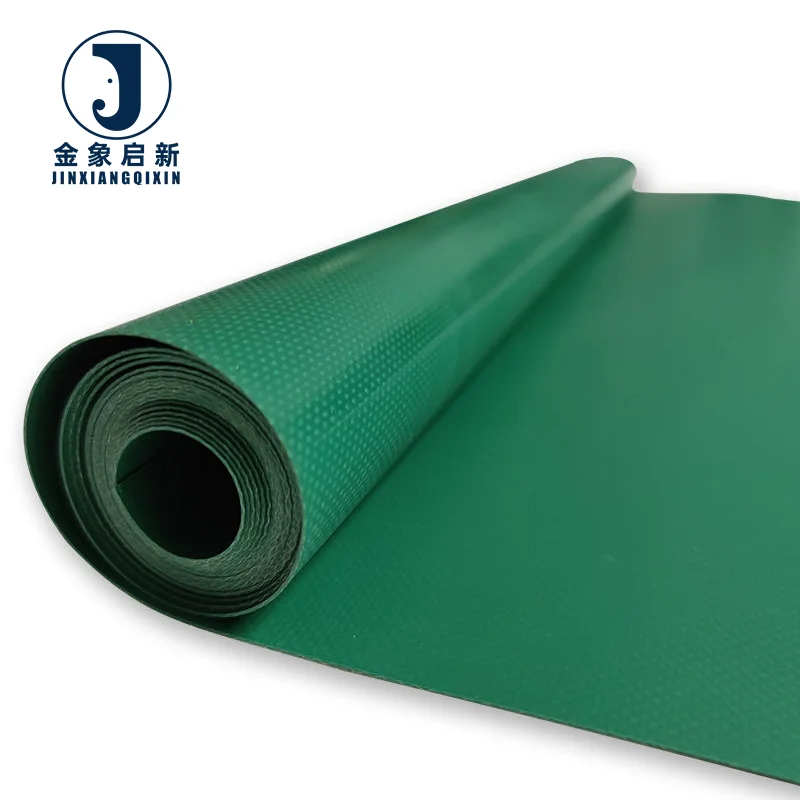
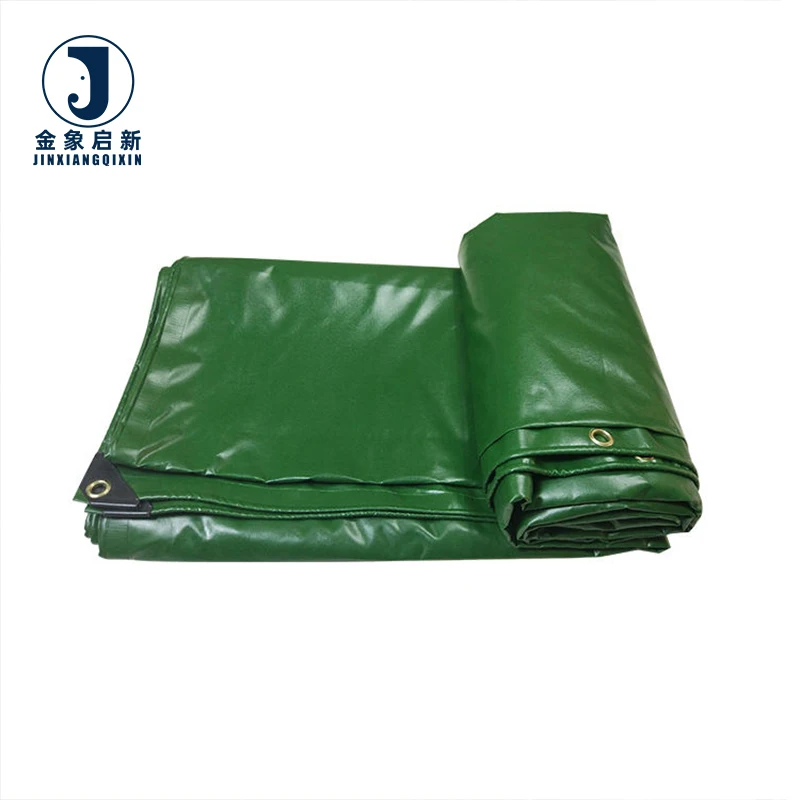
Deep process control over coating weight — Every roll of PVC Knife-Coated Membrane Fabric undergoes 100% pre-shipment inspection to verify the stated GSM, base fabric denier, and coating adhesion before it leaves the facility.
Technical Specifications
| Parameter | Value |
|---|---|
| Product Type | PVC Coated Tarpaulin Fabric |
| Coating Material | PVC |
| Thickness | 0.35–1.5 mm |
| Weight (GSM) | 400–1500 g/m² (grade-specific values confirmed per order) |
| Base Fabric Denier | 500D–2000D |
| Tensile Strength | Warp 1500–3000 N/5cm, Weft 1200–2800 N/5cm (test basis not stated in source) |
| Waterproof | Yes |
| Tear Resistant | Yes |
| UV Treatment | Available (test basis not stated in source) |
| Anti-Mildew | Yes |
| Anti-aging | Yes |
| Roll Width | 2m, 4m, 6m (6ft, 8ft, 10ft, 12ft) |
| Roll Length | 100 yards, 100 meters, or custom |
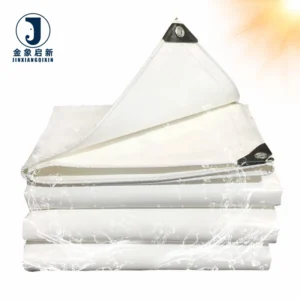
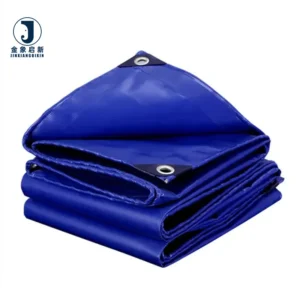
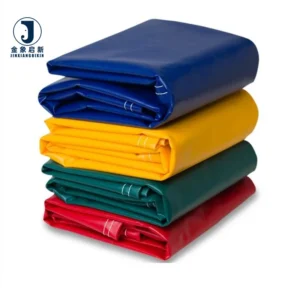
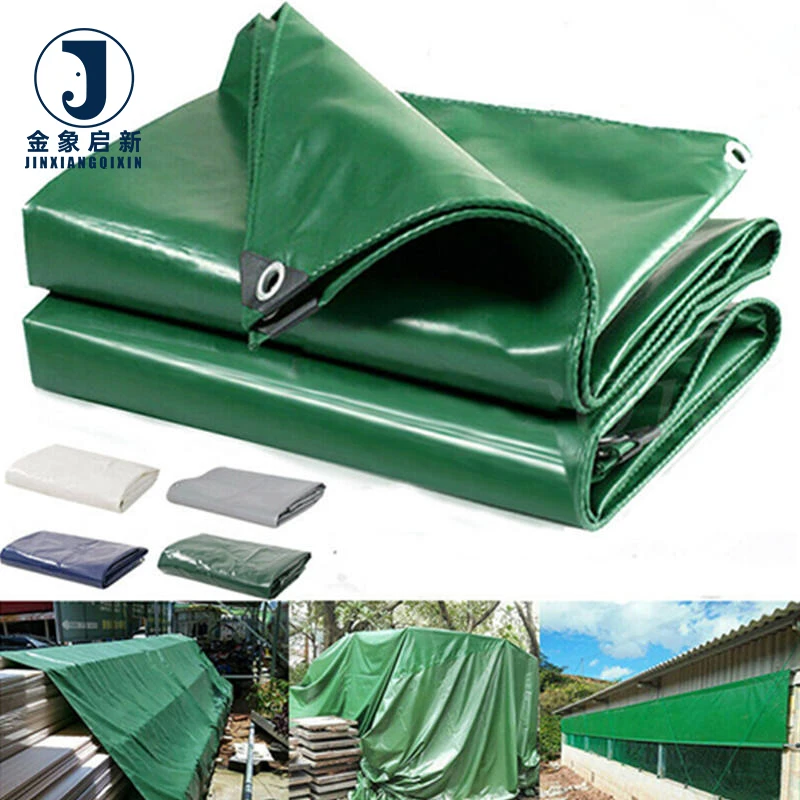
| Color Options | Blue, Blue/Orange, Green, Grey, Black, Clear, Grey/Green, Orange, or custom |
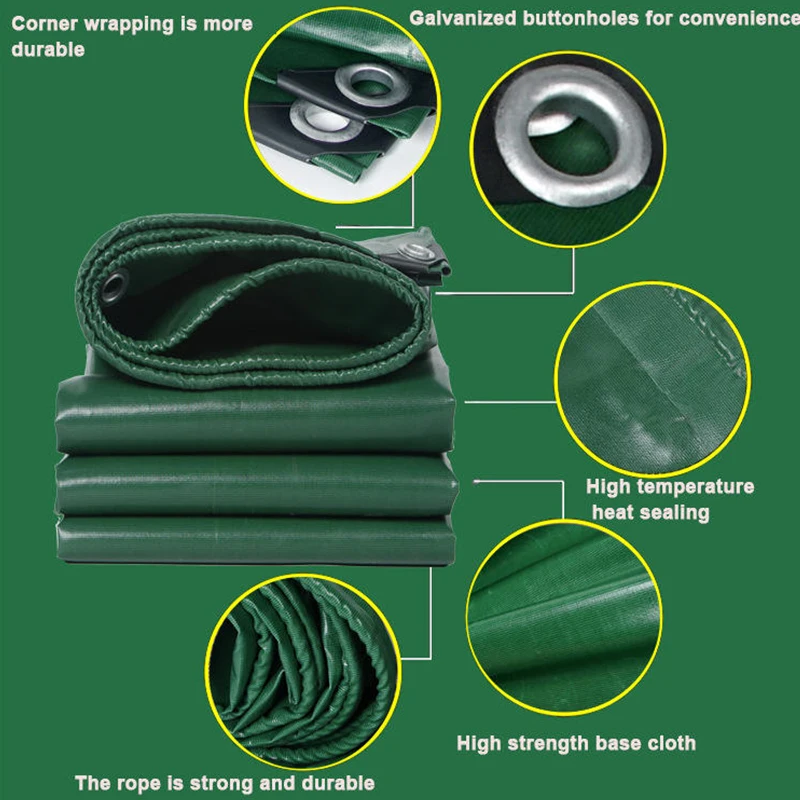
| Edge Reinforcement | PP rope reinforced hem |
| Eyelet Options | Galvanized, every 3ft or 1 meter interval |
| Standards | ISO, CE |
Application Suitability
| Application | Exposure & Requirement |
|---|---|
| Tensioned membrane structures | Long-term tensile load, wind uplift, continuous UV exposure, color consistency across joined panels |
| Heavy-duty truck and trailer tarpaulins | Road abrasion, constant flexing at load points, weather and moisture ingress, tie-down stress at eyelets |
| Industrial pipe canopies | Outdoor weathering, chemical or dust exposure, structural span requirements, fire safety compliance |
| Engineering protective enclosures | Puncture resistance from equipment contact, moisture barrier, repeated installation and removal cycles |
Why Denier and GSM Together Define the Real Strength of PVC Knife-Coated Fabric
A specification sheet that lists GSM without base fabric denier leaves the structural performance of the membrane undefined.
When sourcing PVC knife-coated fabric for membrane structures, buyers often anchor on weight alone as a proxy for durability. But a heavy coating applied over a low-denier base fabric can yield high GSM readings while delivering lower tensile strength than a lighter-coated, high-denier alternative. The warp and weft yarns carry the structural load; the coating protects them and locks the weave in place. [NEED_CITE: tensile and tear test methods for coated fabrics per ISO 1421]. Without both figures confirmed on the material specification sheet, the fabric’s behaviour under tensioned installation or sustained wind load remains a calculation rather than a verified property.
Knife Coating Adhesion and Seam Integrity for Tensioned Structures
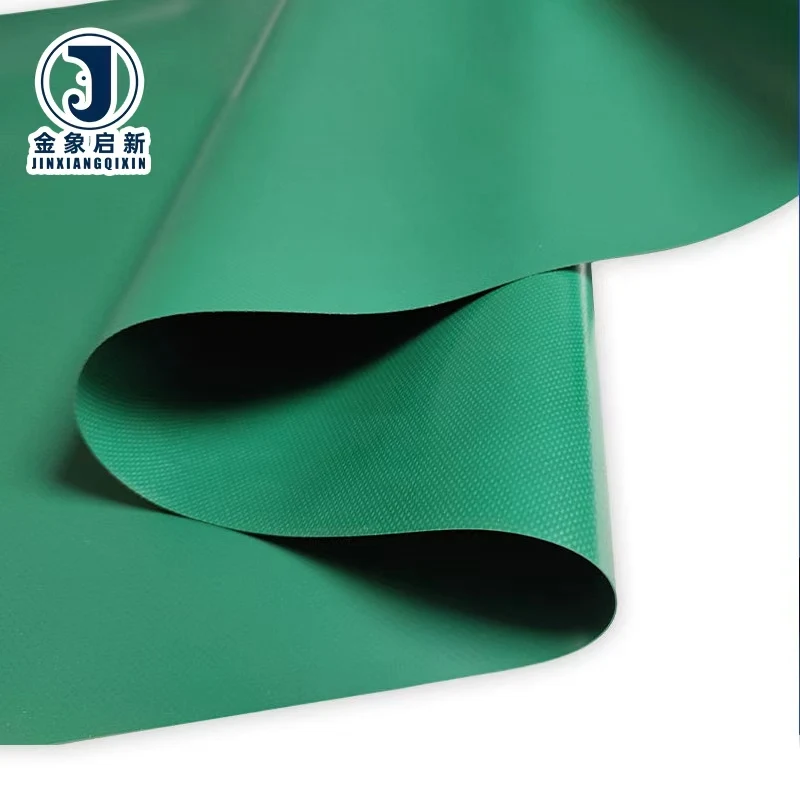
The knife-coating process applies liquid PVC directly onto the base fabric, allowing the coating to penetrate the weave rather than simply sitting on the surface. This penetration is what determines how well the material holds together at welded seams — the point where membrane structures most commonly experience failure under load. For fabricators joining panels on large-format tensioned canopies, the adhesion between coating and yarn is as critical as the base fabric tensile rating. Our PVC knife-coated fabric is supplied in roll widths up to 6m to reduce the number of weld lines required on wide-span structures.
Coating Weight and Denier Selection Across Load Classes
The available weight range from 400 g/m² to 1500 g/m² maps to distinct structural requirements. Lighter grades suit temporary canopies and protective covers where flexibility and handling ease matter. Heavier grades serve permanent architectural membranes and industrial enclosures where long-term tensile stability under sustained load is the priority. The base fabric denier selection from 500D to 2000D works in parallel: higher denier yarns resist tear propagation across the panel when a localised puncture or stress concentration occurs. [NEED_CITE: relationship between base fabric denier and tear propagation resistance in coated technical textiles]. Matching the denier and GSM to the engineering specification ensures the membrane performs as designed across its service conditions.
How Roll Dimensions and Finishing Details Shape Fabrication Yield
Membrane fabricators working on large installations need roll dimensions that minimise offcut waste and reduce the number of transverse weld seams. Rolls are available in widths of 2m, 4m, and 6m with custom length options, allowing fabricators to specify dimensions that align with their panel cutting layout. The PP rope reinforced hem and galvanized eyelets at regular intervals provide secure tie-down and edge anchoring for finished covers and semi-permanent installations. Colour consistency across rolls within the same order is controlled through process parameters during coating, so joined panels on visible structures present a uniform appearance once installed.
The Cost of Underspecifying Coating Adhesion or Denier
Selecting a PVC knife-coated fabric based on GSM alone, without confirming the base fabric denier or coating adhesion method, leads to problems that surface after installation. Panels on tensioned structures may show seam separation where the coating delaminates from the base fabric under sustained load. Truck tarpaulins cut from under-specified grades can develop tears that propagate rapidly across the panel when exposed to road vibration and flexing. [NEED_CITE: coated fabric failure modes at welded seams under cyclic tensile loading]. Batch colour variation between rolls sourced from uncontrolled production runs forces fabricators to reject material or accept a patchwork appearance on visible membrane installations.
Why This PVC Knife-Coated Fabric Meets Technical Procurement Standards
Deep process control over coating weight and adhesion is maintained across every production run, with dedicated QA/QC at each stage from base fabric inspection to final coating thickness verification. Three full production lines and 36 sets of professional equipment support bulk roll output with reliable on-time delivery for project timelines. A 10-person R&D team handles material selection, custom width and colour specifications, and sample development so fabricators can validate the fabric against their welding parameters and structural calculations before committing to a bulk order. 100% pre-shipment inspection ensures every roll matches the stated specification before documentation and dispatch.
Documentation & Verification
- Material specification sheet stating exact GSM, base fabric denier, and coating method for each roll
- Weight verification per roll measured against the stated GSM before dispatch
- Test reports for UV treatment available upon request — confirm test basis at inquiry stage
- ISO and CE certificates included with dispatch documentation package
- Pre-shipment inspection record documenting coating adhesion and visual consistency checks
Fabrication, Handling & Storage
- Heat welding parameters should be adjusted to the specific GSM grade — heavier coatings require higher temperature and longer dwell time
- Galvanized eyelets at 1-meter intervals distribute tie-down load across the reinforced hem on finished covers
- Store rolls upright on a flat surface to prevent permanent creasing through the PVC coating layers
- Allow cold-transported rolls to reach ambient temperature before unrolling to avoid coating cracking at low flexibility
- Clean surfaces with mild detergent only — solvent-based cleaners may degrade the PVC coating over repeated use
Preparing Your Technical Inquiry
To specify the correct PVC knife-coated fabric grade for your project, provide the application type, expected structural load conditions, and any fire safety or compliance requirements for your target market. Include your required roll width, annual volume estimate, and whether you need rolls only or finished cut-to-size panels with edge reinforcement and eyelets. If colour matching across multiple rolls is critical for a visible installation, share your colour reference so we can confirm batch consistency capability and arrange sample approval before production.
Frequently Asked Questions
Q: How do I select the right GSM and denier for my membrane structure project?
A: Selection depends on the structural load, wind exposure, and span of the installation. Heavier grades in the 1100–1500 g/m² range with higher denier base fabric suit permanent tensioned structures, while lighter grades work for temporary canopies. Share your engineering specification so we can recommend the matching grade and provide a material data sheet for validation.
Q: Can you match colour across multiple rolls for the same installation?
A: Colour consistency across rolls within a single production run is controlled through our coating process parameters. For projects requiring multiple rolls on a visible membrane structure, we confirm the colour reference before production and recommend ordering the full project quantity in one batch to minimise any potential shade variation.
Q: What fire-retardant or anti-static certifications are available?
A: Flame retardant grades are available for applications requiring fire safety compliance — confirm the specific grade and test standard required for your market and project specification at the inquiry stage. We provide test reports and certification documentation with dispatch to support site compliance verification and contractor handover requirements.
Q: What is the minimum order for custom width and length?
A: Custom roll widths up to 6m and non-standard lengths are available with minimums that vary by grade and colour. Custom specifications typically involve dedicated production runs, so lead times are longer than standard stock grades. Contact us with your required dimensions and annual volume to receive a confirmed minimum and production timeline.
Q: Do you provide samples before bulk production?
A: Yes, samples are developed within days for custom requirements including specific GSM grades, colours, and finishing options. Fabricators use samples to validate heat welding parameters, seam adhesion, and colour matching against project specifications before approving the bulk production run.