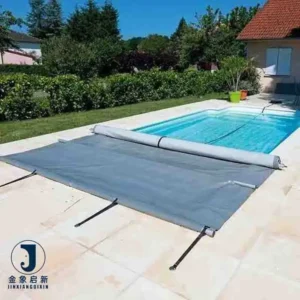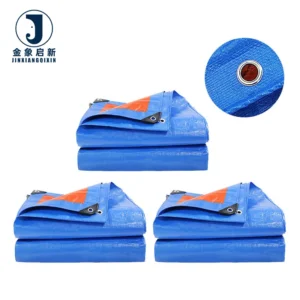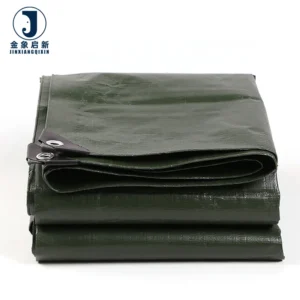
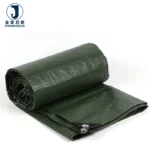
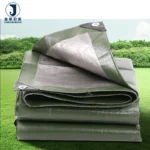
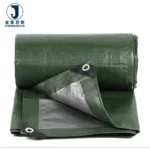
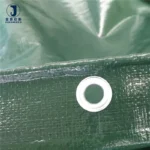
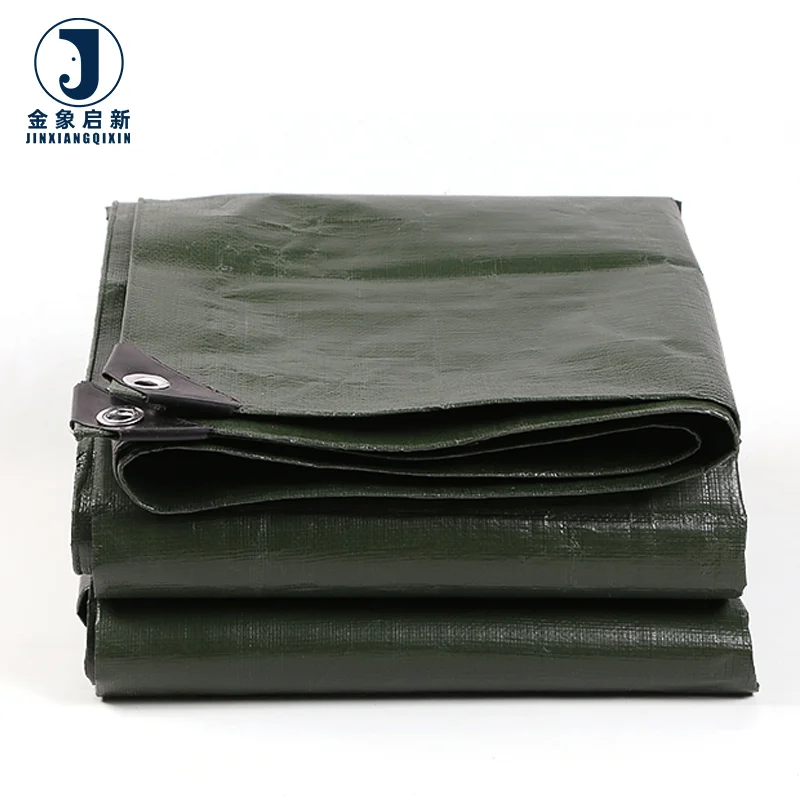
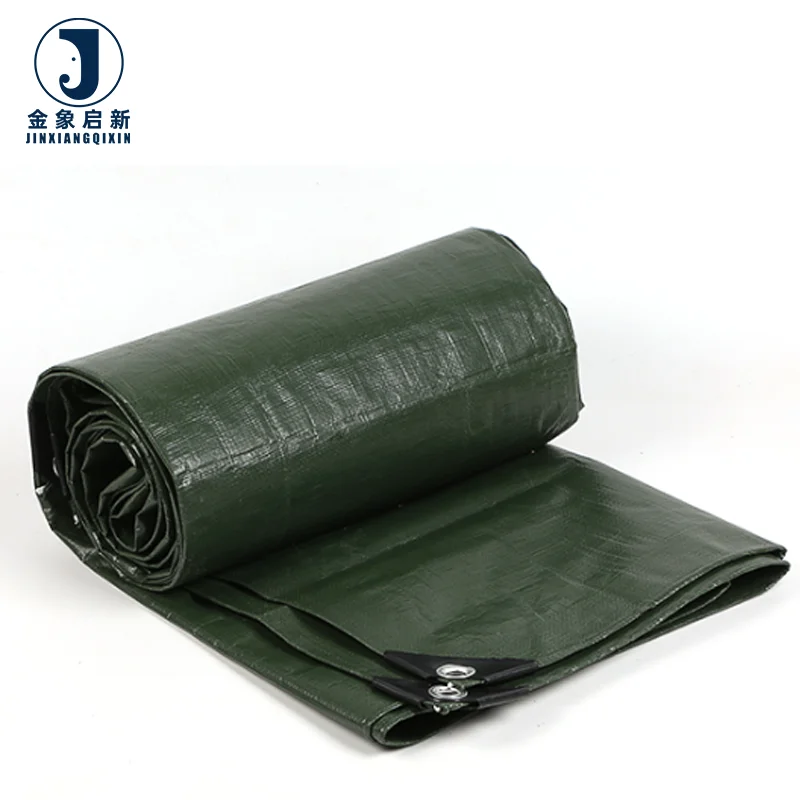
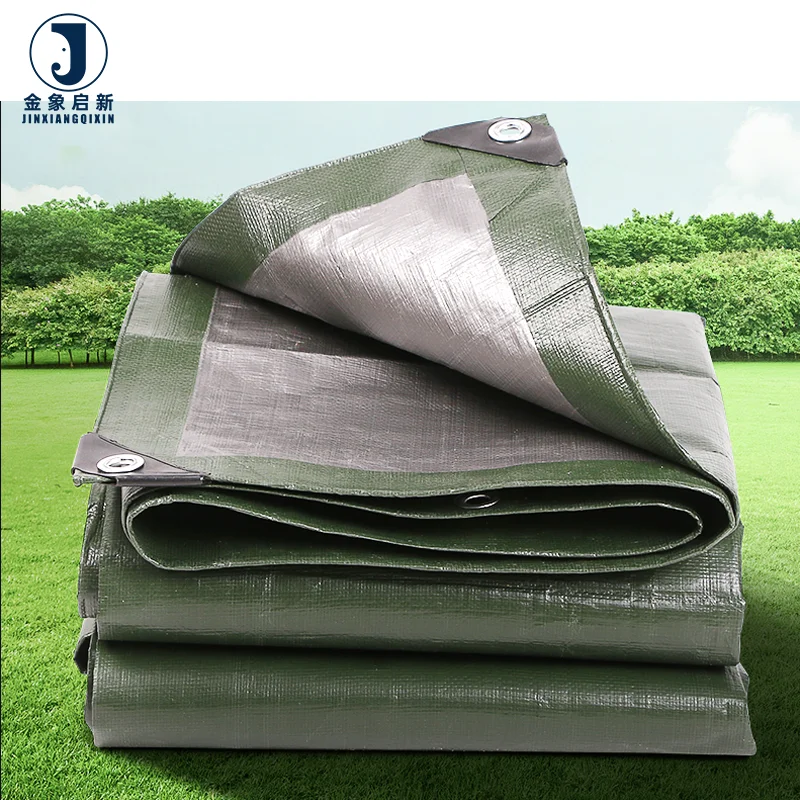
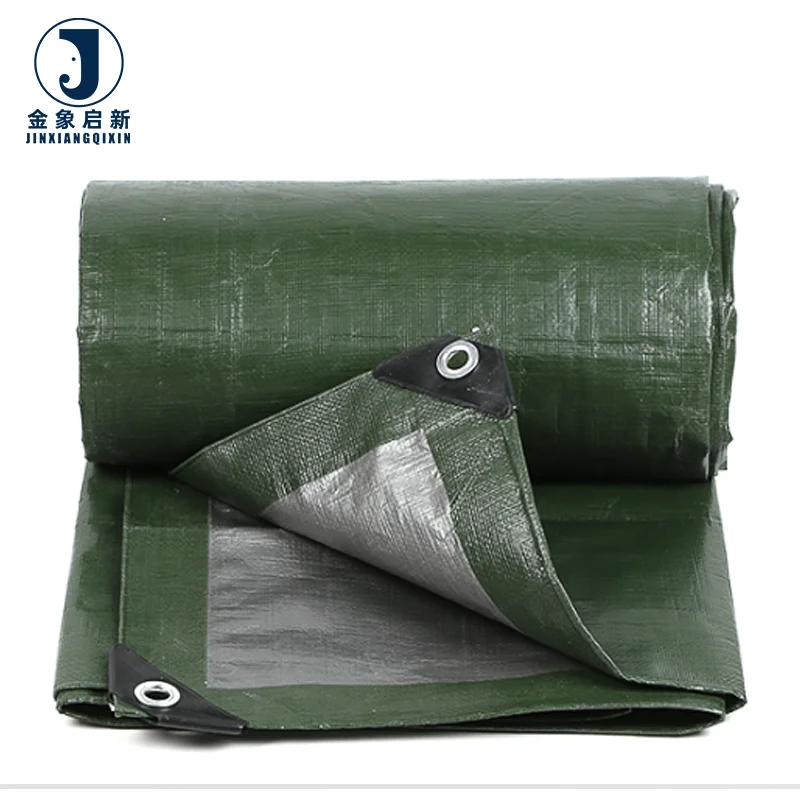
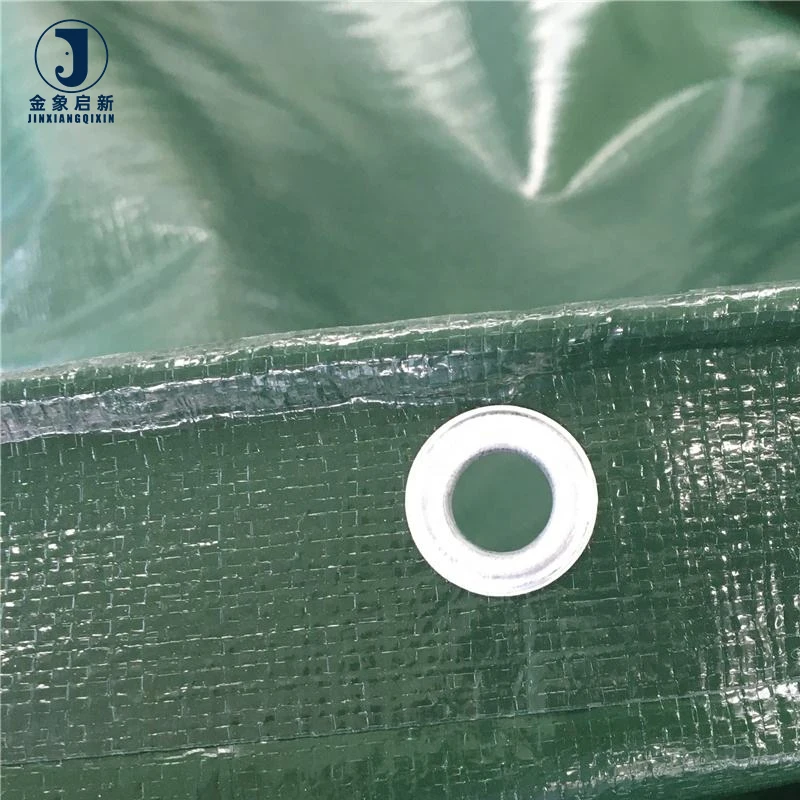
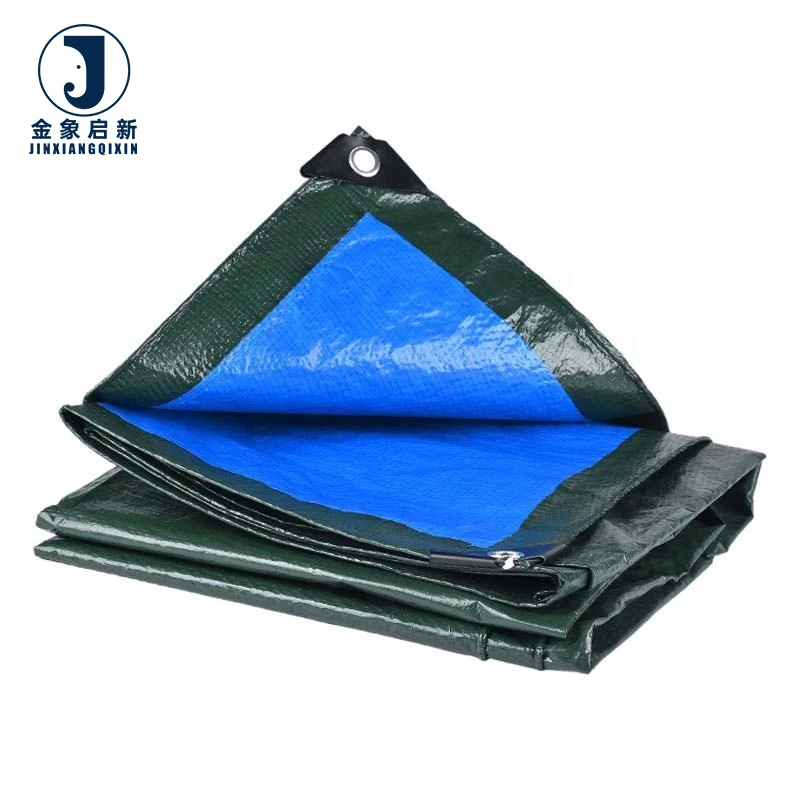
Deep Process Control Over Coating — nearly 30 years focused on coated fabric production, with QA checks at every stage ensuring fire retardant PE tarpaulin meets the compliance standards your site demands.
Technical Specifications
| Parameter | Value |
|---|---|
| Product Type | PE Tarpaulin |
| Thickness Options | 5 Mil / 10 Mil / 12 Mil / 16 Mil / 20 Mil |
| Coating Material | Polyethylene (PE) |
| Waterproof Rating | Waterproof (grade not stated in source) |
| Flame Retardant Grade | Fire Retardant (grade not stated in source) |
| UV Treatment | Anti-UV (test basis not stated in source) |
| Mildew Resistance | Mildew-Proof (test basis not stated in source) |
| Abrasion Resistance | Abrasion-Resistant (test basis not stated in source) |
| Windproof | Yes (test basis not stated in source) |
| Key Features | Waterproof, fire retardant treatment available, anti-UV stabilisation, mildew-proof, abrasion-resistant |
Application Suitability
| Application | Exposure & Requirement |
|---|---|
| Mining and tunnelling site covers | Underground fire safety compliance, continuous damp conditions, mechanical abrasion from equipment movement |
| Aviation ground equipment covers | Specialist fabric fire retardant requirements, outdoor UV exposure, fuel and chemical contact risk |
| Temporary shelter and tent fabric | Prolonged sun and rain exposure, wind loading, rapid deployment and repeated folding |
| Construction material and equipment protection | Weather exposure on open sites, rough handling during loading and unloading, dust and debris ingress |
| Cargo and transport covering | Road vibration and flexing, tie-down point stress, weather exposure during transit |
What "Fire Retardant" Really Means When No Standard Is Named
A fire retardant claim without a named test standard leaves your site exposed to compliance failure.
When procurement teams source fire retardant PE tarpaulin for mining, aviation or construction ventilation environments, the word "fire retardant" on a quotation is not enough. Different jurisdictions and site operators reference entirely different test methods — NFPA 701 in North America, DIN 4102 B1 in parts of Europe, M2 in France. Without knowing which standard applies and confirming that the fabric has been tested against it, a cover that looks compliant on paper can fail the on-site inspection, forcing a costly replacement mid-project [NEED_CITE: fire classification standards for flexible building covers and temporary structures]. The fire retardant PE tarpaulin certified grade must match the regulatory framework of your destination market, and the test report must travel with the shipment documentation.
Compliance Documentation That Travels With Every Roll
Sourcing fire retardant PE tarpaulin for industrial ventilation and specialist cover applications requires more than a product data sheet. Buyers in mining, tunnelling and aviation ground support operate under strict site safety protocols where every material introduced underground or onto the tarmac must be traceable to a recognised test standard. We supply material specification sheets that state the exact mil thickness, base fabric type and coating material for each roll, alongside fire retardant test reports matched to the standard your project specifies — whether that is NFPA 701, DIN 4102, M2 or another recognised framework. This documentation is not an afterthought; it is compiled during production and verified before dispatch so that your compliance file is complete the moment the material arrives on site.
Matching Mil Thickness to Exposure Severity
Selecting the correct thickness grade is the single most consequential decision in the specification process. A 5 Mil PE tarpaulin provides basic weather protection for short-term outdoor equipment covering, while a 20 Mil grade delivers the puncture resistance and structural stability required for heavy-duty mining site covers or aviation ground equipment shelters that face wind loading and mechanical contact [NEED_CITE: relationship between polyethylene tarpaulin mil thickness and puncture resistance under static load]. The intermediate grades — 10, 12 and 16 Mil — fill the spectrum between light duty and heavy duty, allowing procurement teams to match material cost to actual exposure rather than over-specifying across the board. Each thickness option is available with fire retardant treatment, anti-UV stabilisation and mildew-proof construction, so the protective package scales with the duty grade you select.
How Anti-UV, Mildew-Proof and Abrasion Resistance Work Together
A cover that resists fire but degrades under ultraviolet exposure will become brittle and lose its mechanical integrity long before the fire retardant treatment itself expires. Anti-UV stabilisation in PE tarpaulin slows the photo-oxidation of the polymer chains, maintaining tensile properties during prolonged outdoor service. Mildew-proof construction addresses a different degradation vector: in humid or wet environments — underground mines, tropical construction sites, coastal storage yards — fungal growth on the fabric surface can accelerate chemical breakdown and create visible staining that renders the cover unacceptable for client-facing applications. Abrasion resistance matters most at contact points where the cover rubs against equipment, scaffolding or the ground during deployment. Together, these three treatments form a protective system that extends the functional service life of the fire retardant PE tarpaulin across the range of conditions it will encounter [NEED_CITE: degradation mechanisms in polyethylene tarpaulins under combined UV and moisture exposure].
Reading the Specification Sheet Beyond Thickness Alone
Mil thickness measures the total caliper of the finished tarpaulin, but it does not tell you how that thickness is distributed between base fabric and coating. A 12 Mil tarpaulin built on a high-density woven base with a thin coating will behave very differently from one with a low-density base and heavy coating fill: the former resists tearing along the weave, while the latter may offer better puncture resistance but lower tear propagation strength. The waterproof performance of PE tarpaulin comes from the continuous coating layer that encapsulates the woven substrate, and the integrity of that layer at fold lines and flex points determines whether the cover remains waterproof after repeated deployment. For buyers specifying fire retardant PE tarpaulin for applications involving regular folding — tent shelters, removable equipment covers — the flex endurance of the coating is as important as the initial waterproof rating. Understanding these relationships helps procurement teams ask the right questions when reviewing material specification sheets and test reports.
The Cost of Specifying on Thickness Without Verification
One of the most common failures in PE tarpaulin procurement is a thickness or weight that measures correctly on the quotation but falls short when the roll is gauged on arrival. A tarpaulin specified at 16 Mil but delivered at 12 or 13 Mil will have less coating mass protecting the base fabric, reducing both waterproof reliability and the durability of any fire retardant or anti-UV treatment incorporated into that coating layer. For site managers in mining or aviation, this discrepancy is not merely a commercial issue — it is a compliance risk, because the fire retardant test report was generated on material of a specific construction, and thinner material may not perform identically under test conditions. Colour variation between rolls in the same shipment creates a different but equally visible problem: when covers are installed side by side on a construction site or over a row of aircraft, mismatched shades signal inconsistent production control and undermine confidence in the entire batch [NEED_CITE: pre-shipment inspection protocols for coated fabric colour consistency].
Why Industrial Buyers Source Fire Retardant PE Tarpaulin Here
Our 10-person R&D team handles material selection, custom sizing and sample development for fire retardant PE tarpaulin, so specification changes and project-specific requirements are addressed in days rather than weeks. Three full production lines and 36 sets of professional equipment provide the capacity to fulfil bulk roll orders while maintaining the coating consistency that underpins reliable fire retardant and anti-UV performance across every roll in a shipment. Dedicated QA and QC inspection at every production stage — from base fabric intake through coating, treatment application and final winding — catches thickness deviations and surface defects before they reach the packing line. Every roll undergoes 100 percent pre-shipment inspection, and the inspection record is available for buyer review. Samples are developed rapidly for custom thickness, treatment or sizing requirements, allowing buyers to verify material properties in their own testing environment before committing to production volumes.
Documentation & Verification
- Material specification sheet stating mil thickness, base fabric weave and PE coating type per roll
- Fire retardant test report matched to the standard required by your project or site authority
- Anti-UV and mildew-proof treatment documentation with test basis stated
- Pre-shipment inspection record confirming thickness and visual quality across the full order
- Certificate of origin and customs documentation prepared for the destination country
- Roll packing list detailing quantity, individual roll dimensions and net weight
Fabrication, Handling & Storage
- Heat welding parameters must account for PE coating thickness; test weld settings on a 5 Mil sample before joining 20 Mil panels
- Grommet placement at high-stress tie-down points should be reinforced with PE patch discs to prevent tear-out under wind load
- Store rolls horizontally on pallets in covered areas to avoid compression marks on the PE coating surface
- Unroll and allow fire retardant PE tarpaulin to acclimatise before fabrication in cold conditions to prevent coating crack
- Clean with mild detergent and soft brush; avoid solvent-based cleaners that may degrade the anti-UV treatment layer
- Repair minor punctures with PE-compatible adhesive patches applied to clean, dry surfaces
Preparing Your Enquiry for Fire Retardant PE Tarpaulin
To receive an accurate specification recommendation and quotation, provide the application environment — underground mining, aviation tarmac, open-air construction — along with the fire retardant standard your site or jurisdiction requires. Specify the mil thickness range under consideration, or describe the exposure conditions so our technical team can recommend the appropriate grade. Indicate whether you require rolls for your own fabrication line or finished cut-to-size covers, and state the annual or project volume to support production planning.
Frequently Asked Questions
Q: Which fire retardant standard applies to my project, and can you supply the matching test report?
A: The required standard depends on your jurisdiction and site authority — common references include NFPA 701, DIN 4102 B1 and M2. Confirm the standard your project specifies, and we will supply the corresponding fire retardant test report with the shipment documentation. If you are unsure which standard applies, share your project location and application and our technical team will advise.
Q: How can I verify the mil thickness on arrival matches what was quoted?
A: Every roll is inspected before dispatch and the pre-shipment inspection record documents measured thickness values. On receipt, use a calibrated digital thickness gauge at multiple points across the roll width to confirm the mil reading aligns with your order specification. We recommend including a thickness verification clause in your purchase order for mutual clarity.
Q: What is the expected outdoor service life under strong UV exposure?
A: Service life depends on the mil thickness selected, the intensity and duration of UV exposure at your location, and whether the cover is under continuous tension or regularly folded. Anti-UV treatment is incorporated to slow polymer degradation, but exact lifespan figures cannot be generalised. Share your climate zone and installation details so we can recommend the appropriate thickness and treatment package.
Q: Can I order custom sizes with reinforced hems and eyelets for specialist cover applications?
A: Yes. Custom cut sizes, hem reinforcement and eyelet spacing can be configured to your installation requirements. Provide a dimensional drawing or describe the cover application and fastening method, and our R&D team will prepare a sample for your approval before production begins.
Q: How are rolls packed and protected for international container shipping?
A: Rolls are wound on cores, wrapped in protective PE film and packed horizontally on pallets to prevent compression damage to the coating during transit. A detailed roll packing list accompanies every shipment, documenting roll count, individual dimensions and weight to support container loading planning and customs clearance at destination.