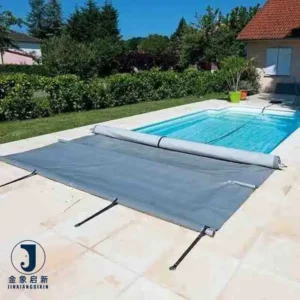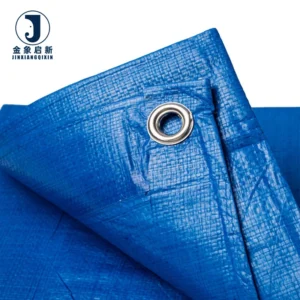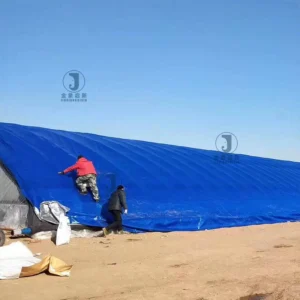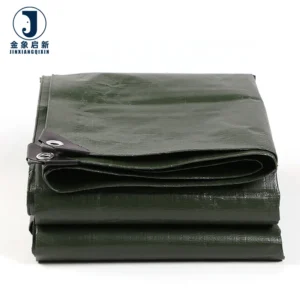

Deep Process Control Over Coating Weight and Adhesion — Nearly 30 years focused on coated fabric, with 10-person R&D and 100% pre-shipment inspection ensuring every roll meets specification before dispatch.
Technical Specifications
| Parameter | Value |
|---|---|
| Product Type | PE Tarpaulin |
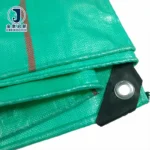
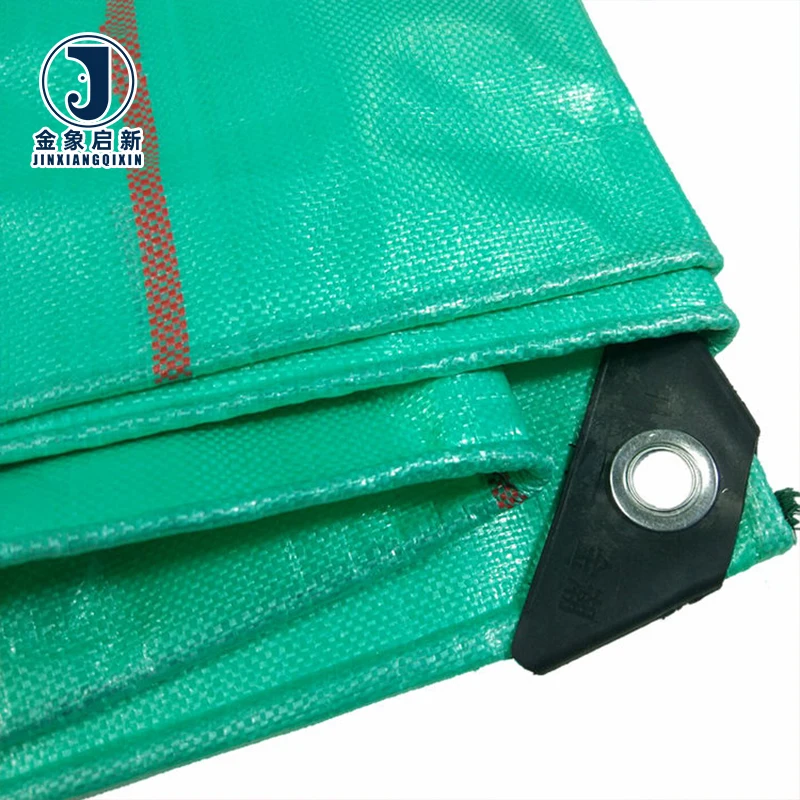
| Base Fabric | HDPE weaving with LDPE lamination on both sides |
| Weight Range (GSM) | 50gr/m² to 300gr/m² — confirm the grade required for your application |
| Thickness | 0.2–0.4mm / 8 mil–16 mil / Custom |
| Weave Density Options | 6×6, 6×7, 7×7, 7×8, 8×8, 9×9, 8×10, 10×10, 12×12, 14×14, 14×16 |
| Roll Widths | 6ft, 8ft, 10ft, 12ft or 2m, 4m, 6m |
| Roll Lengths | 100 yards, 100 meters, or as per buyer’s wish |
| Finished Edges | All four edges reinforced with PP rope in hem |
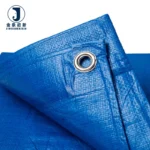
| Eyelets | Galvanized, every 3ft or 1 meter interval |
| Corners | Reinforced plastic corners |
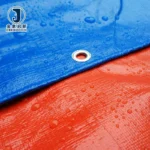
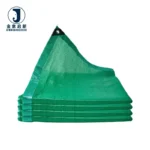
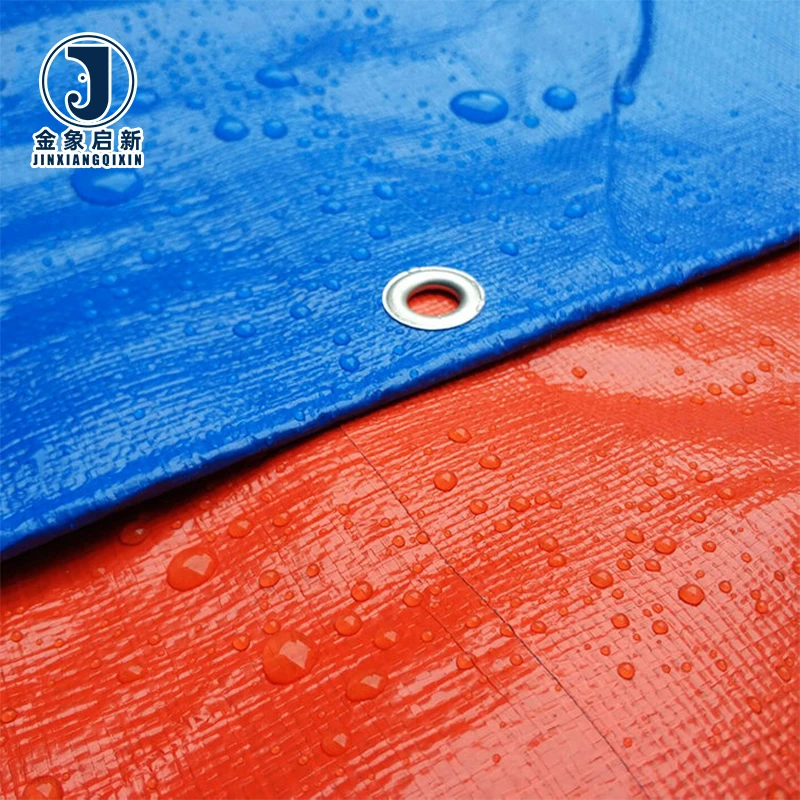
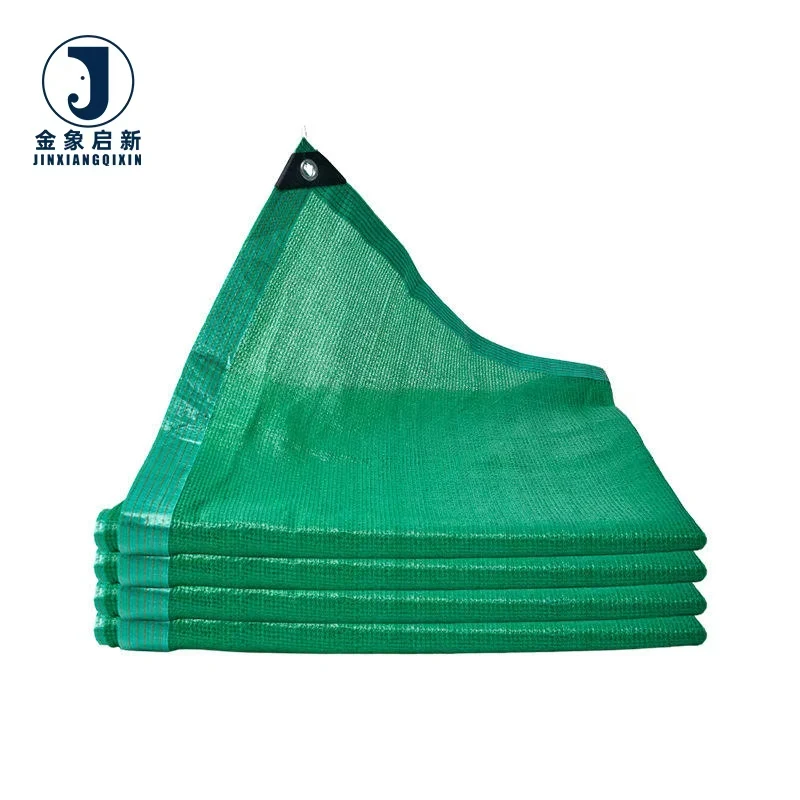
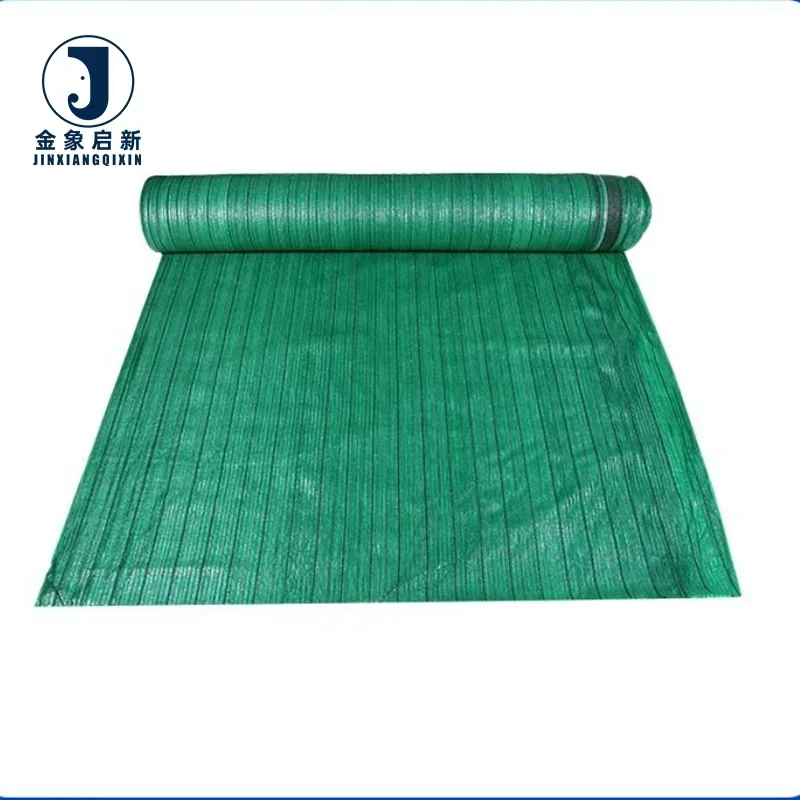
| Color Options | Blue, Blue/Orange, Green, Grey, Black, Clear, Grey/Green, Orange, or custom |
| UV Treatment | Available (test basis not stated in source) — confirm the standard for your market |
| Fire Retardant | Available in fire retardant grades — confirm the grade required for your jurisdiction |
| Anti-Static | Available in anti-static grades — confirm the surface resistance value required |
| Waterproof | Yes, fully waterproof LDPE lamination on both sides |
| Mildew & Anti-Aging | Yes, mildew proof and anti-aging treated |
Application Suitability
| Application | Exposure & Requirement |
|---|---|
| Mining and tunnelling ventilation duct | Constant airflow pressure, underground particulate, fire retardant compliance required |
| Aviation ground support ducting | Fuel vapour environments, anti-static surface resistance compliance required |
| Membrane and inflatable structures | Wind loading, UV exposure, structural seam integrity under tension |
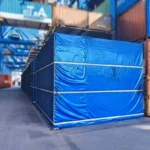
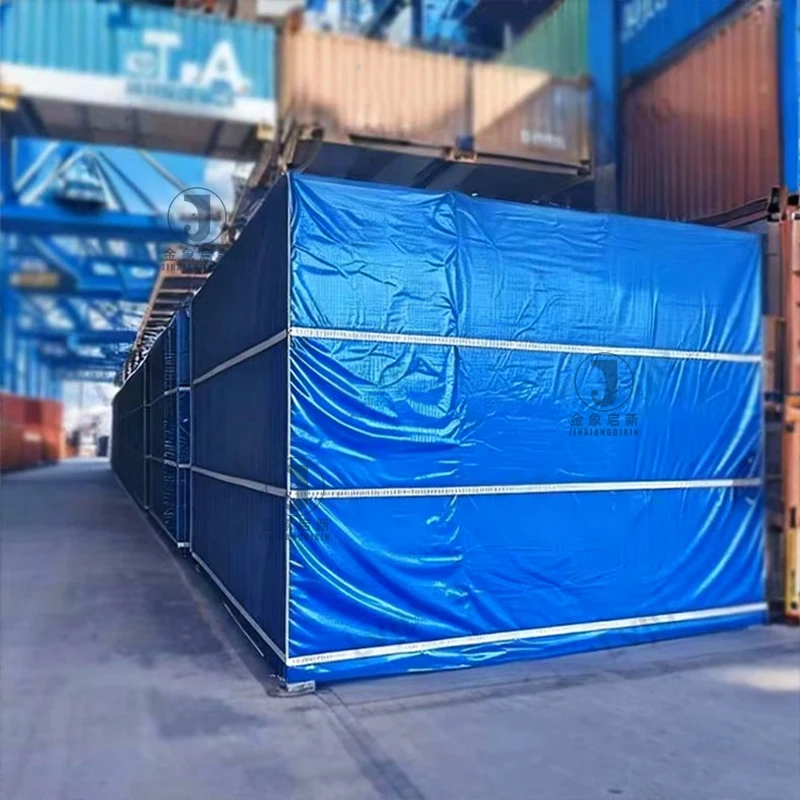
| Industrial truck and container covers | Road abrasion, weather exposure, secure tie-down at eyelet points |
| Construction scaffolding wrap | Wind-driven rain, site dust containment, temporary structural loading |
| Agricultural crop and hay covers | Prolonged sun exposure, moisture ingress prevention, wind uplift resistance |
What "Fire Retardant" Really Means Without a Grade Behind Your PE Tarpaulin
A PE tarpaulin labelled fire retardant without a cited standard is a liability, not a protection.
Ventilation duct installed in a mining tunnel or aviation hangar must meet specific fire classification requirements before the site safety officer signs off. We have seen projects halted at inspection because the fabric supplier provided a generic "flame retardant" claim with no test report matching the jurisdiction’s required standard — whether that is M2, B1 per DIN 4102, NFPA 701, or another classification [NEED_CITE: DIN 4102 fire classification for building materials]. The cost of replacing installed duct fabric underground is not measured in material alone; it includes downtime, re-installation labour, and delayed project handover.
Ventilation Duct Fabrication: Where Compliance Meets Coated Fabric Behaviour
Mining and tunnelling ventilation ducts demand more than a waterproof barrier. The PE tarpaulin must maintain structural integrity under continuous positive or negative air pressure while meeting fire retardant and anti-static requirements specific to the site. HDPE weaving with LDPE lamination on both sides provides the base strength and flexibility needed for duct sections that are joined, suspended, and sometimes dragged through rough tunnel conditions. Weave density selection — from lighter 8×10 constructions for temporary surface ducting to heavier 14×14 or 14×16 grades for high-pressure underground runs — directly affects both airflow resistance and puncture tolerance. Fire retardant treatment, where required, must be documented with a test report that matches your site’s safety specification before the material enters production.
Membrane and Inflatable Structures: Tension, Seam Integrity, and UV Exposure
Temporary and semi-permanent inflatable or membrane structures place continuous tension on every welded seam. The LDPE laminated surface of this PE tarpaulin allows heat welding, but the success of each weld depends on matching temperature and dwell time to the specific GSM and coating thickness. Galvanized eyelets at regular intervals and PP rope reinforced hems distribute load across the perimeter, reducing point stress where the structure is anchored [NEED_CITE: tensile and tear test methods for coated fabrics per ISO 1421]. UV treatment is available for outdoor membrane applications — confirm the test standard applicable to your climate zone before specifying.
How Weave Density and GSM Work Together in PE Tarpaulin Selection
GSM alone does not define strength. A 90gsm fabric woven at 8×8 density with thicker HDPE yarns will behave differently under tensile load than a 90gsm fabric woven at 10×10 with finer yarns. Higher weave density means more interlacement points, which limits tear propagation — a critical factor when a puncture in a ventilation duct or membrane structure can spread under wind or pressure loading. The LDPE lamination weight on each side also shifts the balance between fabric strength and coating flexibility: heavier lamination improves waterproofing and weld ability but adds stiffness that can complicate folding and field installation. When specifying, request the density-to-GSM mapping so you can verify on arrival that the roll matches the quoted construction [NEED_CITE: relationship between weave density and tear strength in woven PE fabrics].
The Hidden Cost of Specifying the Wrong Grade for Your Application
A ventilation duct fabricated from a PE tarpaulin that is too light for the pressure rating will stretch at the seams before it fails in the body of the fabric. Welds made on an incorrect GSM grade may peel under flex cycles, and the failure typically appears at the joint, not the field of the material. In membrane structures, underspecified fabric reveals its weakness during the first high-wind event — not through a clean tear, but through eyelet pull-out or hem separation where the reinforcement was not proportioned to the load. Anti-static treatment, if required for aviation or mining ducting but not applied, creates a surface charge hazard that may not be detected until a spark event occurs in a fuel vapour or coal dust environment [NEED_CITE: anti-static surface resistance requirements for mining ventilation ducts].
Why Technical Buyers Source PE Tarpaulin From Jinan Jinxiang
Three full production lines and 36 sets of professional equipment support roll stock output at volumes needed for large duct and membrane projects. The 10-person R&D team handles material selection, sample development, and custom sizing — not as a separate service, but integrated into the quoting process so your specification is validated before production starts. Dedicated QA/QC runs at every production stage with 100% inspection before shipment, meaning GSM, weave density, and treatment compliance are checked against the material specification sheet before any roll leaves the facility. Samples are developed within days for custom fire retardant, anti-static, or colour requirements so you can weld-test and verify before committing to a full container order.
Documentation & Verification
- Material specification sheet stating GSM, base fabric weave density, and LDPE lamination weight per side
- Fire retardant and anti-static test reports matched to the grade specified for your jurisdiction
- ISO and CE certificates included with every shipment
- Pre-shipment inspection record with 100% roll inspection before dispatch
- Certificate of origin and customs documentation for international PE tarpaulin shipments
Fabrication, Handling & Storage
- Heat weld LDPE laminated surfaces at temperatures matched to the specific GSM and coating thickness of your roll
- Reinforce eyelet and hem zones with additional PP rope where duct suspension points concentrate load
- Store PE tarpaulin rolls upright on hard paper tubes to prevent flat-spot deformation of the weave
- Allow cold-stored rolls to acclimatise before unfolding to avoid crease damage in low-temperature LDPE lamination
- Cut and pattern duct sections to minimise cross-grain seams where internal pressure loads are highest
What We Need From You to Quote Correctly
Provide the ventilation duct diameter, section length, and operating pressure so we can recommend the correct weave density and GSM for your PE tarpaulin. Specify the fire retardant or anti-static standard required by your site safety code — whether M2, B1, NFPA 701, or a mining-specific classification — so test reports are prepared before production. Confirm roll widths, colour requirements, and whether you need finished panels with eyelets or raw roll stock for your own fabrication line.
Frequently Asked Questions
Q: Which fire retardant standard applies to PE tarpaulin used in mining ventilation ducts?
A: The required standard depends on your jurisdiction — common classifications include M2, B1 per DIN 4102, NFPA 701, or mining-specific codes. We confirm the applicable grade during the specification stage and supply a matching test report with your shipment. Request the standard your site requires and we will align our fire retardant treatment and documentation accordingly.
Q: How do you verify that the GSM on arrival matches the PE tarpaulin quotation?
A: Every roll is mapped to its weave density and GSM during production. Our 100% pre-shipment inspection checks actual weight against the material specification sheet before dispatch. On arrival, you can verify by cutting a measured sample and weighing it — the density-to-GSM mapping we provide lets you cross-reference weave count as a secondary check.
Q: What surface resistance values are available for anti-static PE tarpaulin in aviation ducting?
A: Anti-static treatment is available and surface resistance values are documented where applicable. The specific resistance range required depends on your aviation or mining site standard. Provide your target surface resistance value during inquiry and we will confirm achievability and include the measured result in your pre-shipment documentation.
Q: Can PE tarpaulin be heat-welded for duct and membrane fabrication?
A: Yes, the LDPE lamination on both sides supports heat welding. Weld temperature and dwell time must be matched to the GSM and coating thickness of the grade you select. We recommend producing welded samples from the supplied roll to validate your fabrication parameters before cutting full production sections.
Q: What is the lead time for custom width, colour, or fire retardant treatment?
A: Custom orders involve typical multi-week lead times depending on width, colour, and treatment complexity. Samples are developed within days so you can approve material, colour, and weld behaviour before full production begins. Provide your required roll width, colour reference, and treatment grade with your inquiry for an accurate timeline.