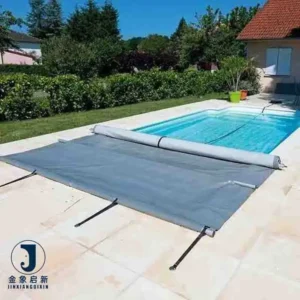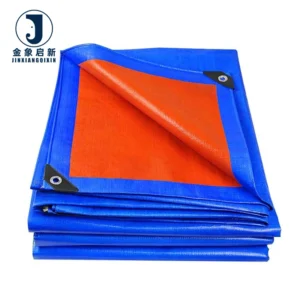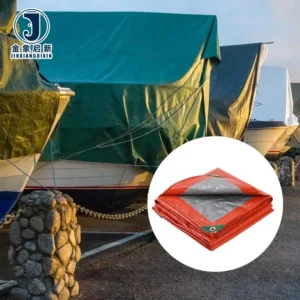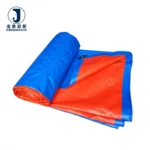

Technical Fabric Control — we align HDPE weave density and LDPE coating weight to the airflow, load and fire-safety demands of duct and membrane fabrication, verified before dispatch.
Technical Specifications
| Parameter | Value |
|---|---|
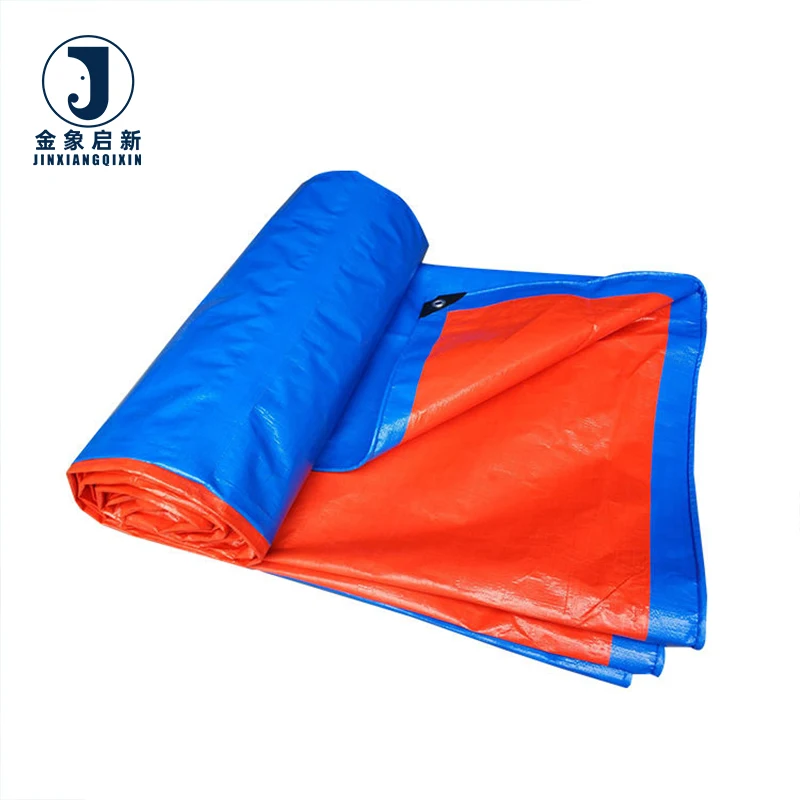
| Product Type | PE Tarpaulin |
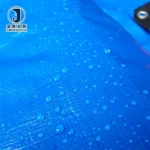
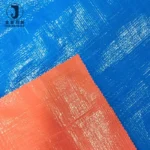
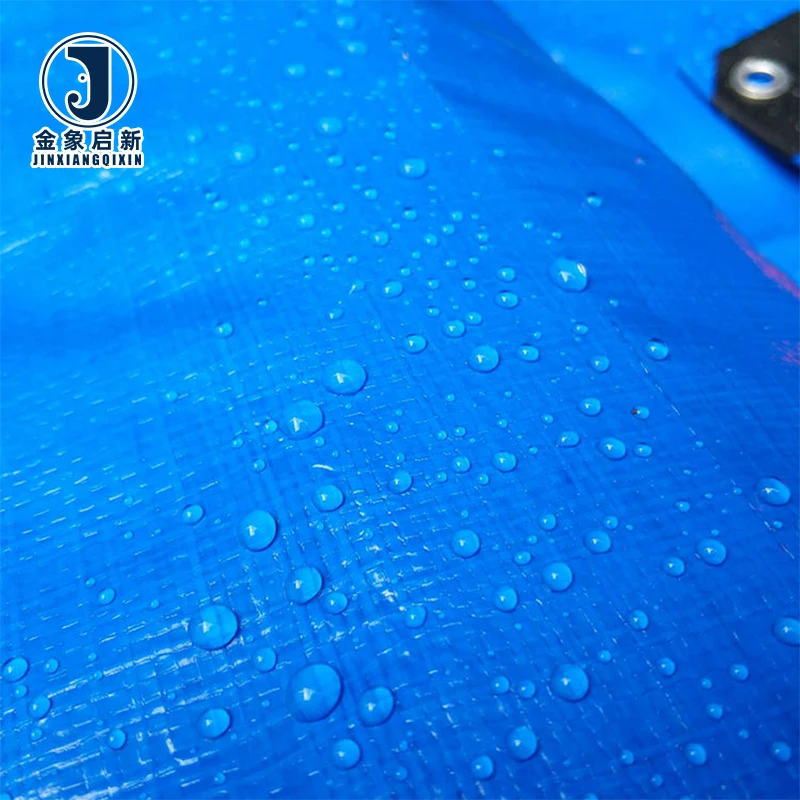
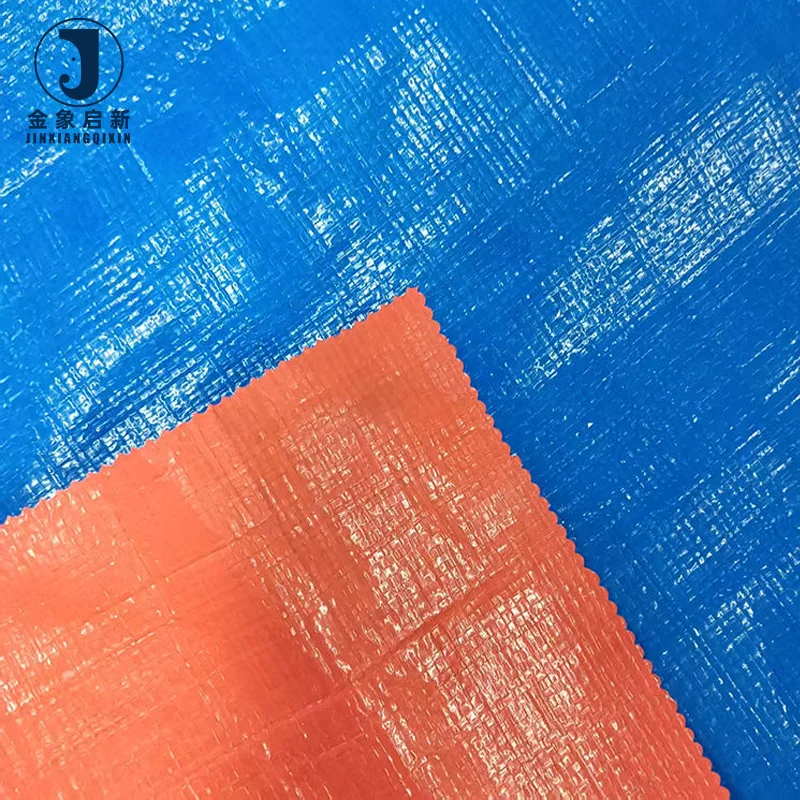
| Material | HDPE woven fabric with LDPE coat on both sides |
| Density (Mesh Count) | 6×6 to 16×16 mesh |
| Weight (GSM) | 50 g/m² to 300 g/m² |
| Color Options | Blue, Orange, White, Black, Grey, Yellow, Green, Red, custom colors available |
| Sheet Size | 2×3, 3×4, 3×5, 4×5, 5×6, 6×8, 10×10, 10×12, 12×14 m or custom |
| Roll Size | 100 m per roll or custom |
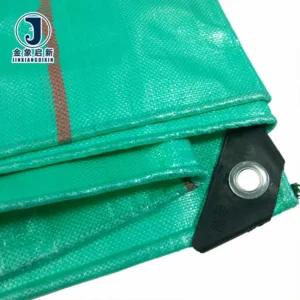
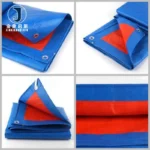
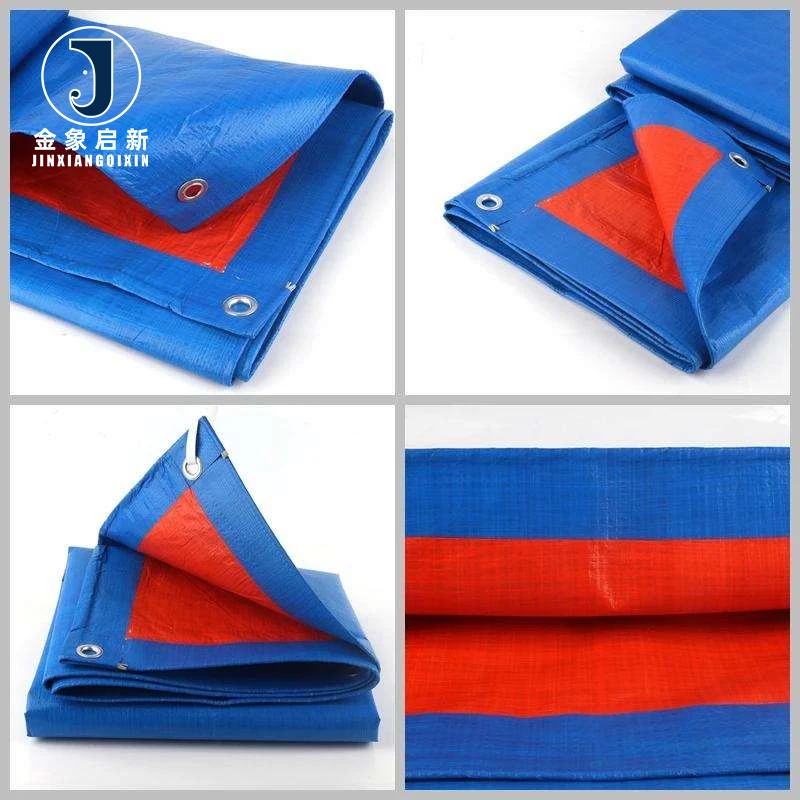
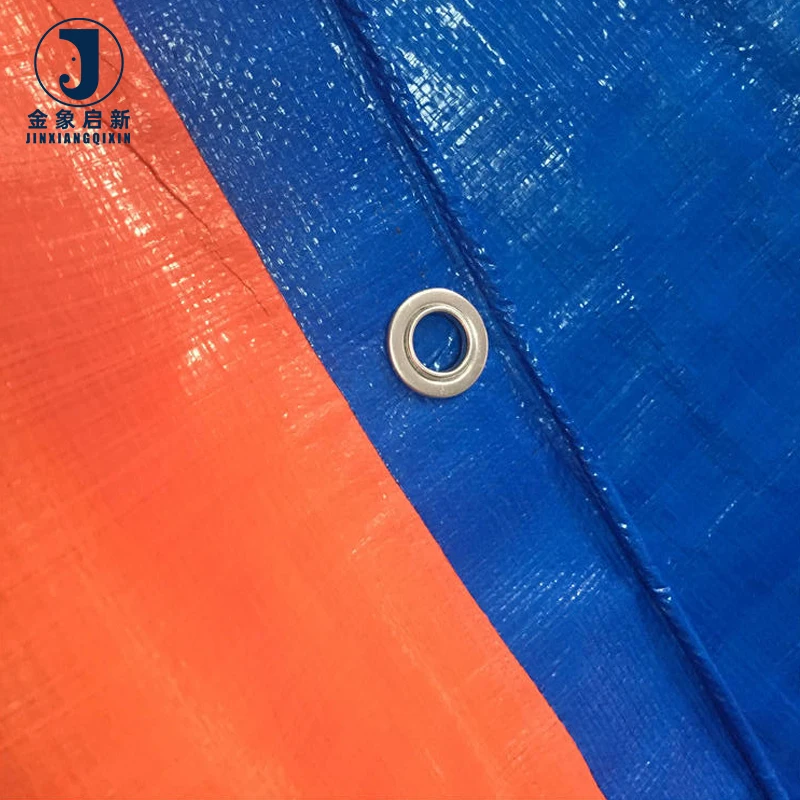
| Edge Making | PP rope in hem on all edges, reinforced corners with black plastic triangle |
| Eyelets | Rustproof aluminum, spaced every 1 m or 1.5 m or custom |
| Special Treatment | Fire resistant / UV protection available (grade to be confirmed at inquiry) |
| Logos or company information printable, reinforced strip addable | |
| Standards | ISO and CE certified facility |
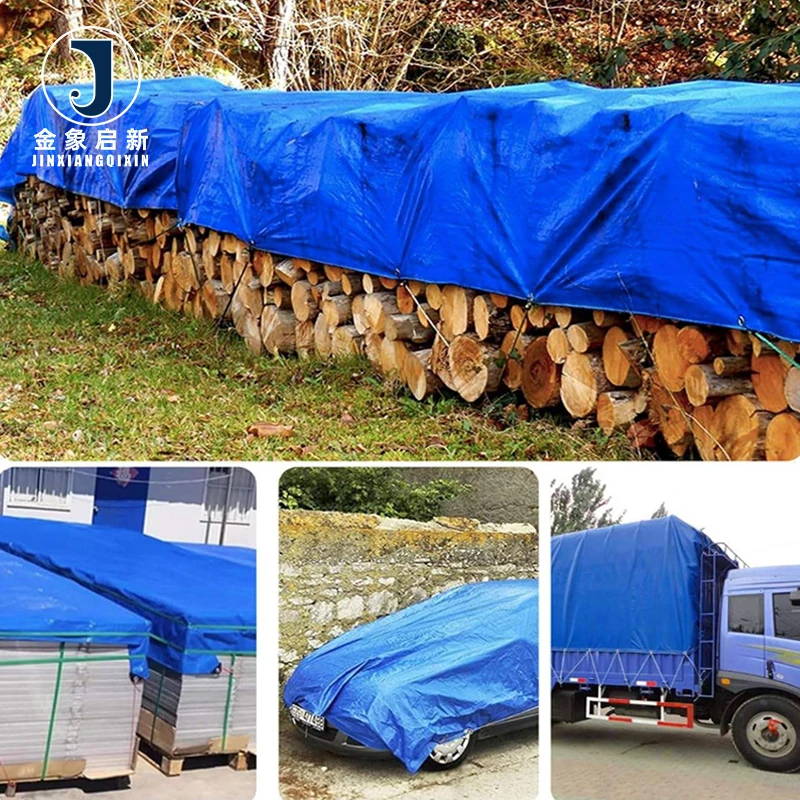
Application Suitability
| Application | Exposure & Requirement |
|---|---|
| Mining and tunnelling ventilation ducts | Continuous forced airflow, abrasive particulate, mandatory fire-resistant and anti-static compliance underground |
| Inflatable and membrane structure covers | Biaxial tension, UV exposure, weld integrity under cyclic inflation pressure |
| Aviation temporary enclosures | Jet blast proximity, wind load on panels, fire safety in hangar zones |
| Construction site temporary panels | Weather exposure, scaffolding abrasion, repeated installation and removal |
Why "Fire Resistant" Means Nothing Without a Test Report
PE tarpaulin with fire retardant claims regularly fail site inspection when no test documentation accompanies the delivery.
We document every treatment claim with a verifiable test report. A quotation line that reads "fire resistant" without naming the standard or grade is a compliance risk, not a specification. On mining and tunnelling sites, ventilation duct fabric must meet the fire classification demanded by the local regulator — and the site safety officer will ask for the certificate before the duct is hung [NEED_CITE: fire classification requirements for underground ventilation ductwork]. When PE tarpaulin is supplied without that paper trail, the entire installation can be rejected, regardless of how the material actually performs in a burn test.
Coating Adhesion and Duct Fabrication Integrity
The LDPE coating on both sides of the HDPE woven base must bond firmly enough to survive the heat-welding process used in duct and membrane fabrication. Poor adhesion causes delamination at the weld line, which is typically the first point of failure in a pressurised duct. Our coating process controls the temperature and pressure at the laminating stage so that the LDPE layer penetrates the HDPE weave rather than sitting on top of it. This gives fabricators a reliable weld window and a seam that holds under flex and vibration.
Density Selection for Airflow and Light Transmission
Mesh density directly affects how PE tarpaulin behaves in specialist applications. A 6×6 mesh allows higher light transmission and lower wind resistance, suited to temporary enclosure panels where visibility and airflow matter. A 16×16 mesh delivers greater tensile stability and reduced porosity, necessary for ventilation ducts that must maintain shape under positive or negative pressure [NEED_CITE: relationship between mesh count and air permeability in woven coated fabrics]. Selecting the wrong density leads to duct collapse under load or excessive wind catch on enclosure panels.
Understanding GSM, Weave and Coating Weight Together
GSM alone does not determine how a PE tarpaulin will perform in a duct or membrane application. A 200 g/m² fabric woven at 8×8 mesh with a heavier coating may have lower tensile strength than a 180 g/m² fabric woven at 14×14 with a thinner, more penetrating coat. The HDPE yarn denier and the weave density set the structural baseline; the LDPE coating weight adds waterproofing, UV resistance and weldability. For ventilation ducts, tensile stability under continuous pressure matters more than sheer weight. For inflatable structures, tear propagation resistance — governed by the weave — is the priority. Specifying on GSM alone invites mismatched material selection.
Fire-Resistant and UV Treatment Verification
Fire-resistant and UV protection treatments are available for this PE tarpaulin range, with the specific grade and test basis to be confirmed during the inquiry stage. Different markets require different fire classifications — a mining ventilation duct in one jurisdiction may demand a different standard than a membrane structure in another. We supply the test report that corresponds to the grade ordered, so the compliance documentation matches the material on site [NEED_CITE: fire-retardant test standards for PE-based industrial fabrics]. UV treatment follows the same principle: the additive package is selected to match the expected exposure duration and latitude, and the result is documented.
What Happens When Specification Is Skipped
Ventilation duct fabric ordered on price and colour alone, without specifying density, treatment grade or weld parameters, generates predictable failures. The duct sags between supports because the mesh count was too low for the static pressure. The fire safety inspector rejects the installation because the test report was never requested. Welds peel after weeks of vibration because the coating formulation was not matched to the fabricator’s hot-air equipment. These outcomes are not material defects — they are specification gaps, and they surface only after the fabric is installed and the site is operational [NEED_CITE: common failure modes in industrial ventilation duct installations].
Why Technical Buyers Source This Range Here
Three full production lines and 36 sets of professional equipment support bulk roll output with consistent coating weight across the run. A 10-person R&D team handles material selection, density matching and sample development for duct and membrane specifications. Dedicated QA/QC runs at every production stage, with 100% inspection before shipment — GSM is verified per roll, not averaged across a batch. Samples for custom width, colour or treatment are developed within days, so fabricators can run weld trials before committing to a container order. Nearly 30 years of coated fabric production means the process variables that affect weld integrity and colour consistency are controlled, not left to chance.
Documentation & Verification
- Material specification sheet stating GSM, HDPE weave density, LDPE coating type and colour reference
- Test report for fire-resistant grade where applicable, matched to the standard required on site
- UV treatment test documentation confirming additive performance against stated exposure
- ISO and CE certificates included in the shipment documentation package
- Pre-shipment inspection record with roll-by-roll weight and colour verification
- Roll packing list with batch number for traceability across the container load
Fabrication, Handling & Storage
- Heat-weld at temperatures matched to the LDPE coating weight — trial on a sample offcut first
- Space rustproof aluminum eyelets at 1 m intervals for duct hanging points to distribute load evenly
- Store rolls upright on a flat surface to prevent edge deformation that affects unwinding
- Avoid dragging PE tarpaulin across abrasive surfaces during deployment to protect the LDPE coat
- Clean with mild detergent only — solvents can degrade the fire-resistant treatment layer
- Cut panels with allowance for weld overlap; seal all cut edges to prevent HDPE yarn fraying
Before You Request a Quote
Provide the application type — ventilation duct, membrane structure, or temporary enclosure — along with the operating pressure or wind load the fabric must withstand. Specify the fire classification or anti-static standard required by your local regulator or site safety plan. Indicate the roll width and linear metres needed, plus any colour or print requirements for identification on site. If you need finished cut sizes with eyelets and reinforced hems rather than roll stock, include the sheet dimensions and eyelet spacing. We will return a specification recommendation with sample lead time and documentation scope.
Frequently Asked Questions
Q: What fire-retardant grade can this PE tarpaulin achieve for mining ventilation duct compliance?
A: Fire-resistant treatment is available and the specific grade is confirmed at inquiry based on your site’s regulatory requirement. We supply the corresponding test report with the shipment so the documentation matches the material installed. Provide your local fire classification standard and we will match the treatment package accordingly.
Q: How is anti-static performance addressed for underground duct or specialist structure fabric?
A: Anti-static treatment can be incorporated into the LDPE coating formulation upon request. The test basis and measurement method are confirmed during the specification stage to align with your site’s safety plan. We document the result so the compliance record is complete before the fabric reaches the installation point.
Q: What GSM and mesh density do you recommend for membrane versus duct applications?
A: Membrane structures generally benefit from higher mesh density for tear propagation resistance under biaxial tension, while duct applications prioritise tensile stability under continuous pressure. The optimal GSM depends on the structural load and span. Share your engineering requirements and we will recommend the density and weight combination with sample support.
Q: How do you ensure colour consistency when multiple rolls are installed side by side?
A: Colour is controlled at the compounding stage and verified per roll during pre-shipment inspection. Each roll carries a batch reference on the packing list so panels from the same production run can be grouped during installation. If your project spans multiple shipments, we hold the colour standard on file for repeat matching.
Q: Can custom widths and roll lengths be supplied with fire-resistant treatment applied?
A: Custom widths and roll lengths are available, and fire-resistant treatment can be applied to non-standard sizes. The minimum order and lead time depend on the width and treatment grade requested. Submit your dimensions and compliance requirement and we will confirm production feasibility with a sample for your approval.