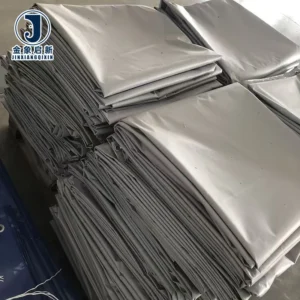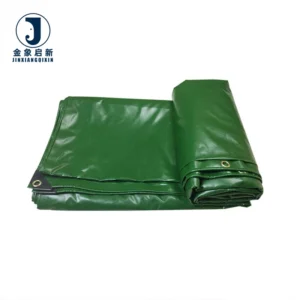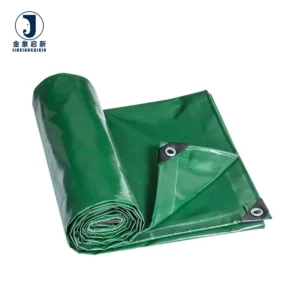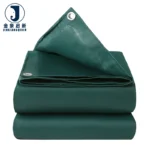



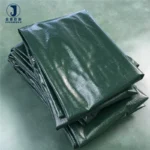
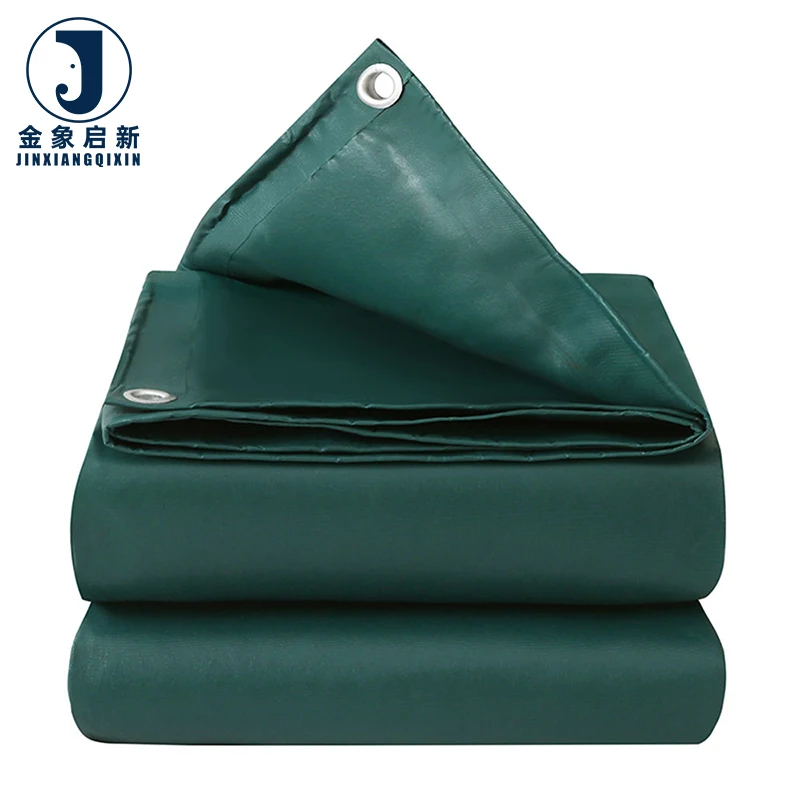
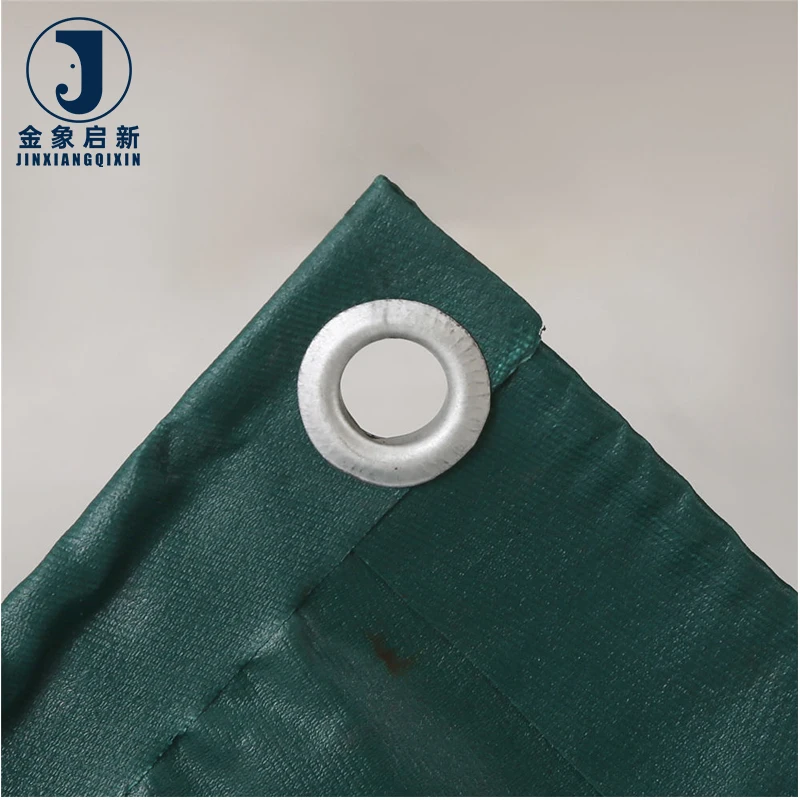

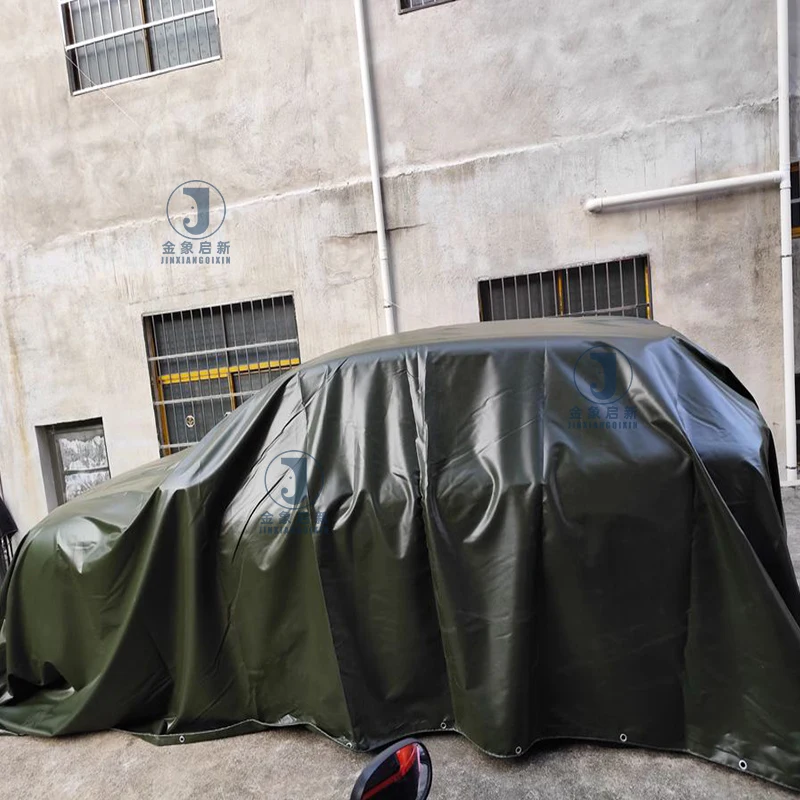
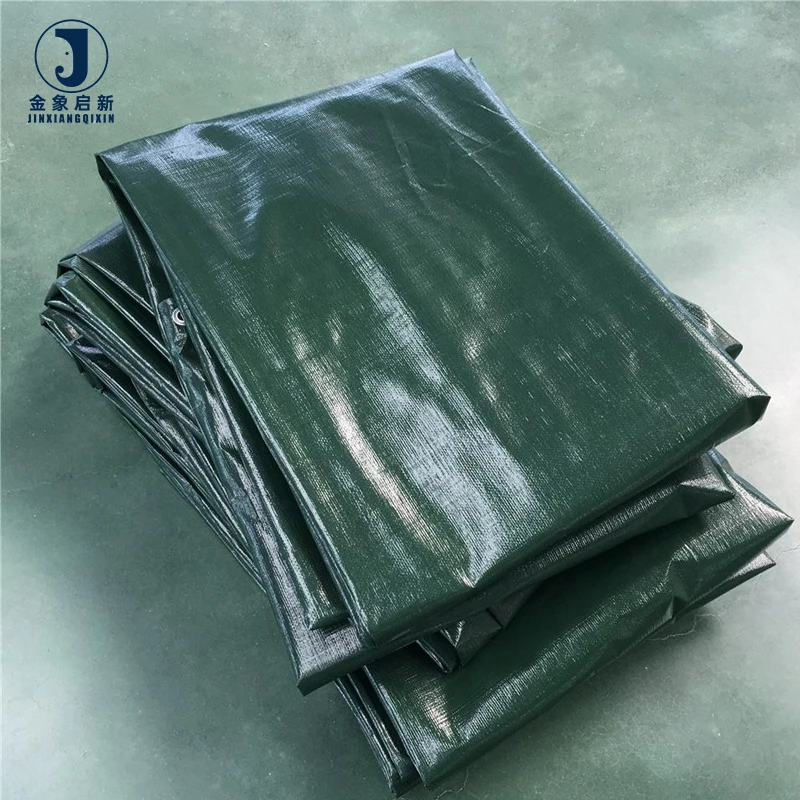
Batch Consistency Verified — every roll of PVC Coated Tarpaulin dispatched from our facility undergoes in-process coating weight checks and pre-shipment inspection to confirm colour, GSM and finish match the approved sample.
Technical Specifications
| Parameter | Value |
|---|---|
| Product Type | PVC Coated Tarpaulin |
| Base Fabric | High-strength polyester mesh |
| Coating Method | Laminated technology & Hot-melt coating technology |
| Weight Options | 350gsm / 420gsm / 500gsm / 550gsm / 600gsm / 750gsm |
| Thickness Options | 0.32mm / 0.35mm / 0.4mm / 0.45mm / 0.5mm / 0.65mm |
| Roll Width Options | 2m / 2.1m |
| Roll Length Options | 50m / 75m |
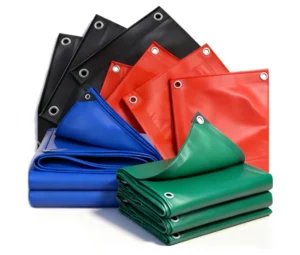
| Colour Options | Blue / Red / Yellow / Light blue / Grey (custom colours available) |
| Waterproof | Yes |
| Anti-Mildew | Yes |
| Cold Crack Resistance | Yes |
| Flame Retardant | Available as special treatment (grade not stated — confirm required standard) |
| Anti-Static | Available as special treatment (surface resistance standard not stated — confirm required certification) |
| UV Treatment | Available (test basis not stated — confirm applicable test method) |
| Key Features | High tenacity yarns, good flexibility, strong adhesion, outstanding tearing strength for welding, color fastness |
| Certifications | ISO, CE |
Application Suitability
| Application | Exposure & Requirement |
|---|---|
| Truck side curtain fabric | Constant flexing at tie-down points, road debris abrasion, weather exposure, UV degradation |
| Tent and awning structures | Wind load tension, repeated folding and unfolding, prolonged sunlight, rain ingress at seams |
| Construction site enclosures | Scaffold contact abrasion, wind-borne debris impact, UV and rain exposure over multi-month projects |
| Industrial equipment covers | Chemical-laden dust, forklift contact, outdoor weathering between maintenance cycles |
| Temporary warehouse partitions | Forklift traffic abrasion, indoor dust containment, occasional moisture contact |
| Agricultural stockpile covers | UV exposure, wind uplift tension, moisture ingress prevention, seasonal temperature swings |
Why "Flame Retardant" on a Quotation Can Still Leave You Exposed on Site
Fire-retardant and anti-static treatments are available — specify the grade and test standard your project demands before production begins.
A contractor ordering PVC Coated Tarpaulin for a mining ventilation duct or a temporary structure in a regulated environment often receives a quotation that says "flame retardant" without naming the classification. When the site safety officer asks for the test certificate, the supplier cannot produce one because no specific grade was ever confirmed. The duct is rejected at inspection, the project stalls, and replacement material must be sourced under emergency lead times. This pattern repeats across tunnelling, aviation ground support, and membrane structure projects where compliance documentation is non-negotiable. PVC coated tarpaulin fire retardant and anti-static grades must be matched to the exact standard enforced at your site — DIN, NFPA, M2, or a local mining regulation — and backed by a test report issued against the production batch. [NEED_CITE: fire classification standards for coated fabrics used in temporary structures]
Coating Adhesion and Weld Integrity in Ventilation Duct Construction
Laminated and hot-melt coating technologies produce a PVC layer bonded to the polyester mesh base at different adhesion levels. For duct fabrication, the weld seam must hold under positive and negative airflow pressure without delaminating from the base fabric. Hot-melt coating generally achieves stronger peel adhesion, which translates directly to weld seam durability when the duct flexes under fan start-up cycles. PVC coated tarpaulin fire retardant grades, when applied, must not interfere with the thermal welding process — some additive packages alter the melt behaviour at the seam. Confirming both the coating method and the fire-retardant treatment compatibility with your welding equipment prevents seam failure in the field.
Anti-Static Compliance for Regulated Underground and Aviation Environments
Mining ventilation regulations in multiple jurisdictions require duct fabric to meet a specific surface resistance threshold to prevent static discharge near combustible dust. Aviation ground support structures similarly mandate anti-static properties to protect sensitive equipment. Anti-static treatment for PVC Coated Tarpaulin is available, but the surface resistance value and the test method used to measure it must align with your site’s regulatory framework. Requesting the test report before confirming the order ensures the PVC coated tarpaulin fire retardant and anti-static combination meets both requirements simultaneously, rather than discovering after delivery that only one property was certified. [NEED_CITE: anti-static surface resistance measurement methods for mining ventilation fabric]
Reading GSM and Coating Weight Together
GSM alone does not determine tensile or tear performance — the base fabric denier and weave density carry a significant portion of the mechanical load. A 550gsm fabric woven from high-tenacity yarns at a tight weave can outperform a 600gsm fabric built on a looser, heavier-coated base. The coating method also matters: laminated fabrics rely on an adhesive bond between the PVC film and the mesh, while hot-melt coatings penetrate the yarn structure more deeply, producing higher peel strength at the cost of a stiffer hand feel. Thickness values from 0.32mm to 0.65mm correspond to the combined base and coating build, and selecting within this range should be driven by the mechanical load and welding method your fabrication process requires, not by thickness alone. GSM, base fabric construction, and coating method must all be evaluated together to arrive at the correct specification.
When the Wrong Specification Costs More Than the Material Itself
A tent manufacturer cutting side panels from rolls with colour variation between batches faces visible mismatch once the panels are installed adjacent to each other on the frame. A mining contractor who accepts duct fabric without verifying the anti-static test report may pass initial installation but fail the quarterly compliance audit, forcing a full duct replacement underground. A truck fleet operator specifying a lighter GSM grade to reduce roll cost often discovers that the side curtain fabric tears at the buckle strap points within months, requiring panel replacement at a cost far exceeding the original material saving. These outcomes trace back to specifications that were not verified against the actual application demands before the production run began. [NEED_CITE: common causes of coated fabric failure in industrial and transport applications]
Why Sourcing This Fabric Here Reduces Verification Risk
Three full production lines and 36 sets of professional equipment support consistent output across roll batches, reducing the colour and coating weight variation that plagues multi-roll orders. A dedicated 10-person R&D team develops samples for custom GSM, colour, and treatment combinations within days, allowing you to verify performance before committing to production volume. QA/QC checkpoints at every production stage — from base fabric inspection through coating, winding, and final cutting — catch deviations before rolls are packed. The sales process begins with your application and compliance requirements, not a generic catalogue quote, so the specification is built around your site conditions. Nearly three decades of coated fabric production experience means the process controls for adhesion, coating weight, and colour matching are established, not experimental.
Documentation & Verification
- Material specification sheet stating confirmed GSM, base fabric denier, coating type and colour reference for your order
- Fire-retardant and anti-static test reports issued against the applicable standard when special treatments are specified
- Pre-shipment inspection record confirming roll count, width, length and visual quality before container loading
- Roll packing list with individual roll identification for traceability back to the production batch
- Certificate of origin and customs documentation prepared per destination country requirements
Fabrication, Handling & Storage
- Hot-melt coated rolls require adjusted welding temperature and dwell time settings compared to laminated grades to avoid base fabric scorching
- Store rolls vertically on pallets to prevent flat-spot deformation that transfers into visible creases on the finished curtain or duct panel
- Allow cold-stored rolls to reach ambient temperature before unrolling to prevent coating micro-cracking at fold lines
- Use compatible PVC-based repair patches and solvent cement matching the coating method for field seam repairs
- Plan cut layouts to minimise transverse seams on truck side curtains, as each weld line introduces a flex point under road vibration
Before You Request a Quote
Provide the specific ventilation duct diameter, operating pressure, and the fire-retardant or anti-static standard enforced at your project site so the correct treatment grade is matched to your compliance requirement. Specify whether you need rolls in stock widths or custom widths slit to your fabrication pattern, along with the estimated annual volume to determine production scheduling. Confirm whether raw roll stock or finished cut-and-welded panels are required, as this determines whether the quotation covers fabrication or material supply only.
Frequently Asked Questions
Q: What fire-retardant grade applies to my ventilation duct order and how is it documented?
A: Fire-retardant treatment is available in multiple grades matched to different regulatory frameworks. Specify the standard required at your site — such as DIN, NFPA, or a local mining regulation — during the inquiry stage. A test report is then issued against the production batch and included in the documentation package shipped with your order.
Q: How is anti-static surface resistance measured for mining or aviation duct applications?
A: Anti-static treatment can be applied to meet specific surface resistance thresholds. The test method and acceptance value must match your site’s regulatory requirement. Confirm the applicable standard during specification so the treatment formulation and the corresponding test report align with your compliance audit requirements.
Q: Can I verify GSM and coating weight when the rolls arrive at my facility?
A: Each order ships with a material specification sheet stating the confirmed GSM, base fabric construction and coating type. You can cross-check roll weight and dimensions against this document on arrival. Any discrepancy should be reported with the roll identification number for traceability back to the production batch.
Q: What lead time should I plan for custom width and fire-retardant treated roll stock?
A: Custom width slitting, special treatment application and sample confirmation all affect the production timeline. Typical multi-week lead times apply for non-stock specifications. Requesting a sample first and confirming the treatment grade early in the process prevents delays caused by compliance mismatches discovered after production.
Q: How are welded seams tested for duct applications under airflow pressure and flex load?
A: Weld seam integrity depends on coating adhesion, welding temperature, and fabric compatibility. Our QA process includes peel strength checks at the seam during production. For your specific duct design and pressure range, we recommend conducting field validation tests on sample panels fabricated with your welding equipment before full production begins.