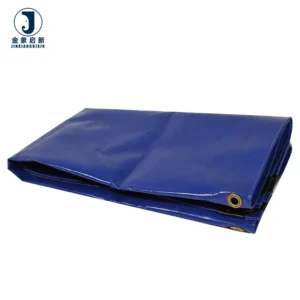
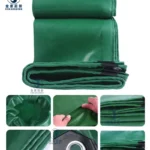

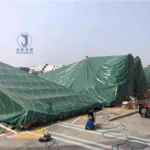
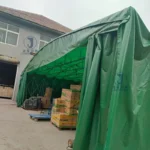

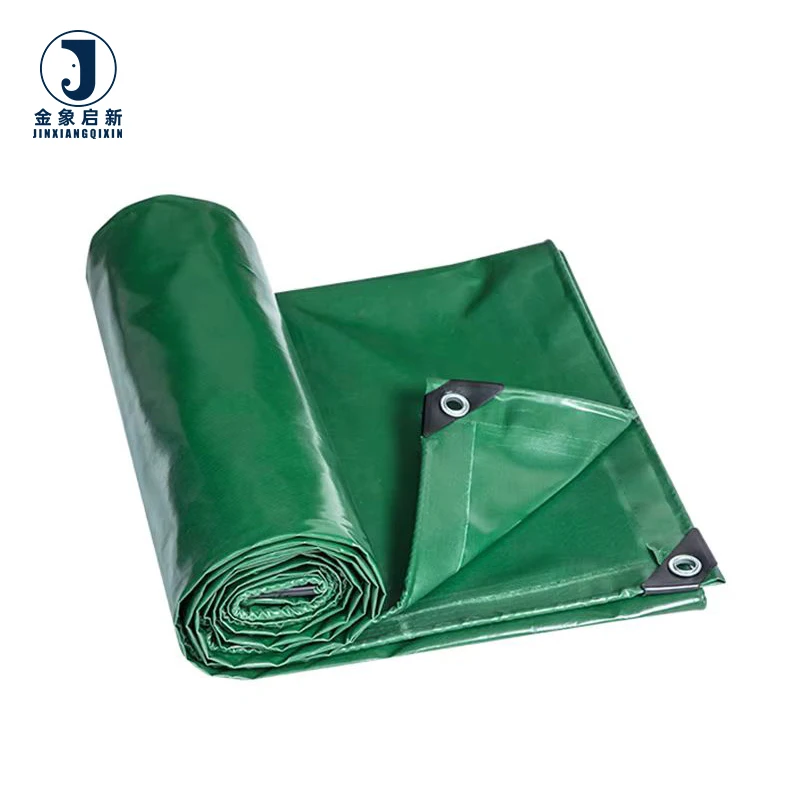
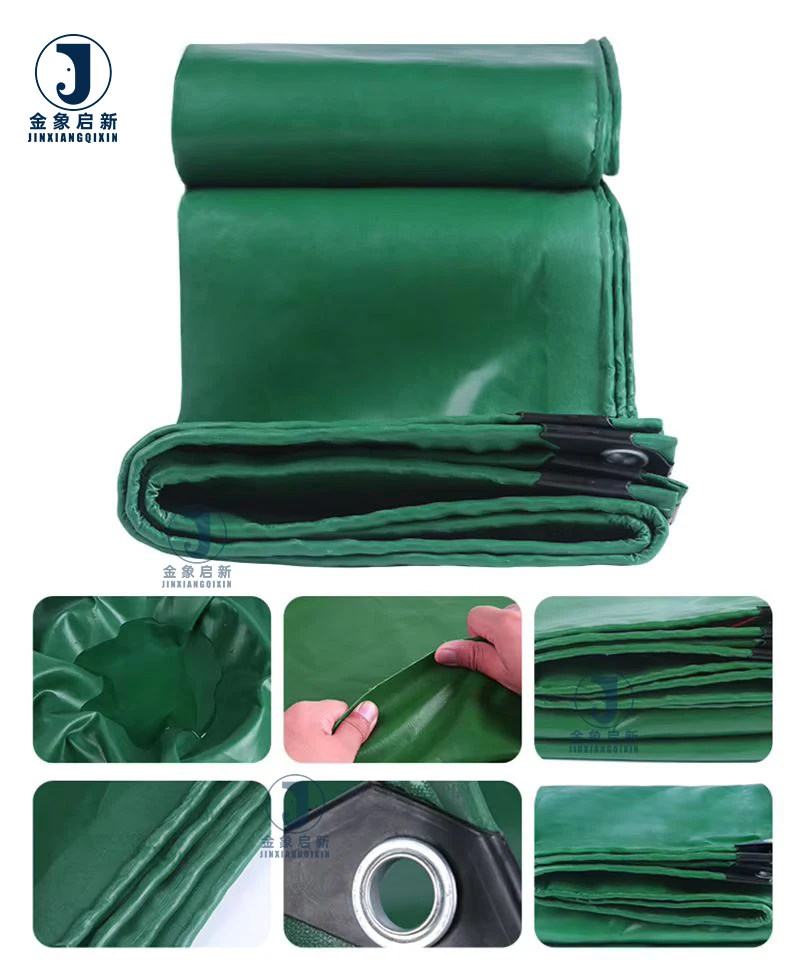
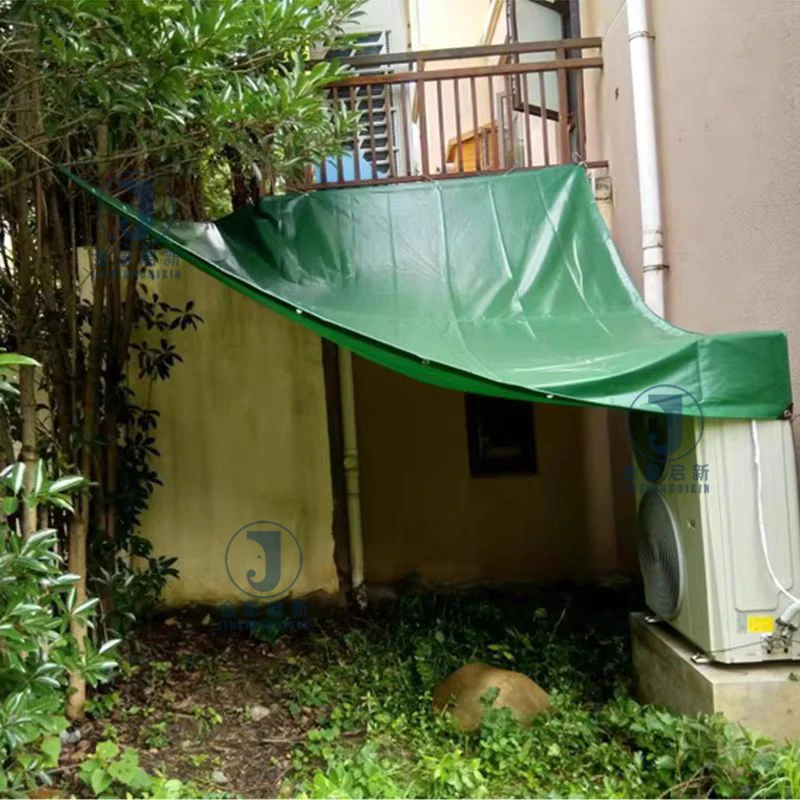
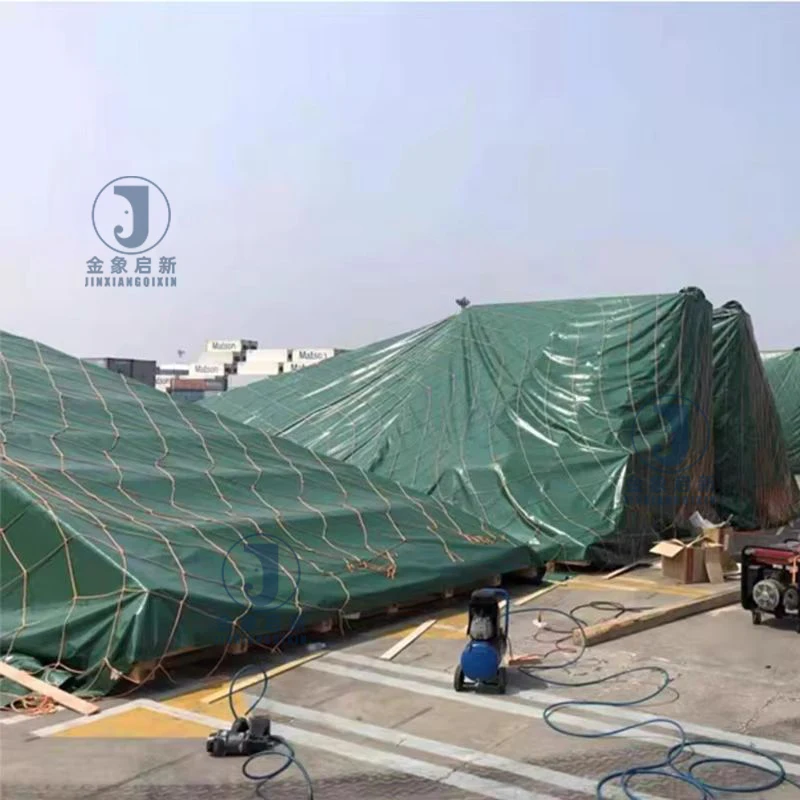

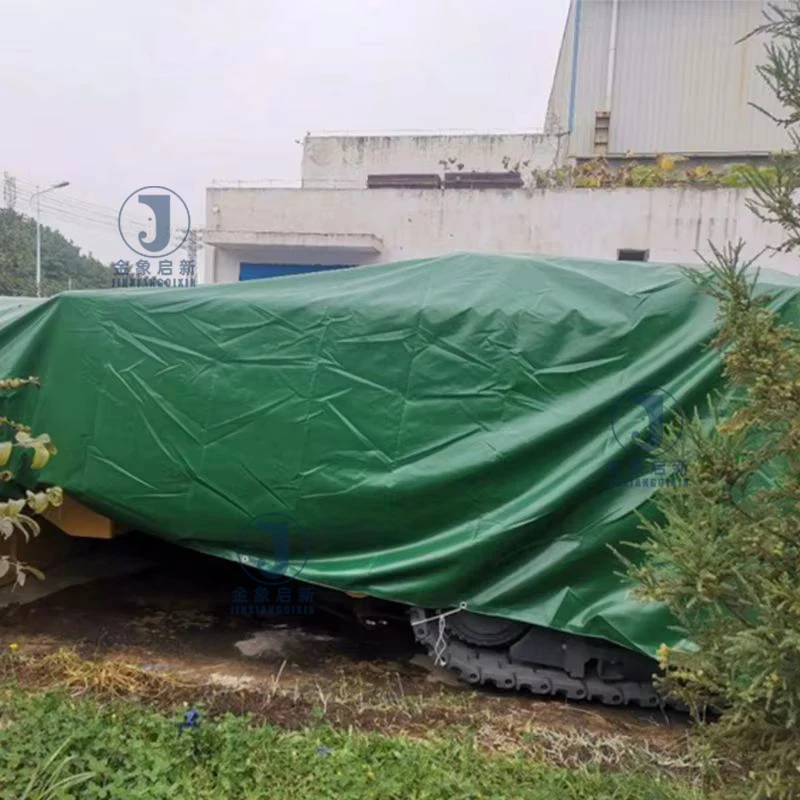
Deep process control over coating weight and adhesion — our PVC coated fabric production lines maintain strict coating thickness tolerance, ensuring the woven base and vinyl layer perform as a unified composite for ventilation duct and membrane structure applications.
Technical Specifications
| Parameter | Value |
|---|---|
| Product Type | PVC Coated Fabric |
| Base Fabric | Woven Fabric |
| Coating Material | PVC Vinyl |
| Weight | At least 450 g/m² |
| Waterproof | Yes |
| Flame Retardant | Available in specific grades — confirm the standard required for your market (e.g. M2, B1, NFPA 701) |
| Anti-Static | Available upon specification — test reports provided per project requirement |
| UV Treatment | Available — verify treatment level against site exposure duration |
| Tear Resistance | Described as resistant to tearing (test basis not stated) |
Application Suitability
| Application | Exposure & Requirement |
|---|---|
| Mining and tunnelling ventilation ducts | Continuous airflow pressure, underground moisture, compliance with fire-retardant and anti-static site regulations |
| Temporary and semi-permanent membrane structures | Structural tension loads, wind uplift, solar UV exposure, waterproof envelope performance |
| Aviation ground support ducting | Fuel-adjacent environments requiring anti-static certification, repeated deployment and collapse cycles |
| Industrial equipment and structure covers | Rain, snow, site dust ingress, mechanical abrasion from wind-driven debris |
Why "PVC Coated Fabric" on a Quotation Is Not Enough Without Test Documentation
A material spec sheet without matching test reports leaves your project exposed at the compliance audit stage.
When a mining site safety officer asks for the fire classification certificate on your ventilation duct fabric, a supplier claim of "flame retardant" carries no weight without a test report tied to a recognised standard. I have reviewed project submissions where PVC coated fabric arrived on site with no documentation linking the material to the fire-retardant grade the contract demanded, resulting in work stoppages and replacement orders. The gap between a verbal assurance and a verifiable test report is where projects stall [NEED_CITE: DIN 4102 fire classification for building materials]. Specifying the exact standard your market requires before placing the order eliminates this failure point entirely.
Woven Base Construction for Dimensional Stability Under Load
The woven fabric base provides the structural skeleton of this PVC coated fabric. Unlike non-woven substrates that stretch unpredictably under tension, the woven construction delivers consistent dimensional behaviour in both warp and weft directions. This stability matters when the fabric is fabricated into ventilation ducts that must hold circular or rectangular profiles under continuous airflow pressure, or when it is tensioned across membrane structure frames. The woven base also resists tear propagation at stress points where the material is clamped, bolted, or welded to supporting hardware.
PVC Vinyl Coating as the Environmental Barrier
The PVC vinyl coating fully encapsulates the woven base, creating a continuous waterproof barrier that protects against rain, ground moisture and site washdown water. In ventilation duct applications, this coating prevents moisture from reaching the base fabric where it could degrade tensile performance over time. For membrane structures and industrial covers, the coating sheds water on contact and resists dust accumulation that can accelerate surface wear. The adhesion between coating and base fabric is critical — delamination at this interface compromises both waterproof integrity and structural behaviour [NEED_CITE: tensile and tear test methods for coated fabrics per ISO 1421].
Reading the Specification Sheet Beyond the Weight Number
The stated weight of at least 450 g/m² represents the combined mass of the woven base fabric and the PVC vinyl coating together. This figure alone does not tell you how much of that weight is structural base yarn versus coating compound, and the ratio between them determines how the material behaves in fabrication. A higher base fabric proportion generally delivers stronger tensile and tear values, while a heavier coating layer improves waterproof performance and surface durability. When evaluating PVC coated fabric for duct or membrane use, request the manufacturer’s breakdown of base fabric denier, weave density and coating weight per square metre to understand where the performance comes from. The coating method — whether knife-over-roll, dip or lamination — directly affects peel strength between layers and determines how well the material responds to heat welding during fabrication.
The Cost of Accepting Fabric Without Verifying Batch Consistency
When multiple rolls of PVC coated fabric arrive on a project with colour variation between them, the mismatch becomes visible the moment panels are installed side by side on a membrane structure or duct run. This is not a cosmetic complaint — it signals inconsistency in the coating process that may also affect weight, thickness and treatment application across the batch. Similarly, accepting delivery without verifying that the GSM on arrival matches the quoted value means you may be installing material lighter than the design assumed, with reduced tensile and tear margins that only reveal themselves under load or during fabrication [NEED_CITE: pre-shipment inspection protocols for coated fabric rolls]. Requesting a weight verification per roll before dispatch catches these deviations before they become site problems.
Sourcing PVC Coated Fabric with Full Production Traceability
Our 10-person R&D team handles material selection, width configuration and treatment specification for each project, developing samples within days so you can validate the fabric before committing to production volume. Three full production lines with 36 sets of professional equipment give us the capacity to fulfil bulk roll orders while maintaining coating weight consistency from the first roll to the last. Dedicated quality inspection runs at every production stage, with 100% pre-shipment examination covering weight verification, visual defect screening and documentation completeness. We supply the compliance documentation your site demands — fire-retardant test reports, anti-static certificates, material specification sheets — matched to the specific product variant you ordered.
Documentation & Verification
- Material specification sheet stating exact GSM, base fabric denier and PVC vinyl coating weight for this woven fabric grade
- Fire-retardant test reports issued against the specific standard your project requires, such as M2, B1 or NFPA 701
- Anti-static test documentation for mining and tunnelling duct applications where site regulations mandate certified material
- Pre-shipment inspection record confirming weight and visual quality checks completed on every roll before dispatch
- ISO and CE certificates held by the manufacturing facility, available for inclusion with your shipment documentation
Fabrication, Handling & Storage
- Heat welding parameters must match the PVC vinyl coating thickness — test weld settings on a sample cut from the at least 450 g/m² roll before full fabrication runs
- Store rolls horizontally on padded supports to prevent creasing that can crack the PVC coating and compromise waterproof integrity
- Allow cold-stored rolls to reach ambient temperature before unrolling to avoid stiff coating that may fracture at the woven fabric fold lines
- Cut panels with the woven fabric grain direction aligned to primary stress loads in duct and membrane structure applications
- Clean surfaces with mild detergent only — solvents can degrade the PVC vinyl coating adhesion to the woven base fabric layer
What We Need to Specify Your Fabric Accurately
Provide the ventilation duct diameter or membrane structure panel dimensions so we can recommend roll width and length that minimises fabrication waste. Confirm the fire-retardant and anti-static standards your site regulations require, including the specific test method reference. State your annual volume and colour requirements so we can plan batch production for consistent coating weight and shade across all rolls.
Frequently Asked Questions
Q: What fire-retardant grade and test standard can you provide for ventilation duct fabric?
A: We supply PVC coated fabric in fire-retardant grades matched to your project specification, with test reports issued against recognised standards such as M2, B1, NFPA 701 or DIN 4102. Provide your site compliance requirement at inquiry stage so we select the correct formulation and prepare documentation before production.
Q: How do you verify GSM on arrival matches the quotation for specialist fabric orders?
A: Every roll undergoes weight verification during our 100% pre-shipment inspection, with results recorded on the inspection report included in your dispatch documentation. This confirms the at least 450 g/m² weight stated on your quotation is the weight you receive, eliminating material substitution risk.
Q: What anti-static certification is available for mining and tunnelling duct applications?
A: Anti-static treatment is applied to the PVC vinyl coating formulation per project specification, with test documentation provided to satisfy underground site safety regulations. Confirm the specific anti-static standard your mining or tunnelling contract requires so we match the correct treatment level.
Q: Can you supply custom widths and roll lengths for membrane structure fabrication?
A: Our 10-person R&D team configures roll width and length to your membrane panel cutting layout, reducing offcut waste during fabrication. Provide your maximum panel dimensions and we will recommend the roll format that delivers the best material utilisation for your structure.
Q: How do you control batch colour consistency across multiple rolls in a single project?
A: All rolls for a single project order are produced in a continuous batch run with in-process colour checks at the coating stage. Our pre-shipment inspection includes visual comparison across rolls to flag any shade variation before dispatch, ensuring installed panels present a uniform appearance.